Professional product catalogue
Ocular anti-infectives
Ocular anti-infectives are medicines intended for eye infections according to the type of agent involved. Antibiotics and antivirals have different targets, and not every red eye belongs to this category. Eye drops and ophthalmic ointments have formulations specific to the ocular route. This professional category distinguishes substances, combinations and presentations without treating antiseptics, antibiotics and allergy medicines as one pharmaceutical principle. A shared application site does not establish that medicines have the same purpose, composition or documented indications.
Products in this category
47 products
 Coopération Pharmaceutique Française
DACRYOSERUM S p lav opht en récipient unidose 20Unid/5ml
CIP / EAN : 3400934732652
- Coopération Pharmaceutique Française
DACRYUM Eye wash solution in single-dose container 10Unit/5ml
CIP / EAN : 3400936018754

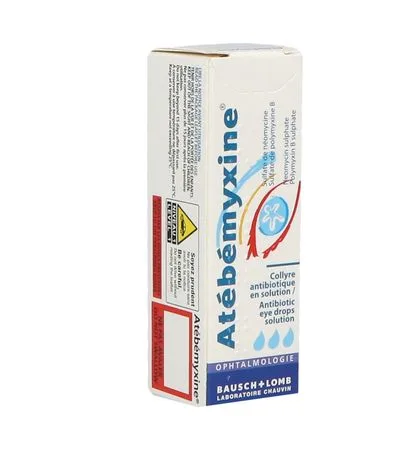

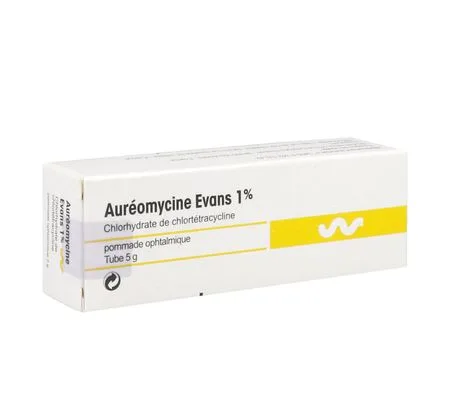
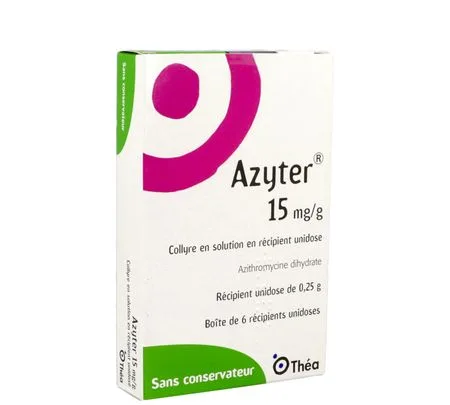















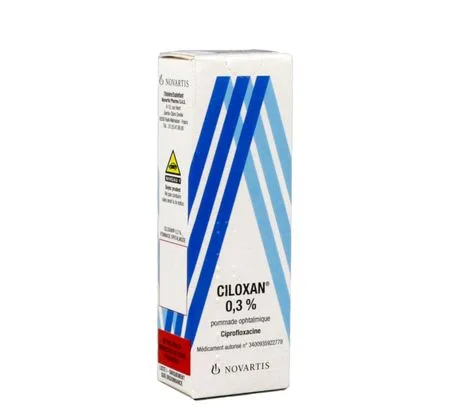


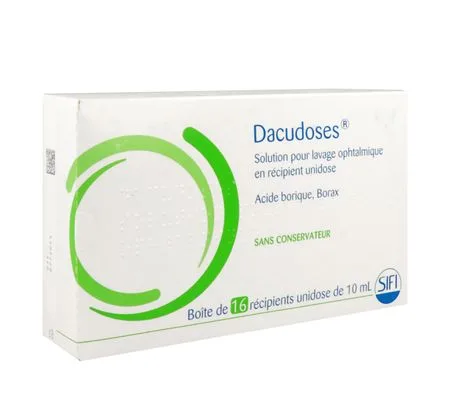

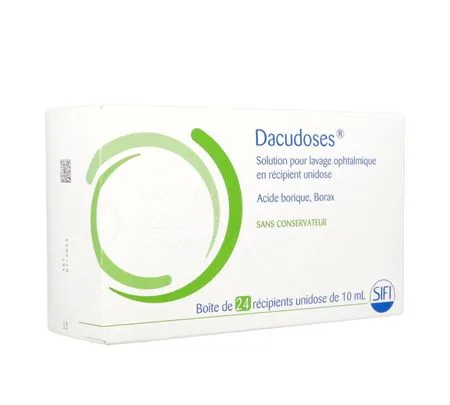
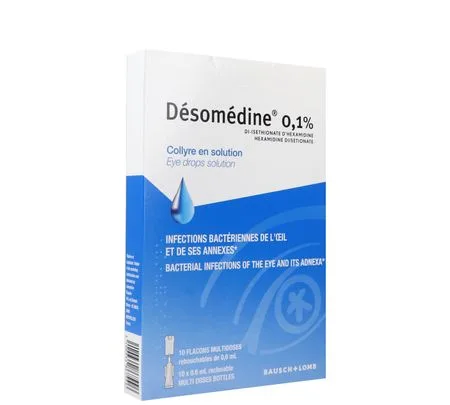
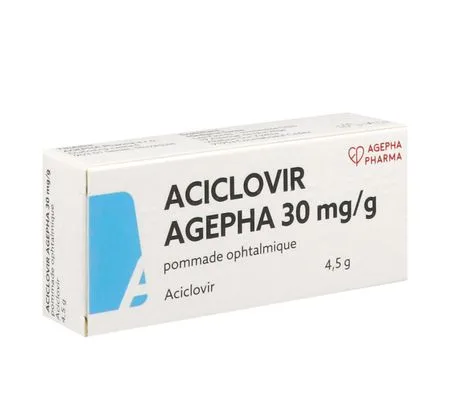
Understanding ocular anti-infectives
Bacteria, viruses and inflammation
Anti-infective is a broader term than antibiotic. An antibacterial acts against bacteria, whereas an antiviral is directed against viruses. Conjunctivitis can have several origins, including infectious and allergic causes; the condition name does not automatically determine a medicine class. Inflammation is likewise a response that can accompany several settings rather than proof of infection on its own. These distinctions prevent the category from becoming a general response to every ocular manifestation and explain why medicines for similar-looking symptoms may belong to different pharmaceutical groups.
Ophthalmic families and combinations
The ATC index identifies an ophthalmic anti-infective family containing several subgroups. Preparations combining an anti-infective with a corticosteroid are distinguished in another ophthalmic group. The presence of an antibiotic therefore does not describe the whole combination. Complete composition and documented indication establish the specific scope. An antibacterial substance familiar from systemic use also retains a particular ocular presentation when formulated for the eye. A shared name does not support directly equating dosage forms or concentrations intended for these different routes.
Eye drops, ointments and containers
An ophthalmic ointment is not a skin cream placed in a small tube: its destination and pharmaceutical characteristics are specific to the eye. Eye drops and ear drops similarly describe different routes despite sometimes having comparable packaging. Volume, concentration, number of units and information after opening describe separate aspects of the presentation. For professionals, recognising those distinctions clarifies the required product without assuming substitution between routes or generalising the storage information for one container to every other preparation with a similar appearance.
Frequently asked questions
Does every conjunctivitis involve an antibiotic?
No. Causes differ and can include viral or allergic origins. The word conjunctivitis alone does not establish a need for an antibacterial medicine.
Is a corticosteroid combination identical to an anti-infective alone?
No. Its composition and pharmacological functions can differ. Every active substance must be considered when describing the medicine and its intended purpose.
Updated 10 November 2026
Sources and further reading