Professional product catalogue
Hypnotics
Hypnotics are medicines associated with sleep through particular mechanisms and indications. The category is not limited to benzodiazepines: it also includes other families, notably agents acting on wakefulness systems. Difficulty falling asleep, waking during the night and daytime effects describe different dimensions of insomnia. Understanding those terms, pharmacological targets and release characteristics distinguishes medicines from food supplements and other products in the wider sleep environment. A shared sleep-related description does not establish the same status, purpose or pharmaceutical characteristics for every preparation.
Products in this category
77 products
 EA Pharma Laboratoire des Granions
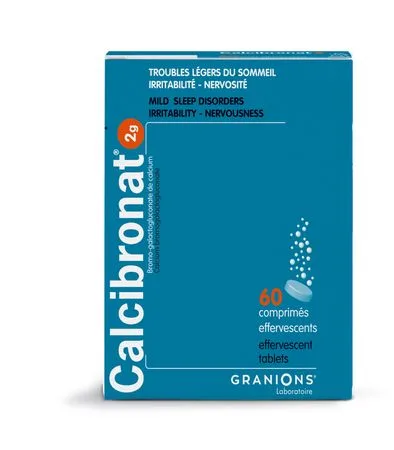
CALCIBRONAT 2 g effervescent tablet Tube/20
CIP / EAN : 3400930165911
- EA Pharma Laboratoire des Granions
CALCIBRONAT 2 g effervescent tablet Tube/60
CIP / EAN : 3400932228768
 Arrow Génériques
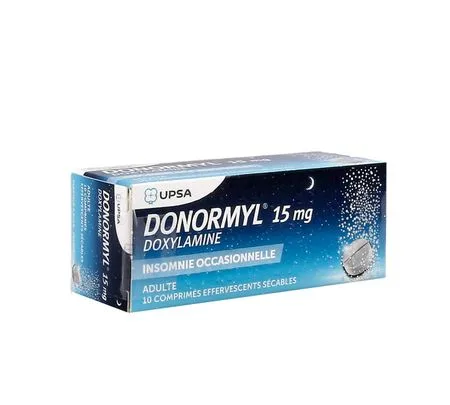
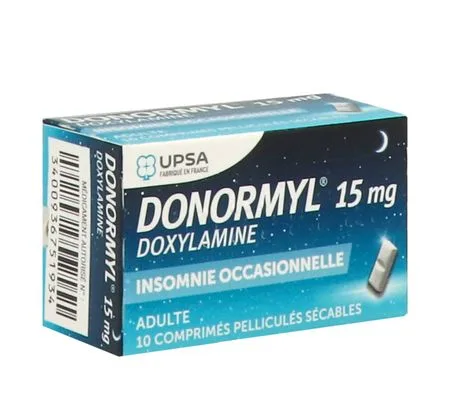
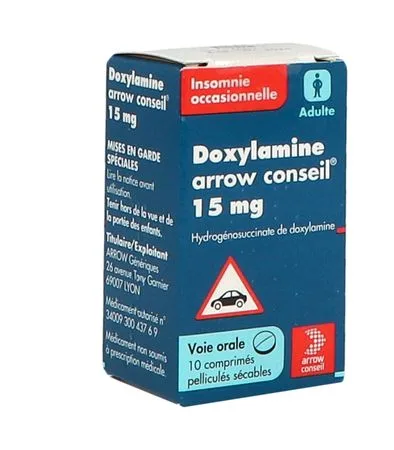
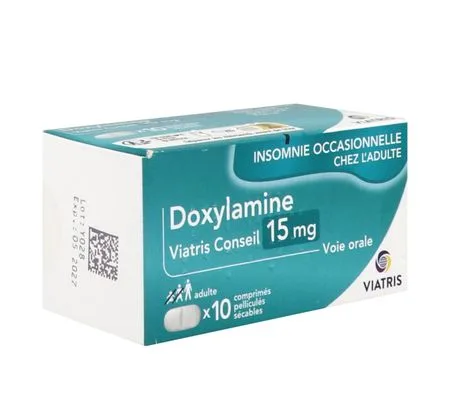
DOXYLAMINE ARROW CONSEIL 15 mg Scored Film-Coated Tablet Tube 10
CIP / EAN : 3400930043769
 Biogaran
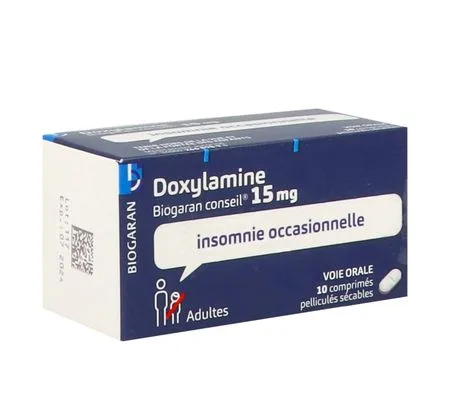
DOXYLAMINE BIOGARAN CONSEIL 15 mg Scored Film-Coated Tablet Tube 10
CIP / EAN : 3400926689896
 Sanofi Winthrop Industrie
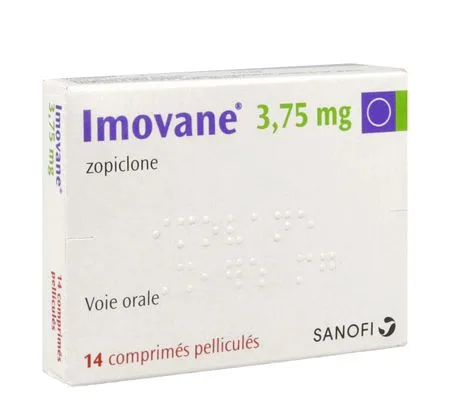
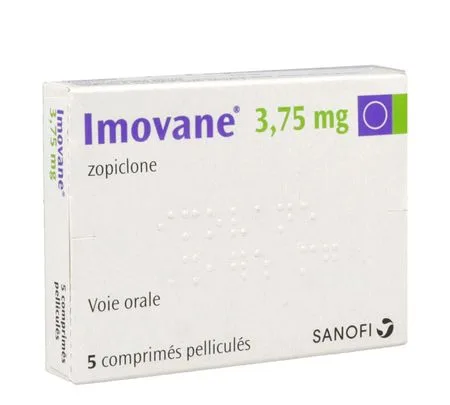
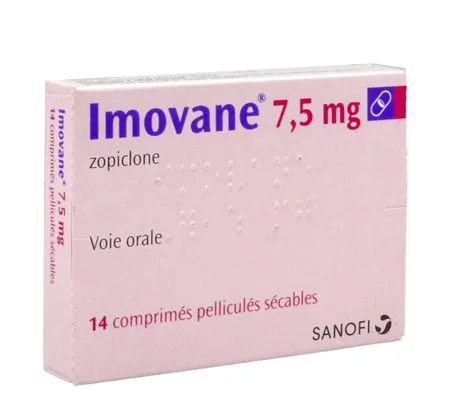
IMOVANE 7,5 mg Film-coated scored tablet Bottle/14
CIP / EAN : 3400934748561







Understanding hypnotics
Sleep, wakefulness and insomnia
Sleep is not simply an absence of brain activity. Its organisation involves several regulatory systems, while insomnia is also assessed through its daytime consequences. Sedative and hypnotic are related terms, but causing drowsiness does not make every medicine an insomnia treatment. The care setting also includes non-medicinal approaches. This diversity explains why a hypnotic category describes particular products rather than a general response to every sleep complaint or experience of fatigue. The clinical vocabulary provides context without establishing a medicine choice from a symptom alone.
GABA, orexin and other pathways
Benzodiazepines and selected related agents concern GABA-associated transmission. Orexin receptor antagonists act on a wakefulness-related system through a different mechanism. Melatonin belongs to another pathway associated with sleep-wake rhythms, depending on the product. These families cannot be reduced to a single mechanism because they relate to sleep. Properties and indications remain medicine-specific. Naming a target does not promise a particular quality of sleep or an individual tolerability profile, nor does it establish equivalence between a sedating agent and a product developed for another sleep-related purpose.
Medicinal presentations and other statuses
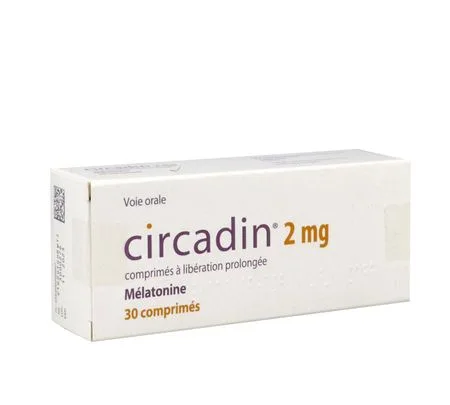
Formulation and release descriptions contribute to hypnotic identity. A prolonged-release preparation is not merely a different number of tablets. Some sleep-related ingredients occur in products with different statuses, requiring medicines and food supplements to be distinguished rather than equated. For relevant medicines, dependence, alertness and rebound insomnia are important documented concepts. They cannot be reduced to a comparison of the quantities printed on boxes and do not define equivalence across families. The complete preparation gives meaning to the substance name, strength and pharmaceutical form together.
Frequently asked questions
Is every medicine causing drowsiness a hypnotic?
No. Drowsiness can be an effect of a medicine intended for another purpose. Indication and pharmacological identity cannot be inferred from that effect alone.
Is a sleep supplement a hypnotic medicine?
No. Statuses and information frameworks differ. A sleep-related purpose or familiar ingredient does not make products equivalent.
Updated 10 November 2026
Sources and further reading