
Professional product catalogue
Anxiolytics
Anxiolytics include medicines from several families associated with anxiety manifestations according to their indications. Benzodiazepines are a familiar group, but they do not represent the entire category. Other agents can have different mechanisms. Understanding pharmacological action, form and substance distinguishes anxiolytic, hypnotic and antidepressant: these terms are not synonyms despite links with anxiety, alertness and sleep in some care settings. The category explains medicine characteristics without treating a common word such as stress as a diagnosis or a direct product selection rule.
Products in this category
155 products
 Viatris Santé
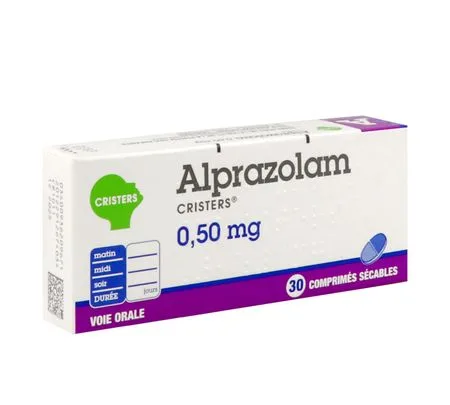
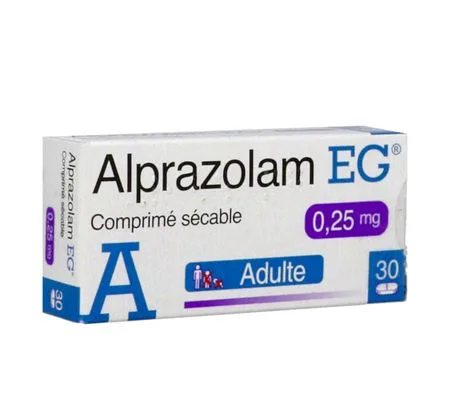
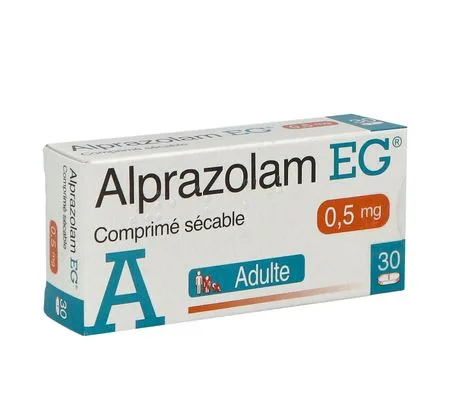
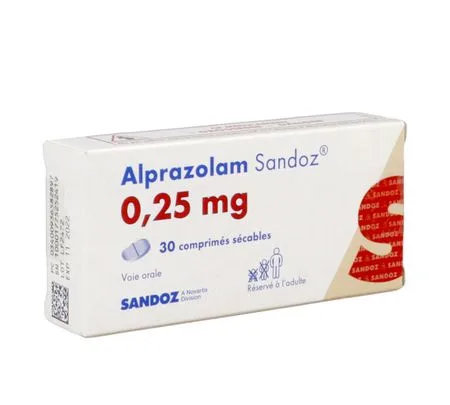
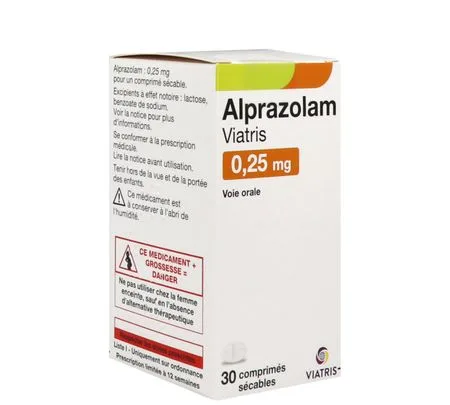
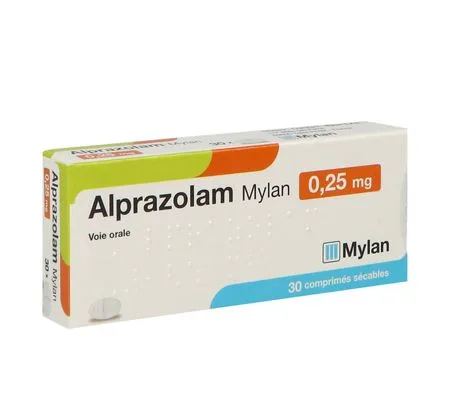
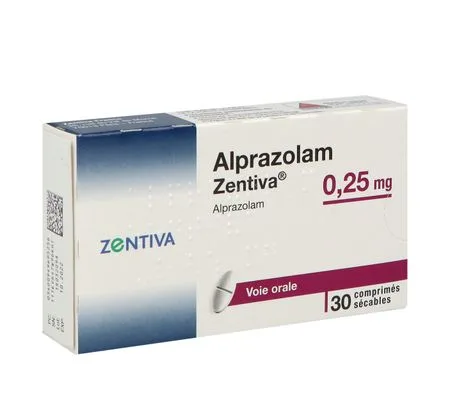
ALPRAZOLAM VIATRIS 0,25 mg scored tablets unit-dose blister/30
CIP / EAN : 3400930181775
- Viatris Santé
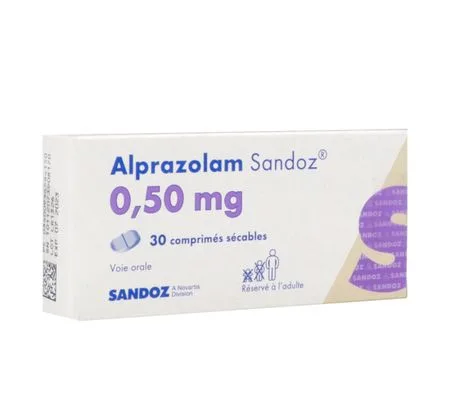
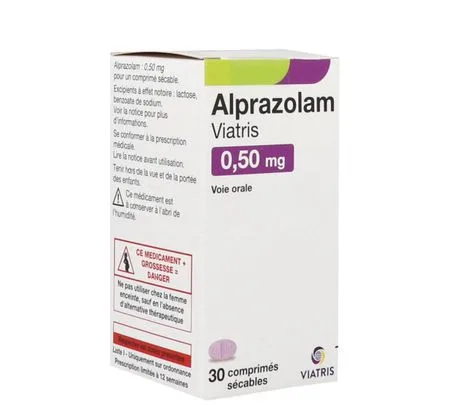
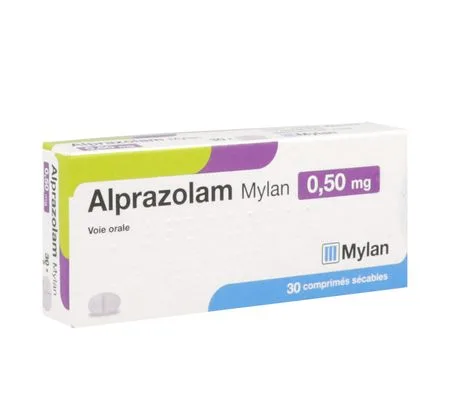
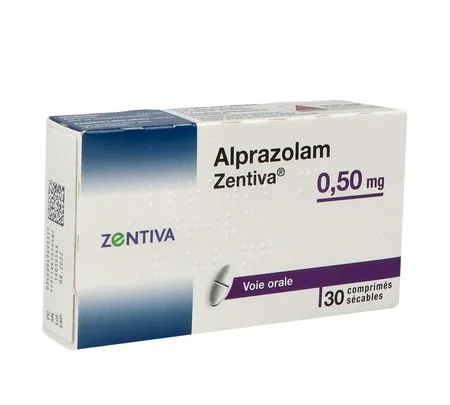
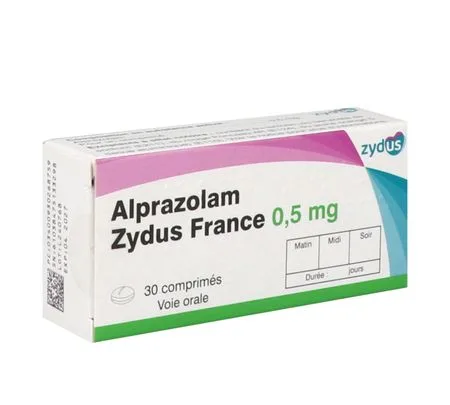
ALPRAZOLAM VIATRIS 0,50 mg scored tablets unit-dose blister/30
CIP / EAN : 3400930181782















Understanding anxiolytics
Anxiety and pharmacological families
Anxiety describes experiences and manifestations occurring in several clinical settings. Anxiolytic identifies medicines, not one diagnosis or a common response to every stressful situation. Some longer-term medicines for anxiety disorders belong to antidepressant families rather than this group. Conversely, anxiolytics do not all have the same chemical structure. Distinguishing symptom, indication and medicine family helps explain the field without turning everyday terminology into an automatic match with a substance. A documented clinical use and a pharmacological classification provide related but different information about the same medicine.
Benzodiazepines and other agents
Benzodiazepines modulate a receptor system associated with GABA, an inhibitory nervous system messenger. They can have several pharmacological effects, including effects on anxiety and alertness, with roles depending on the substance and presentation. Other anxiolytics belong to different chemical groups, so the general term does not establish one action at every receptor. Drowsiness, dependence and rebound phenomena are among the topics addressed in official information for relevant products. These characteristics must remain visible when explaining the class rather than being obscured by a promotional description of a broad family.
Forms and distinct properties
Solid and liquid oral forms express substance content differently. Substance name, content per unit or concentration, and route together describe a preparation. Other possible forms retain their documented setting. Two anxiolytics cannot be compared using only the number printed on a pack: it is not a universal measure of potency across different molecules. Duration of action, metabolism and interaction properties depend on the medicine. They do not establish a conversion rule or a way to adjust treatment from a general category description or a shared pharmaceutical family name.
Frequently asked questions
Are all anxiolytics benzodiazepines?
No. The category contains other chemical groups. Substance and precise class distinguish mechanisms and documented characteristics.
Do identical amounts indicate equal potency?
No. An amount is not a potency scale across different molecules. Product-specific characteristics matter and cannot be inferred from packaging figures alone.
Updated 10 November 2026
Sources and further reading