Professional product catalogue
Ear medicines
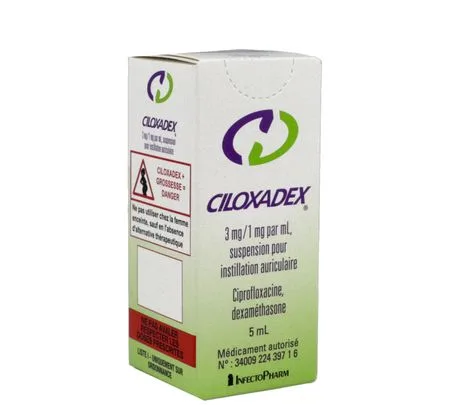
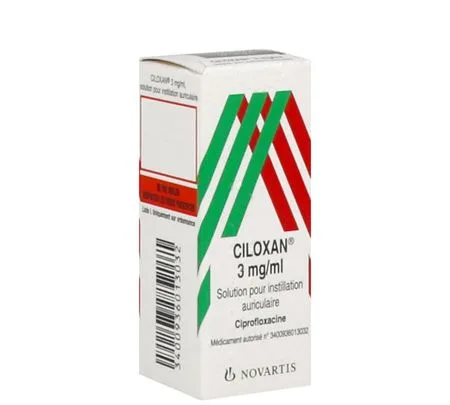
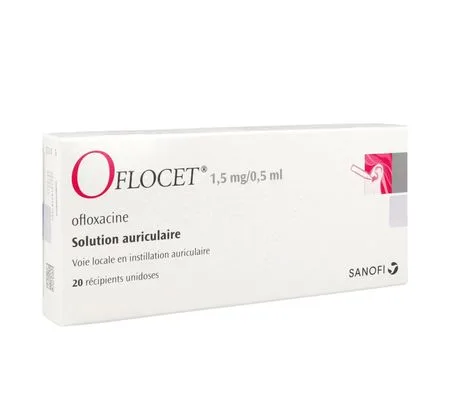
Ear medicines comprise preparations intended for the ear, including anti-infective, anti-inflammatory and other local families. An ear drop is defined by composition and intended administration, not simply by the presence of a dropper. This professional category explains differences between classes, combinations and formulations. It preserves the distinction between the external ear, other ear structures and the clinical settings documented for each medicine, rather than treating a shared local format as evidence of the same pharmaceutical role.
Products in this category
13 products
 Laboratoires Grimberg
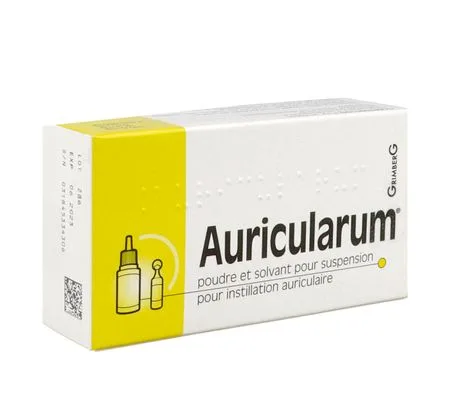
AURICULARUM Powder/solvent for ear suspension Vial + Ampoule solvent/10ml
CIP / EAN : 3400930192252
 Viatris Santé
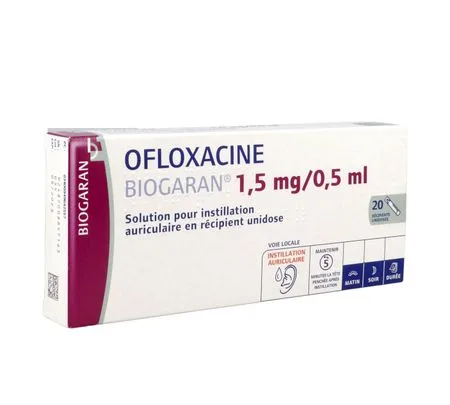
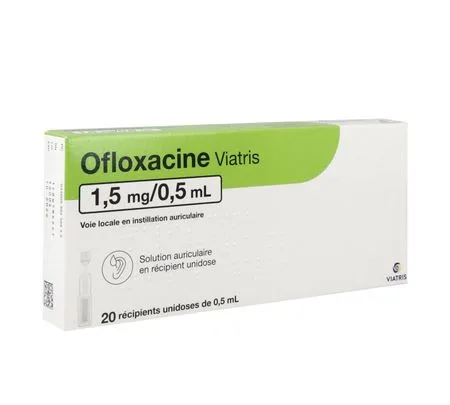
OFLOXACINE VIATRIS 1,5 mg/0,5 ml Auric sol single-dose container 20Unit/0,5ml
CIP / EAN : 3400930236833










Understanding ear medicines
A precise anatomical location
The external ear canal and middle ear are separated by the eardrum. A preparation placed in the canal therefore cannot be described as a universal medicine for every ear condition. Local context, the nature of the condition and eardrum status can form part of the product’s defining information. These concepts explain differences between auricular indications without turning a medicinal catalogue into a diagnosis of pain, discharge or hearing discomfort. Anatomical terminology provides context for interpreting the documentation rather than determining a treatment from a symptom alone.
Single ingredients and combinations
Ear preparations include anti-infectives, corticosteroids and combinations of those families with distinct mechanisms. Every active component remains part of the complete medicine description. A corticosteroid–anti-infective combination cannot be reduced to the antibiotic name alone. Preparations with other auricular functions also have their own scope. Pharmacological class therefore complements the administration site and distinguishes medicinal action from a hygiene product or device intended for the ear canal. Similar everyday terminology or presentation size does not remove differences in composition, regulatory status or authorised context.
Formulation and pharmacy interpretation
Auricular solutions and suspensions have different physical characteristics. Concentration, bottle volume and active ingredients need to be considered together. In-use shelf life and container features are also product-specific. In pharmacy practice, auricular and ophthalmic designations remain clearly distinct: a dropper or small container does not establish the same route. This precision supports professional identification of the presentation and its documentation without assuming interchangeability between local preparations. The complete medicine name and intended administration site remain more informative than the general appearance of its packaging.
Frequently asked questions
Do all ear infections involve the same site?
No. The external and middle ear are different structures. Individual product information specifies the context, which cannot be inferred from the general term ear infection.
Is an auricular preparation an eye drop?
No. Auricular and ophthalmic identify different intended sites. A similar bottle or dropper does not make them equivalent.
Updated 10 November 2026
Sources and further reading