Professional product catalogue
Dressings
The dressing family includes different device architectures intended to cover a wound or provide a contact layer within a care arrangement. Foam, hydrocolloid, alginate, contact layers and impregnated gauze differ primarily in material and construction. These names do not represent grades of quality. Understanding the differences helps pharmacy teams describe a professional requirement accurately, through the material, contact layers, absorbent surfaces and fixation arrangements that give each type its particular construction and purpose.
Products in this category
228 products
 Smith & Nephew SAS
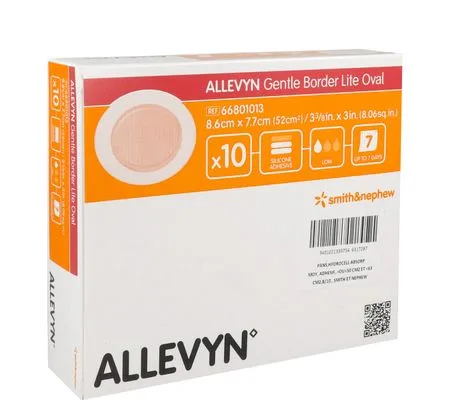
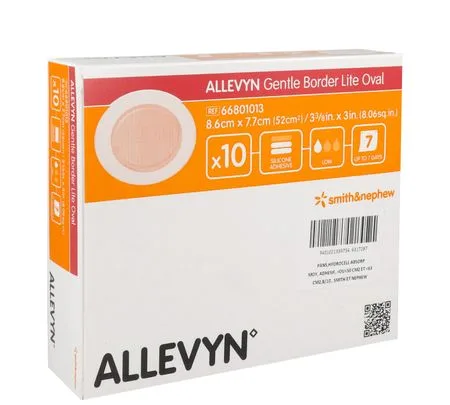
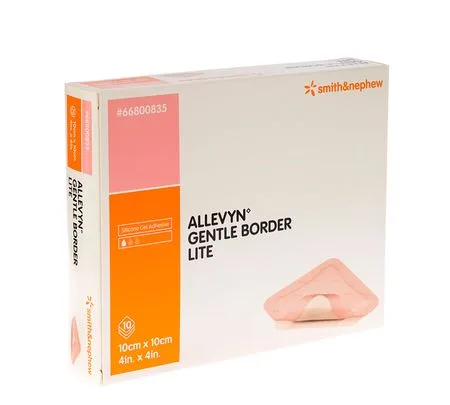
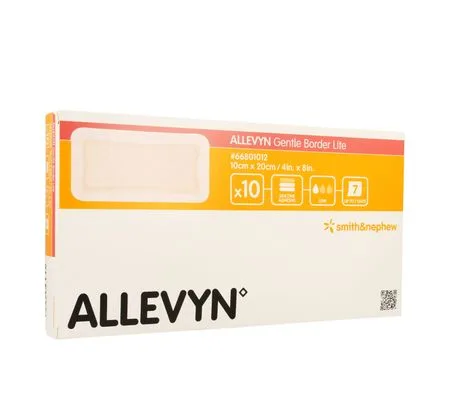
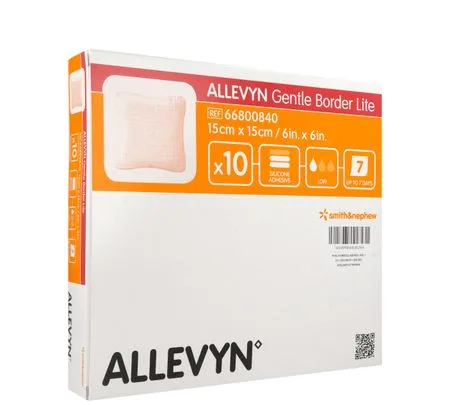
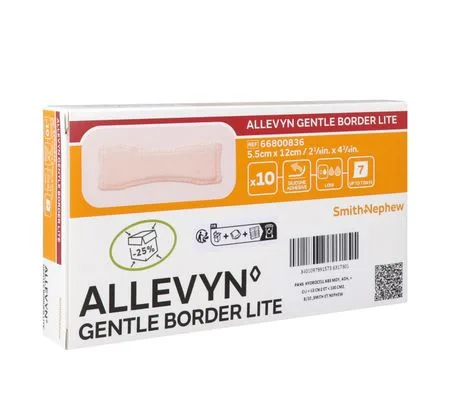
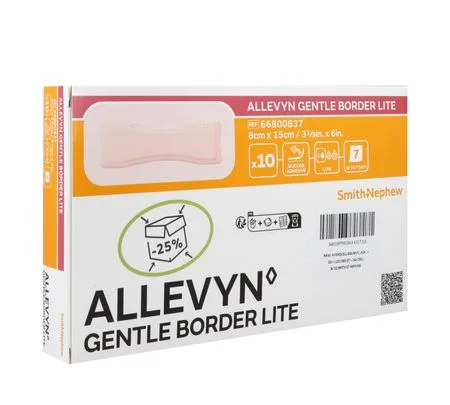
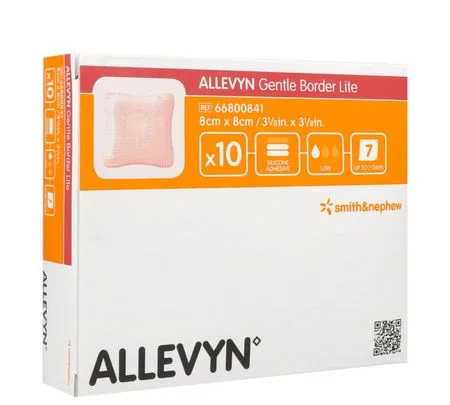
ALLEVYN GENTLE BORDER LITE MULTISITE Hydrocellular dressing 8x8,4cm B/10
CIP / EAN : 5000223477721
- Smith & Nephew SAS
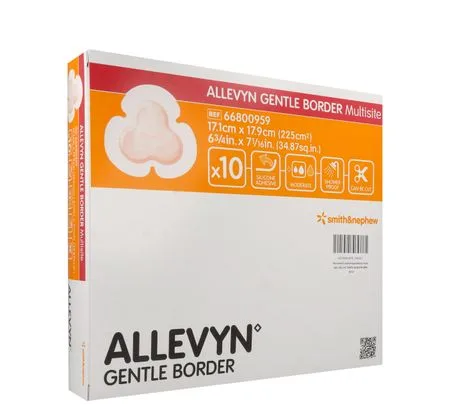
ALLEVYN GENTLE BORDER MULTISITE Hydrocellular dressing 17,1x17,9cm Box/10
CIP / EAN : 5000223476519


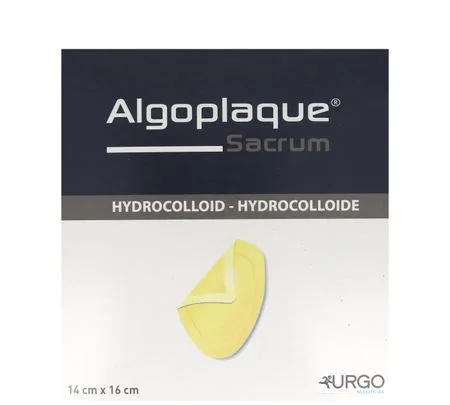

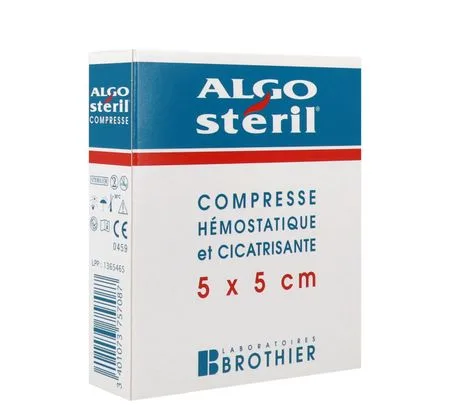

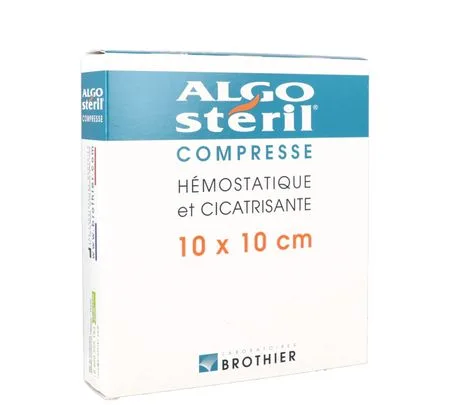
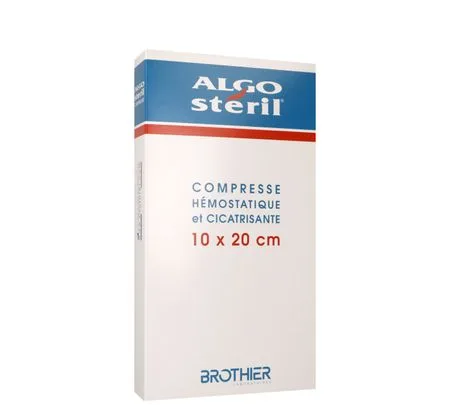
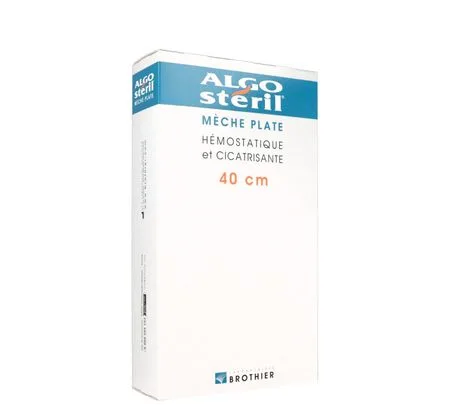
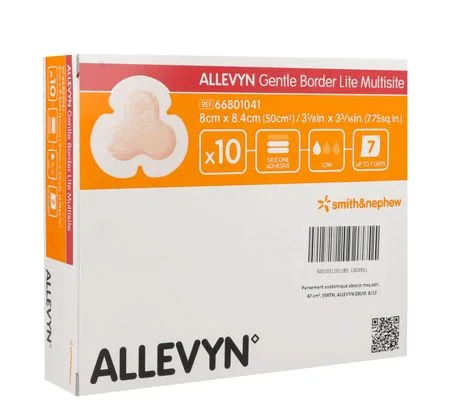
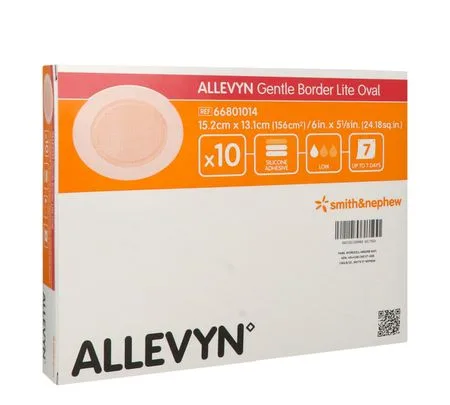
Understanding dressings
Foams, matrices and fibres
Foam dressings use an absorbent foam structure with additional layers according to the design. Hydrocolloids contain a matrix that can form a gel in contact with fluid. Alginates have a fibrous structure and may be supplied as flat pads or ribbons. These terms describe different materials. A meaningful comparison separates the core from its outer layer, any coating and peripheral fixation. Similar outside measurements do not establish the same internal construction or the same balance of functions within the complete device.
Contact layers within a dressing assembly
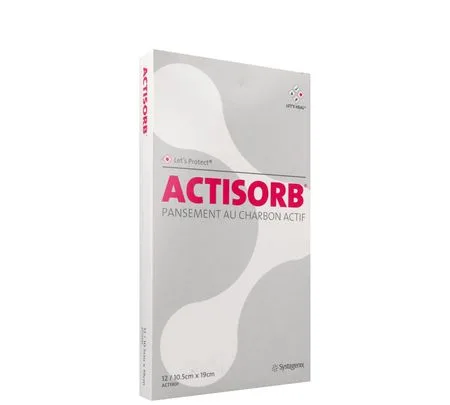
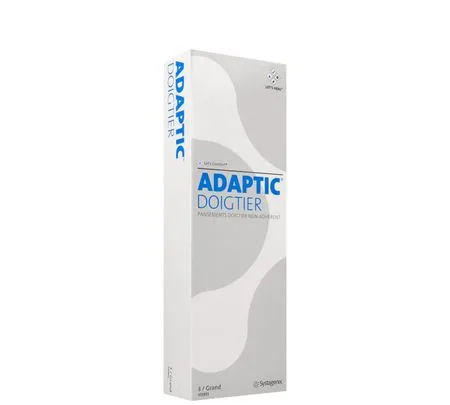
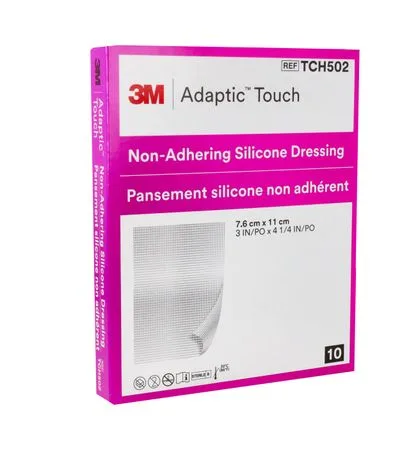
Contact layers and gauze-based structures emphasise the surface adjacent to the relevant area. Mesh, textile structure or coatings can characterise them without providing all absorption and retention functions on their own. A primary contact component therefore differs from secondary covering or fixation. This functional approach prevents confusion between a thin silicone-coated interface and a complete foam dressing that includes silicone within a multilayer construction. A shared coating is only one characteristic, rather than proof that the complete devices are equivalent.
Flat sheets, shaped formats and useful dimensions
Square and rectangular sheets, anatomical shapes and elongated formats have different geometries. Overall measurements can include a border extending beyond the absorbent pad. A shaped design changes contours rather than simply increasing size. Thickness and flexibility add further physical distinctions. For a professional specification, outer length, central pad size and border width answer different questions. Comparing one nominal measurement alone can conceal differences in the actual functional surface and the way layers are arranged within the dressing.
Composition and intended purpose
Sterility, adhesive type and any additional substance are characteristics of the individual presentation. Foam is not automatically silicone-coated, an interface is not necessarily medicinal, and a hydrocolloid is not inherently antiseptic. Clinical purpose also depends on the intended use and the context assessed by a healthcare professional. Material knowledge explains the device but does not replace that assessment. The same principle applies to cutting permissions and secondary retention: these belong to the complete design rather than to a broad family name.
Frequently asked questions
Is a thicker dressing necessarily preferable?
Thickness is a physical characteristic, not a clinical indication or proof of superiority. Material, architecture, useful dimensions and the functions required from the dressing remain separate considerations.
Can a contact layer be replaced by a foam of the same size?
Size alone cannot establish this. Contact layers and foams may perform different roles within an assembly, so their construction and intended purpose need to remain distinct.
Updated 10 November 2026
Sources and further reading