
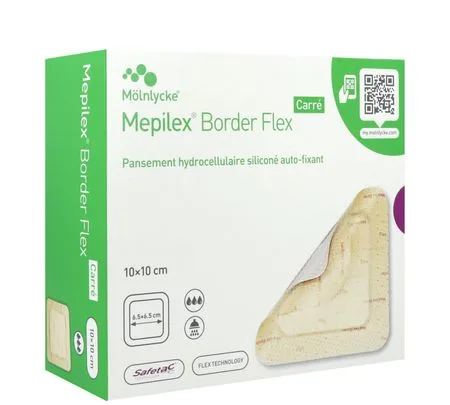
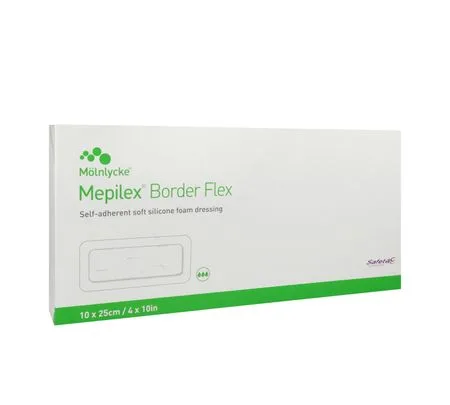
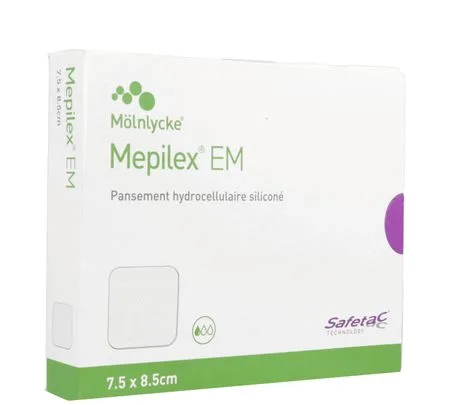
MEPILEX BORDER FLEX CARRE Hydrocellular adhesive sterile silicone dressing XS 7.5x8.5cm B/16
7323190196562
Prices and discounts are reserved for client pharmacies.
Professional product catalogue
Foam dressings contain an absorbent foam structure, frequently made from polyurethane, combined with additional layers according to the design. The family includes bordered and unbordered sheets, different thicknesses and shapes intended for particular body contours. For pharmacy teams, understanding the purpose of each layer helps distinguish absorption, skin contact and fixation. These three functions are not necessarily combined in the same way in every dressing, even when products share the same general category name.
99 results
Prices and discounts are reserved for client pharmacies.
Prices and discounts are reserved for client pharmacies.
Prices and discounts are reserved for client pharmacies.
Prices and discounts are reserved for client pharmacies.
Prices and discounts are reserved for client pharmacies.
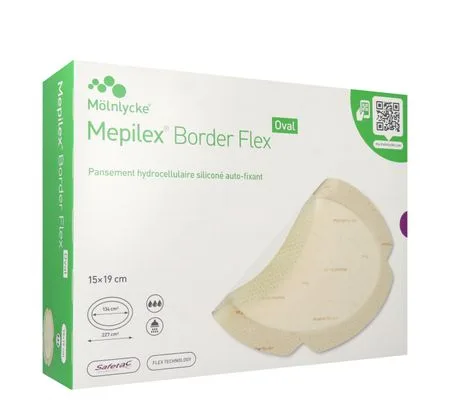
Prices and discounts are reserved for client pharmacies.
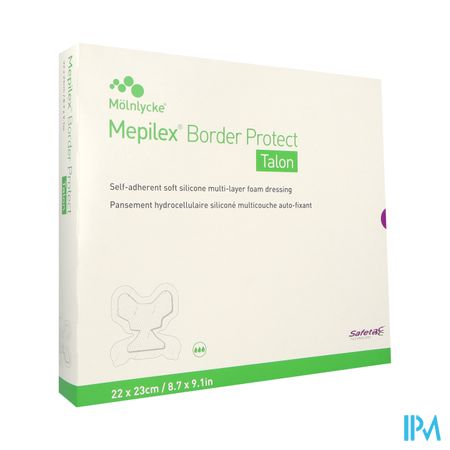
Prices and discounts are reserved for client pharmacies.
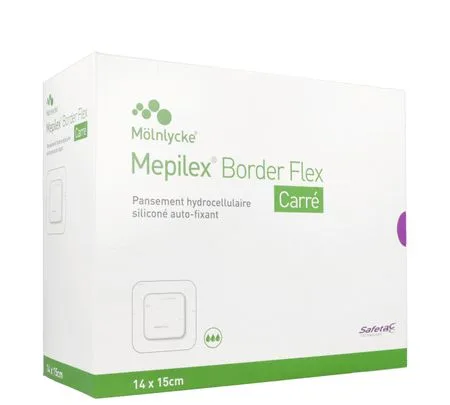
Prices and discounts are reserved for client pharmacies.
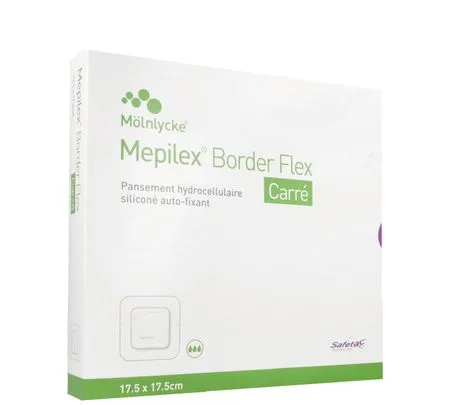
Prices and discounts are reserved for client pharmacies.
Prices and discounts are reserved for client pharmacies.
Prices and discounts are reserved for client pharmacies.
Prices and discounts are reserved for client pharmacies.
Prices and discounts are reserved for client pharmacies.
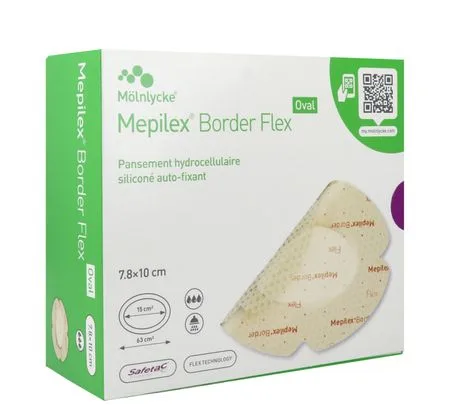
Prices and discounts are reserved for client pharmacies.
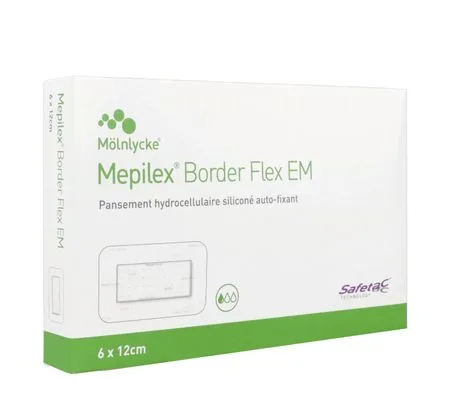
Prices and discounts are reserved for client pharmacies.
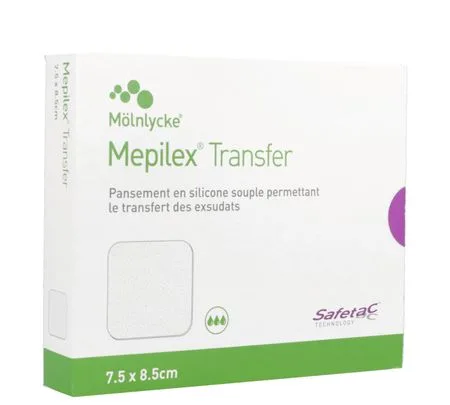
Prices and discounts are reserved for client pharmacies.
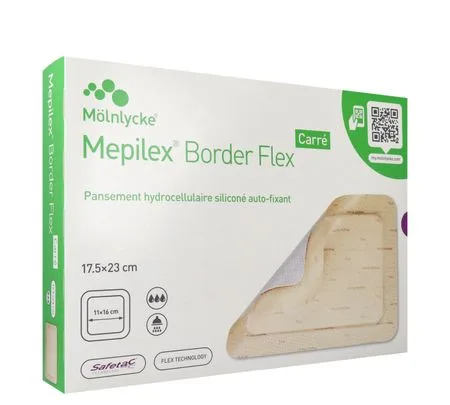
Prices and discounts are reserved for client pharmacies.
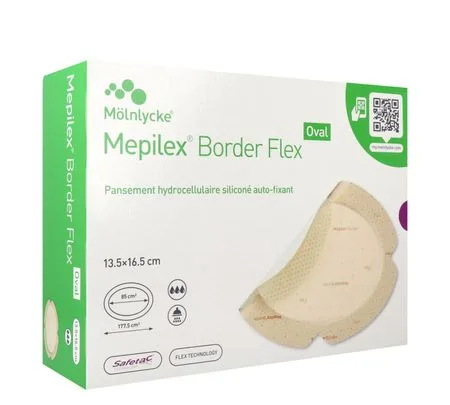
Prices and discounts are reserved for client pharmacies.
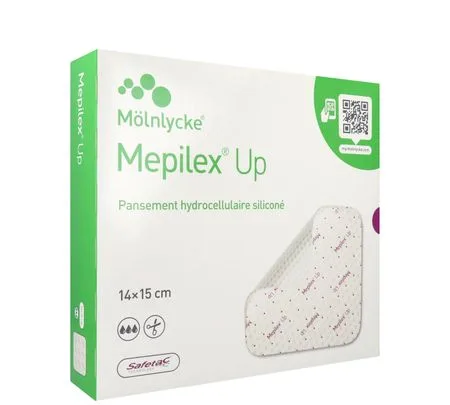
Prices and discounts are reserved for client pharmacies.
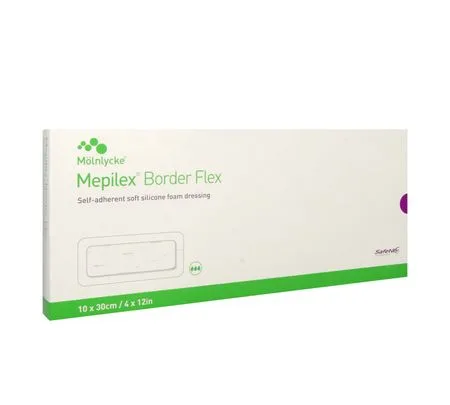
Prices and discounts are reserved for client pharmacies.
Foam forms the absorbent core of many dressings in this family. An outer layer may cover the structure, while the contact layer may carry a silicone coating. These components have different functions: the foam receives fluid, the outer surface covers the assembly, and the contact layer defines the interface with skin or the wound. The category therefore describes a design family rather than a single formula. Not every foam dressing has the same backing, coating or arrangement of layers.
A bordered dressing has a peripheral fixation area surrounding its central pad. Overall measurements do not necessarily describe the absorbent area itself. An unbordered version relies on a separate, suitable retention system. Square, rectangular and anatomical shapes also differ in the position of their cuts and the flexibility of their edges. Comparing total length alone can overlook meaningful differences in usable pad area and surrounding coverage. The size of the pad and the size of the complete dressing answer different technical questions.
Thin and thicker versions may differ in architecture and absorbent volume, rather than appearance alone. Conformability also depends on flexibility and shape, especially around curved surfaces. Foam is a different material from a hydrocolloid matrix or a network of alginate fibres, so these names should remain separate in professional specifications. Sterility, permitted cutting and compatibility with secondary retention are product-specific properties. None can be inferred simply from a photograph or from the general term foam dressing.
No. Silicone can be present on the contact layer without creating a separate peripheral fixation border. The coating and the presence of a border are distinct characteristics.
They may describe the complete dressing. For bordered designs, the central pad measurements and overall measurements provide different information for a meaningful professional comparison.
Updated 10 November 2026
Sources and further reading