Professional product catalogue
Alginate dressings
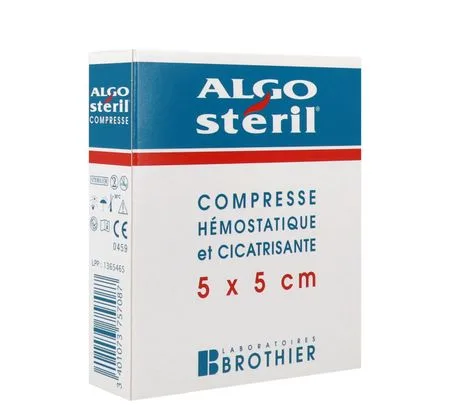
Alginate dressings are fibrous products, generally based on calcium alginate derived from compounds extracted from seaweed. They can be supplied as flat pads or elongated ribbon formats. This structure differs from foam and hydrocolloid sheets. For pharmacy teams, distinguishing the geometry and composition helps describe a requested device accurately. The material name alone does not establish a clinical use, a particular absorption capacity or permission to substitute one presentation for another in an individual care plan.
Products in this category
10 products

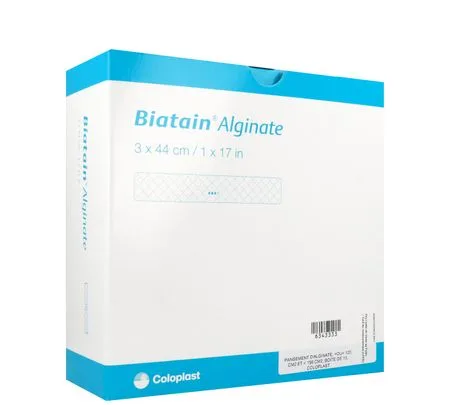

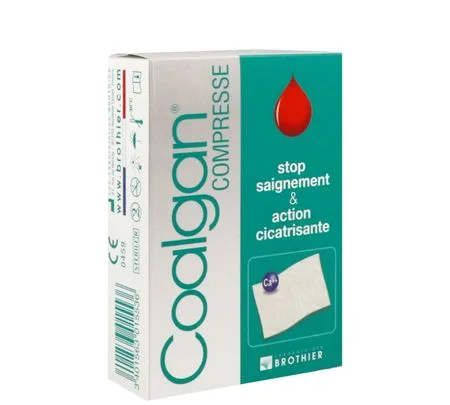
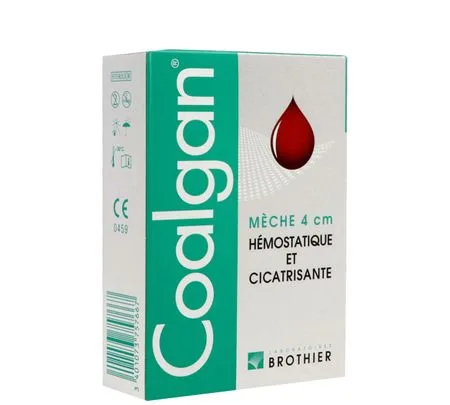
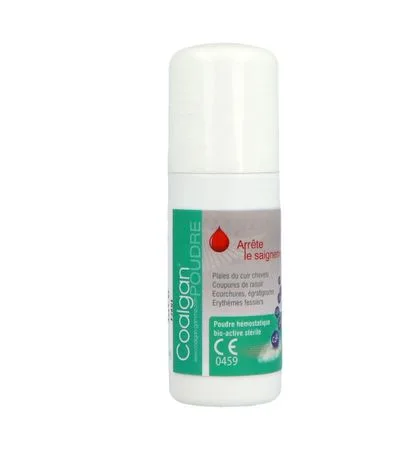
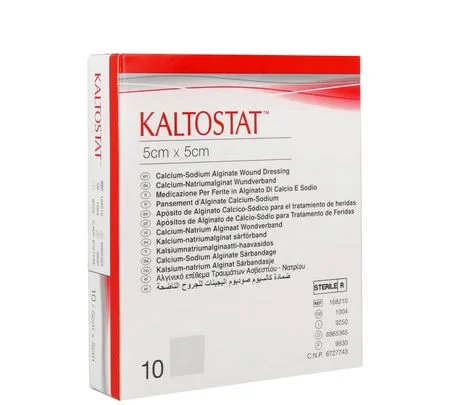

Understanding alginate dressings
A fibrous material rather than ordinary gauze
Alginate fibres can form a gel in contact with fluid, depending on their composition. This behaviour distinguishes the material from ordinary dry gauze, even when the external format looks similar. Some designs combine different fibres or other components. The family name does not identify those combinations or establish that every product has the same properties. Any additional substance or function belongs to the individual device and should be described separately from its basic alginate construction.
Flat pads and elongated ribbons
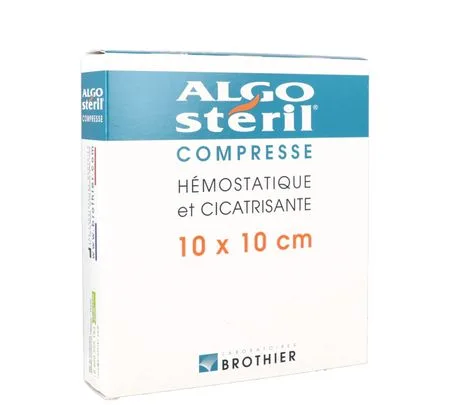
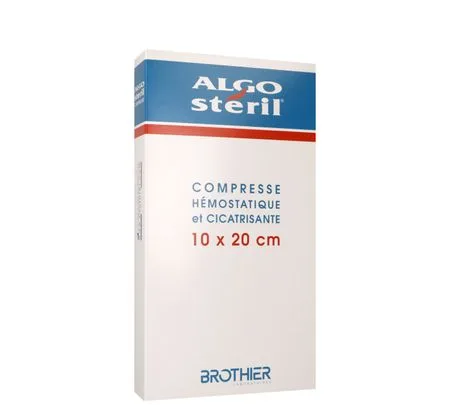
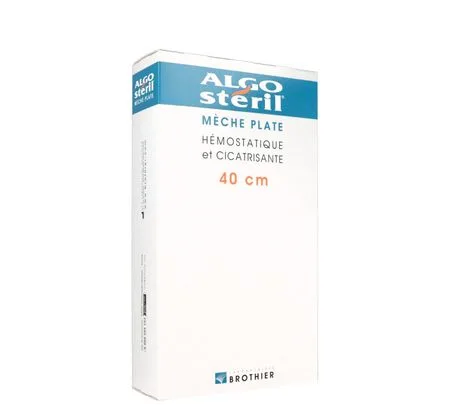
A flat alginate pad provides a sheet-like surface, whereas a ribbon has an elongated geometry. Width, length and thickness describe different aspects of these formats. Pad and ribbon are not interchangeable instructions for use, and neither term grants permission to cut a device. Some alginates require a separate secondary dressing for covering or retention. That secondary component is distinct from the fibrous material itself, so a complete specification needs to keep their respective functions clear.
Useful material and presentation distinctions
Fibre cohesion, the form of the material and usable dimensions help distinguish alginate presentations. A non-adhesive pad does not automatically include its own fixation system. Sterile labelling and individual packaging describe how the device is supplied, rather than establishing its clinical indication. Alginate also needs to remain distinct from other gelling fibres: similar interaction with liquid does not make the underlying polymers, structures or intended purposes identical. These differences are more meaningful than comparing outer box dimensions alone.
Frequently asked questions
Are alginate and hydrocolloid the same material?
No. Alginate dressings in this family have a fibrous structure, while hydrocolloids use a different matrix. The possibility of forming a gel does not make the two categories equivalent.
Is a ribbon simply a larger flat pad?
Its elongated shape is a distinct presentation. The ribbon’s own dimensions and documentation define the device, rather than specifications borrowed from a flat alginate pad.
Updated 10 November 2026
Sources and further reading