
ACETYLSALICYLIC ACID PANPHARMA 1 g Powder/solvent for solution for injection 6Vial + 6Ampoule/5mL
Prices and discounts are reserved for client pharmacies.
Professional product catalogue
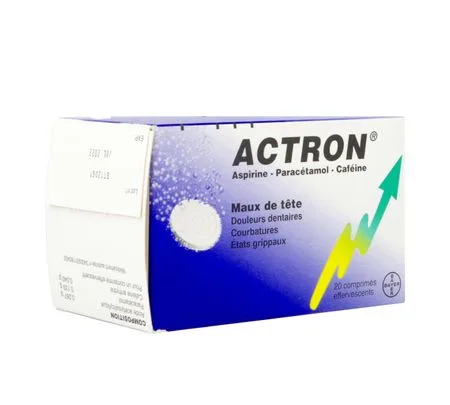
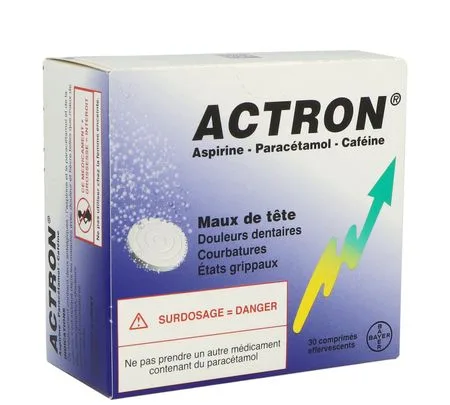
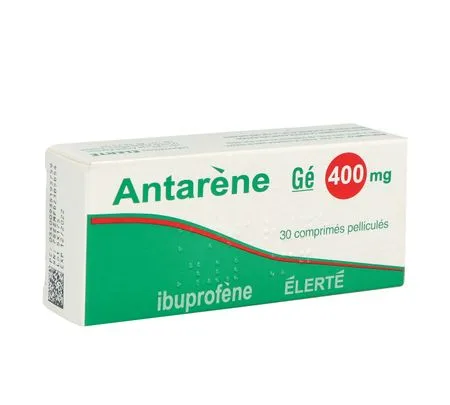
Non-opioid analgesics here comprise medicines used for analgesia and, according to the substance, antipyresis. Paracetamol and salicylic acid derivatives belong to a different pharmacological family from opioid analgesics. This professional category explains distinctions between single substances, combinations and pharmaceutical forms while retaining a clear boundary: systemic anti-inflammatory medicines classified in M01, including plain ibuprofen preparations, belong to another family. The grouping describes medicines rather than a consumer recommendation for a particular symptom.
358 products
Prices and discounts are reserved for client pharmacies.

Prices and discounts are reserved for client pharmacies.

Prices and discounts are reserved for client pharmacies.


Prices and discounts are reserved for client pharmacies.
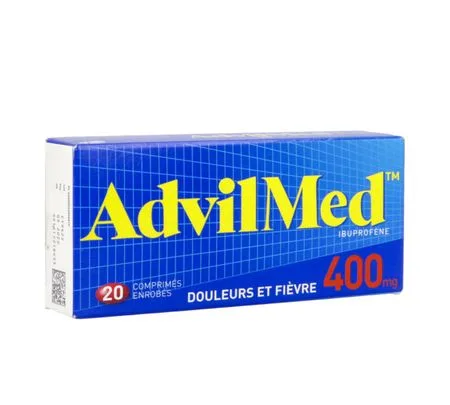
Prices and discounts are reserved for client pharmacies.
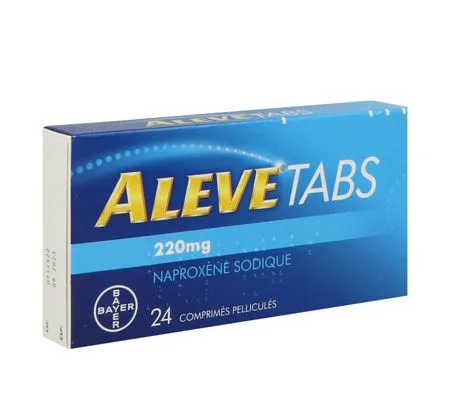
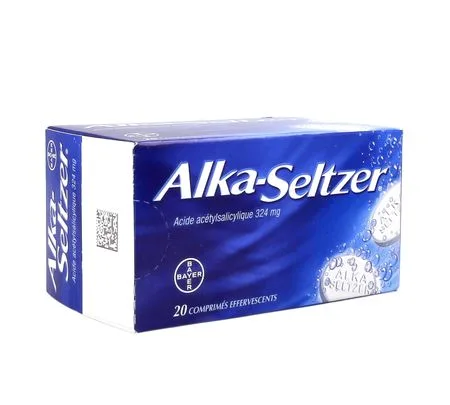

Prices and discounts are reserved for client pharmacies.
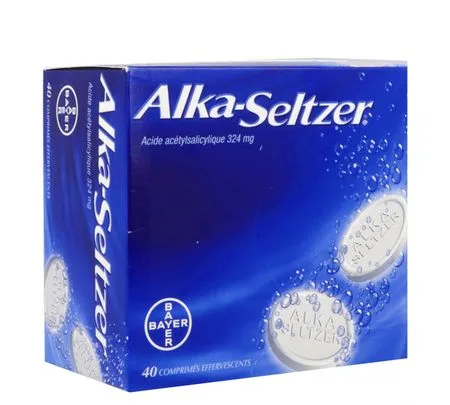
Prices and discounts are reserved for client pharmacies.

Prices and discounts are reserved for client pharmacies.

Prices and discounts are reserved for client pharmacies.

Prices and discounts are reserved for client pharmacies.
Prices and discounts are reserved for client pharmacies.
An analgesic is described by its activity on pain, while an antipyretic acts on fever. Both properties may occur in the same medicine. The terminology does not mean that every medicine concerned has comparable anti-inflammatory activity. Paracetamol illustrates why these descriptions need to remain distinct. The symptom, the active substance and the authorised characteristics of a particular medicine are separate aspects of pharmaceutical interpretation, even when the medicines share a clinical context or a related symptom description.
The international nonproprietary name identifies an active substance behind different trade names. Combination products contain more than one active ingredient and therefore need to be understood through their complete composition. A medicine combining an opioid with a non-opioid analgesic does not automatically belong in N02B. These distinctions matter when identifying an existing prescription and recognising the same ingredient in several medicines, especially where product names or packaging make their relationship less obvious to the reader.
Swallowed tablets, effervescent preparations, orodispersible forms, solutions and other administration routes have distinct pharmaceutical characteristics. The amount in one unit and the concentration of a liquid describe different quantities. Excipients, whether a tablet can be divided, and any preparation before administration belong to the medicine’s own documentation. For pharmacy teams, these features explain differences between presentations beyond the number of units in a pack, without reducing different formulations to a single interchangeable product.
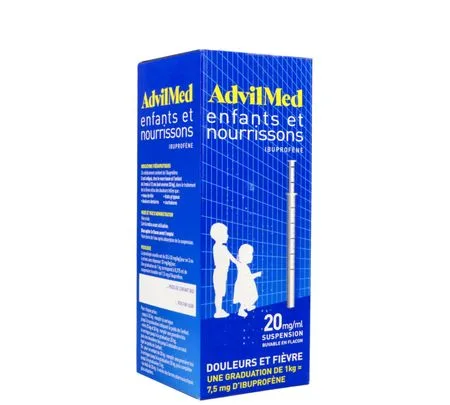
No. Ibuprofen belongs to non-steroidal anti-inflammatory drugs, while paracetamol is not an NSAID. A shared analgesic function does not establish the same anti-inflammatory action.
No. Selected combinations also contain an opioid. Every substance contributes to complete medicine identity, so one ingredient alone does not describe the product.
Updated 10 November 2026
Sources and further reading