Professional product catalogue
Anticoagulants
Anticoagulants comprise several medicine families acting on blood coagulation. Vitamin K antagonists, heparins and direct coagulation-factor inhibitors do not share one mechanism or one presentation. This professional category explains their differences, from oral forms to injectable preparations. It also preserves an essential distinction from antiplatelet medicines: belonging to the antithrombotic field does not mean acting at the same stage of blood function. Understanding that vocabulary supports precise pharmaceutical interpretation without providing an individual anticoagulation plan or conversion between products.
Products in this category
153 products
 Viatris Santé
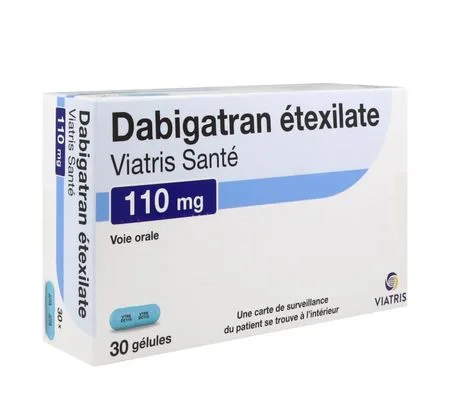
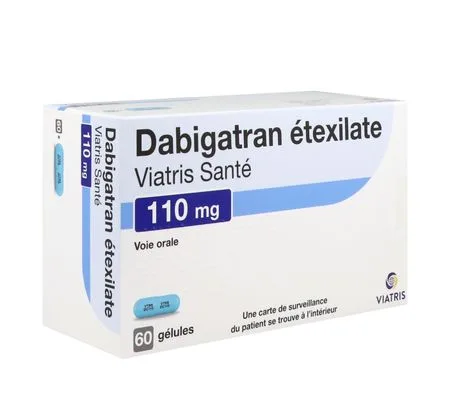
DABIGATRAN ETEXILATE VIATRIS SANTE 110 mg Capsule blister 30x1
CIP / EAN : 3400930287255
- Viatris Santé
DABIGATRAN ETEXILATE VIATRIS SANTE 110 mg Capsule blister 60x1
CIP / EAN : 3400930287279
 Zentiva France
DABIGATRAN ETEXILATE ZENTIVA KS 110 mg Hard Gel Cap 30Blister/1
CIP / EAN : 3400930289365
- Zentiva France
DABIGATRAN ETEXILATE ZENTIVA KS 110 mg Hard Gel Cap 60Blister/1
CIP / EAN : 3400930289372
- Zentiva France
DABIGATRAN ETEXILATE ZENTIVA KS 150 mg Hard Gel Cap 60Blister/1
CIP / EAN : 3400930289419
- Zentiva France
DABIGATRAN ETEXILATE ZENTIVA KS 75 mg Hard Gel Cap 30Blister/1
CIP / EAN : 3400930289334




Understanding anticoagulants
Coagulation and pharmacological targets
Coagulation involves a sequence of reactions leading to fibrin formation. Anticoagulants influence this cascade in different ways. Vitamin K antagonists affect production of certain factors dependent on that vitamin; direct inhibitors target, among other factors, thrombin or factor Xa. Heparins form another family. These terms identify mechanisms and explain why anticoagulant alone cannot describe a substance, administration route or monitoring framework. A shared broad purpose therefore does not establish the same pharmaceutical identity or clinical context for different medicines placed in this category.
Oral and injectable presentations
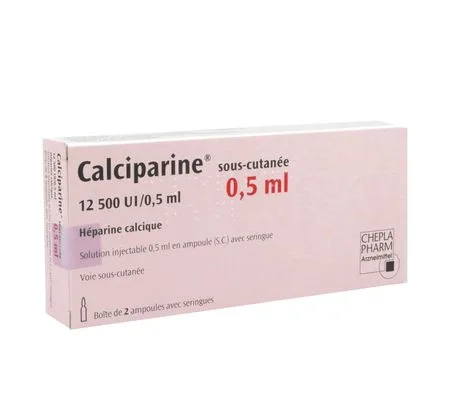
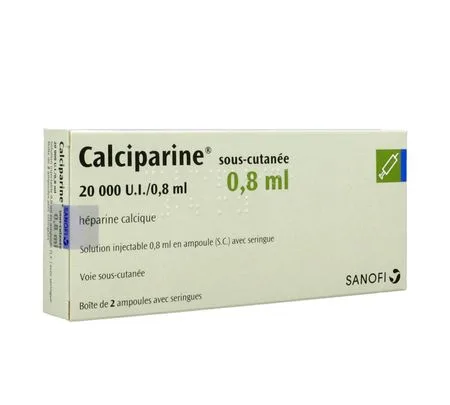
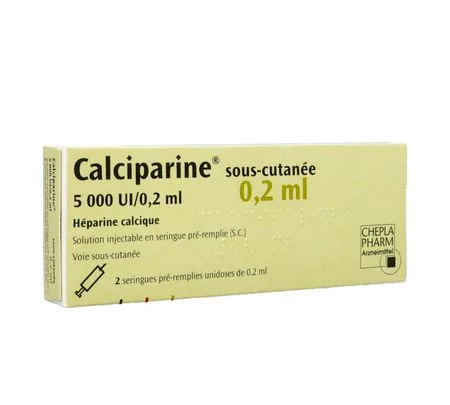
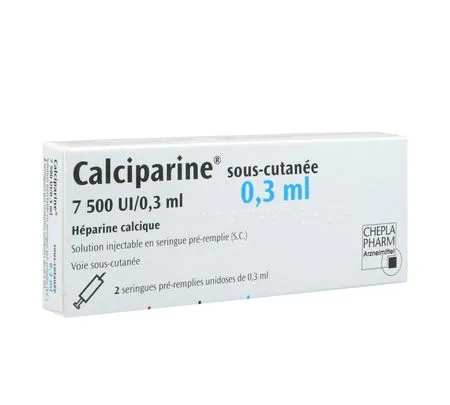
Tablets and capsules differ from injectable solutions, prefilled syringes and other parenteral preparations. Quantities may be expressed as mass or units of activity, depending on the product. That distinction remains part of identification alongside concentration and container volume. A similarly sized syringe does not establish an identical quantity of medicine. Pharmacological family, format and quantity unit together provide more precise reference points than the appearance of the outer pack, particularly where products within related families use different ways of expressing activity.
Pharmacy interpretation and monitoring
Prevention and treatment of thromboembolic events are documented contexts that do not automatically transfer between medicines. Monitoring also differs according to family and clinical situation. INR is particularly associated with vitamin K antagonist monitoring rather than being a universal reference for every anticoagulant. In pharmacy practice, interpreting the complete prescription and medicinal presentation distinguishes these frameworks while retaining attention to medicine combinations and relevant safety information. The category consequently explains the field without setting laboratory targets, recommending a regimen or establishing a replacement between oral and injectable products.
Frequently asked questions
Are anticoagulant and antiplatelet synonyms?
No. They concern different mechanisms of haemostasis. This category preserves anticoagulant families rather than including every antithrombotic medicine.
Does INR describe monitoring of every anticoagulant?
No. It is particularly used with vitamin K antagonists. Other families have different monitoring frameworks depending on the medicine and clinical situation.
Updated 10 November 2026
Sources and further reading