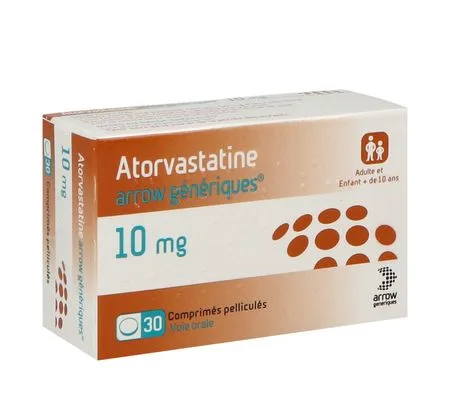
 Arrow Génériques
ATORVASTATIN ARROW GENERIQUES 10 mg coated tablet Blister PVC/PE/PVDC/Alu/30
CIP / EAN : 3400930177914
Professional product catalogue
Lipid-lowering medicines address abnormalities of blood lipids. Cholesterol, its fractions and triglycerides do not describe one single measurement. This professional category presents the C10 families, their mechanisms and combinations, from statins to other pharmacological approaches. It explains medicinal presentations without confusing a laboratory value, a clinical indication and nutritional terminology used for certain foods or supplements. The emphasis is on understanding pharmaceutical differences rather than selecting a medicine from an isolated result or assuming a shared effect across all products.
450 products
Arrow GénériquesCIP / EAN : 3400930177914
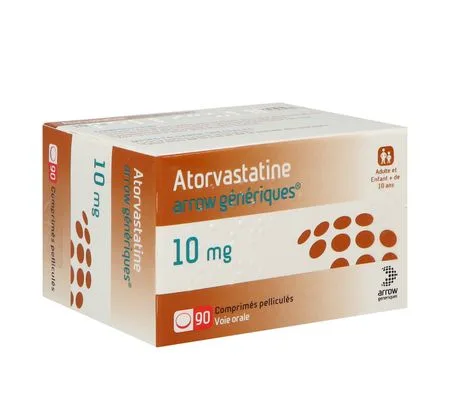 Arrow Génériques
CIP / EAN : 3400930177921
Arrow GénériquesCIP / EAN : 3400930035375
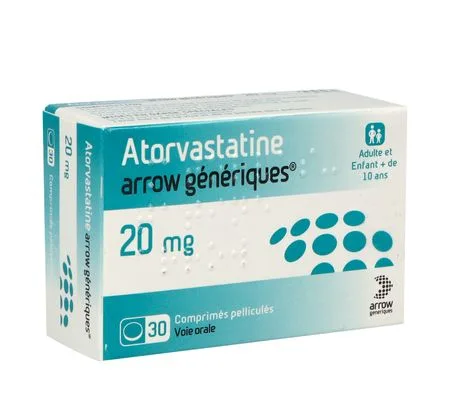 Arrow Génériques
CIP / EAN : 3400930178140
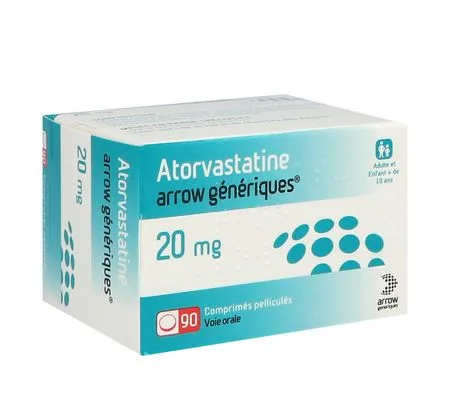 Arrow Génériques
CIP / EAN : 3400930178157
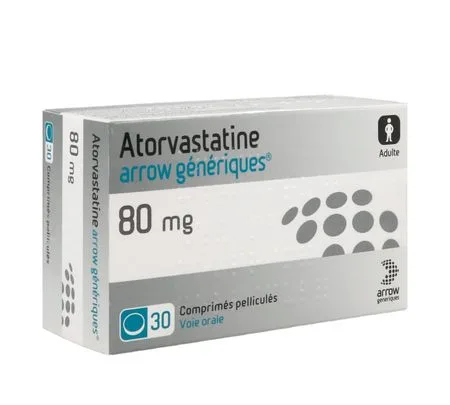 Arrow Génériques
CIP / EAN : 3400930112489
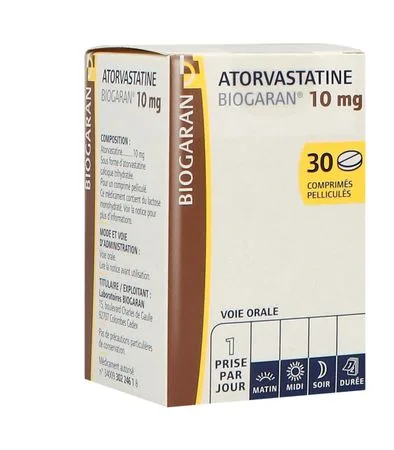
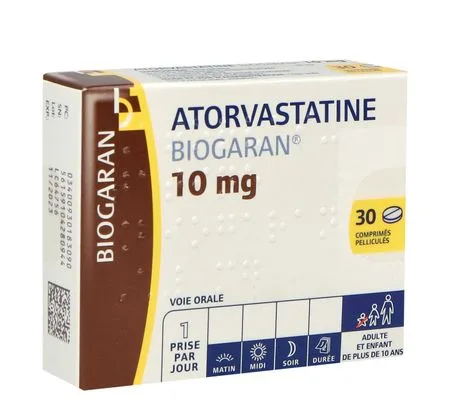
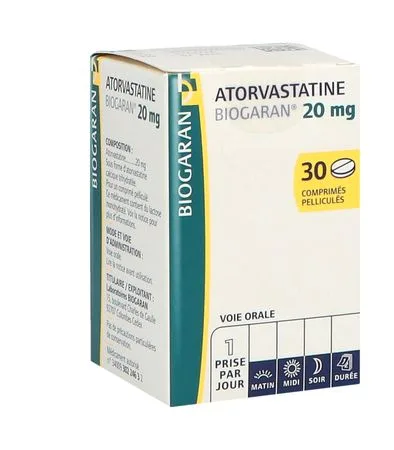
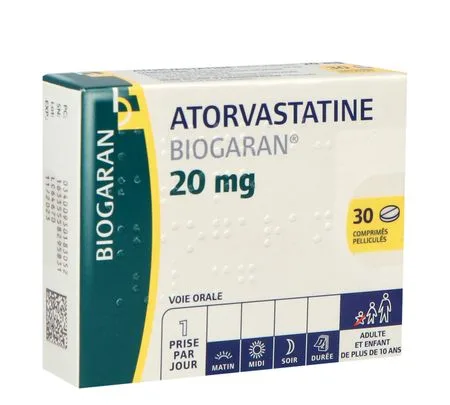
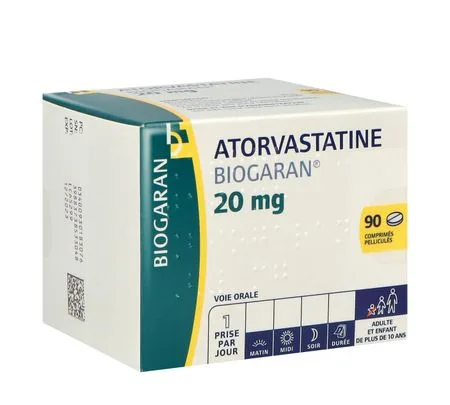
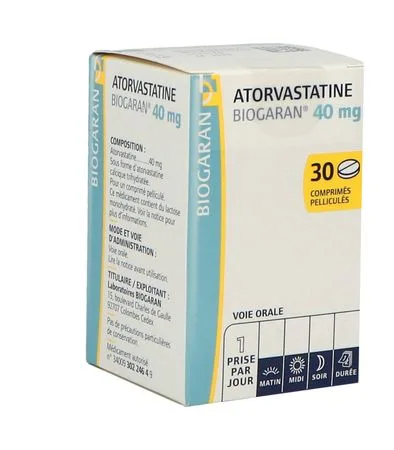
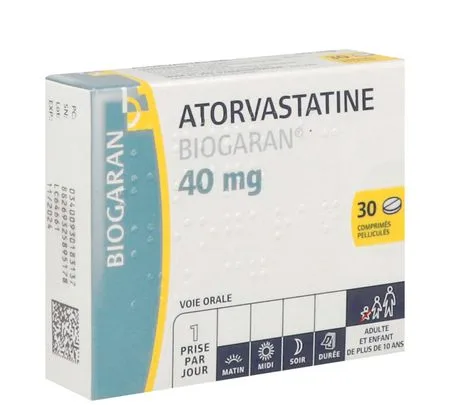
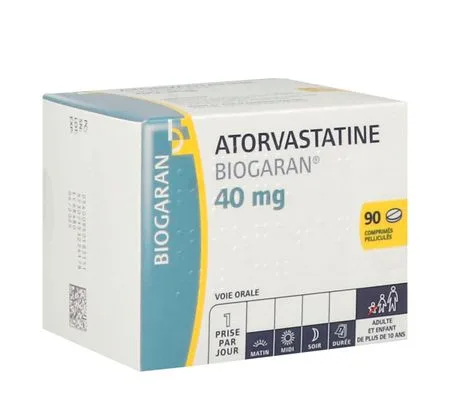
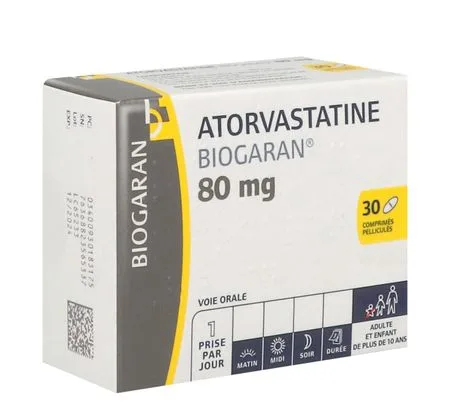
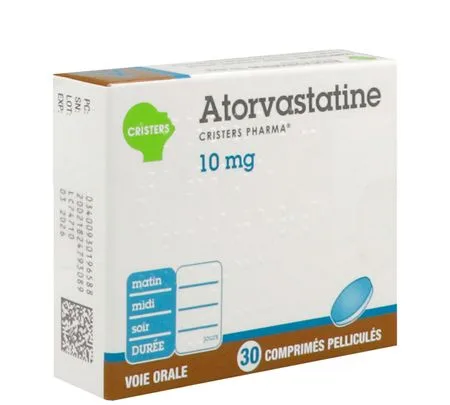
 Cristers
CIP / EAN : 3400930196588
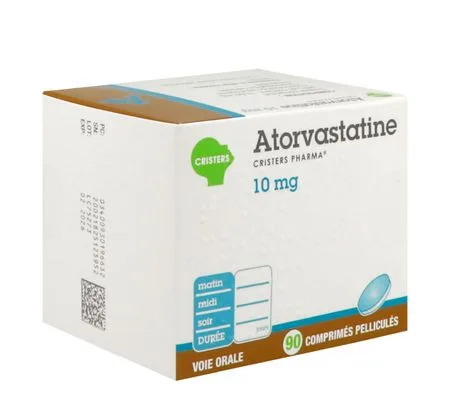 Cristers
CIP / EAN : 3400930196632
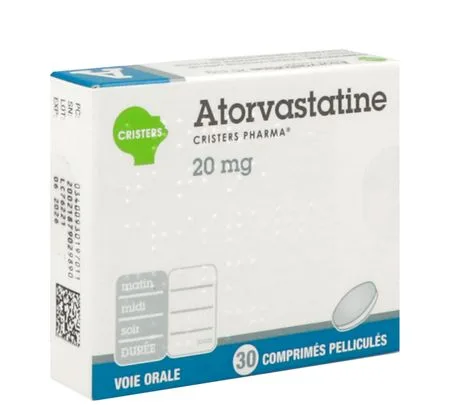 Cristers
CIP / EAN : 3400930197011
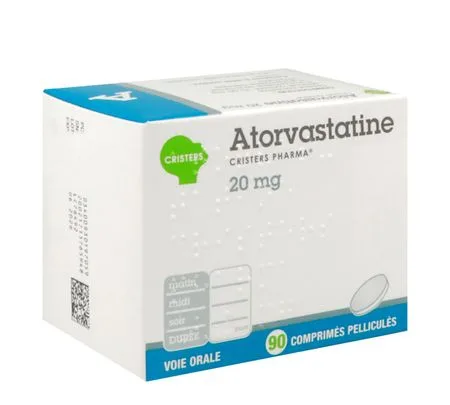 Cristers
CIP / EAN : 3400930197059
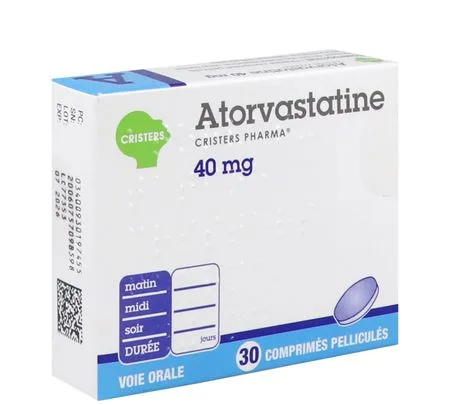 Cristers
CIP / EAN : 3400930197455
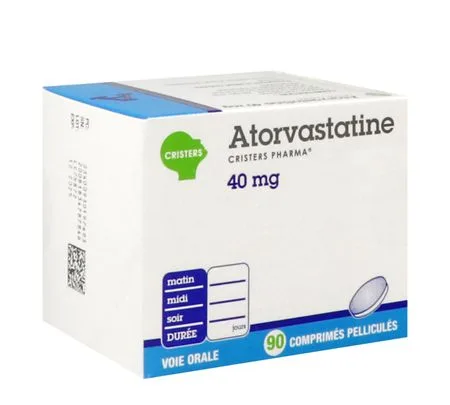 Cristers
CIP / EAN : 3400930197493
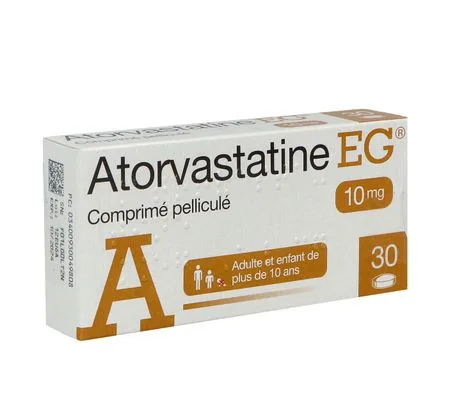
 EG Labo
CIP / EAN : 3400930049808
A lipid profile distinguishes several parameters. LDL cholesterol refers to cholesterol carried by particular lipoproteins, while triglycerides are another type of lipid. Dyslipidaemia may involve one or more of these parameters. These terms explain the field addressed by medicines but do not provide a treatment-selection rule from one result. Clinical interpretation considers a wider cardiovascular context, whereas pharmaceutical classification identifies the nature and mechanism of the individual medicine. The biological measurement and the medicinal presentation consequently supply different, complementary information.
Statins act on a stage of cholesterol synthesis. Other medicines concern intestinal absorption, lipoprotein metabolism or targets such as PCSK9. Fibrates also belong to the lipid-modifying field. This diversity explains the existence of single substances and fixed combinations. Every active component contributes to a combination’s identity, and its classification does not remove the differences between mechanisms. Oral formulations and injectable approaches likewise retain their own pharmaceutical characteristics rather than representing visually different versions of one universally equivalent lipid-lowering presentation.
Cholesterol-related wording appears on products with very different regulatory statuses. Lipid-lowering medicines remain distinct from foods, dietary products and supplements even where their descriptions concern the same health subject. Within medicines, substance, formulation, combination ingredients and documented indication provide complementary information. This interpretation allows pharmacy teams to identify a presentation and understand its role within a cardiovascular treatment without inferring equivalence from a shared laboratory objective. It also avoids treating a nutritional claim as the description of a medicinal mechanism or an authorised pharmaceutical indication.
No. Mechanisms and relevant lipid parameters differ between families and medicines. The broad name does not replace the substance and indication description.
No. A fixed combination contains several active components. The other ingredient and its amount form part of the presentation’s identity alongside the statin.
Updated 10 November 2026
Sources and further reading
