 Arrow Génériques
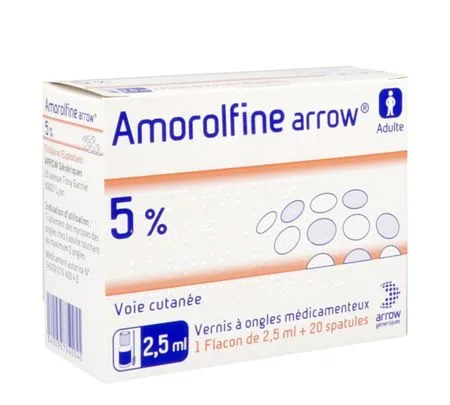
AMOROLFINE ARROW 5 % medicated nail lacquer 1 bottle/2,5ml+20 spatula
CIP / EAN : 3400927940040
Professional product catalogue
Dermatological antifungals are medicines directed against fungi responsible for infections of the skin or its appendages, including nails. This category contains different families and presentations: the term skin antifungal does not mean that every medicine in the field acts only through local application. Creams, solutions, medicated nail lacquers and selected systemic preparations have their own identity. They differ from hygiene products and from antifungal preparations developed for other anatomical sites or broader systemic infections within the wider pharmaceutical field.
120 products
Arrow GénériquesCIP / EAN : 3400927940040
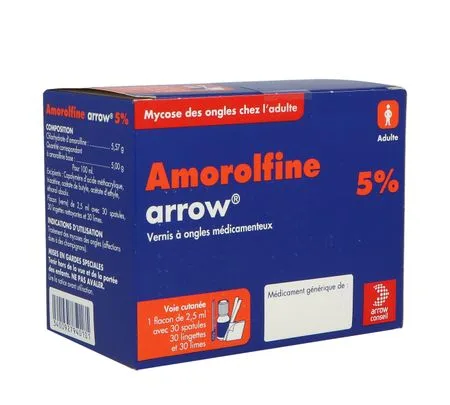 Arrow Génériques
CIP / EAN : 3400927940101
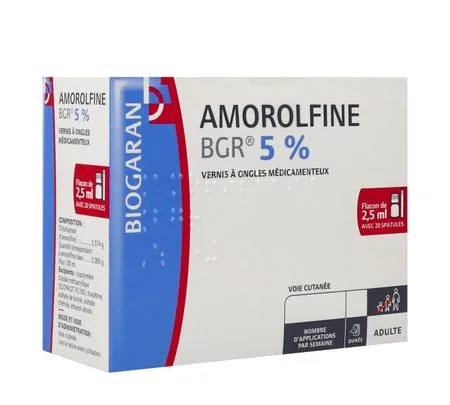
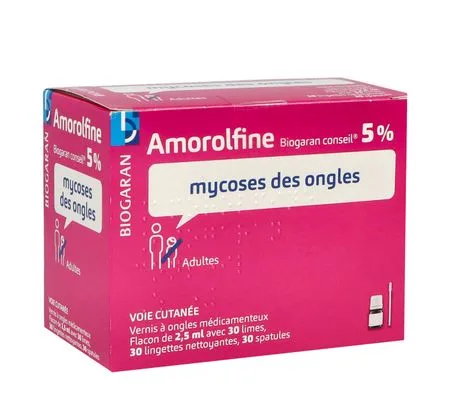
 Biogaran
CIP / EAN : 3400930007211
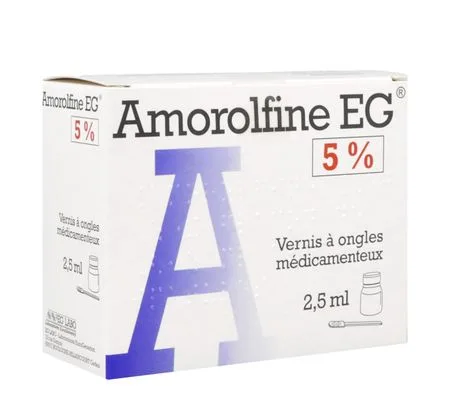
 EG Labo
CIP / EAN : 3400941665882
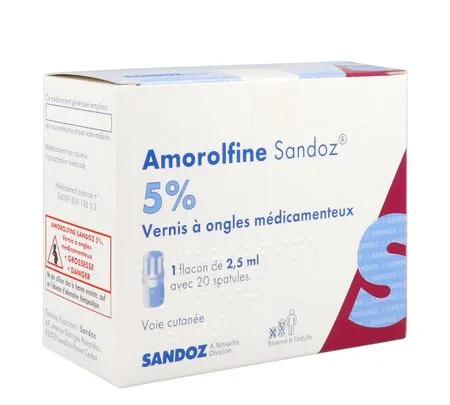
 Sandoz
CIP / EAN : 3400930013632
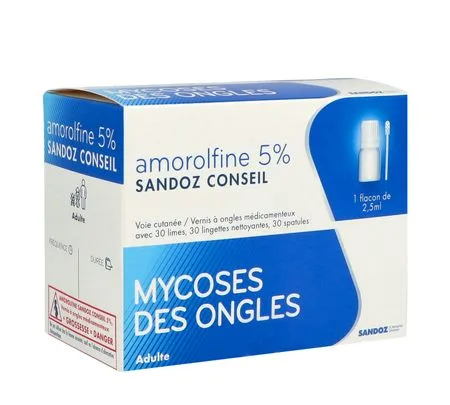 Sandoz
CIP / EAN : 3400930013588
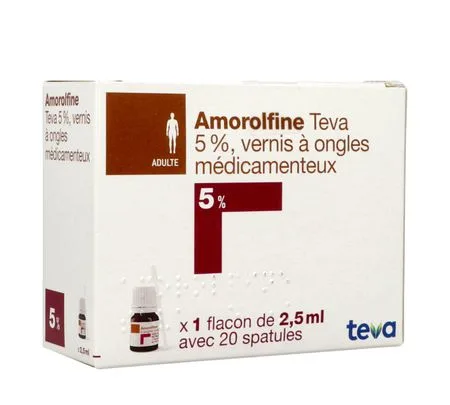
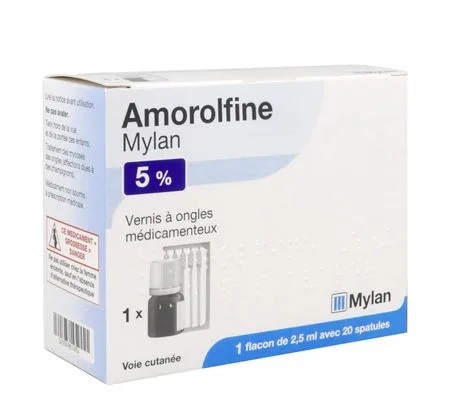
 Viatris Santé
CIP / EAN : 3400949814954
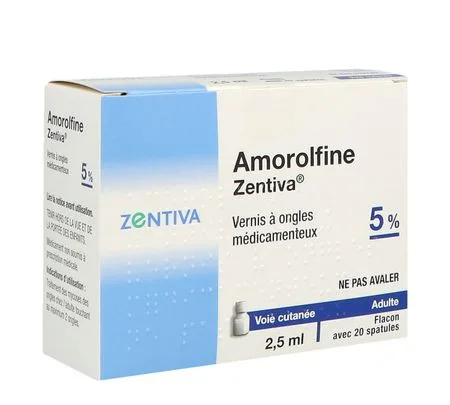
 Zentiva France
CIP / EAN : 3400930008867
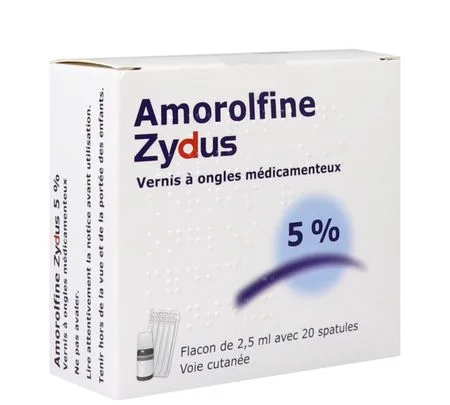
 Zydus France
CIP / EAN : 3400941666025
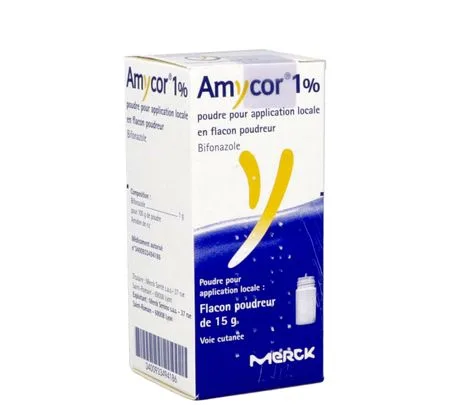
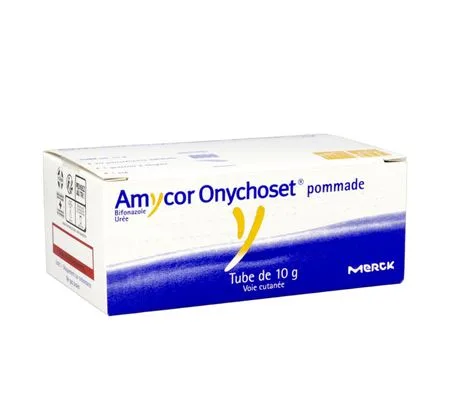
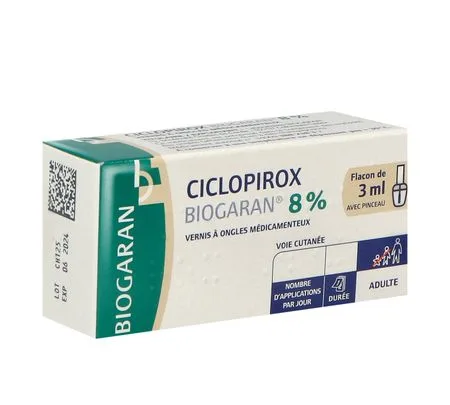
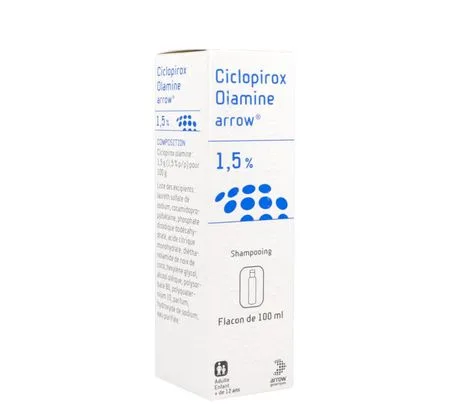
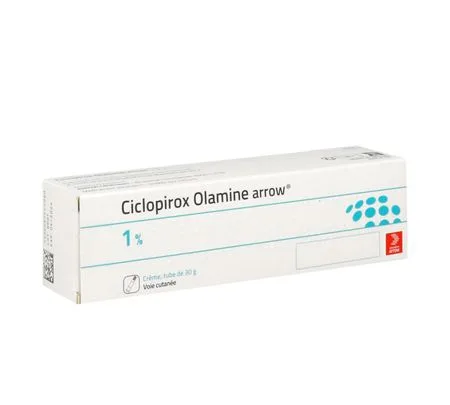
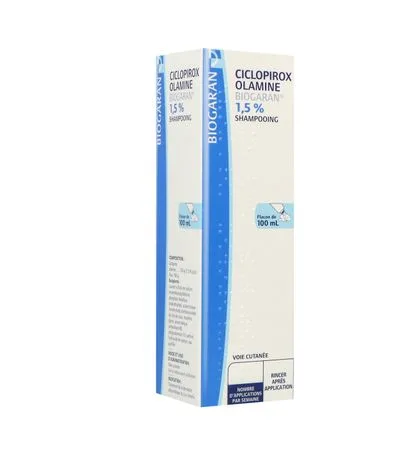
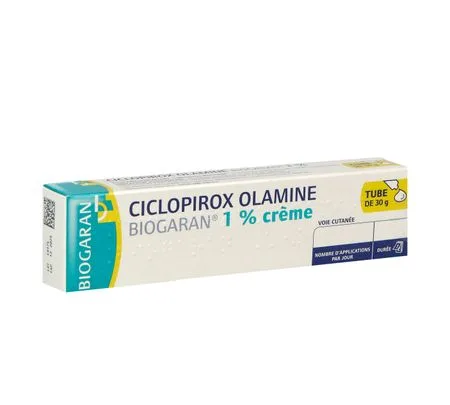
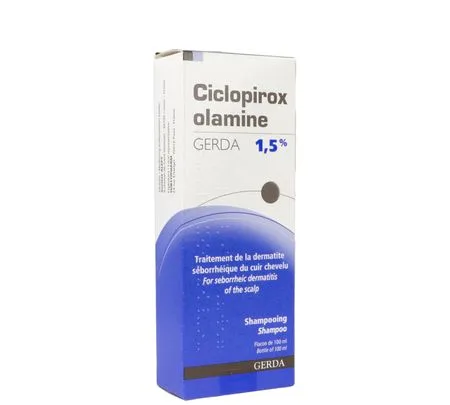
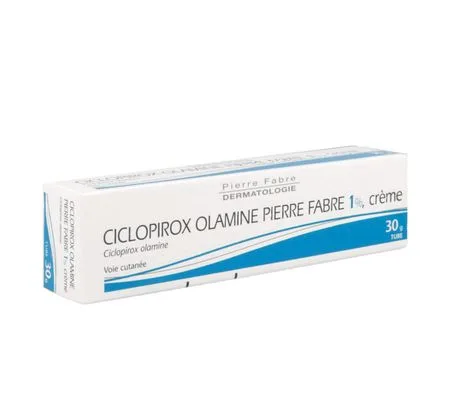
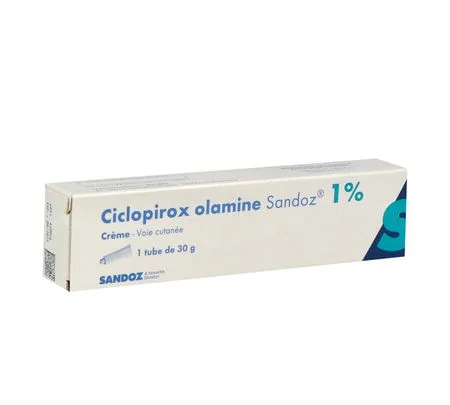
Dermatophytes and yeasts are terms associated with cutaneous fungal infections, not names for a single microorganism. Skin surfaces, folds, nails and the scalp represent different sites. A nail disorder is therefore not simply a skin infection described using another word. These distinctions help explain the variety of dosage forms and authorised indication information. A symptom name or redness alone cannot establish a fungal cause, and a product intended for skin care does not automatically become an antifungal medicine because of that destination.
The ATC index distinguishes dermatological antifungals from general systemic antimycotics and gynaecological preparations. Dermatology itself includes both local and systemic agents. Azole derivatives and allylamines illustrate different chemical families. A substance can also appear in more than one setting depending on its presentation. Cutaneous, nail or mucosal use should consequently not be inferred from the molecule name alone; route and the medicine's authorised indications provide the relevant context. A common family relationship does not establish identical sites of use for every preparation.
A cream is a semisolid formulation, a solution is liquid, and a medicated nail lacquer has a documented nail-related purpose. These are not equivalent packs of one uniform product. Substance, concentration and complete formulation provide useful pharmaceutical distinctions. Powders and foot hygiene products do not all become antifungal medicines simply because they are intended for feet. In professional practice, separating regulatory status, application site and dosage form helps distinguish wider product families from particular medicinal products without implying that one can replace another.
No. The dermatological field also contains systemic agents with different mechanisms. Administration route belongs to the identity of each medicine and cannot be inferred from the category title.
No. Application site, form and indications are product-specific. Sharing a substance does not establish equivalence between preparations.
Updated 10 November 2026
Sources and further reading