 GlaxoSmithKline
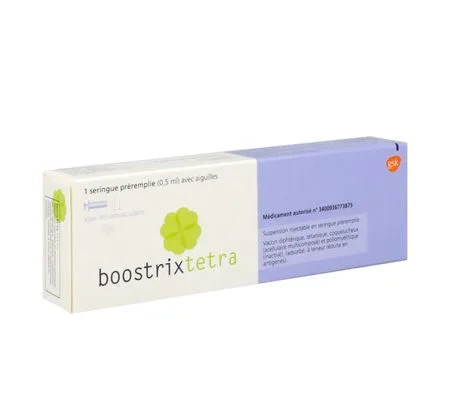
BOOSTRIXTETRA Suspension for injection in prefilled syringe Syringe+Needle
CIP / EAN : 3400936773875
Professional product catalogue
Combination vaccines bring several vaccine components together in one preparation. They differ from co-administration, which involves separate vaccines used during the same session. Combinations can concern different viral or bacterial agents according to the product. Understanding complete composition and each valency supports precise identification. Component count alone does not establish equivalence between two combinations or define their indications, presentations or place in an immunisation schedule. Antigen identity and the complete documented preparation provide more information than an acronym or a number in a product description.
12 products
GlaxoSmithKlineCIP / EAN : 3400936773875
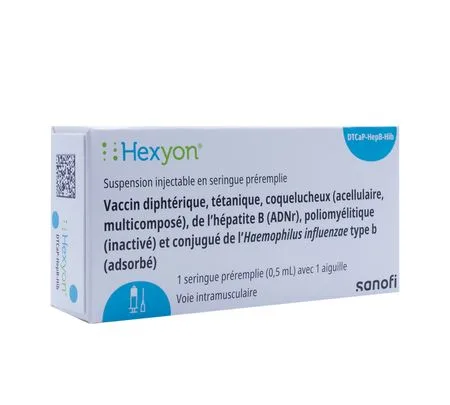
 Sanofi Winthrop Industrie
CIP / EAN : 3400927350078
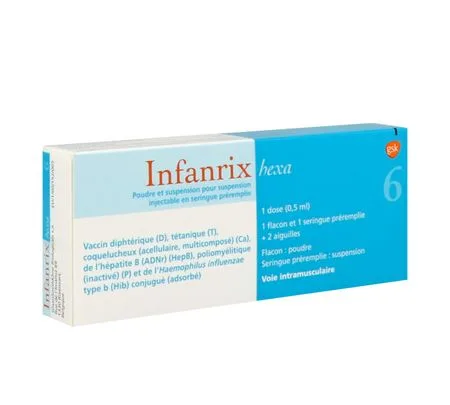 GlaxoSmithKline
CIP / EAN : 3400935495839
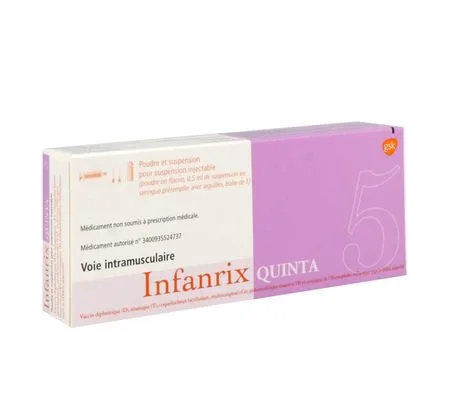 GlaxoSmithKline
CIP / EAN : 3400935524737
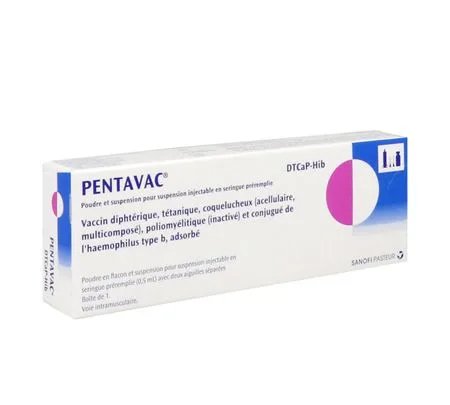 Sanofi Winthrop Industrie
CIP / EAN : 3400936874343
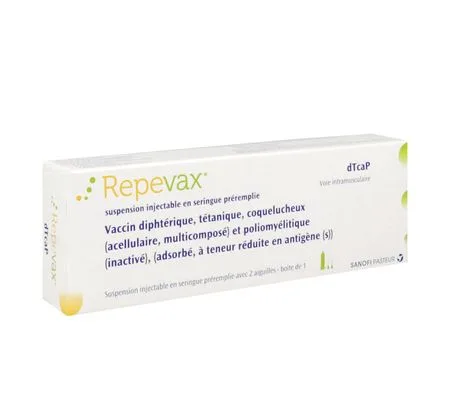 Sanofi Winthrop Industrie
CIP / EAN : 3400936873971
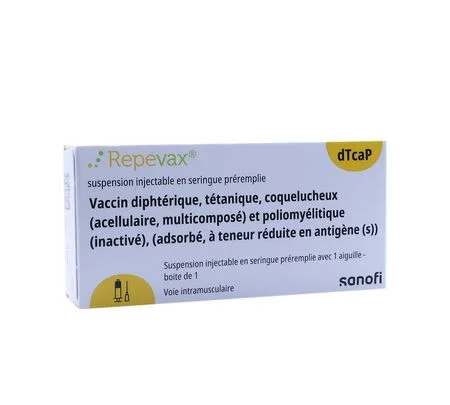 Sanofi Winthrop Industrie
CIP / EAN : 3400936873742
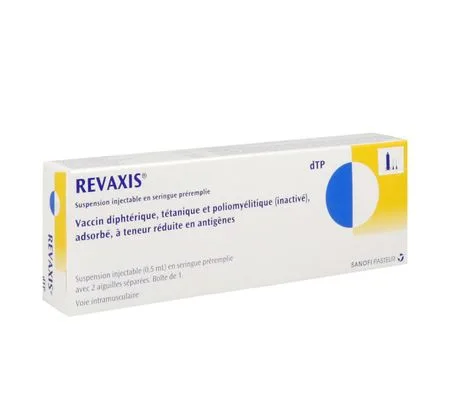
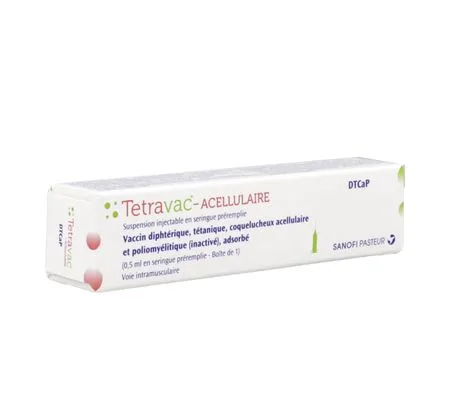 Sanofi Winthrop Industrie
CIP / EAN : 3400934822353
 MSD France
CIP / EAN : 3400930079782
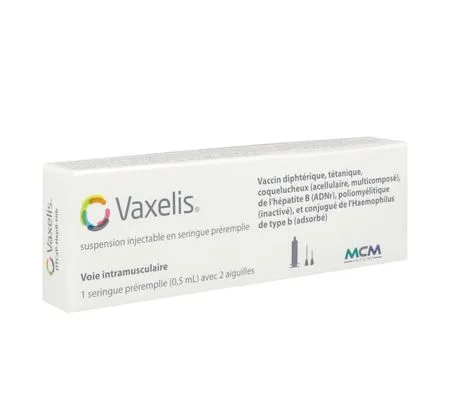 MSD France
CIP / EAN : 3400930079799
A combined preparation brings together components corresponding to identified vaccine targets. A combination against several diseases should not be described solely through an acronym or number. Antigens, their nature and formulation characteristics provide fuller information. Some combinations are exclusively viral, while others include bacterial and viral components. These examples explain composition principles without assuming that every possible combination exists or is present in the catalogue. The particular medicine's documents define its complete formula rather than a general rule derived from membership of the wider combination category.
Conjugate describes a property of selected antigens, notably a polysaccharide linked to a carrier protein. It is not synonymous with combination. Likewise, a preparation targeting several serotypes of one agent cannot be reduced to a combination against the same number of different diseases. Multivalent and polyvalent terminology must be understood in the context of composition. This precision avoids comparing two vaccines using valency count alone or presenting one additional valency as a universal hierarchy between products with different targets, formulations or documented purposes.
Co-administration preserves separate presentations; it does not turn several medicinal products into a combination vaccine. Conversely, a multicomponent preparation remains one documented product with its own presentation and characteristics. Vials, prefilled syringes and powders with solvent describe states or formats rather than the list of diseases targeted. Units and components required for preparation must be distinguished from antigenic valencies. Official information defines product-specific modalities without supporting a general rule for every combination or an improvised reconstitution involving separate medicinal products merely because their components appear related.
No. That is co-administration of distinct products. A combination vaccine contains components within a defined pharmaceutical preparation.
No. Antigen nature, target agents, formulation and indications remain essential. A number alone does not describe the complete composition.
Updated 10 November 2026
Sources and further reading