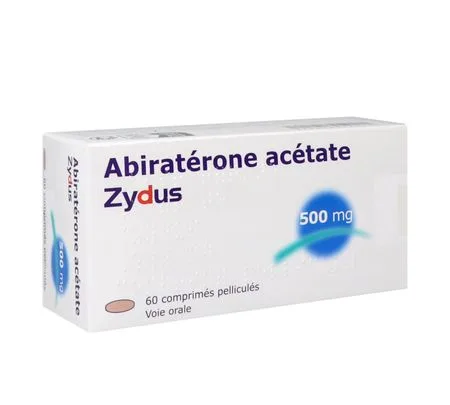
ABIRATERONE ACETATE ZYDUS 500 mg Film-Coated Tablet Blister/60
Prices and discounts are reserved for client pharmacies.
Professional product catalogue
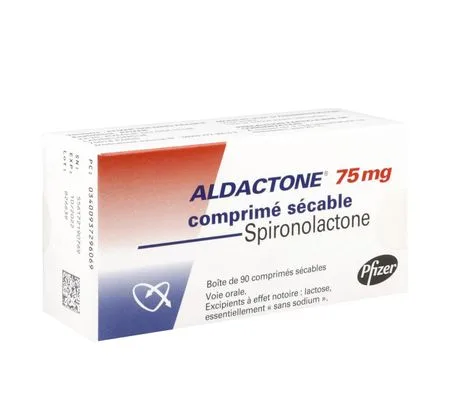
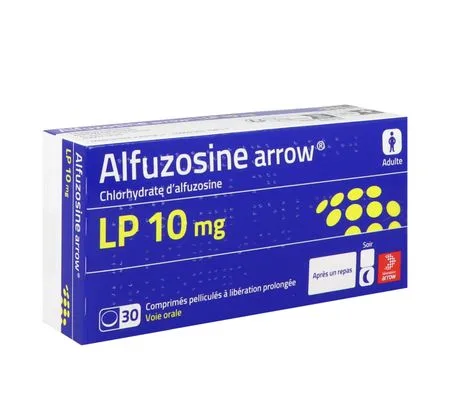
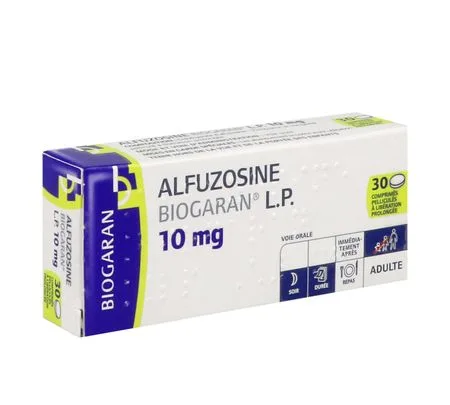
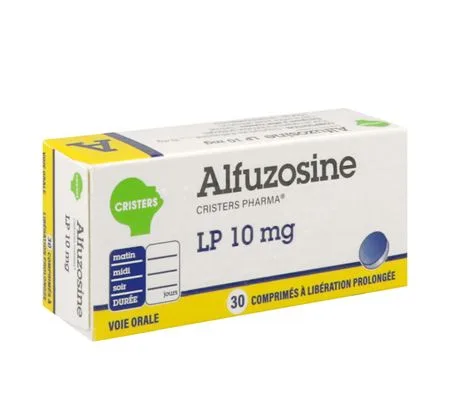
Urological treatments include medicines associated with urinary function, benign prostatic enlargement and other fields such as erectile function. Their mechanisms differ, involving muscle-related receptors, hormone conversion or particular signalling pathways. A urinary complaint therefore does not identify one medicine class. This category explains urological families and their forms, distinguishing them from antibiotics used for urinary infections and from care devices. A common anatomical system provides context without establishing a shared target, indication or pharmaceutical identity for every product associated with it.
870 products
Prices and discounts are reserved for client pharmacies.

Prices and discounts are reserved for client pharmacies.

Prices and discounts are reserved for client pharmacies.
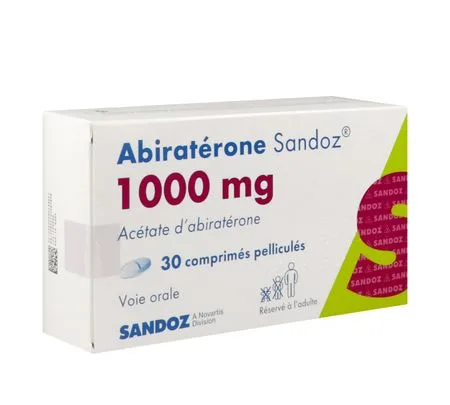

Prices and discounts are reserved for client pharmacies.
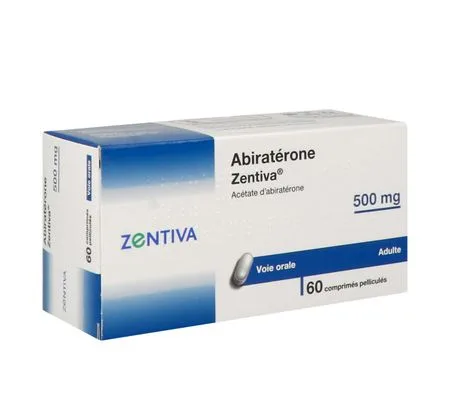

Prices and discounts are reserved for client pharmacies.
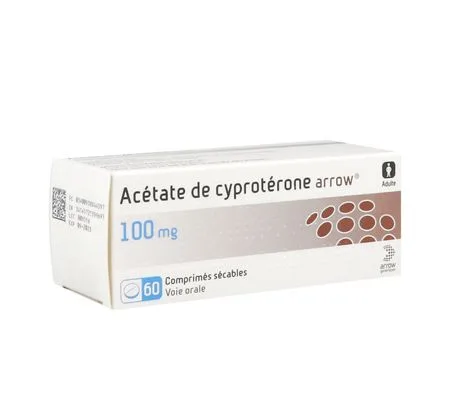

Prices and discounts are reserved for client pharmacies.
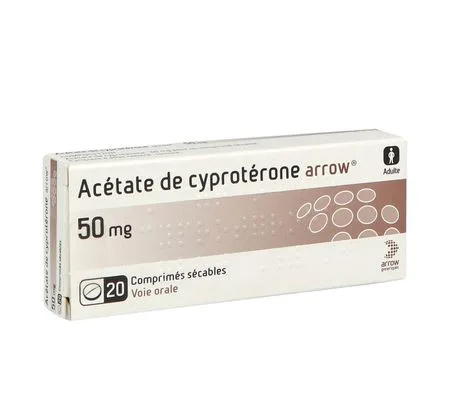
Prices and discounts are reserved for client pharmacies.

Prices and discounts are reserved for client pharmacies.
Prices and discounts are reserved for client pharmacies.
Prices and discounts are reserved for client pharmacies.
Prices and discounts are reserved for client pharmacies.

Prices and discounts are reserved for client pharmacies.

Prices and discounts are reserved for client pharmacies.

Prices and discounts are reserved for client pharmacies.
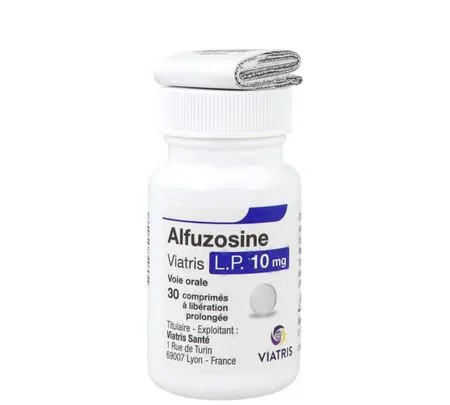
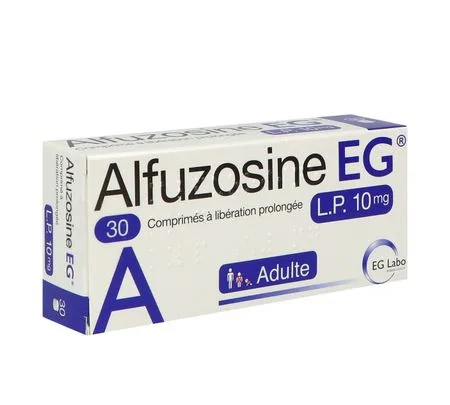
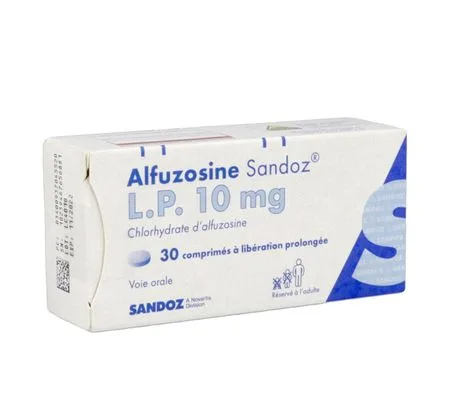
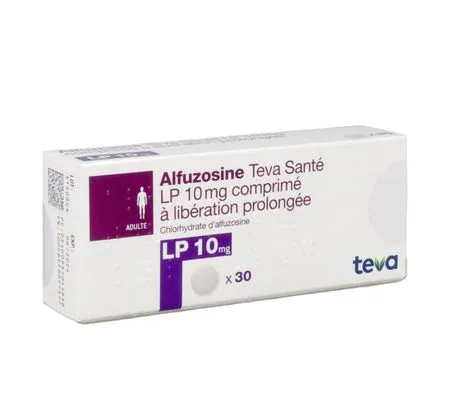
Alpha blockers act at receptors involved in muscular tone in the relevant pathways. Five-alpha-reductase inhibitors affect conversion of testosterone into dihydrotestosterone; they are not another name for alpha blockers. Selected medicines combine these mechanisms in a fixed presentation. Benign prostatic enlargement provides a particular setting that must not be confused with every prostate disorder. The anatomical field alone does not attribute the same indications to all substances. Understanding the different target helps explain why medicines can appear together in a prostate-related field without having one uniform mechanism.
Overactive bladder medicines include antimuscarinic agents and beta-3 receptor agonists. They involve different pathways regulating bladder muscle. Urgency, urinary frequency and leakage describe distinct manifestations; not every type of incontinence has the same mechanism. Action on bladder function is not antibacterial action. Antibiotics for a urinary infection retain their anti-infective family even when the organ involved belongs to the same system. This separation makes medicine functions clearer and avoids interpreting every urinary symptom as one indication or every urological reference as an infection treatment.
The urological field also includes medicines associated with erectile function, with specific mechanisms and forms. Oral preparations and other documented routes cannot be reduced to comparable quantities across substances. Modified-release descriptions likewise identify an important formulation property in selected medicines. For combinations, every component contributes to complete identity. Catheters and other urological devices, as well as supplements in the wider urinary-care environment, remain separate from these medicinal families. Sharing a destination does not determine regulatory status or pharmacological function, and similar packaging descriptions do not establish equivalence between routes or preparations.
No. They address different mechanisms. Combining them in one medicine does not remove the identity or distinct role of each component.
No. Their target is infectious. A urinary site does not make them medicines acting on bladder receptors or muscular regulation.
Updated 10 November 2026
Sources and further reading