
Professional product catalogue
Thyroid medicines
Thyroid medicines have several different roles: supplying a hormone, reducing excessive hormone production or addressing a particular thyroid-related context. Hypothyroidism and hyperthyroidism describe distinct situations rather than two strengths of one treatment. This professional category presents thyroid and antithyroid preparations, with attention to substances, quantity units and formulations used in pharmaceutical documentation. It helps pharmacy teams distinguish the therapeutic purpose of a preparation from the broader language of thyroid function, laboratory monitoring or hormone-related symptoms.
Products in this category
78 products



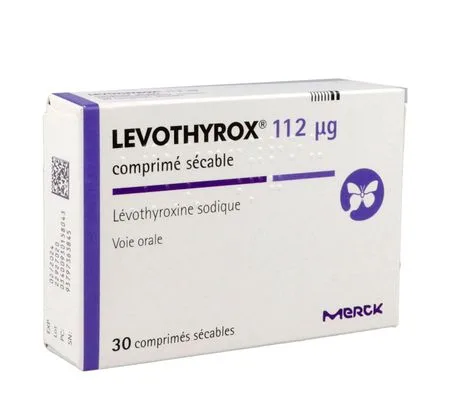
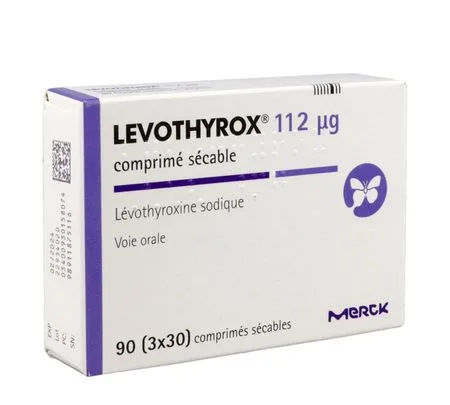
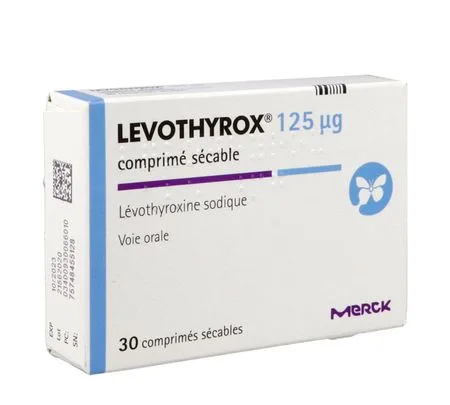
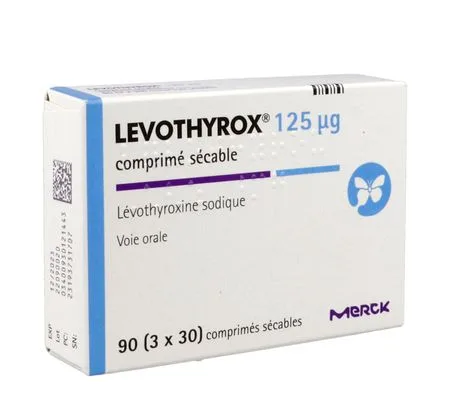
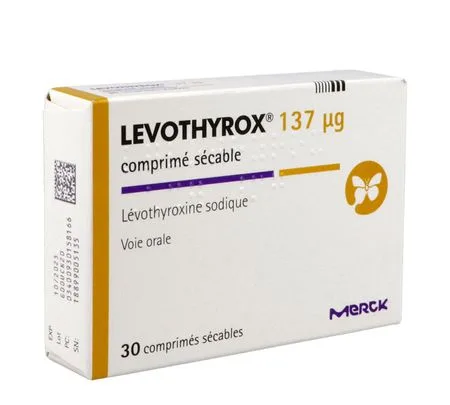
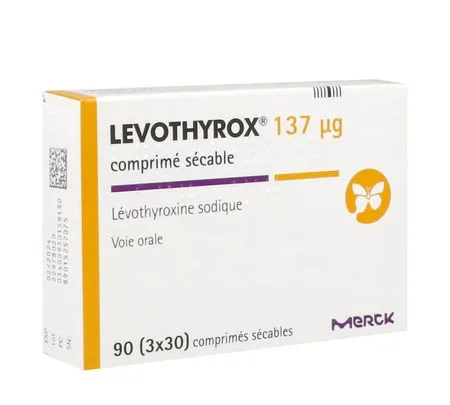
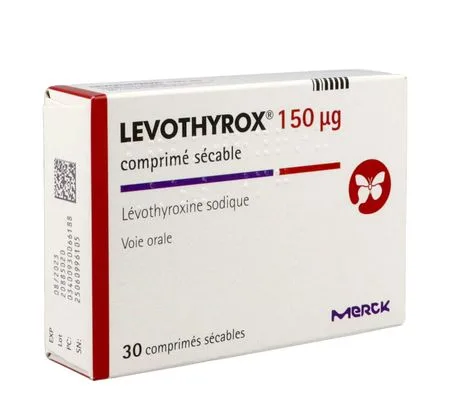
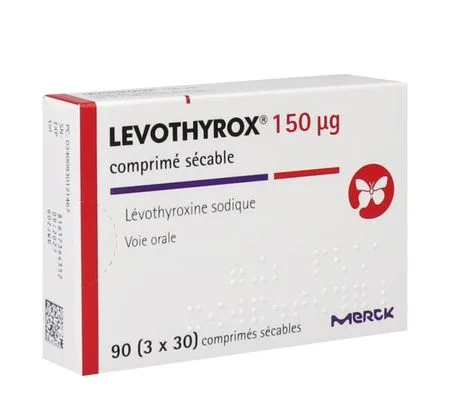
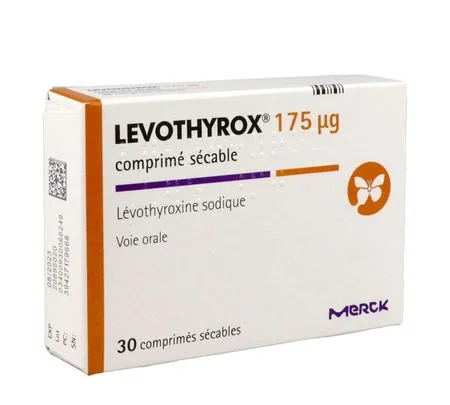
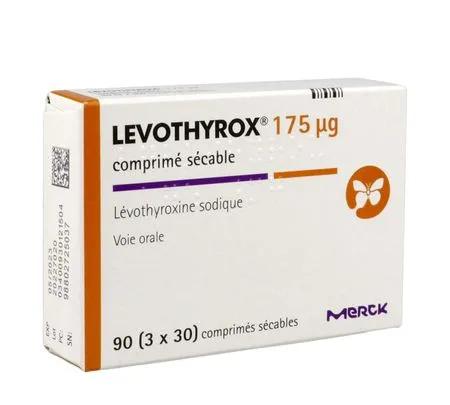
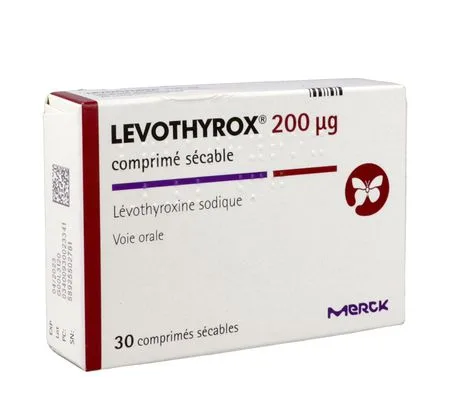
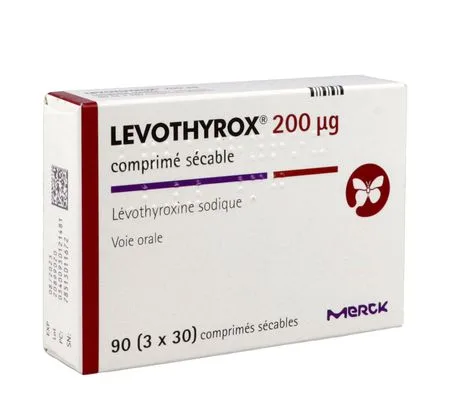
Understanding thyroid medicines
Thyroid hormones and replacement
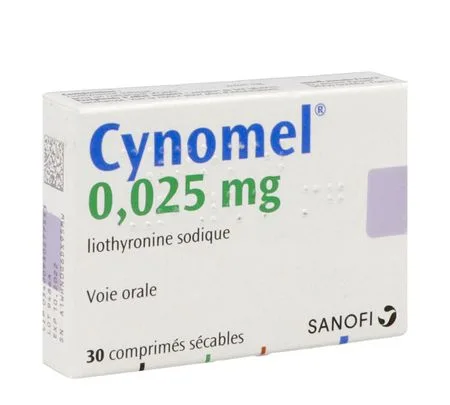
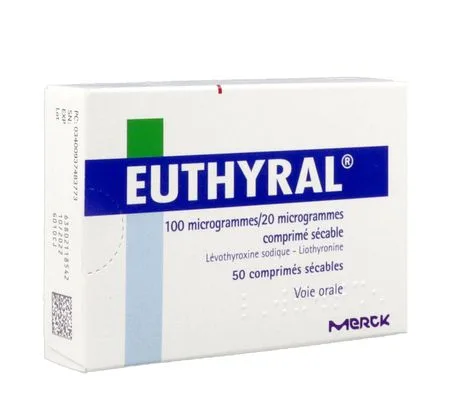
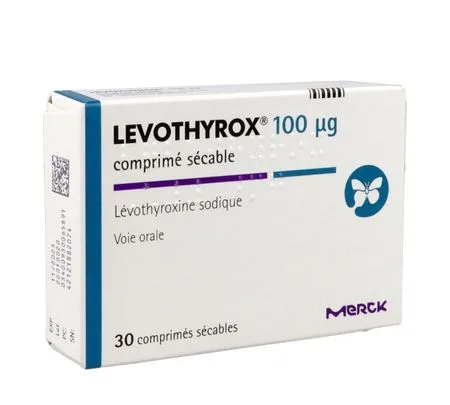
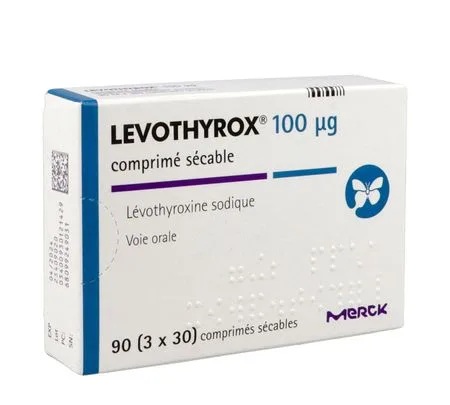
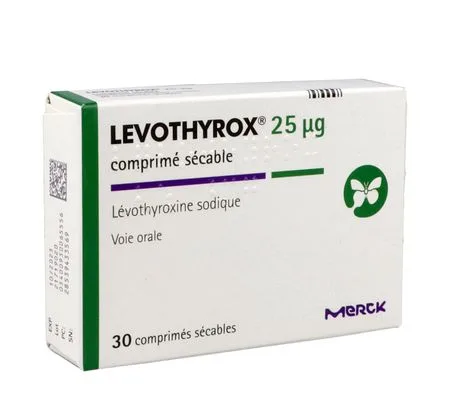
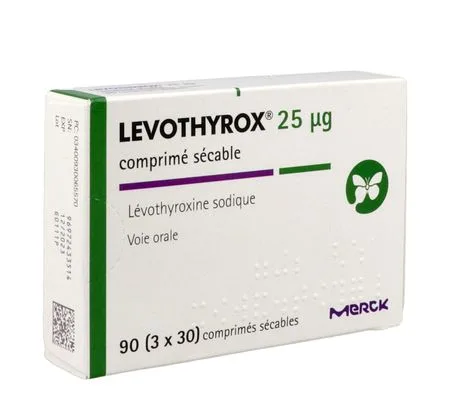
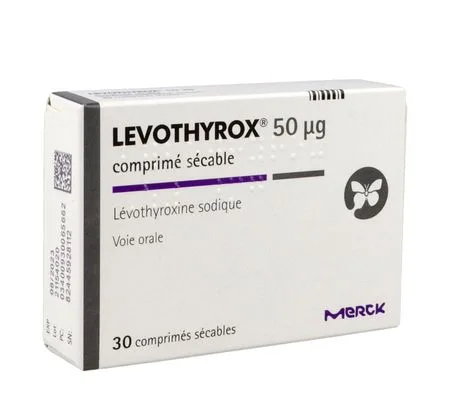
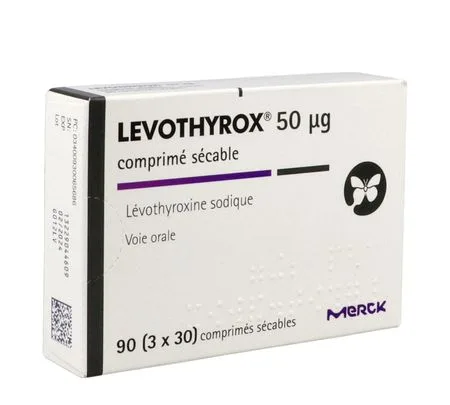
The thyroid contributes hormones involved in the functioning of many tissues. Replacement preparations supply a hormone or analogue for their authorised situations. Levothyroxine corresponds to thyroxine, also known as T4. The substance name, quantitative expression and formulation define the medicine. A class-based explanation retains these features and avoids confusing replacement with a medicine intended to reduce hormone production. Shared reference to the thyroid gland therefore does not establish a shared pharmacological action, clinical purpose or pharmaceutical presentation between products.
Antithyroid medicines and other approaches
Synthetic antithyroid medicines belong to another family used in certain hyperthyroidism settings. Their pharmacological action differs from supplying hormones. Thyroid care may also involve non-medicinal approaches or specialised modalities that are not equivalent to an oral medicinal presentation. T4 and T3 describe different hormones, while monitoring parameters, including TSH, provide other biological information rather than medicine or formulation names. Describing a class consequently does not select a treatment pathway or establish a monitoring schedule for an individual person.
Units and formulations in pharmacy practice
Quantity units are an essential reference, especially where a substance is expressed in micrograms. They remain linked to the presentation and are not merely typographic variations. Tablets, capsules and liquid forms can also differ in formulation and excipients. In a professional setting, these characteristics explain the importance of the complete name and the product actually prescribed. A liquid and a solid unit remain distinct preparations whose properties cannot be inferred solely from the hormone name or an association with the same thyroid-related setting.
Frequently asked questions
Do replacement and antithyroid medicines have the same role?
No. One supplies hormone; the other addresses excessive production in certain situations. A shared relationship with the thyroid does not make them equivalent.
Why do the quantity units matter?
They express the amount of substance in the presentation. Micrograms and milligrams must remain distinct when identifying a medicine professionally.
Updated 10 November 2026
Sources and further reading