

Medicines
SmPC of 28/03/2024
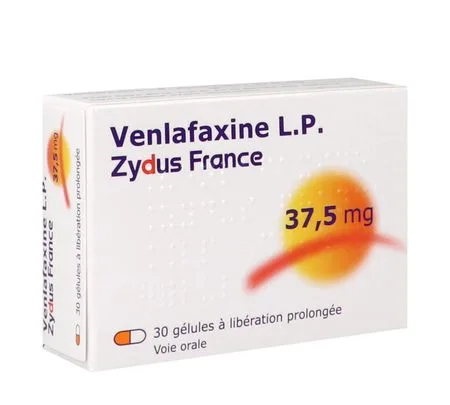
VENLAFAXINE ZYDUS FRANCE LP 37,5 mg, prolonged-release capsule
Composition
Venlafaxine hydrochloride..................................................................................................................42,43 mg
Quantity corresponding to venlafaxine....................................................................................................37,5 mg
For a prolonged-release capsule
Excipient with known effect: sucrose.
Sugar spheres (710 microns), hydroxypropylcellulose (HPC-LM), hydroxypropylmethylcellulose (6 cps), talc, hydroxypropylmethylcellulose (E-15), E-7-19030 release agent (ethylcellulose 20 CP, dibutyl sebacate, oleic acid, anhydrous colloidal silica).
Capsule shell : sodium lauryl sulfate, Ponceau 4R (E124), quinoline yellow (E104), titanium dioxide (E171), gelatin.
Indications
• Treatment of major depressive episodes.
• For the prevention of recurrence of major depressive episodes.
• Treatment of generalised anxiety disorder.
• Treatment of social anxiety disorder (social phobia).
• Treatment of panic disorder, with or without agoraphobia.
Dosage and administration
Dosage
Major depressive episodes
The recommended initial dose of prolonged-release venlafaxine is 75 mg as a single daily intake. Patients not responding to the initial dose of 75 mg/day may benefit from a dose increase up to a maximum dose of 375 mg/day. Dose increases may be made in steps of 2 weeks or more. If clinically justified by the severity of symptoms, the dose may be increased at shorter intervals, while respecting a minimum of 4 days.
Due to the risk of dose-dependent undesirable effects, the dose should only be increased after clinical evaluation (see section Warnings and precautions). The minimum effective dose should be maintained.
Patients should be treated for a sufficient duration, generally of several months or more. Treatment should be regularly re-evaluated on a case-by-case basis. Longer-term treatment may also be justified for the prevention of relapse of major depressive episodes (MDE). In most cases, the dose recommended for the prevention of MDE relapse is the same as that used during the current episode.
Antidepressant treatment should be continued for at least 6 months after remission.
Generalised anxiety disorder
The recommended initial dose of prolonged-release venlafaxine is 75 mg as a single daily intake. Patients not responding to the initial dose of 75 mg/day may benefit from a dose increase up to a maximum dose of 225 mg/day. Dose increases may be made in steps of 2 weeks or more.
Due to the risk of dose-dependent undesirable effects, the dose should only be increased after clinical evaluation (see section Warnings and precautions). The minimum effective dose should be maintained.
Patients should be treated for a sufficient duration, generally of several months or more. Treatment should be regularly re-evaluated on a case-by-case basis.
Social anxiety disorder (social phobia)
The recommended dosage of prolonged-release venlafaxine is 75 mg as a single daily dose.
It has not been shown that higher dosages provide additional benefit.
However, in some patients who do not respond to the initial dose of 75 mg/day, a dose increase may be considered up to a maximum dose of 225 mg/day. The dose may be increased in steps of 2 weeks or more.
Due to the risk of dose-dependent undesirable effects, the dose should only be increased after clinical evaluation (see section Warnings and precautions). The minimum effective dose should be maintained.
Patients should be treated for a sufficient duration, generally of several months or more. Treatment should be regularly re-evaluated on a case-by-case basis.
Panic disorder
It is recommended to use a dose of 37,5 mg/day of prolonged-release venlafaxine for 7 days. The dose should then be increased to 75 mg/day. Patients not responding to the dose of 75 mg/day may benefit from a dose increase up to a maximum dose of 225 mg/day. Dose increases may be made in steps of 2 weeks or more.
Due to the risk of dose-dependent undesirable effects, the dose should only be increased after clinical evaluation (see section Warnings and precautions). The minimum effective dose should be maintained.
Patients should be treated for a sufficient duration, generally of several months or more. Treatment should be regularly re-evaluated on a case-by-case basis.
Patients aged
No specific dose adjustment of venlafaxine is considered necessary on the sole criterion of the patient's age. However, caution is required when treating elderly patients (e.g., due to the risk of renal impairment, and possible age-related changes in neurotransmitter sensitivity and affinity). The minimum effective dose should always be used, and patients should be closely monitored during any dose increase.
Paediatric population
Venlafaxine is not recommended in children and adolescents.
Controlled clinical studies in children and adolescents with major depressive episode have not demonstrated the efficacy of venlafaxine and do not support its use in these patients (see sections Warnings and precautions and Adverse effects).
The efficacy and safety of venlafaxine in other indications in children and adolescents under 18 years of age have not been established.
Patients with hepatic impairment
In general, a dosage reduction of 50% should be considered in patients with mild or moderate hepatic impairment. However, due to inter-individual variability in clearance, individual dosage adjustment appears desirable.
Data on patients with severe hepatic impairment are limited. Caution is recommended and a dosage reduction of more than 50% should be considered. The potential benefit should be weighed against the risk when treating patients with severe hepatic impairment.
Patients with renal impairment
Although no dosage adjustment is necessary in patients with a glomerular filtration rate (GFR) between 30 and 70 ml/minute, caution is advised. In haemodialysed patients and in patients with severe renal impairment (GFR < 30 ml/min), the dosage should be reduced by 50%. Due to inter-individual variability in clearance in these patients, it is desirable to adjust the dosage on a case-by-case basis.
Withdrawal symptoms observed on discontinuation of venlafaxine
Abrupt discontinuation of treatment should be avoided. When discontinuing venlafaxine treatment, the dosage should be gradually reduced over a period of at least one to two weeks in order to reduce the risk of withdrawal reactions (see sections Warnings and precautions and Adverse effects). However, the time needed for the gradual reduction as well as the amount of the reduced dose may depend on the dose, the duration of treatment and the individual characteristics of the patient. In some patients, discontinuation of treatment may need to be carried out very gradually over periods of several months or more.
If symptoms that are poorly tolerated occur after a dose reduction or on discontinuation of treatment, a return to the previously prescribed dose may be considered. Subsequently, the physician may resume the dose reduction, but at a more gradual pace.
Method of administration
Oral use
It is recommended to take extended-release venlafaxine capsules with one of the meals, if possible at a fixed time. Capsules should be swallowed with a little liquid, and must not be cut, crushed, chewed or dissolved.
Patients treated with immediate-release venlafaxine tablets may switch to prolonged-release venlafaxine capsules, at the closest equivalent total daily dose. For example, immediate-release venlafaxine tablets of 37,5 mg in two daily doses may be replaced by prolonged-release venlafaxine capsules of 75 mg in a single daily dose. Individual dose adjustments may be necessary.
Contraindications
Hypersensitivity to the active substance or to any of the excipients listed in section Composition.
Combination with treatment by irreversible monoamine oxidase inhibitors (MAOIs) is contraindicated due to the risk of serotonin syndrome, manifesting in particular as agitation, tremor and hyperthermia. Venlafaxine must not be started within 14 days of stopping treatment with an irreversible MAOI.
Venlafaxine must be discontinued at least 7 days before starting treatment with an irreversible MAOI (see sections Warnings and precautions and Interactions).
Warnings and precautions
Overdose
Given its effects on the CNS and its capacity to cause clinical worsening of psychiatric disorders, as well as the risk of undesirable interactions with venlafaxine, in particular CNS depressant effects, patients should be advised to avoid alcohol consumption (section Interactions). Venlafaxine overdose has been reported mainly in association with alcohol and/or other medicinal products, including in cases with a fatal outcome (section Overdose).
In order to reduce the risk of overdose, venlafaxine prescriptions should be limited to the smallest quantity of medicinal product compatible with good patient management (see section Overdose).
Suicide/suicidal ideation or clinical worsening
Depression is associated with an increased risk of suicidal ideation, self-harm and suicide (suicide-related behaviours). This risk persists until significant remission is achieved.
As clinical improvement may not occur until several weeks of treatment, patients should be closely monitored until such improvement occurs. Clinical experience shows that suicide risk may increase at the very beginning of recovery.
Other psychiatric disorders for which venlafaxine is prescribed may also be associated with an increased risk of suicidal behaviour. In addition, these disorders may be associated with a major depressive episode. The same precautions for use as those mentioned for patients with major depressive episodes should therefore be applied to patients with other psychiatric disorders.
Patients with a history of suicide-related behaviour or those expressing significant suicidal thoughts before starting treatment are at higher risk of suicidal thoughts or suicide-related behaviour and should be closely monitored during treatment.
A meta-analysis of placebo-controlled clinical trials on antidepressant use in adults with psychiatric disorders showed an increased risk of suicidal-type behaviour in patients under 25 years of age treated with antidepressants compared with those receiving placebo.
Close monitoring of patients, and in particular of those at high risk, must accompany drug treatment, particularly at the start of treatment and during dose changes. Patients (and their families or caregivers) must be advised to monitor for the occurrence of clinical worsening, the emergence of suicidal ideas/behaviours and any abnormal change in behaviour, and to seek medical advice immediately if these symptoms occur.
Paediatric population
The use of VENLAFAXINE ZYDUS is not recommended in children and adolescents under 18 years of age. Suicidal-type behaviours (suicide attempt and suicidal ideation) and hostile-type behaviours (mainly aggressiveness, oppositional behaviour and anger) have been observed more frequently in clinical studies in children and adolescents treated with antidepressants compared with those treated with placebo. If, in cases of clinical necessity, the decision to treat is nevertheless taken, the patient should be closely monitored for the appearance of suicidal symptoms. In addition, no long-term safety data are available in children and adolescents concerning growth, maturation, and cognitive and behavioural development.
Serotonin syndrome
As with other serotonergic agents, a serotonin syndrome that may be life-threatening may occur under treatment with venlafaxine, particularly in cases of concomitant use with other substances that may affect the serotonergic neurotransmission system (in particular triptans, SSRIs, SNRIs, amphetamines, lithium, sibutramine, St John's wort [Hypericum perforatum], fentanyl and its analogues, tramadol, dextromethorphan, tapentadol, pethidine, methadone and pentazocine), with medicinal products that alter serotonin metabolism (such as MAOIs e.g.: methylene blue), with serotonin precursors (such as supplements containing tryptophan) or with antipsychotics or other dopamine antagonists (see sections Contraindications and Interactions).
Symptoms of serotonin syndrome may include changes in mental status (e.g. agitation, hallucinations, coma), dysautonomic manifestations (e.g. tachycardia, labile blood pressure, hyperthermia), neuromuscular abnormalities (e.g. hyperreflexia, incoordination) and/or gastrointestinal symptoms (e.g. nausea, vomiting, diarrhoea). In its most severe form, serotonin syndrome may resemble neuroleptic malignant syndrome (NMS), which includes hyperthermia, muscle rigidity, neurovegetative instability with possible rapid fluctuations in vital signs and alterations in mental status.
If the combination of venlafaxine with other substances that may affect serotonergic and/or dopaminergic neurotransmitter systems is clinically justified, close monitoring of the patient is advised, particularly at treatment initiation and dose increases.
Concomitant use of venlafaxine and serotonin precursors (such as tryptophan-containing supplements) is not recommended.
Angle-closure glaucoma
Mydriasis may occur during treatment with venlafaxine. Close monitoring is recommended for patients with raised intraocular pressure or a risk of acute angle-closure glaucoma.
Blood pressure
Dose-dependent increases in blood pressure have frequently been reported with venlafaxine. Since marketing, cases of severe increases in blood pressure requiring immediate treatment have been reported. The presence of raised blood pressure should be carefully sought in all patients, and any pre-existing hypertension should be controlled before starting treatment. Blood pressure should be monitored periodically, after treatment initiation and after dose increases. Caution is required in patients with underlying conditions that may be worsened by increases in blood pressure, such as heart failure.
Heart rate
Increases in heart rate may occur, particularly at high doses.
Caution is advised in patients with underlying conditions that may be aggravated by increases in heart rate.
Cardiac disease and risk of arrhythmia
Venlafaxine has not been evaluated in patients with a recent history of myocardial infarction or unstable heart disease. It should therefore be used with caution in these patients.
In post-marketing experience, cases of QTc interval prolongation, torsade de pointes (TdP), ventricular tachycardia and fatal cardiac arrhythmia have been reported with venlafaxine, particularly in cases of overdose or in patients with other risk factors for QTc interval prolongation/TdP. Risks must be weighed against expected benefits before prescribing venlafaxine to patients at high risk of severe cardiac arrhythmia or QTc interval prolongation (see section Pharmacodynamics).
Convulsions
Convulsions may occur during treatment with venlafaxine. As with all other antidepressants, venlafaxine must be started with caution in patients with a history of convulsions, and such patients must be closely monitored. If a convulsive seizure occurs, treatment must be discontinued.
Hyponatraemia
Cases of hyponatraemia and/or syndrome of inappropriate antidiuretic hormone secretion (SIADH) may be observed with venlafaxine. This effect has been reported more frequently in hypovolaemic or dehydrated patients. Elderly subjects, patients taking diuretics and hypovolaemic patients may be at higher risk of developing hyponatraemia.
Abnormal bleeding
Medicines that inhibit serotonin reuptake may impair platelet aggregation. Bleeding events related to the use of SSRIs and SNRIs can range from ecchymoses, hematomas, epistaxis and petechiae to life-threatening gastrointestinal haemorrhages. SSRIs/SNRIs, including venlafaxine, may increase the risk of postpartum haemorrhage (see sections Fertility, pregnancy and breastfeeding and Adverse effects). The risk of bleeding may be increased in patients taking venlafaxine. As with other serotonin reuptake inhibitors, venlafaxine should be used with caution in patients predisposed to bleeding, such as patients taking anticoagulants and antiplatelet agents.
Cholesterolaemia
In placebo-controlled studies, clinically significant increases in blood cholesterol were observed in 5,3% of patients treated with venlafaxine and 0,0% of patients treated with placebo for at least 3 months, respectively. Measurement of cholesterolaemia should be considered during long-term treatment.
Co-administration with weight-loss products
The safety and efficacy of venlafaxine treatment in combination with weight-loss products, including phentermine, have not been established. Concomitant administration of venlafaxine and weight-loss products is not recommended. Venlafaxine is not indicated for weight loss, either alone or in combination with other products.
Mania/hypomania
A manic/hypomanic episode may occur in a small proportion of patients with mood disorders who have received antidepressants, including venlafaxine. As with other antidepressants, venlafaxine should be used with caution in patients with a personal or family history of bipolar disorder.
Aggression
Aggression may be observed in some patients who have received antidepressants, including venlafaxine. This has been reported at treatment initiation, during dose changes and on treatment discontinuation.
As with other antidepressants, venlafaxine should be used with caution in patients with a history of aggression.
Discontinuation of treatment
Effects on discontinuation of antidepressant treatment are well known, and these effects may sometimes be prolonged and severe. Cases of suicide, suicidal ideation and aggression have been observed in patients during dose changes of venlafaxine, including on treatment discontinuation. Patients should therefore be closely monitored when the dose is reduced or on treatment discontinuation (see above section Warnings and precautions - Suicide/suicidal ideation or clinical worsening, and Aggression). Withdrawal symptoms are frequent on treatment discontinuation, particularly if discontinuation is abrupt (see section Adverse effects). In clinical trials, adverse events on discontinuation (during gradual dose reduction or after treatment interruption) were observed in approximately 31% of patients treated with venlafaxine and 17% of patients on placebo.
The risk of withdrawal syndrome may depend on several factors, including the duration of treatment and the dosage, as well as the degree of dose reduction. The reactions most frequently reported are: dizziness, sensory disturbances (including paraesthesia), sleep disturbances (including insomnia and intense dreams), agitation or anxiety, nausea and/or vomiting, tremor, headache, visual disturbances and hypertension. Generally, these symptoms are mild to moderate; however, in some patients, their intensity may be severe. They usually occur within the first few days after stopping treatment, but, in very rare cases, such symptoms have been reported in patients who inadvertently forgot a dose. Generally, these symptoms are self-limiting and usually disappear within 2 weeks, although they may persist in some patients (2-3 months or more). Therefore, when stopping treatment, it is advised to gradually reduce the doses of venlafaxine over a period of several weeks or months, according to the patient's needs (see section Dosage and administration). In some patients, discontinuation of treatment may take several months or longer.
Akathisia/psychomotor agitation
The use of venlafaxine has been associated with the occurrence of akathisia, characterised by restlessness perceived as unpleasant or distressing, and by a frequent need to move, accompanied by an inability to sit or stand still. This most often appears within the first few weeks of treatment. In patients presenting these symptoms, increasing the dose may be harmful.
Dry mouth
Dry mouth has been reported in 10% of patients treated with venlafaxine. This may increase the risk of dental caries, and patients should be informed of the importance of dental hygiene.
Saccharose
This medicine contains sucrose. Its use is not recommended in patients with fructose intolerance, glucose-galactose malabsorption syndrome or sucrase/isomaltase deficiency.
Diabetes
In diabetic patients, glycaemic control may be disrupted during treatment with an SSRI or venlafaxine. Adjustment of insulin and/or oral hypoglycaemic doses may be necessary.
Sexual dysfunction
Serotonin and noradrenaline (or norepinephrine) reuptake inhibitors (SNRIs) could cause symptoms of sexual dysfunction (see section Adverse effects). Cases of sexual dysfunction whose symptoms persisted despite discontinuation of SNRI treatment have been reported.
Drug interactions tested in the laboratory
During urine drug screening for phencyclidine (PCP) and amphetamine, false-positive results have been reported in patients taking venlafaxine. This is due to the lack of specificity of the screening tests. False-positive results may be expected for several days after discontinuation of venlafaxine treatment.
Confirmatory tests such as gas chromatography and mass spectrometry will separate venlafaxine from PCP and amphetamine.
Interactions
Monoamine oxidase inhibitors (MAOIs)
Irreversible non-selective MAOIs
Venlafaxine must not be used in combination with irreversible non-selective MAOIs. Venlafaxine must not be started within 14 days of stopping treatment with an irreversible non-selective MAOI. Venlafaxine must be stopped at least 7 days before starting treatment with an irreversible non-selective MAOI (see sections Contraindications and Warnings and precautions).
Reversible selective MAO-A inhibitor (moclobemide)
Due to the risk of serotonin syndrome, the combination of venlafaxine with a reversible and selective MAOI, such as moclobemide, is not recommended. After treatment with a reversible MAOI, venlafaxine treatment may be started after a washout period of fewer than 14 days. It is recommended to stop venlafaxine at least 7 days before starting treatment with an irreversible MAOI (see section Warnings and precautions).
Reversible non-selective MAOI (linezolid)
Linezolid (antibiotic) is a weak, reversible and non-selective MAOI and must not be given to patients treated with venlafaxine (see section Warnings and precautions).
Serious adverse reactions have been reported in patients who recently stopped an MAOI and started treatment with venlafaxine, or who recently stopped treatment with venlafaxine before starting an MAOI. These reactions included tremor, myoclonus, diaphoresis, nausea, vomiting, flushing, dizziness, and hyperthermia that may suggest neuroleptic malignant syndrome, convulsive seizures, and death.
Serotonin syndrome
As with other serotonergic agents, a serotonin syndrome, which may be life-threatening, may occur with venlafaxine treatment, particularly in case of concomitant use with other substances likely to affect serotonergic neurotransmitter systems (in particular triptans, SSRIs, SNRIs, amphetamines, lithium, sibutramine, St John's wort [Hypericum perforatum], fentanyl and its analogues, tramadol, dextromethorphan, tapentadol, pethidine, methadone and pentazocine), with medicinal products that alter serotonin metabolism (such as MAOIs e.g.: methylene blue), with serotonin precursors (such as supplements containing tryptophan) or with antipsychotics or other dopamine antagonists (see sections Contraindications and Warnings and precautions).
If the combination of venlafaxine with an SSRI, an SNRI, or a serotonin receptor agonist (triptans) is clinically justified, careful monitoring of the patient is advised, particularly at treatment initiation and dose increases. The concomitant use of venlafaxine and serotonin precursors (such as tryptophan-containing supplements) is not recommended (see section Warnings and precautions).
Substances acting on the CNS
The risk associated with the use of venlafaxine in combination with other substances acting on the CNS has not been systematically evaluated. Consequently, caution is advised when venlafaxine is taken in combination with other substances acting on the CNS.
Ethanol
Given its effects on the CNS and its capacity to cause clinical worsening of psychiatric disorders, as well as the risk of undesirable interactions with venlafaxine, including CNS depressant effects, patients should be advised to avoid alcohol consumption.
Medicinal products prolonging the QT interval
The risk of QTc interval prolongation and/or ventricular arrhythmia (e.g., TdP) is increased with concomitant use of other medicinal products that prolong the QTc interval. Concomitant administration of these medicinal products should be avoided (see section Warnings and precautions).
The corresponding classes include:
• class Ia and III antiarrhythmic medicinal products (for example quinidine, amiodarone, sotalol, dofetilide),
• certain antipsychotics (e.g., thioridazine),
• certain macrolides (e.g., erythromycin),
• certain antihistamines,
• certain antibiotics of the quinolone family (for example moxifloxacin).
The above list is not exhaustive, and other medicinal products known to significantly prolong the QT interval should be avoided.
Effect of other medicinal products on venlafaxine
Ketoconazole (inhibitor of CYP3A4)
A pharmacokinetic study with ketoconazole in slow (PM) and rapid (EM) metabolisers of CYP2D6 showed an increase in the AUC (area under the curve) of venlafaxine (by 70% and 21% respectively in PM and EM CYP2D6 patients) and of O-desmethylvenlafaxine (by 33% and 23% respectively in PM and EM CYP2D6 patients) after administration of ketoconazole. Concomitant use of CYP3A4 inhibitors (e.g. atazanavir, clarithromycin, indinavir, itraconazole, voriconazole, posaconazole, ketoconazole, nelfinavir, ritonavir, saquinavir, telithromycin) and venlafaxine may increase the concentrations of venlafaxine and O-desmethylvenlafaxine. Therefore, caution is advised if the treatment of a patient includes a combination of a CYP3A4 inhibitor and venlafaxine.
Effect of venlafaxine on other medicinal products
Lithium
Serotonin syndrome may be induced by concomitant use of venlafaxine and lithium (see paragraph "Serotonin syndrome").
Diazepam
Venlafaxine has no effect on the pharmacokinetics and pharmacodynamics of diazepam, nor on its active metabolite, desmethyldiazepam. Diazepam does not appear to affect the pharmacokinetics of venlafaxine or O-desmethylvenlafaxine. No other pharmacokinetic and/or pharmacodynamic interaction with other benzodiazepines is known.
Imipramine
Venlafaxine did not alter the pharmacokinetics of imipramine and 2-OH-imipramine. When 75 to 150 mg per day of venlafaxine was administered, a dose-dependent increase of 2,5 to 4,5 fold in the AUC of 2-OH-desipramine was observed. Imipramine did not affect the pharmacokinetics of venlafaxine and O-desmethylvenlafaxine. The clinical significance of this interaction is not known. Concomitant administration of venlafaxine and imipramine should be undertaken with caution.
Haloperidol
A pharmacokinetic study with oral haloperidol showed a reduction of
42% in total clearance, an increase of 70% in AUC, an increase of 88% in Cmax, but no change in the half-life of haloperidol. These observations should be taken into account in patients treated with a combination of haloperidol and venlafaxine. The clinical significance of this interaction is not known.
Risperidone
Venlafaxine caused an increase of 50% in the AUC of risperidone, but did not significantly affect the pharmacokinetic profile of the total active moiety (risperidone plus 9-hydroxyrisperidone). The clinical significance of this interaction is not known.
Metoprolol
Concomitant administration of venlafaxine and metoprolol to healthy volunteers in a pharmacokinetic interaction study of these two medicines revealed an increase in plasma concentrations of metoprolol of approximately 30-40%, without change in plasma concentrations of its active metabolite, alpha-hydroxymetoprolol. The clinical relevance of this observation in hypertensive patients is not known. Metoprolol did not modify the pharmacokinetic profile of venlafaxine or its active metabolite, O-desmethylvenlafaxine. Caution is recommended with concomitant administration of venlafaxine and metoprolol.
Indinavir
A pharmacokinetic study with indinavir showed a reduction of 28% in the AUC and a reduction of 36% in the Cmax for this substance. Indinavir did not affect the pharmacokinetics of venlafaxine and O-desmethylvenlafaxine. The clinical significance of this interaction is not known.
Medicinal products metabolised by Cytochrome P450 isoenzymes
Studies in vivo indicate that venlafaxine is a relatively weak inhibitor of the cytochrome CYP2D6. Venlafaxine did not inhibit CYP3A4 (alprazolam and carbamazepine), CYP1A2 (caffeine), CYP2C9 (tolbutamide) or CYP2C19 (diazepam) in the studies in vivo.
Oral contraceptives
Since marketing, unwanted pregnancies have been reported in patients receiving venlafaxine taking oral contraceptives. However, there is no clear evidence indicating that these pregnancies are the result of drug interactions with venlafaxine. No interaction study with hormonal contraceptives has been performed.
Fertility, pregnancy and breastfeeding
Pregnancy
There are no sufficiently relevant data on the use of venlafaxine in pregnant women.
Studies performed in animals have demonstrated reproductive toxicity (see section Preclinical safety). The potential clinical risk is not known. Venlafaxine should be administered to pregnant women only if the expected benefits outweigh the potential risks.
As with other serotonin reuptake inhibitors (SSRIs/SNRIs), withdrawal symptoms may occur in newborns if venlafaxine is used up to or just before birth. Some newborns exposed to venlafaxine late in the third trimester have developed complications requiring tube feeding, respiratory support or prolonged hospitalisation. These complications may arise immediately after delivery.
Data from observational studies indicate an increased risk (less than 2 times higher) of postpartum haemorrhage following exposure to SSRIs/SNRIs in the month preceding birth (see sections Warnings and precautions and Adverse effects).
Epidemiological data have suggested that use of SSRIs during pregnancy, particularly late in pregnancy, may increase the risk of persistent pulmonary hypertension of the newborn (PPHN). Although no study has investigated an association between PPHN and treatment with SNRIs, this potential risk cannot be excluded with venlafaxine, given the mechanism of action involved (inhibition of serotonin reuptake).
If the mother was treated with SSRIs/SNRIs late in pregnancy, the following symptoms may be observed in newborns: irritability, tremor, hypotonia, persistent crying, difficulty feeding or sleeping. These signs may correspond either to withdrawal symptoms or to signs of serotonergic overstimulation. In the majority of cases, these complications occur immediately or within 24 hours of delivery.
Breast-feeding
Venlafaxine and its active metabolite, O-desmethylvenlafaxine, are excreted in breast milk. Cases of breastfed infants presenting with a picture combining persistent crying, irritability and sleep disturbances have been reported since marketing. Symptoms suggestive of a venlafaxine withdrawal syndrome have also been reported after cessation of breastfeeding. A risk to the breastfed child cannot be excluded. Therefore, a decision whether to continue/stop breastfeeding or to continue/stop treatment with Venlafaxine Zydus France LP must be taken, taking into account the benefit of breastfeeding for the child and the benefit of treatment with Venlafaxine Zydus France LP for the mother.
Fertility
A decrease in fertility was observed in a study in which male and female rats were exposed to O-desmethylvenlafaxine. The relevance of these findings for humans is not known (see section Preclinical safety).
Driving and using machines
Any psychoactive medicinal product may impair judgement, thinking or motor skills. Therefore, any patient receiving venlafaxine should be advised regarding their ability to drive vehicles or operate hazardous machinery.
Adverse effects
Summary of the safety profile
During clinical studies, the adverse reactions reported as very common (> 1/10) were nausea, dry mouth, headache and hyperhidrosis (including night sweats).
Table listing the adverse reactions
The adverse reactions are listed below, by anatomical-functional class, by frequency category and in decreasing order of medical seriousness for each frequency category.
Frequencies are defined as follows: very common (≥ 1/10), common (≥ 1/100, < 1/10), uncommon (≥ 1/1000, < 1/100), rare (≥ 1/10 000, < 1/1000), very rare (< 1/10 000), not known (frequency cannot be estimated from the available data).
|
System organ class |
Very common |
Common |
Uncommon |
Rare |
Very rare |
Frequency not known |
|
Blood and lymphatic system disorders |
|
|
|
Agranulocytosis* Aplastic anaemia* Pancytopenia* Neutropenia* |
Thrombocytopenia* |
|
|
Immune system disorders |
|
|
|
Anaphylactic reaction* |
|
|
|
Endocrine disorders |
|
|
|
Inappropriate secretion of antidiuretic hormone* |
Increased prolactin level* |
|
|
Metabolism and nutrition disorders |
|
Decreased appetite |
|
Hyponatraemia* |
|
|
|
Psychiatric disorders |
Insomnia |
Confusional state* Depersonalisation* Abnormal dreams Nervousness Decreased libido Agitation* Anorgasmia |
Mania Hypomania Hallucination Derealization Orgasm disorders Bruxism* Apathy |
Delirium* |
|
Suicidal ideation and behavioura Aggressionb |
|
Nervous system disorders |
Headachec Dizziness sensations Sedation |
Akathisia* Tremors Paresthesias Dysgeusia |
Syncope Myoclonus Balance disorder* Coordination disorder* Dyskinesia* |
Neuroleptic malignant syndrome (NMS)* Serotonin syndrome* Convulsion Dystonia* |
Tardive dyskinesia* |
|
|
Eye disorders |
|
Decreased vision Accommodation disorder, including blurred vision Mydriasis |
|
Angle-closure glaucoma* |
|
|
|
Ear and labyrinth disorders |
|
Tinnitus* |
|
|
|
Vertigo |
|
Cardiac disorders |
|
Tachycardia Palpitations* |
|
Torsade de pointes* Ventricular tachycardia* Ventricular fibrillation Prolongation of the QT interval on electrocardiogram* |
|
Stress cardiomyopathy (Takotsubo cardiomyopathy)* |
|
Vascular disorders |
|
Hypertension Hot flushes |
Orthostatic hypotension Hypotension* |
|
|
|
|
Respiratory, thoracic and mediastinal disorders |
|
Dyspnoea* Yawning |
|
Interstitial lung disease* Pulmonary eosinophilia* |
|
|
|
Gastrointestinal disorders |
Nausea Dry mouth Constipation |
Diarrhea* Vomiting |
Gastrointestinal haemorrhage* |
Pancreatitis* |
|
|
|
Hepatobiliary disorders |
|
|
Abnormal liver function tests |
Hepatitis* |
|
|
|
Skin and subcutaneous tissue disorders |
Hyperhidrosis (including night sweats) |
Eruption Pruritus* |
Urticaria* Alopecia* Ecchymoses Angioedema* Photosensitivity reaction |
Stevens-Johnson syndrome* Lyell's syndrome* Erythema multiforme* |
|
|
|
Musculoskeletal and systemic disorders |
|
Hypertonia |
|
Rhabdomyolysis* |
|
|
|
Renal and urinary disorders |
|
Urinary retention delay Urinary retention Pollakiuria* |
Urinary incontinence* |
|
|
|
|
Disorders of the reproductive system and breast |
|
Menorrhagia* Metrorrhagia* Erectile dysfunctionb Ejaculation disorderb |
|
|
|
Postpartum haemorrhage*d |
|
General disorders and administration site conditions |
|
Fatigue Asthenia Chills* |
|
|
Mucosal haemorrhage* |
|
|
Investigations |
|
Weight loss Weight gain Increased cholesterol levels |
|
|
Prolonged bleeding time* |
|
* Adverse reactions identified after marketing.
a Cases of suicidal ideation and suicidal behaviour have been reported during treatment with venlafaxine or shortly after discontinuation (see section Warnings and precautions).
b See section Warnings and precautions.
c In pooled analyses of clinical studies, the incidence of headache was similar in the venlafaxine group and in the placebo group.
d This event has been reported for the therapeutic class of SSRIs/SNRIs (see sections Warnings and precautions and Fertility, pregnancy and breastfeeding).
Discontinuation of treatment
Discontinuation of venlafaxine (particularly when abrupt) usually leads to withdrawal symptoms. The most frequently observed reactions are: dizziness, sensory disturbances (including paraesthesia), sleep disorders (including insomnia and intense dreams), agitation or anxiety, nausea and/or vomiting, tremor, vertigo, headache, flu-like syndrome, visual disturbances and hypertension. Generally, these symptoms are mild to moderate and resolve spontaneously; however, in some patients they may be severe and/or prolonged. Therefore, when treatment with venlafaxine is no longer needed, it is advised to gradually reduce the dose. However, in some patients, marked aggressiveness and suicidal ideation have been observed when doses were reduced or upon discontinuation of treatment (see sections Dosage and administration and Warnings and precautions).
Population paediatric
In general, the adverse reaction profile of venlafaxine (in placebo-controlled studies) in children and adolescents (aged 6 to 17 years) was similar to that observed in adults. As in adults, loss of appetite, weight loss, increased blood pressure, and increased blood cholesterol have been observed (see section Warnings and precautions).
Suicidal ideation-type adverse reactions have been observed in paediatric clinical studies. An increase in cases of hostility and, mainly in major depressive disorder, self-aggression has also been reported.
In particular, the following adverse reactions have been observed in paediatric patients: abdominal pain, agitation, dyspepsia, ecchymoses, epistaxis and myalgia.
Reporting of adverse effects suspected adverse reactions
Reporting suspected adverse reactions after authorisation of the medicinal product is important. It allows continued monitoring of the benefit/risk balance of the medicinal product. Healthcare professionals are asked to report any suspected adverse reaction via the national reporting system: National Agency for the Safety of Medicines and Health Products (ANSM) and the network of Regional Centres of Pharmacovigilance - Website: https://signalement.social-sante.gouv.fr/
Overdose
Since the drug was marketed, venlafaxine overdose has been reported mainly in association with alcohol and/or other medicinal products, particularly in cases with a fatal outcome.
The events most frequently reported during overdose include tachycardia, changes in level of consciousness (ranging from somnolence to coma), mydriasis, convulsions and vomiting. Other events reported include electrocardiographic changes (e.g., QT interval prolongation, bundle branch block, QRS prolongation (see section Pharmacodynamics)), ventricular tachycardia, bradycardia, hypotension, hypoglycaemia, dizziness and death. In adults, signs of severe poisoning may occur after ingestion of a venlafaxine dose of approximately 3 grams.
Published retrospective studies report that a venlafaxine overdose may be associated with an increased risk of death compared with that observed with SSRI-type antidepressants, but lower than that observed with tricyclic antidepressants. Epidemiological studies have shown that in patients treated with venlafaxine, the weight of suicide risk factors is greater than in patients treated with SSRIs. Regarding the increased risk of death observed, the share of responsibility of venlafaxine toxicity in case of overdose, relative to certain characteristics of patients treated with venlafaxine, is not clearly established.
Recommended management
Severe poisoning may require complex emergency management and appropriate monitoring. Therefore, in case of suspected overdose involving venlafaxine, it is recommended to contact a poison control centre or a toxicologist promptly.
General measures to maintain vital functions and symptomatic treatment are recommended; heart rate and vital signs should be monitored. In case of risk of inhalation, induction of vomiting is not recommended. Gastric lavage may be indicated if it is performed shortly after ingestion or in symptomatic patients. Administration of activated charcoal may also limit absorption of the active substance. Forced diuresis, dialysis, haemoperfusion and exchange transfusion are unlikely to be of benefit. There are no known specific antidotes for venlafaxine.
Pharmacodynamics
Pharmacotherapeutic class: Other Antidepressants, ATC code: NO6A X16
Mechanism of action
The mechanism of the antidepressant action of venlafaxine in humans appears to be associated with potentiation of neurotransmitter activity in the central nervous system. Preclinical studies have shown that venlafaxine and its main metabolite, O-desmethylvenlafaxine (ODV), are inhibitors of serotonin and norepinephrine reuptake. Venlafaxine is also a weak inhibitor of dopamine reuptake. Venlafaxine and its active metabolite reduce ß-adrenergic sensitivity after acute (single dose) and chronic administration. Regarding the overall action on neurotransmitter reuptake and receptor binding, venlafaxine and ODV are very similar.
In vitro, venlafaxine has virtually no affinity for muscarinic, cholinergic, histaminergic H1 or α1-adrenergic receptors in the rat brain. Pharmacological activity at these receptors may be related to the various adverse effects, such as anticholinergic, sedative and cardiovascular effects, observed with other antidepressants.
Venlafaxine does not possess monoamine oxidase (MAO) inhibitory activity.
Studies in vitro revealed that venlafaxine has no affinity for opiate or benzodiazepine receptors.
Clinical efficacy and safety
Major depressive episodes
The efficacy of immediate-release venlafaxine in the treatment of major depressive episodes has been demonstrated in five short-term, randomised, double-blind, placebo-controlled studies of 4 to 6 weeks, at doses up to 375 mg/day. The efficacy of prolonged-release venlafaxine in the treatment of major depressive episodes has been established in two short-term, placebo-controlled studies of 8 to 12 weeks, at doses ranging from 75 to 225 mg/day.
In a longer-term study, outpatient adult patients who responded to an open-label treatment of 8 weeks with prolonged-release venlafaxine (75, 150, or 225 mg) were randomised either to continue treatment at the same dose of prolonged-release venlafaxine or to receive placebo, for an observation period for relapse of up to 26 weeks.
In a second longer-term study, the efficacy of venlafaxine in preventing recurrence of depressive episodes was demonstrated over a period of 12 months in a double-blind, placebo-controlled study in outpatient adult patients with recurrent major depressive episodes who had responded to treatment with venlafaxine (100 to 200 mg/day, in two divided doses) during their last depressive episode.
Generalised anxiety disorder
The efficacy of venlafaxine prolonged-release capsules in the treatment of generalised anxiety disorder (GAD) has been established in two placebo-controlled studies of 8 weeks at fixed dose (75 to 225 mg/day), in one placebo-controlled study of 6 months at fixed dose (75 to 225 mg/day), and in one placebo-controlled study of 6 months at variable dose (37,5, 75 and 150 mg/day), in adult outpatients.
Despite evidence of the superiority of a dose of 37,5 mg/day over placebo, this dose was not consistently as effective as higher doses.
Social anxiety disorder (social phobia)
The efficacy of venlafaxine prolonged-release capsules in the treatment of social phobia has been established in four double-blind, parallel-group, multicentre, placebo-controlled studies of 12 weeks, at variable dose, and in one double-blind, parallel-group, placebo-controlled study of 6 months, at fixed/variable dose, conducted in adult outpatients. Patients had received doses ranging from 75 to 225 mg/day. In the 6-month study, no demonstration of superior efficacy was made in the group receiving doses ranging from 150 to 225 mg/day compared with the group receiving doses of 75 mg/day.
Panic disorder
The efficacy of venlafaxine prolonged-release capsules in the treatment of panic disorder was established in two double-blind, 12-week, multicentre studies, controlled against placebo, in outpatient adult patients with panic disorder with or without agoraphobia. In the panic disorder studies, the initial dose was 37,5 mg/day for 7 days. Patients then received fixed doses of 75 or 150 mg/day in one study and 75 or 225 mg/day in the other study.
Efficacy was also established in a double-blind, placebo-controlled, parallel-group long-term study on safety of use, efficacy and prevention of long-term relapse in adult outpatients who had responded to open-label treatment. Patients continued to be treated at the same dose of venlafaxine as at the end of the open-label phase (75, 150 or 225 mg/day).
Cardiac electrophysiology
In a thorough QTc interval study conducted in healthy subjects, venlafaxine did not prolong the QT interval to a clinically significant extent at a supratherapeutic dose of 450 mg/day (administered as 225 mg twice daily). However, cases of QTc prolongation/TdP and ventricular arrhythmia have been reported post-marketing, particularly in cases of overdose or in patients with other risk factors for QTc prolongation/TdP (see sections Warnings and precautions, Adverse effects and Overdose).
Pharmacokinetics
Venlafaxine is extensively metabolised, mainly to its active metabolite, O-desmethylvenlafaxine (ODV). The mean plasma half-lives ± Standard Deviation of venlafaxine and ODV are 5 ± 2 hours and 11 ± 2 hours, respectively. Steady-state concentrations of venlafaxine and ODV are reached after 3 days of oral treatment with repeated doses. Venlafaxine and ODV exhibit linear kinetics for doses between 75 mg and 450 mg/day.
Absorption
At least 92 % of venlafaxine is absorbed after administration of single oral doses of immediate-release venlafaxine. The absolute bioavailability is 40 % to 45 % due to presystemic metabolism. After administration of immediate-release venlafaxine, maximum plasma concentrations of venlafaxine and ODV are reached in 2 and 3 hours, respectively. After administration of prolonged-release venlafaxine capsules, maximum plasma concentrations of venlafaxine and ODV are reached within 5,5 hours and 9 hours, respectively. When equivalent daily doses of venlafaxine are administered as immediate-release tablets or prolonged-release capsules, the prolonged-release capsule shows a slower absorption rate but the same final extent of absorption as the immediate-release tablet. Food does not affect the bioavailability of venlafaxine and ODV.
Distribution
At therapeutic concentrations, venlafaxine and ODV are minimally bound to human plasma proteins (27% and 30%, respectively). The steady-state volume of distribution of venlafaxine is 4,4 ± 1,6 L/kg after intravenous administration.
Biotransformation
Venlafaxine undergoes extensive hepatic metabolism. In vitro and in vivo studies indicate that venlafaxine is metabolised by CYP2D6 to its main active metabolite, ODV. In vitro and in vivo studies indicate that venlafaxine is metabolised to a minor, less active metabolite, N-desmethylvenlafaxine, by CYP3A4. In vitro and in vivo studies indicate that venlafaxine is a weak inhibitor of CYP2D6. Venlafaxine does not inhibit CYP1A2, CYP2C9, or CYP3A4.
Elimination
Venlafaxine and its metabolites are mainly eliminated via the renal route. Approximately 87 % of a venlafaxine dose is recovered in urine within 48 hours, as unchanged drug (5 %), unconjugated ODV (29 %), conjugated ODV (26 %), or other minor inactive metabolites (27 %). The mean plasma clearances ± Standard Deviation at steady state of venlafaxine and ODV are 1,3 ± 0,6 L/h/kg and 0,4 ± 0,2 L/h/kg, respectively.
Special populations
Age and sex
The subject's age and sex have no significant effect on the pharmacokinetics of venlafaxine and ODV.
CYP2D6 rapid/poor metabolisers
Plasma concentrations of venlafaxine are higher in CYP2D6 poor metabolisers compared with rapid metabolisers. As total exposure (AUC) of venlafaxine and ODV is similar in poor and rapid metabolisers, it is not necessary to use different dosing regimens for these two groups.
IHepatic impairment
In patients with Child-Pugh stage A (mild hepatic impairment) and stage B (moderate hepatic impairment), the half-lives of venlafaxine and ODV are prolonged compared with subjects with normal hepatic function. The clearance of both venlafaxine and ODV is reduced. Considerable inter-individual variability is noted. Data in patients with severe hepatic impairment are limited (see section Dosage and administration).
Irenal impairment
In dialysis patients, the elimination half-life of venlafaxine is prolonged by approximately 180% and clearance is reduced by approximately 57%, compared with subjects with normal renal function, while the elimination half-life of ODV is prolonged by approximately 142% and clearance is reduced by approximately 56%.
Dose adjustment is required in patients with severe renal impairment and in patients requiring haemodialysis (see section Dosage and administration).
Preclinical safety
Studies of venlafaxine in rats and mice did not reveal carcinogenicity. Venlafaxine was not mutagenic in a wide range of tests in vitro and in vivo.
Animal reproductive toxicity studies in rats revealed a decrease in pup weight, an increase in stillbirths and an increase in pup deaths during the 5 first days of lactation. The cause of these deaths is unknown. These effects occurred at 30 mg/kg/day, i.e. 4 times the daily dose (calculated in mg/kg) of 375 mg/day of venlafaxine in humans. The threshold dose for the occurrence of these events was 1,3 times the dose used in humans. The potential risk in humans is not known.
A reduction in fertility was observed in a study exposing male and female rats to ODV. This exposure was approximately 1 to 2 times higher than the human dose of venlafaxine of 375 mg/day. The relevance of this observation in humans is not known.
Prescription, supply and reimbursement
| Marketing authorisation (AMM) |
|
| Price: |
|
Collection.
ZAC DES HAUTES PATURES 25 RUE DES PEUPLIERS - BÂT. L
92752 NANTERRE CEDEX
Tel: 01 41 19 18 50 https://www.zydusfrance.com/
Source: VIDAL · Updated on 11/11/2026. This information does not replace advice from a healthcare professional.