

Medicines
SmPC of 22/09/2023
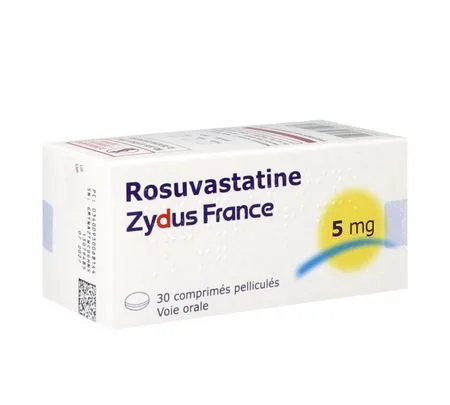
ROSUVASTATIN ZYDUS FRANCE 5 mg, film-coated tablet
Forms and presentations
Film-coated tablet.
Biconvex, round, yellowish tablets, 6 mm in diameter, engraved with "5" on one side.
Composition
Rosuvastatin (as calcium salt)................................................................................................................... 5 mg
For one tablet
Excipient(s) with known effect: lactose.
Each tablet contains 45,720 mg of lactose monohydrate.
Tablet core
Microcrystalline cellulose type 102, lactose monohydrate, crospovidone type A, magnesium stearate.
Film coating
Opadry II yellow 31K38097 composed of: lactose monohydrate, hypromellose, titanium dioxide (E171), triacetin, quinoline yellow aluminium lake (E104).
Indications
Treatment ofs hypercholesterolaemias
Adults, adolescents and children aged 6 years or older with primary hypercholesterolaemia (type IIa including heterozygous familial hypercholesterolaemia) or mixed dyslipidaemia (type IIb) as an adjunct to diet when response to diet and other non-pharmacological treatments (e.g. exercise, weight loss) is not sufficient.
Adults, adolescents and children aged 6 years or older with homozygous familial hypercholesterolaemia, as an adjunct to diet and other lipid-lowering treatments (including LDL apheresis) or when these treatments are not appropriate.
Prevention of cardiovascular eventss
Prevention of major cardiovascular events in patients estimated to be at high risk of a first cardiovascular event (see section Pharmacodynamics), in addition to correction of other risk factors.
Dosage and administration
Dosage
Before starting treatment, the patient should follow an appropriate cholesterol-lowering diet, which they must continue throughout the duration of treatment. The dosage will be adjusted according to the therapeutic goal and the patient's response, in accordance with current recommendations.
ROSUVASTATIN ZYDUS FRANCE may be administered at any time of the day, independently of meals.
Treatment ofs hypercholesterolaemias
The recommended starting dose is 5 or 10 mg once daily orally in both statin-naïve patients and patients previously treated with another HMG-CoA reductase inhibitor. For an individual patient, the choice of starting dose should take into account the LDL-C level, the potential cardiovascular risk as well as the risk of adverse effects. An increase of the dose to the next higher dose may be made after 4 weeks if needed (see section Pharmacodynamics).
Given the increased number of adverse effects observed at the 40 mg dose compared with lower doses (see section Adverse effects), a maximum dose of 40 mg (2 times 20 mg) will only be considered in patients with severe hypercholesterolaemia and high cardiovascular risk (particularly those with familial hypercholesterolaemia) who have not reached the therapeutic goal at a dose of 20 mg/day and who will be subject to regular monitoring (see section Warnings and precautions).
Specialist advice is recommended when initiating a dose of 40 mg.
Prevention of cardiovascular eventss
In the cardiovascular event risk reduction study, the dose used was 20 mg once daily (see section Pharmacodynamics).
Paediatric population
Use in paediatrics must be reserved exclusively for specialists.
Children and adolescents aged 6 to 17 years (Tanner stages II-V)
Heterozygous familial hypercholesterolaemia
In children and adolescents with heterozygous familial hypercholesterolaemia, the usual starting dose is 5 mg per day.
• In children aged 6 to 9 years with heterozygous familial hypercholesterolaemia, the usual dose ranges between 5 and 10 mg once daily orally. The safety and efficacy of doses above 10 mg have not been studied in this population.
• In children aged 10 to 17 years with heterozygous familial hypercholesterolaemia, the usual average dose ranges between 5 and 20 mg once daily orally. The safety and efficacy of doses above 20 mg have not been studied in this population.
Dose adjustments should be made according to individual response and tolerability in the paediatric population, taking into account recommendations on paediatric treatments (see section Warnings and precautions). Children and adolescents should follow a standard lipid-lowering diet before initiating treatment with rosuvastatin, and the diet should be continued during the treatment period.
Homozygous familial hypercholesterolaemia
In children aged 6 to 17 years with homozygous familial hypercholesterolaemia, the maximum recommended dose is 20 mg once daily.
An initial dose of 5 to 10 mg administered once daily is recommended depending on age, weight and prior use of a statin. Dose adjustments up to a maximum dose of 20 mg once daily should be made according to individual response and tolerability in the paediatric population, taking into account recommendations on paediatric treatments (see section Warnings and precautions). Children and adolescents should follow a standard lipid-lowering diet before initiating treatment with rosuvastatin, and the diet should be continued during the treatment period.
Experience is limited for doses other than 20 mg in this population.
The 40 mg dose must not be used in the paediatric population.
Children under 6 years
The safety and efficacy of use in children under 6 years have not been studied. For this reason, ROSUVASTATINE ZYDUS FRANCE is not recommended in children aged under 6 years.
Use in the elderly
An initial dose of 5 mg is recommended in patients aged > 70 years (see section Warnings and precautions). No other age-related therapeutic adjustment is necessary.
Posology in renally impaired patients
In cases of mild to moderate renal impairment, no dose adjustment is necessary.
An initial dose of 5 mg is recommended in patients with moderate renal impairment (creatinine clearance < 60 ml/min).
The 40 mg dose is also contraindicated in patients with moderate renal impairment.
In cases of severe renal impairment, all dosages of ROSUVASTATINE ZYDUS FRANCE are contraindicated (see sections Contraindications and Pharmacokinetics).
Posology in hepatically impaired patients
In patients with a Child-Pugh score ≤ 7, no increase in systemic exposure to rosuvastatin has been observed.
In patients with a Child-Pugh score of 8 or 9: an increase in systemic exposure to rosuvastatin has been observed (see section Pharmacokinetics). In these patients, an assessment of renal function will be carried out (see section Warnings and precautions).
In patients with a Child-Pugh score > 9: no data are available.
ROSUVASTATIN ZYDUS FRANCE is contraindicated in patients with active liver disease (see section Contraindications).
Ethnic particularity
An increase in systemic exposure has been observed in Asian subjects (see sections Contraindications, Warnings and precautions and Pharmacokinetics). An initial dose of 5 mg is recommended in patients of Asian origin. The dose of 40 mg is contraindicated in these patients.
Genetic polymorphisms
Certain specific types of genetic polymorphisms may lead to increased exposure to rosuvastatin (see section Pharmacokinetics). In patients known to have these specific types of polymorphisms, a lower daily dose of rosuvastatin is recommended.
Dosage in patients with predisposing factors for myopathy
The initial dose of 5 mg is recommended in patients with predisposing factors for myopathy (see section Warnings and precautions).
The dose of 40 mg is contraindicated in some of these patients (see section Contraindications).
Concomitant treatment
Rosuvastatin is a substrate of various protein transporters (for example OATP1B1 and BCRP). The risk of myopathy (including rhabdomyolysis) is increased when ROSUVASTATIN ZYDUS FRANCE is administered concomitantly with certain medicinal products that may increase the plasma concentration of rosuvastatin due to their interactions with these protein transporters (for example ciclosporin and certain protease inhibitors, including combinations of ritonavir with atazanavir, lopinavir and/or tipranavir; see sections Warnings and precautions and Interactions). If possible, therapeutic alternatives should be considered and, if necessary, temporary discontinuation of treatment with ROSUVASTATIN ZYDUS FRANCE should be considered. In situations where co-administration of these medicinal products with ROSUVASTATIN ZYDUS FRANCE is unavoidable, the benefit and risk of the concomitant treatment and dose adjustments of ROSUVASTATIN ZYDUS FRANCE should be carefully considered (see section Interactions).
Contraindications
• Hypersensitivity to the active substance or to any of the excipients mentioned in section Composition ;
• Active liver disease, including unexplained and persistent elevations of serum transaminases and any increase in serum transaminases beyond 3 times the upper limit of normal;
• Severe renal impairment (creatinine clearance < 30 ml/min);
• Myopathy;
• Concomitant treatment with sofosbuvir/velpatasvir/voxilaprevir (see section Interactions) ;
• Concomitant treatment with ciclosporin;
• Pregnancy, breast-feeding and women of childbearing potential not using appropriate contraceptive measures.
The dose of 40 mg is contraindicated in patients with predisposing factors for myopathy/rhabdomyolysis. These factors include:
• Moderate renal impairment (creatinine clearance < 60 ml/min);
• Hypothyroidism;
• Personal or family history of hereditary muscular disorders;
• Personal history of muscular toxicity with another HMG-CoA reductase inhibitor or a fibrate;
• Excessive alcohol consumption;
• Situations favouring an increase in plasma rosuvastatin levels;
• Asian patients;
• Concomitant use with fibrates.
(See sections Warnings and precautions, Interactions and Pharmacokinetics).
Warnings and precautions
Undesirable effectss
Proteinuria, detected by urine dipstick and mainly of tubular origin, has been observed in patients treated with high doses of rosuvastatin, particularly at the dose of 40 mg.
It is, in most cases, transient or intermittent. This proteinuria does not appear to be a predictive factor for acute or progressive renal disease (see section Adverse effects).
The reporting rate of serious renal events since marketing is higher at the dose of 40 mg. Renal function tests should be considered regularly during follow-up of patients treated with a dose of 40 mg.
Effects muscular
Muscular effects such as myalgia, myopathy and rarely rhabdomyolysis have been observed in patients treated with rosuvastatin at all doses, particularly at doses > 20 mg. Very rare cases of rhabdomyolysis have been reported with the use of ezetimibe in combination with HMG-CoA reductase inhibitors. A pharmacodynamic interaction cannot be excluded (see section Interactions) and any precaution must be taken during concomitant use.
As with other HMG-CoA reductase inhibitors, the reporting rate of rhabdomyolysis associated with ROSUVASTATIN ZYDUS FRANCE since marketing is higher at the dose of 40 mg.
In a few cases, statins have been reported to induce de novo or aggravate pre-existing myasthenia or ocular myasthenia (see section Adverse effects). ROSUVASTATIN ZYDUS FRANCE must be discontinued in case of worsening of symptoms. Recurrences have been reported when the same statin or a different statin was (re)administered.
Dosage of creatine phosphokinase (CPK)
CPK measurement should not be performed after intense physical exertion or in the presence of another possible cause of CPK elevation that could distort the interpretation of results. If the initial CPK level is significantly elevated (greater than 5 times the normal value), the level should be rechecked within the following 5 to 7 days. If the initial CPK level > 5 times the normal value is confirmed, treatment should not be started.
Before treatment
ROSUVASTATIN ZYDUS FRANCE, like other HMG-CoA reductase inhibitors, should be prescribed with caution in patients with predisposing factors for myopathy/rhabdomyolysis. These factors include:
• Renal insufficiency;
• Hypothyroidism;
• Personal or family history of hereditary muscular disorders;
• Personal history of muscular toxicity with another HMG-CoA reductase inhibitor or with a fibrate;
• Excessive alcohol consumption;
• Age > 70 years;
• Situations favouring increased plasma levels of rosuvastatin (see sections Dosage and administration, Interactions and Pharmacokinetics) ;
• Concomitant use with fibrates.
In these situations, the benefit of treatment should be carefully assessed and the patient monitored clinically. If the initial CPK level is significantly elevated (greater than 5 times the normal value), treatment should not be started.
During treatment
Patients should be asked to report immediately any unexplained muscle pain, muscle weakness or cramps, particularly if associated with malaise or fever. CPK measurement should be performed in these patients. Treatment should be interrupted in case of a marked CPK elevation (greater than 5 times the normal value) or in case of significant muscular symptoms with daily functional impairment (even if CPK levels are below 5 times the normal value). If symptoms disappear and CPK levels return to normal, reintroduction of ROSUVASTATIN ZYDUS FRANCE or another HMG-CoA reductase inhibitor at the lowest dose may be considered under careful clinical monitoring. In the absence of clinical signs, systematic CPK monitoring is not necessary.
Very rare cases of immune-mediated necrotizing myopathy have been reported during or after treatment with statins, including rosuvastatin. Immune-mediated necrotizing myopathy is clinically characterized by proximal muscle weakness and elevated serum creatine kinase, which persist despite discontinuation of statin treatment.
During clinical studies, no increase in muscular effects was observed in some patients treated with rosuvastatin in combination with other treatments. However, an increased incidence of cases of myositis and myopathy has been observed in patients treated with HMG-CoA reductase inhibitors in combination with fibrates, including gemfibrozil, ciclosporin, nicotinic acid, azole antifungals, protease inhibitors and macrolides.
Gemfibrozil increases the risk of myopathy when administered with certain HMG-CoA reductase inhibitors. The combination of ROSUVASTATIN ZYDUS FRANCE and gemfibrozil is therefore not recommended. The benefit obtained from combining ROSUVASTATIN ZYDUS FRANCE with fibrates or niacin on lipid parameters will be evaluated against the potential risk of such combinations. The dose of 40 mg is contraindicated in case of combination with fibrates. (See sections Interactions and Adverse effects).
Rosuvastatin must not be co-administered with systemic formulations of fusidic acid or within 7 days following discontinuation of fusidic acid treatment. In patients for whom systemic fusidic acid is considered essential, statin treatment should be discontinued for the entire duration of fusidic acid treatment. Cases of rhabdomyolysis (some fatal) have been reported in patients receiving fusidic acid and statins in combination (see section Interactions). Patients are advised to seek immediate medical advice if they experience symptoms of muscle weakness, pain or tenderness.
Statin treatment may be reintroduced 7 days after the last dose of fusidic acid.
In exceptional circumstances where prolonged systemic fusidic acid treatment is necessary, for example for the treatment of severe infections, the need for co-administration of ROSUVASTATIN ZYDUS FRANCE and fusidic acid should be considered only on a case-by-case basis and under close medical supervision.
ROSUVASTATIN ZYDUS FRANCE must not be used in case of severe, acute symptoms suggestive of myopathy or predisposing to the occurrence of secondary renal failure due to rhabdomyolysis (e.g. severe acute infection, hypotension, major surgery, trauma, severe metabolic, electrolyte or endocrine disorders, or uncontrolled epilepsy).
Serious cutaneous adverse reactions
Severe cutaneous adverse reactions, including Stevens-Johnson syndrome (SJS) and drug reaction with eosinophilia and systemic symptoms (DRESS), which may be life-threatening or fatal, have been reported with rosuvastatin (see section Adverse effects). At the time of prescription, patients must be informed of the signs and symptoms of severe skin reactions and then be closely monitored. If signs and symptoms suggestive of such a reaction appear, treatment with ROSUVASTATINE ZYDUS FRANCE must be discontinued immediately and an alternative treatment must be considered.
If the patient has developed a serious reaction such as SJS or DRESS during the use of ROSUVASTATINE ZYDUS FRANCE, treatment with ROSUVASTATINE ZYDUS FRANCE must under no circumstances be reinstated in this patient.
Hepatic effects
Like other HMG-CoA reductase inhibitors, ROSUVASTATINE ZYDUS FRANCE must be used with caution in patients who consume significant amounts of alcohol and/or have a history of liver disease.
It is recommended to perform liver function tests before the start of treatment and 3 months after. An elevation of transaminases greater than 3 times the upper limit of normal must lead to discontinuation of treatment or a dose reduction. The reporting rate of serious liver events (consisting mainly of an increase in liver transaminases) since marketing is higher at the dose of 40 mg.
In patients with hypercholesterolaemia secondary to hypothyroidism or nephrotic syndrome, the underlying condition must be treated before initiating treatment with ROSUVASTATINE ZYDUS FRANCE.
Particularitys origins
Pharmacokinetic studies show increased exposure in Asian subjects compared with Caucasians (see sections Dosage and administration, Contraindications and Pharmacokinetics).
Protease inhibitors
An increase in systemic exposure to rosuvastatin has been observed in subjects receiving rosuvastatin concomitantly with various protease inhibitors in combination with ritonavir. Both the lipid-lowering benefit of using rosuvastatin in HIV patients receiving protease inhibitors and the potential increase in plasma concentrations of rosuvastatin, at initiation of treatment and subsequently when the dose of rosuvastatin is increased in patients treated with protease inhibitors, must be taken into consideration. Concomitant use with protease inhibitors is not recommended unless the dose of ROSUVASTATINE ZYDUS FRANCE is adjusted (see sections Dosage and administration and Interactions).
Lactose intolerance
This medicinal product contains lactose. Its use is not recommended in patients with galactose intolerance, Lapp lactase deficiency or glucose-galactose malabsorption syndrome (rare hereditary disorders).
Interstitial lung
Exceptional cases of interstitial lung disease have been reported with certain statins, particularly with long-term treatment (see section Adverse effects).
Symptoms may include dyspnoea, non-productive cough and deterioration in general health (fatigue, weight loss and fever). If interstitial lung disease is suspected in a patient, statin treatment must be discontinued.
Diabetes
Some data suggest that the pharmacological class of statins increases blood glucose and that in some patients at high risk of developing diabetes, statins may lead to hyperglycaemia requiring the initiation of anti-diabetic treatment. This risk is nevertheless offset by the reduction in vascular risk under statins and therefore it should not be a reason for discontinuing statins. Patients at risk (fasting blood glucose between 5,6 and 6,9 mmol/l, BMI > 30 kg/m2, elevated triglycerides, hypertension) should be monitored clinically and biologically in accordance with national recommendations.
In the JUPITER study, the incidence of diabetes cases was 2,8% in the rosuvastatin group and 2,3% in the placebo group. The majority of patients had a fasting blood glucose between 5,6 and 6,9 mmol/l.
Paediatric population
Assessment of growth (height), weight, BMI (body mass index), and secondary sexual maturation characteristics according to Tanner stages in paediatric patients aged 6 to 17 years treated with rosuvastatin is limited to a period of two years. After two years of treatment, no effect on growth, weight, BMI or sexual maturation was detected (see section Pharmacodynamics).
In a clinical study conducted in adolescents and children receiving rosuvastatin for 52 weeks, CPK elevations > 10 x ULN and muscle symptoms following exercise or an increase in physical activity were observed more frequently than in clinical trials conducted in adults (see section Adverse effects).
Interactions
Effect of the concomitant administration of Medicines on rosuvastatin
Inhibitors of protein transporters: rosuvastatin is a substrate for certain protein transporters, including the hepatocyte uptake transporter OATP1B1 and the efflux transporter BCRP. Concomitant administration of rosuvastatin with medicinal products that inhibit these protein transporters may result in increased plasma concentrations of rosuvastatin and an increased risk of myopathy (see sections Dosage and administration, Warnings and precautions and Interactions, Table 1).
Ciclosporin: when rosuvastatin and ciclosporin are administered concomitantly, the AUC values of rosuvastatin are on average 7 times higher than those observed in healthy volunteers (see Table 1). Rosuvastatin is contraindicated in patients concomitantly receiving ciclosporin (see section Contraindications).
Concomitant administration of ciclosporin and ROSUVASTATINE ZYDUS FRANCE does not modify the plasma concentrations of ciclosporin.
Protease inhibitors: although the exact mechanism of interaction has not been elucidated, concomitant use of protease inhibitors may greatly increase rosuvastatin exposure (see Table 1). For example, in a pharmacokinetic study conducted in healthy volunteers, concomitant administration of rosuvastatin 10 mg with a combination of two protease inhibitors (300 mg of atazanavir / 100 mg of ritonavir) resulted in an increase in the AUC and the Cmax of rosuvastatin, respectively by approximately 3 and 7 times their value. Concomitant use of rosuvastatin and certain combinations of protease inhibitors may be considered after careful review of rosuvastatin dose adjustments based on the expected increase in rosuvastatin exposure (see sections Dosage and administration, Warnings and precautions and Interactions, Table 1).
Gemfibrozil and other lipid-lowering agents: the combination of rosuvastatin and gemfibrozil increases the maximum concentration (Cmax) and the AUC (doubled) of rosuvastatin (see section Warnings and precautions).
Based on data from specific interaction studies, no significant pharmacokinetic interaction with fenofibrate is expected; however, a pharmacodynamic interaction may occur. Gemfibrozil, fenofibrate, other fibrates and niacin (nicotinic acid) at lipid-lowering doses (doses ≥ of 1 g/day), administered in combination with certain HMG-CoA reductase inhibitors, increase the risk of myopathy, probably because they themselves cause myopathy when administered alone. The dose of 40 mg is contraindicated when combined with fibrates (see sections Contraindications and Warnings and precautions). These patients should also start treatment with the 5 mg dose.
Ezetimibe: concomitant use of 10 mg rosuvastatin and 10 mg ezetimibe results in an increase in the AUC of rosuvastatin of 1,2 times its value in patients with hypercholesterolaemia (see Table 1). A pharmacodynamic interaction, with regard to adverse effects, between rosuvastatin and ezetimibe cannot be excluded (see section Warnings and precautions).
Antacids: concomitant intake of rosuvastatin and an antacid containing aluminium and magnesium hydroxide results in a decrease in the plasma concentration of rosuvastatin of approximately 50%. This effect decreases if the antacid is administered 2 hours after rosuvastatin. The clinical significance of this interaction has not been studied.
Erythromycin: concomitant use of rosuvastatin and erythromycin results in a decrease of 20% in the AUC and a decrease of 30% in the maximum concentration (Cmax) of rosuvastatin. This interaction may be due to an increase in intestinal motility induced by erythromycin.
Ticagrelor: Ticagrelor may affect the renal excretion of rosuvastatin, increasing the risk of rosuvastatin accumulation. Although the exact mechanism is not known, in some cases, concomitant use of ticagrelor and rosuvastatin results in decreased renal function, increased CPK levels and rhabdomyolysis.
Cytochromes P450: the results of studies in vitro and in vivo show that rosuvastatin is neither an inhibitor nor an inducer of cytochrome P450 isoenzymes. Furthermore, rosuvastatin is a minor substrate for these isoenzymes. Therefore, no interaction resulting from metabolism via cytochrome P450 is expected. No clinically significant interaction has been observed between rosuvastatin and fluconazole (inhibitor of CYP2C9 and CYP3A4) or ketoconazole (inhibitor of CYP2A6 and CYP3A4).
Interactions requiring rosuvastatin dose adjustments (see Table 1): when it is necessary to co-administer rosuvastatin with other medicinal products known to increase rosuvastatin exposure, the rosuvastatin dose should be adjusted. Start with a dose of 5 mg of rosuvastatin once daily if the expected increase in exposure (AUC) is approximately 2 times its value or more. The maximum daily dose of rosuvastatin should be adjusted so that the expected rosuvastatin exposure does not exceed that of a daily dose of 40 mg of rosuvastatin without drug interaction, such as a dose of rosuvastatin 20 mg with gemfibrozil (increase in exposure of 1,9 times), and a dose of rosuvastatin 10 mg with the ritonavir/atazanavir combination (increase in exposure of 3,1 times).
If the medicinal product is observed to increase the AUC of rosuvastatin by less than 2 times, it is not necessary to decrease the initial dose, but caution should be exercised if the dose of ROSUVASTATINE ZYDUS FRANCE is increased beyond 20 mg.
|
Table 1. Effect of concomitant administration of medicinal products on rosuvastatin exposure (AUC; in descending order) from published clinical trials |
||
|
Two-fold or greater increase in rosuvastatin AUC |
||
|
Dosing regimen of the medicinal product administered in combination |
Dosing regimen of rosuvastatin |
Change in rosuvastatin AUC* |
|
Sofosbuvir/velpatasvir/voxilaprevir (400 mg - 100 mg - 100 mg) + Voxilaprevir (100 mg) 1 times daily, 15 days |
10 mg, single dose |
↑ 7,4 times |
|
Ciclosporin 75 mg 2 times/day up to 200 mg 2 times/day, 6 months |
10 mg 1 times/day, 10 days |
↑ 7,1 times |
|
Darolutamide 600 mg 2 times/day, 5 days |
5 mg, single dose |
↑ 5,2 times |
|
Regorafenib 160 mg, 1 times daily, 14 days |
5 mg, single dose |
↑ 3,8 times |
|
Atazanavir 300 mg / Ritonavir 100 mg 1 times/day, 8 days |
10 mg, single dose |
↑ 3,1 times |
|
Velpatasvir 100 mg 1 times per day |
10 mg, single dose |
↑ 2,7 times |
|
Ombitasvir 25 mg/paritaprevir 150 mg/ Ritonavir 100 mg 1 times per day / dasabuvir 400 mg 2 times per day, 14 days |
5 mg, single dose |
↑ 2,6 times |
|
Teriflunomide |
Not available |
↑ 2,5 times |
|
Grazoprevir 200 mg/elbasvir 50 mg 1 times per day, 11 days |
10 mg, single dose |
↑ 2,3 times |
|
Glecaprevir 400 mg/pibrentasvir 120 mg 1 times per day, 7 days |
5 mg, 1 times per day, 7 days |
↑ 2,2 times |
|
Lopinavir 400 mg / Ritonavir 100 mg 2 times/day, 17 days |
20 mg 1 times/day, 7 days |
↑ 2,1 times |
|
Capmatinib 400 mg 1 times per day |
10 mg, single dose |
↑ 2,1 times |
|
Clopidogrel 300 mg loading dose, followed by 75 mg every 24h |
20 mg, single dose |
↑ 2 times |
|
Fostamatinib 100 mg 2 times per day |
20 mg, single dose |
↑ 2,0 times |
|
Febuxostat 120 mg 1 times daily |
10 mg, single dose |
↑ 1,9 times |
|
Gemfibrozil 600 mg 2 times/day, 7 days |
80 mg, single dose |
↑ 1,9 times |
|
Increase of less than 2-fold in the AUC of rosuvastatin |
||
|
Dosing regimen of the medicinal product administered in combination |
Dosing regimen of rosuvastatin |
Change in rosuvastatin AUC* |
|
Eltrombopag 75 mg 1 times/day, 5 days |
10 mg, single dose |
↑ 1,6-fold |
|
Darunavir 600 mg / Ritonavir 100 mg 2 times/day, 7 days |
10 mg 1 times/day, 7 days |
↑ 1,5-fold |
|
Tipranavir 500 mg / Ritonavir 200 mg 2 times/day, 11 days |
10 mg, single dose |
↑ 1,4-fold |
|
Dronedarone 400 mg 2 times/day |
Not available |
↑ 1,4-fold |
|
Itraconazole 200 mg 1 times/day, 5 days |
10 mg, single dose |
↑ 1,4-fold** |
|
Ezetimibe 10 mg 1 times/day, 14 days |
10 mg 1 times/day, 14 days |
↑ 1,2-fold** |
|
Decrease in the AUC of rosuvastatin |
||
|
Dosing regimen of the medicinal product administered in combination |
Dosing regimen of rosuvastatin |
Change in rosuvastatin AUC* |
|
Erythromycin 500 mg 4 times/day, 7 days |
80 mg, single dose |
↓ 20% |
|
Baicalin 50 mg 3 times/day, 14 days |
20 mg, single dose |
↓ 47% |
|
*Results presented as multiples of (or x-fold) represent the ratio between concomitant administration of the two products and rosuvastatin alone. Results presented as % represent the relative difference in % compared with rosuvastatin alone. An increase is indicated by “↑”, a decrease by “↓”. **Several interaction studies were performed at different doses of rosuvastatin; the table highlights the most significant ratio. AUC = area under the curve |
||
The following medicines/combinations did not have a clinically significant effect on the rosuvastatin AUC ratio when co-administered:
Aleglitazar 0,3 mg, 7 days; Fenofibrate 67 mg 3 times/day, 7 days; Fluconazole 200 mg 1 times/day, single dose, 11 days; Fosamprenavir 700 mg / Ritonavir 100 mg 2 times/day, 8 days; Ketoconazole 200 mg 2 times/day, 7 days; Rifampicin 450 mg 1 times/day, single dose, 7 days; Silymarin 140 mg 3 times/day, 5 days
Effect of rosuvastatin on co-administered medicinal products
Vitamin K antagonists: As with other HMG-CoA reductase inhibitors, initiation of treatment or an increase in the dose of rosuvastatin in patients treated with VKAs (for example warfarin or another coumarin anticoagulant) may lead to an increase in INR. Discontinuation or a reduction in the dose of rosuvastatin may lead to a decrease in INR. Under these circumstances, monitoring of INR is recommended.
Oral contraception / hormone replacement therapy (HRT) : concomitant use of rosuvastatin and an oral contraceptive leads to an increase in the AUC of ethinylestradiol and norgestrel (by 26% and 34%, respectively). These increases in plasma levels should be taken into account when selecting the dose of the oral contraceptive. No pharmacokinetic data are available for subjects receiving rosuvastatin and HRT concomitantly; therefore, a similar effect cannot be excluded. However, this combination has been widely used in women during clinical trials and was well tolerated.
Other medicinal products
Digoxin: based on data from specific interaction studies, no clinically significant interaction with digoxin is expected.
Fusidic acid: Interaction studies between rosuvastatin and fusidic acid have not been conducted. The risk of myopathy, including rhabdomyolysis, may be increased by concomitant administration of systemic fusidic acid with statins. The mechanism of this interaction (whether pharmacodynamic or pharmacokinetic, or both) is still unknown. Cases of rhabdomyolysis (some fatal) have been reported in patients receiving this combination.
If treatment with systemic fusidic acid is necessary, treatment with rosuvastatin should be discontinued throughout the duration of fusidic acid treatment. See also section Warnings and precautions.
Paediatric population
Interaction studies have only been performed in adults. The extent of interactions in the paediatric population is not known.
Fertility, pregnancy and breastfeeding
Rosuvastatin is contraindicated during pregnancy and breast-feeding.
Women of childbearing potential must use adequate contraceptive measures.
As cholesterol and its derivatives are essential for foetal development, the potential risk of inhibiting HMG-CoA reductase outweighs the expected benefit of statin treatment during pregnancy. Animal studies show limited reproductive toxicity (see section Preclinical safety). If pregnancy is discovered during treatment, treatment must be discontinued immediately.
In rats, rosuvastatin is excreted in milk. In humans, there are no data regarding the passage of rosuvastatin into breast milk (see section Contraindications).
Driving and using machines
No studies have been conducted to determine the effect of rosuvastatin on the ability to use or drive vehicles. However, based on the pharmacodynamic properties of ROSUVASTATINE ZYDUS FRANCE, no effect is expected. When using vehicles or operating machinery, the possible occurrence of dizziness should be taken into account.
Adverse effects
Adverse effects observed with rosuvastatin are generally mild and transient. In controlled clinical trials, fewer than 4% of patients treated with rosuvastatin had to discontinue treatment due to adverse effects.
Table of adverse reactions
The table below presents the adverse reactions of rosuvastatin identified during clinical trials and after marketing. The adverse reactions listed below are classified by frequency and system organ class.
The frequencies of adverse effects are classified according to the following convention: common (≥ 1/100, < 1/10); uncommon (≥ 1/1 000, < 1/100); rare ≥ 1/10 000, < 1/1 000); very rare (< 1/10 000); and frequency not known (cannot be estimated from the available data).
Table 2. Adverse effects, based on clinical trial data and post-marketing experience.
|
System organ class |
Common |
Uncommon |
Rare |
Very rare |
Unknown |
|
Blood and lymphatic system disorders |
|
|
Thrombocytopenia |
|
|
|
Immune system disorders |
|
|
Hypersensitivity reactions, including angioedema |
|
|
|
Endocrine disorders |
Type II diabetes 1 |
|
|
|
|
|
Psychiatric disorders |
|
|
|
|
Depression |
|
Nervous system disorders |
Headache, Dizziness |
|
|
Polyneuropathy, memory loss |
Peripheral neuropathy, sleep disorders (including insomnia and nightmares), Myasthenia |
|
Eye disorders |
|
|
|
|
Ocular myasthenia |
|
Respiratory, thoracic and mediastinal disorders |
|
|
|
|
Cough, Dyspnoea |
|
Gastrointestinal disorders |
Constipation, Nausea, Abdominal pain |
|
Pancreatitis |
|
Diarrhoea |
|
Hepatobiliary disorders |
|
|
Increased transaminases |
Jaundice, Hepatitis |
|
|
Skin and subcutaneous tissue disorders |
|
Pruritus, Rash, Urticaria |
|
|
Stevens-Johnson syndrome, Drug Reaction with Eosinophilia and Systemic Symptoms syndrome (DRESS) |
|
Musculoskeletal and systemic disorders |
Myalgia |
|
Myopathy (including myositis), Rhabdomyolysis, Lupus-like syndrome, Muscle rupture |
Arthralgia |
Tendinopathies, sometimes complicated by tendon rupture, Immune-mediated necrotising myopathy |
|
Renal and urinary disorders |
|
|
|
Hematuria |
|
|
Disorders of the reproductive system and breast |
|
|
|
Gynaecomastia |
|
|
General disorders and administration site conditions |
Asthenia |
|
|
|
Oedema |
|
1 The frequency will depend on the presence or absence of risk factors (fasting blood glucose ≥ 5,6 mmol/L, BMI > 30 kg/m², increased triglycerides, history of hypertension). |
|||||
As with other HMG-CoA reductase inhibitors, the incidence of adverse events appears to be dose-dependent.
Renal effects
Proteinuria, detected by urine dipstick and mainly of tubular origin, has been observed in patients treated with rosuvastatin. Changes in urinary proteins from none or traces to ++ or more were observed in fewer than 1% of patients treated with 10 mg and 20 mg, and in approximately 3% of patients treated with 40 mg. A minor increase in changes from none or traces to + was observed with the 20 mg dose. In most cases, proteinuria decreases or disappears spontaneously while treatment is continued. Review of data from clinical trials and post-marketing experience has not identified a causal link between proteinuria and acute or progressive renal disease.
Haematuria has been observed in patients treated with rosuvastatin, and data from clinical trials show that the incidence is low.
Muscle effects
Muscular effects such as myalgia, myopathy (including myositis) and rarely rhabdomyolysis with or without acute renal failure have been observed in patients treated with rosuvastatin, at all doses and in particular at doses > 20 mg.
A dose-dependent increase in CPK has been observed in patients taking rosuvastatin; the majority of cases were mild, asymptomatic and transient. If CPK levels are elevated (> 5 times the upper limit of normal), treatment should be discontinued (see section Warnings and precautions).
Hepatic effects
As with other HMG-CoA reductase inhibitors, a dose-dependent increase in transaminases has been reported in a small number of patients treated with rosuvastatin. The majority of reported cases were mild, asymptomatic and transient.
The following adverse reactions have been reported with some statins:
• Sexual dysfunction.
• Exceptional cases of interstitial lung disease, particularly with long-term treatment (see section Warnings and precautions).
The reporting rate of rhabdomyolysis, serious renal events and serious hepatic events (consisting mainly of an increase in hepatic transaminases) since marketing is higher at the 40 mg dose.
Paediatric population
Elevations of creatine kinase > 10 times the ULN (upper limit of normal) as well as muscular symptoms after increased physical activity were observed more frequently in a 52-week clinical study in children and adolescents compared with adults (see section Warnings and precautions).
For other aspects, the tolerability profile of rosuvastatin was similar in children and adolescents compared with that of adults.
Reporting of suspected adverse reactions
Reporting suspected adverse reactions after authorisation of the medicinal product is important. It allows continued monitoring of the benefit/risk balance of the medicinal product. Healthcare professionals are asked to report any suspected adverse reaction via the national reporting system: National Agency for the Safety of Medicines and Health Products (ANSM) and the network of Regional Centres of Pharmacovigilance - Website: https://signalement.social-sante.gouv.fr/.
Overdose
There is no specific treatment in case of overdose. Management will be symptomatic; additional measures may be necessary if needed. Liver function and CPK levels should be monitored. Haemodialysis is probably not useful.
Pharmacodynamics
Pharmacotherapeutic class: HMG-CoA reductase inhibitor, ATC code: C10AA07
Mechanism of action
Rosuvastatin is a selective and competitive inhibitor of HMG-CoA reductase, the enzyme responsible for controlling the conversion of 3-hydroxy-3 methylglutaryl coenzyme A into mevalonate, a precursor of cholesterol. The main site of action of rosuvastatin is the liver, the target organ for lowering cholesterol.
Rosuvastatin increases the number of LDL receptors on the surface of hepatocytes, increasing uptake of LDL cholesterol, enhancing its catabolism and inhibiting hepatic synthesis of VLDL, thereby reducing the number of VLDL and LDL particles.
Pharmacodynamic effects
Rosuvastatin reduces elevated levels of LDL-cholesterol, total cholesterol and triglycerides and increases the level of HDL-cholesterol. It also reduces the levels of ApoB, non-HDL-C, VLDL-C, VLDL-TG and increases the level of ApoA-I (see table 3). Rosuvastatin also reduces the ratios LDL-C / HDL-C, total cholesterol / HDL-C, non-HDL-C / HDL-C and ApoB/ApoA-I.
Table 3: Results on lipid parameters by dose in patients with primary hypercholesterolaemia (type IIa and IIb) (adjusted mean percentage change from baseline)
|
Dose |
N |
LDL-C |
Total-C |
HDL-C |
TG |
non-HDL-C |
ApoB |
ApoA-I |
|
Placebo |
13 |
-7 |
-5 |
3 |
-3 |
-7 |
-3 |
0 |
|
5 |
17 |
-45 |
-33 |
13 |
-35 |
-44 |
-38 |
4 |
|
10 |
17 |
-52 |
-36 |
14 |
-10 |
-48 |
-42 |
4 |
|
20 |
17 |
-55 |
-40 |
8 |
-23 |
-51 |
-46 |
5 |
|
40 |
18 |
-63 |
-46 |
10 |
-28 |
-60 |
-54 |
0 |
A therapeutic effect is obtained during the first week of treatment and 90 % of the maximum response is observed after 2 weeks. The maximum response is usually reached in 4 weeks and is then maintained.
Clinical efficacy and safety
Rosuvastatin is effective in adult patients with hypercholesterolaemia with or without hypertriglyceridaemia, regardless of ethnic background, sex or age, and in specific populations such as diabetics and patients with familial hypercholesterolaemia.
In pooled phase III studies, rosuvastatin was shown to enable the majority of patients with type IIa or IIb hypercholesterolaemia (mean baseline LDL-C value: approximately 4,8 mmol/l) to reach the goals of the recommendations of the European Atherosclerosis Society (EAS; 1998); approximately 80 % of patients treated with rosuvastatin 10 mg reached the target value (< 3 mmol/l) of LDL-C.
In a large study, 435 subjects with heterozygous familial hypercholesterolaemia received 20 mg to 80 mg of rosuvastatin following a forced titration regimen. All doses tested showed a benefit on lipid parameters and allowed the therapeutic goals to be reached. After titration to the daily dose of 40 mg (12 weeks of treatment), LDL-C was reduced by 53 %. 33 % of patients reached the EAS recommendation target value for LDL-C (< 3 mmol/l).
In an open-label, forced-titration trial, 42 patients (including 8 paediatric patients) with homozygous familial hypercholesterolaemia were treated with doses of 20 to 40 mg of rosuvastatin. The mean reduction in LDL-C across all patients was 22%.
During clinical trials, in a limited number of patients, additional efficacy of rosuvastatin was demonstrated in lowering triglycerides in combination with fenofibrate, as well as in increasing HDL-C levels in combination with niacin (see section Warnings and precautions).
In a multicentre, double-blind, placebo-controlled clinical study (METEOR), 984 patients aged 45 to 70 years with a low coronary risk (risk < 10 % at 10 years according to the Framingham score), with mean LDL-C levels of 4,0 mmol/l (154,5 mg/dl), but with subclinical atherosclerosis (determined by measurement of carotid intima-media thickness), were randomised to receive either 40 mg of rosuvastatin once daily or placebo, over a period of 2 years. Rosuvastatin significantly reduced the progression of maximum carotid intima-media thickness by -0,0145 mm/year for the 12 carotid sites compared with placebo [confidence interval: 95% -0,0196, -0,0093; p < 0,0001]. The decrease in intima-media thickness, relative to baseline, was -0,0014 mm/year (-0,12 % per year (not significant)) under rosuvastatin versus a progression of +0,0131 mm/year (1,12 % per year (p < 0,0001)) with placebo. No direct correlation between the decrease in carotid intima-media thickness and the reduction in the risk of cardiovascular events has yet been demonstrated. The population studied in METEOR has a low coronary risk and does not represent the target population of rosuvastatin 40 mg. The dose of 40 mg should only be prescribed to patients with very severe hypercholesterolaemia with a high cardiovascular risk (see section Dosage and administration).
In the study on the "justification for the use of statins in primary prevention: an interventional trial evaluating rosuvastatin" (JUPITER), the effect of rosuvastatin on the frequency of major events of atherosclerotic cardiovascular disease was evaluated in 17 802 male (≥ 50 years) and female (≥ 60 years) patients.
Subjects participating in this study were randomised either to the placebo group (n= 8901) or to the rosuvastatin 20 mg once-daily group (n=8901) and were followed for a mean duration of 2 years.
LDL-cholesterol levels were reduced by 45 % (p< 0,001) in the rosuvastatin group compared with the placebo group.
In a post hoc analysis of a subgroup of high-risk patients presenting at inclusion with a risk > 20 % according to the Framingham scale (1558 patients), a significant reduction (p<0,03) in the combined endpoint: cardiovascular death, stroke and myocardial infarction (p= 0,028) in the rosuvastatin group versus placebo was observed. The absolute risk reduction in event rate for 1000 patient-years was 8,8. Total mortality was unchanged in this high-risk group of patients (p= 0,193). In a post hoc analysis of a subgroup of high-risk patients (total of 9302 patients) presenting at inclusion with a risk ≥ 5% according to the SCORE scale (extrapolated to include patients over 65 years), a significant reduction (p=0,0003) in the combined endpoint: cardiovascular death, stroke and myocardial infarction for the rosuvastatin arm versus placebo was observed. The absolute risk reduction in event rate for 1000 patient-years was 5,1. Total mortality was unchanged in this high-risk group of patients (p= 0,076).
In the JUPITER study, discontinuation of treatment due to adverse events was 6,6% for subjects treated with rosuvastatin and 6,2% for those receiving placebo. The most frequent adverse events leading most often to study discontinuation were: myalgia (rosuvastatin 0,3%, placebo 0,2%), abdominal pain (rosuvastatin 0,03%, placebo 0,02%), and skin rash (rosuvastatin 0,02%, placebo 0,03%). The most frequent adverse events, with a frequency greater than or equal to placebo, were: urinary tract infections (rosuvastatin 8,7 %, placebo 8,6 %), nasopharyngitis (rosuvastatin 7,6 %, placebo 7,2 %), back pain (rosuvastatin 7,6 %, placebo 6,9 %), and myalgia (rosuvastatin 7,6 %, placebo 6,6 %).
Paediatric population
In a randomised, double-blind, multicentre, placebo-controlled study of 12 weeks (n= 176, 97 boys and 79 girls), followed by an open-label rosuvastatin dose-titration period of 40 weeks (n= 173, 96 boys and 77 girls), patients aged 10 to 17 years (Tanner stage II-V, girls at least 1 year after onset of menses) with heterozygous familial hypercholesterolaemia received either rosuvastatin 5 mg, 10 mg or 20 mg or a placebo once daily for 12 weeks, after which they all received rosuvastatin once daily for 40 weeks. At study entry, approximately 30 % of patients were aged 10 to 13 years and approximately 17 %, 18 %, 40 % and 25 % were at Tanner stage II, III, IV and V respectively.
LDL-C was reduced by 38,3 %, 44,6 % and 50 % respectively in the rosuvastatin 5 mg, 10 mg and 20 mg group versus 0,7 % in the placebo group.
At the end of the 40-week open-label study period of dose adjustment towards the target dose, with a maximum dose of 20 mg once daily, 70 patients out of 173 (40,5 %) reached the LDL-C target of less than 2,8 mmol/l.
After 52 weeks of treatment, no effect on growth, weight, BMI or sexual maturation was detected (see section Warnings and precautions). This study (n= 176) was not designed to compare rare adverse events.
Rosuvastatin was also the subject of an open-label target-dose-finding study for 2 years in 198 children with heterozygous familial hypercholesterolaemia aged 6 to 17 years (88 boys and 110 girls, Tanner stage < II-V). The starting dose for all patients was 5 mg of rosuvastatin once daily. Patients aged 6 to 9 years (n= 64) could receive up to a maximum of 10 mg once daily, and patients aged 10 to 17 years (n= 134) could receive up to a maximum of 20 mg once daily.
After 24 months of treatment with rosuvastatin, the percent reduction from baseline in LDL-C, calculated by least squares method, was -43 % (baseline: 236 mg/dl, at 24 months: 133 mg/dl). For each age group, the reductions from baseline in LDL-C levels, calculated by least squares method, were -43% (baseline: 234 mg/dl, at 24 months: 124 mg/dl), -45 % (baseline: 234 mg/dl, at 24 months: 124 mg/dl), and -35 % (baseline: 241 mg/dl, at 24 months: 153 mg/dl) in the groups aged 6 to < 10 years, 10 to < 14 years, and 14 to < 18 years respectively.
Rosuvastatin at doses of 5 mg, 10 mg and 20 mg also led to statistically significant changes from baseline in the following secondary lipid and lipoprotein variables: HDL-C, TC (Total Cholesterol), non-HDL-C, LDL-C/HDL-C, TC/HDL-C, TG/HDL-C, non HDL-C/HDL-C, ApoB, ApoB/ApoA-1. These changes all led to an improvement in the lipid response and were maintained for 2 years.
No effect on growth, weight, BMI or sexual maturation was detected after 24 months of treatment (see section Warnings and precautions).
Rosuvastatin was studied in a randomised, double-blind, multicentre, crossover study with 20 mg once daily versus placebo in 14 children and adolescents (aged 6 to 17 years) with homozygous familial hypercholesterolaemia. The study included an active 4-week diet introduction phase during which patients were treated with rosuvastatin 10 mg, a 6-week crossover phase of treatment with rosuvastatin 20 mg preceded or followed by a 6-week period of placebo treatment, and a 12-week maintenance phase during which all patients were treated with rosuvastatin 20 mg. Patients who started the study on ezetimibe or apheresis continued treatment throughout the study.
A statistically significant reduction (p=0.005) in LDL-C (22,3 %, 85,4 mg/dL or 2,2 mmol/L) was observed after 6 weeks of treatment with rosuvastatin 20 mg versus placebo. Statistically significant reductions in TC (20,1 %, p=0.003), non HDL-C (22,9 %, p=0.003), and ApoB (17,1 %, p=0.024) were observed. Reductions in TG, LDL-C/HDL-C, TC/HDL-C, non HDL-C/HDL-C, and ApoB/ApoA-1 were also observed after 6 weeks of treatment with rosuvastatin 20 mg versus placebo. The LDL-C reduction after 6 weeks of treatment with rosuvastatin 20 mg and following 6 weeks of placebo treatment was maintained after 12 weeks of continuous therapy. One patient showed a further reduction in LDL-C (8,0 %), total cholesterol (6,7 %) and non HDL-C (7,4 %) following 6 weeks of treatment at 40 mg after dose titration.
During prolonged open-label treatment, in 9 of these patients receiving 20 mg of rosuvastatin for a duration of up to 90 weeks, the reduction in LDL-C was maintained between -12,1% and - 21,3%.
Among the 7 evaluable paediatric and adolescent patients (aged 8 to 17 years) from the open-label titration study with homozygous familial hypercholesterolaemia (see above), the percentage reduction from baseline in LDL-C (21,0%), TC (19,2%), and non-HDL-C (21,0%) after 6 weeks of treatment with rosuvastatin 20 mg was consistent with the observations of the above-mentioned study in children and adolescents with homozygous familial hypercholesterolaemia.
The European Medicines Agency has deferred the obligation to submit the results of studies with rosuvastatin in all subsets of the paediatric population in the treatment of homozygous familial hypercholesterolaemia, combined primary (mixed) dyslipidaemia, and in the prevention of cardiovascular events (see section Dosage and administration for information on paediatric use).
Pharmacokinetics
Absorption
After oral administration, maximum plasma concentrations of rosuvastatin are reached in approximately 5 hours. Absolute bioavailability is approximately 20%.
Distribution
Rosuvastatin is mainly taken up by the liver, which is the main organ for cholesterol synthesis and LDL-C clearance. The volume of distribution is approximately 134 litres. Approximately 90% of rosuvastatin is bound to plasma proteins, mainly albumin.
Biotransformation
Rosuvastatin undergoes limited metabolism (approximately 10%). Metabolism studies in vitro using human hepatocytes show that rosuvastatin is a minor substrate of cytochromes P450. CYP2C9 is the main isoenzyme involved, with, to a lesser extent, CYP2C19, CYP3A4 and CYP2D6. The main metabolites identified are the N-desmethyl and lactone metabolites. The N-desmethyl metabolite is approximately 50% less active than rosuvastatin, whereas the lactone is considered clinically inactive. Rosuvastatin is responsible for more than 90% of the inhibitory activity of circulating HMG-CoA reductase.
Elimination
Approximately 90% of the rosuvastatin dose is excreted unchanged in the faeces (absorbed and non-absorbed fraction of the active substance), the remainder being excreted in the urine. Approximately 5% is excreted unchanged in the urine. The plasma elimination half-life is approximately 19 hours. It does not increase with higher doses. The geometric mean of plasma clearance is approximately 50 litres/hour (coefficient of variation 21,7%). As with other HMG-CoA reductase inhibitors, hepatic uptake involves the membrane transporter OATP-C. This transporter plays an important role in the hepatic elimination of rosuvastatin.
Linearity/non-linearity
Systemic exposure to rosuvastatin increases in proportion to the dose. There is no change in pharmacokinetic parameters after repeated daily administration.
Special populations
Age and sex
There is no significant clinical effect of age or sex on the pharmacokinetics of rosuvastatin in adults. Exposure to rosuvastatin in children and adolescents with heterozygous familial hypercholesterolaemia appears to be similar to or lower than that in adults with dyslipidaemia (see paediatric population below).
Particularitys origins
Pharmacokinetic studies show an approximately 2-fold increase in median AUC and Cmax in Asians (Japanese, Chinese, Filipino, Vietnamese and Korean) compared with Caucasians.
An increase of 1,3 in median AUC and Cmax has been shown in Indians.
A population pharmacokinetic analysis showed no clinically significant difference between Caucasian and Black populations.
Renal impairment
In a study including patients with different degrees of renal impairment, mild to moderate impairment of renal function had no effect on plasma concentrations of rosuvastatin or N-desmethyl. However, severe renal impairment (creatinine clearance < 30 ml/min) resulted in a 3-fold increase in plasma concentrations and a 9-fold increase in the concentration of the N-desmethyl metabolite compared with healthy volunteers. Steady-state plasma concentrations of rosuvastatin in haemodialysed subjects were approximately 50% higher than in healthy volunteers.
Hepatic impairment
In a study with patients presenting varying degrees of hepatic impairment, no increase in rosuvastatin concentrations was demonstrated in subjects with a Child-Pugh score of 7 or lower. However, in two subjects with Child-Pugh scores of 8 and 9, an at least two-fold increase in systemic exposure compared with subjects with lower Child-Pugh scores was observed. There are no data in subjects with a Child-Pugh score above 9.
Genetic polymorphism
The disposition of HMG-CoA reductase inhibitors, including rosuvastatin, involves the protein transporters OATP1B1 and BCRP. In patients with a genetic polymorphism of SLCO1B1 (OATP1B1) and/or ABCG2 (BCRP), there is a risk of increased rosuvastatin exposure. The individual polymorphisms SLCO1B1 c.521CC and ABCG2 c.421AA are associated with greater rosuvastatin exposure (AUC) compared with the SLCO1B1 c.521TT or ABCG2 c.421CC genotypes. This specific genotyping is not established in clinical practice; nevertheless, in patients with these types of polymorphisms, a lower daily dose of rosuvastatin is recommended.
Paediatric population
Two pharmacokinetic studies with rosuvastatin (taken as tablets) conducted in paediatric patients with heterozygous familial hypercholesterolaemia, aged 10 to 17 or 6 to 17 years (214 patients in total), showed that exposure in paediatric patients appears comparable to or lower than that in adult patients. Rosuvastatin exposure was predictable with respect to dose and time over a period of 2 years.
Preclinical safety
Conventional preclinical data on safety pharmacology, genotoxicity and carcinogenicity revealed no particular risks for humans. Specific tests for hERG effects were not evaluated. Adverse effects not observed in clinical studies, but observed in animals at exposure levels similar to clinical exposures, are as follows: In repeated-dose toxicity studies, histopathological changes in the liver, probably due to the pharmacological action of rosuvastatin, were observed in mice and rats and, to a lesser extent, effects on the gallbladder in dogs, but not in monkeys. In addition, testicular toxicity was observed in monkeys and dogs at higher doses. Reproductive toxicity was evident in rats, with decreased litter size and weight and number of surviving young at maternotoxic doses when systemic exposure was several times higher than therapeutic doses.
Special storage precautions
Store in the original package, protected from light.
This medicinal product does not require any special precautions for storage regarding temperature.
Prescription, supply and reimbursement
| Marketing authorisation (AMM) |
|
| Price: |
|
- Homozygous familial hypercholesterolemia, associated treatment (of) (Plq/30, Plq/90)
- Homozygous familial hypercholesterolemia, treatment with 2 intention (of) (Plq/30, Plq/90)
- Prevention of major cardiovascular events in cardiovascular-risk-naive patients at risk of a CV accident (Plq/30, Plq/90)
- Type II hypercholesterolemia in subjects aged ≥ 10 years (Plq/30, Plq/90)
- Heterozygous familial hypercholesterolemia in subjects aged ≥ 10 years (Plq/30, Plq/90)
Collection.
ZAC DES HAUTES PATURES 25 RUE DES PEUPLIERS - BÂT. L
92752 NANTERRE CEDEX
Tel: 01 41 19 18 50 https://www.zydusfrance.com/
Source: VIDAL · Updated on 11/11/2026. This information does not replace advice from a healthcare professional.