
Medicines
SmPC of 14/02/2025
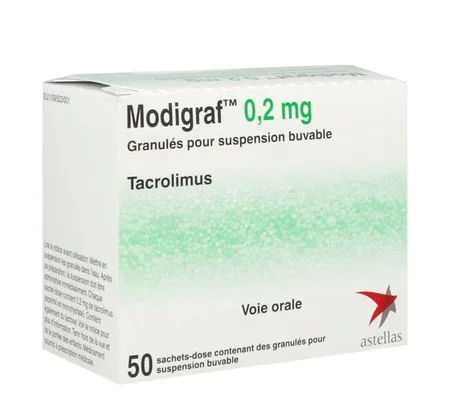
MODIGRAF 0,2 mg, granules for oral suspension
Forms and presentations
Marketed specialties
MODIGRAF 0,2 mg, granules for oral suspension
MODIGRAF 1 mg, granules for oral suspension
Granules for oral suspension.
White granules.
Composition
Modigraf 0,2 mg, granules for oral suspension
Each sachet-dose contains 0,2 mg of tacrolimus (expressed as monohydrate).
- Excipient with known effect:
Each sachet-dose contains 94,7 mg of lactose (expressed as monohydrate).
Modigraf 1 mg, granules for oral suspension
Each sachet-dose contains 1 mg of tacrolimus (expressed as monohydrate).
- Excipient with known effect:
Each sachet-dose contains 473 mg of lactose (expressed as monohydrate).
Lactose monohydrate, hypromellose (E 464), croscarmellose sodium (E 468).
Indications
Prevention of graft rejection in adults and children with renal, hepatic or cardiac transplants.
Treatment of allograft rejection resistant to treatment with other immunosuppressant drugs in adult and paediatric patients.
Dosage and administration
Only physicians experienced in the use of immunosuppressive medicinal products and in the management of transplant patients are to prescribe this medicinal product and to initiate changes to immunosuppressive therapy. Modigraf is a tacrolimus formulation in the form of granules, for twice daily administration. Treatment with Modigraf requires close monitoring by medical personnel with the appropriate qualifications and facilities.
Dosage
The initial recommended doses presented below are given for guidance only. Modigraf is generally administered in association with other immunosuppressants in the initial post-operative period. The dose may vary depending on the immunosuppressive regimen chosen. The posology of Modigraf must be based primarily on the clinical assessment of signs of rejection and tolerability for each patient, aided by monitoring of trough blood concentrations (see below “Therapeutic drug monitoring”). In the event of clinical signs of rejection, a modification of the immunosuppressive regimen should be considered.
Frequent and close monitoring of tacrolimus trough blood concentrations is recommended during the 2 first weeks following transplantation to ensure adequate exposure to the active substance in the immediate post-transplant period. Given the low clearance of tacrolimus, adjustments to the Modigraf dose may not reach steady state for several days (see below “Therapeutic drug monitoring” and section Pharmacokinetics).
Modigraf must not be substituted by the prolonged-release formulation (Advagraf) because a clinically significant difference in terms of bioequivalence between the two formulations cannot be excluded. In general, inadvertent, unintentional or unsupervised substitution between immediate-release or prolonged-release formulations containing tacrolimus is risky. This may lead to graft rejection or an increase in the incidence of adverse reactions, including under-immunosuppression or over-immunosuppression, due to clinically significant differences in terms of systemic exposure to tacrolimus. Patients should be maintained on a single formulation containing tacrolimus with the corresponding daily dosing regimen; the formulation or dosing regimen should only be modified under the close supervision of a transplant specialist (see sections Warnings and precautions and Adverse effects). Following conversion to any other formulation, therapeutic drug monitoring should be performed and dose adjustments instituted to ensure maintenance of systemic exposure to tacrolimus.
Prevention of renal graft rejection
Adults
Oral treatment with Modigraf should begin at 0,20-0,30 mg/kg/day, administered in 2 divided doses (for example, in the morning and evening). Treatment should begin within 24 hours after transplantation.
If the patient’s clinical condition does not allow oral administration, an initial dose of 0,05-0,10 mg/kg/day will be administered intravenously (with Prograf 5 mg/ml concentrate for solution for infusion) as a continuous infusion over 24 hours.
Paediatric population
An initial oral dose of 0,30 mg/kg/day will be administered in 2 divided doses (for example in the morning and evening). If the patient’s clinical condition does not allow oral administration, an initial dose of 0,075-0,100 mg/kg/day will be administered intravenously (with Prograf 5 mg/ml concentrate for solution for infusion) as a continuous infusion over 24 hours.
Dosage adjustment during the post-transplantation period in adults and children
In general, the tacrolimus dosage is reduced during the post-transplantation period. It is possible in some cases to stop the other concomitant immunosuppressive treatments and thus use a tacrolimus-based bitherapy protocol. The improvement in the patient's condition after transplantation may modify the pharmacokinetics of tacrolimus and require subsequent dosage adjustments.
Prevention of hepatic graft rejection
Adults
Treatment with oral Modigraf will start at 0,10-0,20 mg/kg/day, in 2 separate doses (for example, in the morning and in the evening). Treatment must start approximately 12 hours after transplantation.
If the patient's clinical condition does not allow oral administration, an initial dose of 0,01-0,05 mg/kg/day by the intravenous route (with Prograf 5 mg/ml concentrate for solution for infusion) will be administered as a continuous infusion over 24 hours.
Paediatric population
An initial oral dose of 0,30 mg/kg/day will be administered in 2 separate doses (for example in the morning and in the evening). If the patient's clinical condition does not allow oral administration, an initial dose of 0,05 mg/kg/day by the intravenous route (with Prograf 5 mg/ml concentrate for solution for infusion) will be administered as a continuous infusion over 24 hours.
Dosage adjustment during the post-transplantation period in adults and children
In general, the tacrolimus dosage is reduced during the post-transplantation period. It is possible in some cases to stop the other concomitant immunosuppressive treatments and thus use tacrolimus as monotherapy. The improvement in the patient's condition after transplantation may modify the pharmacokinetics of tacrolimus and require subsequent dosage adjustments.
Prevention of cardiac graft rejection
Adults
Modigraf may be used either in association with an induction treatment with antibodies (allowing delayed administration of tacrolimus) or without an induction treatment with antibodies in clinically stable patients.
After induction treatment with antibodies, treatment with oral Modigraf will start at the dose of 0,075 mg/kg/day, administered in 2 separate doses (for example in the morning and in the evening). Treatment must start within 5 days following transplantation, as soon as the patient's condition is stabilised. If the patient's clinical condition does not allow administration of the dose by the oral route, the medicine must be administered by the intravenous route at the dose of 0,01 to 0,02 mg/kg/day (with Prograf 5 mg/ml concentrate for solution for infusion) as a continuous infusion over 24 hours.
Another therapeutic strategy has been published in which oral tacrolimus was administered within 12 hours following transplantation. This approach was reserved for patients without organ dysfunction (for example, renal failure). In this case, an initial oral dose of tacrolimus between 2 and 4 mg per day was administered in association with mycophenolate mofetil and corticosteroids, or in association with sirolimus and corticosteroids.
Paediatric population
Tacrolimus has been used with or without antibody induction in paediatric cardiac transplant patients.
In patients who have not received an induction treatment with antibodies, if tacrolimus is administered initially by the intravenous route, the recommended initial dose is 0,03-0,05 mg/kg/day (with Prograf 5 mg/ml concentrate for solution for infusion) as a continuous infusion over 24 hours, in order to achieve residual blood concentrations of tacrolimus between 15-25 nanograms/ml. The switch to oral treatment must start as soon as the patient's clinical condition allows. The first dose of oral treatment must be 0,30 mg/kg/day, starting 8 to 12 hours after stopping intravenous treatment.
After an induction treatment with antibodies, if Modigraf is administered initially by the oral route, the recommended initial dose is 0,10-0,30 mg/kg/day, administered in 2 separate doses (for example in the morning and in the evening).
Dosage adjustment during the post-transplantation period in adults and children
In general, the tacrolimus dosage is reduced during the post-transplantation period. The improvement in the patient's condition after transplantation may modify the pharmacokinetics of tacrolimus and require subsequent dosage adjustments.
Substitution between tacrolimus formulations, Modigraf and Prograf
In healthy subjects, the systemic exposure to tacrolimus (AUC) for Modigraf was approximately 18 % higher than that of Prograf capsules when single doses were administered. There are no safety data on the use of Modigraf granules following temporary substitution of Prograf or Advagraf in critically ill patients.
Stable allograft patients maintained on Modigraf granules, and requiring substitution with Prograf capsules, must be converted on the basis of a total daily dosage 1:1 (mg:mg). If it is not possible to give the same dose, the total daily dosage of Prograf must be rounded to the nearest higher quantity possible, with the higher dose given in the morning and the lower dose in the evening.
In the same way, for the substitution of Prograf capsules with Modigraf granules, the total daily dosage of Modigraf must preferably be equal to the total daily dosage of Prograf. If substitution based on equal quantities is not possible, the total daily dosage of Modigraf must be rounded to the nearest lower total daily dosage possible with 0,2 mg and 1 mg dose sachets.
The total daily dosage of Modigraf granules must be administered in 2 equal doses. If equal doses are not possible, then the higher dose must be administered in the morning and the lower dose in the evening. Modigraf dose sachets must not be used incompletely.
For example: A total daily dosage of Prograf capsules of 1 mg in the morning and 0,5 mg in the evening may be substituted by administration of a total daily dosage of Modigraf of 1,4 mg as 0,8 mg in the morning and 0,6 mg in the evening.
Residual blood concentrations of tacrolimus must be measured before substitution and during the first week following substitution. Dosage adjustments must be made to ensure that a similar systemic exposure is maintained.
Substitution of ciclosporin by tacrolimus
Monitoring is recommended when substituting a ciclosporin-based protocol with a tacrolimus-based protocol (see sections Warnings and precautions and Interactions). Concomitant administration of cyclosporine and tacrolimus is not recommended. Treatment with tacrolimus must be initiated taking into account the blood concentrations of cyclosporine and the patient's clinical status. Administration must be delayed in case of high blood concentrations of cyclosporine. In practice, treatment with tacrolimus must be initiated 12-24 hours after discontinuation of cyclosporine. Monitoring of blood concentrations of cyclosporine must continue after substitution because the clearance of cyclosporine may be modified.
Treatment of allogeneic graft rejection
Increasing the tacrolimus dosage, administration of additional doses of corticosteroids and introduction of brief courses of monoclonal or polyclonal antibodies have been used to treat rejection episodes. In case of signs of toxicity such as serious adverse effects (see section Adverse effects), it may be necessary to reduce the dose of Modigraf.
Treatment of allogeneic graft rejection after renal or hepatic transplantation - adults and children
In case of substitution of another immunosuppressant by Modigraf twice daily, treatment must begin at the recommended initial oral dose for prevention of graft rejection.
Treatment of allogeneic graft rejection after cardiac transplantation - adults and children
In adult patients converted to Modigraf, an initial oral dose of 0,15 mg/kg/day must be administered in two divided doses (for example morning and evening).
In pediatric patients converted to tacrolimus, an initial oral dose of 0,20-0,30 mg/kg/day must be administered in 2 divided doses (for example morning and evening).
Treatment of allogeneic graft rejection after transplantation of other grafts
The recommended dosages in lung, pancreatic or intestinal transplantations are based on limited data from prospective clinical studies with the Prograf formulation. Prograf has been used at initial oral doses of 0,10-0,15 mg/kg/day in lung transplantation, 0,2 mg/kg/day in pancreatic transplantation, and 0,3 mg/kg/day in intestinal transplantation.
Therapeutic drug monitoring
The dosage must be based primarily on clinical assessment of signs of rejection and tolerance for each patient using monitoring of trough blood concentrations of tacrolimus.
To help optimize dosage, several immunoassay techniques are available to determine tacrolimus concentrations in whole blood. Comparison of concentrations described in the literature with individual values observed in clinical practice must be evaluated with caution and taking into account the assay method used. Currently, in clinical practice, monitoring of whole blood concentrations is performed by immunoassay methods. The ratio between trough concentrations of tacrolimus (C12) and systemic exposure (AUC0-12) is similar between the 2 formulations Modigraf granules and Prograf capsules.
Trough blood concentrations of tacrolimus must be monitored in the post-transplant period. Therefore, trough blood levels of tacrolimus must be determined 12 hours approximately after administration of the last dose of Modigraf granules, and just before the next dose. Frequent monitoring of trough blood concentrations during the 2 first weeks following transplantation is recommended, followed by regular monitoring during maintenance treatment. Trough blood concentrations of tacrolimus must be monitored at least twice weekly during the immediate post-transplant period, then regularly during maintenance treatment. Trough blood concentrations of tacrolimus must also be closely monitored when clinical signs of toxicity or acute rejection are observed, following substitution of Modigraf granules by Prograf capsules, after any dosage adjustment, after modifications to the immunosuppressive protocol or after concomitant administration of substances likely to affect trough blood concentrations of tacrolimus (see section Interactions). The frequency of monitoring must be based on the clinical status. Given the low clearance of tacrolimus, in case of dosage adjustment of Modigraf, the targeted steady state may not appear until after several days (see section Pharmacokinetics).
Data from clinical studies suggest that, when trough blood concentrations of tacrolimus are maintained below 20 nanograms/ml, the majority of patients can be treated effectively. The patient's clinical status must be taken into account when interpreting product trough blood concentrations. In clinical practice, trough blood concentrations are generally between 5-20 nanograms/ml in liver transplant recipients and 10-20 nanograms/ml in renal and cardiac transplant recipients in the immediate post-transplant period. During maintenance treatment, trough blood concentrations are generally between 5-15 nanograms/ml in liver, renal and cardiac transplant recipients.
Special patient populations
Hepatic impairment
A dose reduction may be necessary in patients with severe hepatic impairment in order to maintain trough blood concentrations within the recommended limits.
Renal impairment
Since the pharmacokinetics of tacrolimus are not affected by renal function (see section Pharmacokinetics), no dosage adjustment is necessary. However, due to the nephrotoxic potential of tacrolimus, it is recommended to monitor renal function closely (notably by serum creatinine assays, calculation of creatinine clearance and monitoring of urinary output).
Ethnicity
Compared with Caucasian patients, Black patients may require higher doses of tacrolimus to achieve similar trough blood concentrations.
Sex
Currently available data do not show that men and women require different doses to achieve similar trough blood concentrations.
Elderly patients
Currently available data do not show the need to adjust dosage in older populations.
Paediatric population
In general, the doses required in children are 1,5 to 2 times higher than in adults to obtain similar trough blood concentrations.
Method of administration
In general, treatment with tacrolimus is initiated by the oral route. If necessary, treatment with tacrolimus may be initiated by the administration of Modigraf granules in suspension in water, via a nasogastric tube.
It is recommended to administer the daily oral dose of Modigraf in two separate intakes (for example in the morning and in the evening).
In general, Modigraf granules must be taken on an empty stomach or at least 1 hour before or 2 to 3 hours after a meal to allow maximum absorption (see section Pharmacokinetics).
The required dose is calculated from the patient's weight, using the smallest possible number of dose sachets. 2 mL of water (at room temperature) must be used per mg of tacrolimus to reconstitute the suspension (up to a maximum of 50 mL, depending on the patient's weight) in a cup. Containers containing polyvinyl chloride (PVC) must not be used (see section Incompatibilities). The granules are added to the water and mixed. The use of liquids or utensils to empty the dose sachets is not recommended. The suspension may be withdrawn with a syringe or swallowed directly by the patient. The cup is then rinsed once with the same volume of water, then the rinse water is absorbed by the patient. The suspension must be administered immediately after its preparation.
Contraindications
Hypersensitivity to tacrolimus or to any of the excipients listed in section Composition.
Hypersensitivity to other macrolides.
Warnings and precautions
No safety data are available on the use of Modigraf granules following temporary substitution of Prograf or Advagraf in critically ill patients.
Modigraf must not be substituted by Advagraf since a clinically relevant difference between the bioavailability of the two formulations cannot be excluded. Medication errors, including inadvertent, unintentional or unsupervised substitution between immediate-release or prolonged-release formulations containing tacrolimus, have been observed. This has resulted in serious adverse reactions, including graft rejection or other adverse reactions which could be the consequence of either under-exposure or over-exposure to tacrolimus. Patients must be maintained on the same formulation containing tacrolimus with the corresponding daily dosing regimen; the formulation or the dosing regimen must be changed only under the close supervision of a transplant specialist (see sections Dosage and administration and Adverse effects).
During the immediate post-transplant period, the following parameters must be monitored routinely: blood pressure, ECG, neurological and visual status, fasting blood glucose, electrolytes (in particular potassium), hepatic and renal function, haematological parameters, haemostasis and plasma protein levels. In case of clinically significant changes in these parameters, adjustments of the immunosuppressive treatment must be considered.
Substances with a potential for interaction
Inhibitors or inducers of CYP3A4 must not be co-administered with tacrolimus unless after consultation with a transplant specialist, due to potential drug interactions leading to serious adverse reactions, including rejection or toxicity (see section Interactions).
Inhibitors of CYP3A4
Concomitant use with inhibitors of CYP3A4 may increase blood concentrations of tacrolimus, which could lead to serious adverse reactions, such as nephrotoxicity, neurotoxicity and prolongation of the QT interval. It is recommended to avoid concomitant use of potent inhibitors of CYP3A4 (such as ritonavir, cobicistat, ketoconazole, itraconazole, posaconazole, voriconazole, telithromycin, clarithromycin or josamycin) with tacrolimus. If this concomitant use cannot be avoided, blood concentrations of tacrolimus must be monitored frequently starting from the first days of concomitant administration, under the supervision of a transplant specialist, in order to adjust the tacrolimus dose, if necessary, to maintain similar exposure to tacrolimus. Renal function, ECG with the QT interval and the patient's clinical status must also be closely monitored.
Dose adjustment must be based on the individual situation of each patient. An immediate dose reduction may be necessary at the time of initiation of treatment (see section Interactions).
Similarly, discontinuation of CYP3A4 inhibitors may alter the metabolism of tacrolimus and thus lead to sub-therapeutic blood concentrations of tacrolimus; therefore, close monitoring and supervision by a transplant specialist are required.
Inducers of CYP3A4
Concomitant use with inducers of CYP3A4 may decrease blood concentrations of tacrolimus and potentially increase the risk of graft rejection. It is recommended to avoid concomitant use of potent inducers of CYP3A4 (such as rifampicin, phenytoin, carbamazepine) with tacrolimus. If this concomitant use cannot be avoided, blood concentrations of tacrolimus must be monitored frequently starting from the first days of concomitant administration, under the supervision of a transplant specialist, in order to adjust the tacrolimus dose, if necessary, to maintain similar exposure to tacrolimus. Graft function must also be closely monitored (see section Interactions).
Similarly, discontinuation of CYP3A4 inducers may alter the metabolism of tacrolimus and thus lead to supra-therapeutic blood concentrations of tacrolimus; therefore, close monitoring and supervision by a transplant specialist are required.
P-glycoprotein
Caution must be exercised when tacrolimus is co-administered with medicinal products that inhibit P-glycoprotein, as an increase in tacrolimus levels may occur. Tacrolimus blood levels and the patient's clinical status must be closely monitored. A dose adjustment of tacrolimus may be necessary (see section Interactions).
Herbal preparations
Herbal preparations containing St. John's wort (Hypericum perforatum) or other herbal preparations must be avoided while taking Modigraf due to the risk of interaction leading either to a decrease in blood concentration of tacrolimus and a decrease in its clinical efficacy, or to an increase in blood concentration of tacrolimus and a risk of tacrolimus toxicity (see section Interactions).
Other interactions
The concomitant administration of ciclosporin and tacrolimus must be avoided and caution should be exercised when administering tacrolimus to patients who have previously received ciclosporin (see sections Dosage and administration and Interactions).
High potassium intakes or potassium-sparing diuretics must be avoided (see section Interactions).
Certain combinations of tacrolimus with medicinal products known to have neurotoxic effects may increase the risk of these effects (see section Interactions).
Vaccination
Immunosuppressants may affect the response to vaccination and may make vaccination during treatment with tacrolimus less effective. The use of live attenuated vaccines must be avoided.
Nephrotoxicity
Tacrolimus may cause impairment of renal function in patients after transplantation. Acute renal failure without active intervention may progress to chronic renal failure. Patients with impaired renal function must be closely monitored, as it may be necessary to reduce the tacrolimus dose. The risk of nephrotoxicity may increase in case of concomitant administration of tacrolimus and medicinal products associated with nephrotoxicity (see section Interactions). The concomitant use of tacrolimus and medicinal products known to have nephrotoxic effects must be avoided. If concomitant administration cannot be avoided, the blood trough concentration of tacrolimus and renal function must be closely monitored and a dose reduction considered, in case of nephrotoxicity.
Gastrointestinal disorders
Cases of gastrointestinal perforation have been reported in patients treated with tacrolimus. As gastrointestinal perforation is a medically important event that may be life-threatening or result in a serious condition, adequate treatment must be considered upon the appearance of suspected signs or symptoms.
Blood levels of tacrolimus may change significantly during episodes of diarrhoea, therefore increased monitoring of tacrolimus blood trough concentrations is recommended during these episodes of diarrhoea.
Cardiac disorders
Ventricular or septal hypertrophy, reported as cardiomyopathies, have been rarely observed. Most of these cases were reversible, occurring when the blood trough concentrations of tacrolimus were much higher than the recommended maximum levels. Other factors identified as increasing the risk of occurrence of these clinical signs are pre-existing cardiac disease, use of corticosteroids, hypertension, renal or hepatic dysfunction, infections, fluid overload and oedema. Therefore, high-risk patients, in particular young children and patients receiving significant immunosuppression, must be monitored by methods such as echocardiography or ECG before and after transplantation (for example, the first examination at 3 months, then at 9-12 months). In case of abnormalities, a reduction in the dose of Modigraf or a change in immunosuppressive treatment must be considered. Tacrolimus may prolong the QT interval and may cause the occurrence of torsades de pointes. Caution is required in patients with risk factors for QT interval prolongation, including patients with a personal or family history of QT interval prolongation, congestive heart failure, bradyarrhythmia and electrolyte abnormalities. Caution is also required in patients with an established diagnosis or suspicion of congenital long QT syndrome or acquired QT interval prolongation or in patients receiving concomitant treatments known to prolong the QT interval, cause electrolyte abnormalities or increase exposure to tacrolimus (see section Interactions).
Lymphoproliferative syndromes and malignancies
Epstein-Barr virus (EBV)-associated lymphoproliferative syndromes and other malignancies, such as skin cancers and Kaposi's sarcoma, have been reported in patients treated with tacrolimus (see section Adverse effects).
The use of immunosuppressants in combination, such as concomitant treatment with antilymphocyte antibodies (for example: basiliximab, daclizumab) increases the risk of developing EBV-associated lymphoproliferative syndromes. It has been reported that patients seronegative for Epstein-Barr virus (EBV) viral capsid antigen (VCA) have an increased risk of developing lymphoproliferative syndromes. EBV-VCA serology must therefore be checked in these patients before initiating treatment with Modigraf. Close monitoring with EBV PCR is recommended during treatment. A positive EBV PCR may persist for several months and does not in itself indicate lymphoproliferative disease or lymphoma.
Kaposi's sarcomas, including aggressive forms of the disease and fatal outcomes, have been reported in patients treated with tacrolimus. In some cases, regression of Kaposi's sarcoma was observed after reduction of the intensity of immunosuppression.
As with other immunosuppressant agents, due to the potential risk of occurrence of malignant skin lesions, exposure to sunlight and UV rays must be limited by wearing protective clothing and using a sunscreen with a high protection factor.
As with other potent immunosuppressant agents, the risk of secondary cancer is unknown.
Infections, including opportunistic infections
Patients treated with immunosuppressants, including Modigraf, have an increased risk of developing infections, including opportunistic infections (bacterial, fungal, viral and protozoal) such as: CMV infection, BK virus nephropathy and JC virus progressive multifocal leukoencephalopathy (PML). Patients also have an increased risk of viral hepatitis infections (for example, reactivation and de novo de novo infection with hepatitis B and C, as well as hepatitis E, which may become chronic). These infections, often related to a high immunosuppressive load, can lead to serious or fatal diseases, including graft rejection, and must be taken into account by physicians in the differential diagnosis in immunocompromised patients with altered hepatic or renal function or neurological symptoms. Prevention and management must be in accordance with appropriate clinical guidelines.
Posterior Reversible Encephalopathy Syndrome (PRES)
It has been reported that patients treated with tacrolimus have developed Posterior Reversible Encephalopathy Syndrome (PRES). If patients on tacrolimus consult for certain symptoms of PRES such as headache, altered mental status, convulsions and visual disturbances, a radiological examination (for example MRI) should be performed. If PRES is diagnosed, it is recommended to closely monitor blood pressure as well as epileptic status and to immediately discontinue tacrolimus. Most patients recover completely after adequate measures have been taken.
Eye disorders
Eye disorders, sometimes progressing to loss of vision, have been reported in patients treated with tacrolimus. Some cases have reported resolution after switching to another immunosuppressive treatment. Patients are advised to report any change in visual acuity, any change in colour vision, blurred vision or a visual field defect, and in such cases, prompt evaluation is recommended, with referral to an ophthalmologist if needed.
Thrombotic microangiopathy (TMA) (including haemolytic uraemic syndrome (HUS) and thrombotic thrombocytopenic purpura (TTP))
The diagnosis of TMA, including thrombotic thrombocytopenic purpura (TTP) and haemolytic uraemic syndrome (HUS), sometimes leading to renal failure or a fatal outcome, should be considered in patients presenting with haemolytic anaemia, thrombocytopenia, fatigue, fluctuating neurological manifestations, renal failure and fever. If TMA is diagnosed, prompt treatment is required and discontinuation of tacrolimus should be considered at the discretion of the treating physician.
Concomitant administration of tacrolimus with a mammalian target of rapamycin (mTOR) inhibitor (for example, sirolimus, everolimus) may increase the risk of thrombotic microangiopathy (including haemolytic uraemic syndrome and thrombotic thrombocytopenic purpura).
Acquired pure red cell aplasia
Cases of acquired pure red cell aplasia (PRCA) have been reported in patients treated with tacrolimus. All these patients had risk factors for PRCA such as parvovirus B19 infection, underlying disease or concomitant treatments associated with PRCA.
Special populations
Experience is limited in non-Caucasian patients and in patients at high immunological risk (for example, re-transplantation, presence of anti-HLA antibodies, PRA).
A dose reduction may be necessary in patients with severe hepatic impairment (see section Dosage and administration).
Excipients
As Modigraf granules contain lactose, patients with galactose intolerance, total lactase deficiency or glucose-galactose malabsorption syndrome (rare hereditary diseases) must not take this medicine. This medicine contains less than 1 mmol sodium (23 mg) per sachet, i.e. it is essentially 'sodium-free'.
Interactions
Metabolic interactions
Tacrolimus present in the systemic circulation is metabolised by hepatic CYP3A4. Gastrointestinal metabolism by CYP3A4 in the intestinal wall has also been observed. Concomitant use of medicinal products or herbal remedies known to be inhibitors or inducers of CYP3A4 may modify the metabolism of tacrolimus and thus increase or decrease its trough blood concentrations. Likewise, discontinuation of such products or herbal remedies may modify the metabolism of tacrolimus and, consequently, the blood concentrations of tacrolimus.
Pharmacokinetic studies have shown that the increase in blood concentrations of tacrolimus, when co-administered with CYP3A4 inhibitors, results primarily from the increase in oral bioavailability of tacrolimus due to inhibition of gastrointestinal metabolism. The effect on hepatic clearance is less pronounced.
It is strongly recommended to closely monitor tacrolimus trough blood concentrations under the supervision of a transplant specialist, and also to monitor graft function, QT interval prolongation (with ECG), renal function and other adverse effects such as neurotoxicity, during any concomitant administration of substances that may modify metabolism by CYP3A4, and to adjust the dose or discontinue tacrolimus, if necessary, in order to maintain constant tacrolimus exposure (see sections Dosage and administration and Warnings and precautions). Likewise, patients should be monitored closely during concomitant use of tacrolimus and multiple substances that affect CYP3A4, as the effects on tacrolimus exposure may be increased or counteracted.
Medicinal products having an effect on tacrolimus are listed in the table below. The examples of drug interactions are not intended to be complete or exhaustive and, therefore, information regarding the metabolic pathway, interaction pathways, potential risks and specific measures to be taken regarding concomitant administration should be consulted in the product information for each medicinal product associated with tacrolimus.
|
Name or class of the medicinal product/substance |
Effect of the drug interaction |
Recommendations regarding concomitant administration |
|
Grapefruit or grapefruit juice |
May increase tacrolimus trough concentrations in whole blood and increase the risk of serious adverse effects (e.g., neurotoxicity, QT interval prolongation) [see section Warnings and precautions]. |
Avoid grapefruit or grapefruit juice |
|
Ciclosporin |
May increase tacrolimus trough concentrations in whole blood. In addition, synergistic/additive nephrotoxic effects may occur. |
Concomitant administration of ciclosporin and tacrolimus must be avoided [see section Warnings and precautions]. |
|
Medicinal products known to have nephrotoxic or neurotoxic effects: aminoglycosides, gyrase inhibitors, vancomycin, sulfamethoxazole + trimethoprim, NSAIDs, ganciclovir, aciclovir, amphotericin B, ibuprofen, cidofovir, foscarnet |
May increase the nephrotoxic or neurotoxic effects of tacrolimus. |
The concomitant use of tacrolimus and medicines known to have nephrotoxic effects must be avoided. If it is not possible to avoid concomitant administration, monitor renal function and other adverse effects and adjust the tacrolimus dosage if necessary. |
|
Strong inhibitors of CYP3A4 :
|
May increase residual concentrations of tacrolimus in whole blood and increase the risk of serious adverse effects (e.g., nephrotoxicity, neurotoxicity, QT interval prolongation), which requires close monitoring [see section Warnings and precautions]
|
It is recommended to avoid concomitant use. If concomitant administration of a strong CYP3A4 inhibitor cannot be avoided, consider not administering tacrolimus on the day of initiation of treatment with the strong CYP3A4 inhibitor.
|
|
Moderate or weak inhibitors of CYP3A4 :
|
May increase tacrolimus trough concentrations in whole blood and increase the risk of serious adverse effects (e.g., neurotoxicity, QT interval prolongation) [see section Warnings and precautions]. The concentration of tacrolimus may increase rapidly. |
Monitor residual concentrations of tacrolimus in whole blood frequently, from the first days following concomitant administration. Reduce the tacrolimus dosage if necessary [see section Dosage and administration].
|
|
It has been shown in vitro that the following substances are potential inhibitors of the metabolism of tacrolimus : bromocriptine, cortisone, dapsone, ergotamine, gestodene, lidocaine, mephenytoin, midazolam, nilvadipine, norethisterone, quinidine, tamoxifen |
May increase tacrolimus trough concentrations in whole blood and increase the risk of serious adverse effects (e.g., neurotoxicity, QT interval prolongation) [see section Warnings and precautions]. |
Monitor residual concentrations of tacrolimus in whole blood and reduce the tacrolimus dosage if necessary [see section Dosage and administration].
|
|
Strong inducers of CYP3A4 :
|
May decrease residual concentrations of tacrolimus in whole blood and increase the risk of rejection [see section Warnings and precautions].
|
It is recommended to avoid concomitant use. If concomitant administration cannot be avoided, patients may require an increase in the tacrolimus dosage. Modifications to the tacrolimus dosage must be individualized and adjusted if necessary based on residual concentrations of tacrolimus, which must be assessed at treatment initiation, monitored regularly throughout the duration of treatment (from the first days) and re-evaluated during and after the end of treatment with the CYP3A4 inducer. After use of the CYP3A4 inducer, the tacrolimus dosage may need to be adjusted gradually. Closely monitor graft function. |
|
Moderate inducers of CYP3A4 :
|
May decrease residual concentrations of tacrolimus in whole blood and increase the risk of rejection [see section Warnings and precautions]. |
Monitor residual concentrations of tacrolimus in whole blood and increase the tacrolimus dosage if necessary [see section Dosage and administration].
|
|
Caspofungin |
May decrease the residual concentrations of tacrolimus in whole blood and increase the risk of rejection. The mechanism of interaction has not been confirmed. |
Monitor residual concentrations of tacrolimus in whole blood and increase the tacrolimus dosage if necessary [see section Dosage and administration]. Closely monitor graft function. |
|
Cannabidiol (P-gp inhibitor) |
Cases of increased blood levels of tacrolimus have been reported during concomitant use of tacrolimus and cannabidiol. This may be due to inhibition of intestinal P-glycoprotein, resulting in increased bioavailability of tacrolimus. |
Concomitant administration of tacrolimus and cannabidiol must be done with caution, by closely monitoring adverse effects. Monitor the residual concentrations of tacrolimus in whole blood and adjust the dose of tacrolimus if necessary [see sections Dosage and administration and Warnings and precautions]. |
|
Medicines known to have a strong affinity for plasma proteins, for example: NSAIDs, oral anticoagulants, oral antidiabetics |
Tacrolimus is strongly bound to plasma proteins. Possible interactions with other active substances known to have a strong affinity for plasma proteins must be taken into consideration. |
Monitor the residual concentrations of tacrolimus in whole blood and adjust the posology of tacrolimus if necessary [see section Dosage and administration]. |
|
Prokinetic agents: metoclopramide, cimetidine and magnesium-aluminium hydroxide |
May increase the residual concentrations of tacrolimus in whole blood and increase the risk of serious adverse effects (e.g., neurotoxicity, QT interval prolongation). |
Monitor residual concentrations of tacrolimus in whole blood and reduce the tacrolimus dosage if necessary [see section Dosage and administration].
|
|
Maintenance doses of corticosteroids |
May decrease residual concentrations of tacrolimus in whole blood and increase the risk of rejection [see section Warnings and precautions]. |
Monitor residual concentrations of tacrolimus in whole blood and increase the tacrolimus dosage if necessary [see section Dosage and administration].
|
|
High doses of prednisolone or methylprednisolone |
May have an impact on the blood concentrations of tacrolimus (increase or decrease) when administered for the treatment of acute rejection. |
Monitor the residual concentrations of tacrolimus in whole blood and adjust the posology of tacrolimus if necessary. |
|
Treatment with direct-acting antivirals (DAAs) |
May have an impact on the pharmacokinetics of tacrolimus due to changes in liver function during treatment with DAAs, related to clearance of the hepatitis virus. The blood concentration of tacrolimus may decrease.
|
Monitor the residual concentrations of tacrolimus in whole blood and adjust the posology of tacrolimus if necessary to ensure continued efficacy and safety. |
Concomitant administration of tacrolimus with a mammalian target of rapamycin (mTOR) inhibitor (for example, sirolimus, everolimus) may increase the risk of thrombotic microangiopathy (including haemolytic uraemic syndrome and thrombotic thrombocytopenic purpura) (see section Warnings and precautions).
Treatment with tacrolimus, which may be associated with hyperkalaemia, or which may increase pre-existing hyperkalaemia, high potassium intakes or potassium-sparing diuretics (for example, amiloride, triamterene or spironolactone) must be avoided (see section Warnings and precautions). Caution should be exercised when tacrolimus is co-administered with other agents that increase serum potassium, such as trimethoprim and cotrimoxazole (trimethoprim/sulfamethoxazole), as trimethoprim is known to act as a potassium-sparing diuretic like amiloride. Close monitoring of serum potassium is recommended.
Effects of tacrolimus on the metabolism of other medicines
Tacrolimus is a known inhibitor of CYP3A4; therefore, concomitant use of tacrolimus and medicines metabolised by CYP3A4 may modify the metabolism of the latter.
The half-life of ciclosporin is prolonged when administered concomitantly with tacrolimus. In addition, synergistic/additive nephrotoxic effects may occur. For these reasons, concomitant administration of ciclosporin and tacrolimus is not recommended and caution should be exercised when administering tacrolimus to patients who have previously received ciclosporin (see sections Dosage and administration and Warnings and precautions).
Tacrolimus has been shown to increase the residual blood concentration of phenytoin. As tacrolimus may decrease the clearance of steroid contraceptives, with the result of increased hormonal exposure, caution is recommended when choosing a contraceptive method.
Limited information is available on interactions between tacrolimus and statins. Clinical data suggest that the pharmacokinetics of statins is virtually unchanged when combined with tacrolimus.
Animal studies have shown that tacrolimus may potentially decrease the clearance and prolong the half-life of pentobarbital and phenazone.
Mycophenolic acid: If there is a combination of treatments, caution is required when replacing ciclosporin, which interferes with the enterohepatic recirculation of mycophenolic acid, with tacrolimus, which is devoid of this effect, as this could lead to changes in exposure to mycophenolic acid. Medicines that interfere with the enterohepatic cycle of mycophenolic acid are likely to reduce the plasma levels and efficacy of mycophenolic acid. Therapeutic monitoring of mycophenolic acid may be appropriate when switching from ciclosporin to tacrolimus or vice versa.
Immunosuppressants may affect the response to vaccination and may make vaccination during treatment with tacrolimus less effective. The use of live attenuated vaccines must be avoided (see section Warnings and precautions).
Fertility, pregnancy and breastfeeding
Pregnancy
Data observed in women show that tacrolimus crosses the placenta. There is a risk of hyperkalaemia in the newborn (e.g. incidence in the newborn of 7,2 %, i.e. 8 out of 111), which tends to normalise spontaneously. Tacrolimus may be considered in pregnant women if there is no safer alternative and if the expected benefit justifies the potential risk to the foetus. In case of exposure in utero, newborn monitoring is recommended to detect potential adverse events of tacrolimus (in particular, effects on the kidneys).
Results of a post-authorisation non-interventional safety study [EUPAS37025]
Results of a post-authorisation safety study analysed 2 905 pregnancies from the « Transplant Pregnancy Registry International » (TPRI) registry, evaluating the outcome in women treated with tacrolimus (383 reported prospectively, including 247 renal transplant patients and 136 liver transplant patients) and in those on other immunosuppressants. Based on the limited data (289 pregnancies reported prospectively with exposure to tacrolimus during the first trimester), the results of the study did not indicate an increased risk of major malformations. An increased prevalence of spontaneous abortion was observed in women treated with tacrolimus compared with those treated with other immunosuppressants. In renal transplant patients, the prevalence of pre-eclampsia was also increased in women treated with tacrolimus. However, overall, the evidence was insufficient to draw conclusions regarding the risk of these outcomes. Among renal and liver transplant patients exposed to tacrolimus, 45 % to 55 % of live births were premature, 75 % to 85 % having a birth weight normal for gestational age. Similar results were observed for other immunosuppressants, although it is difficult to draw conclusions due to the limited data.
In rats and rabbits, tacrolimus caused embryofoetal toxicity at doses that demonstrated maternal toxicity (see section Preclinical safety).
Breast-feeding
Human data show that tacrolimus is excreted in breast milk. As harmful effects on the newborn cannot be excluded, women should not breast-feed during treatment with tacrolimus.
Fertility
The fertility of male rats was affected by tacrolimus through a decrease in the number and motility of spermatozoa (see section Preclinical safety).
Driving and using machines
Tacrolimus may cause visual and neurological disorders. These effects may be increased if tacrolimus is administered in combination with alcohol.
The effects of tacrolimus (Modigraf) on the ability to drive and use machines have not been studied.
Adverse effects
Summary of the safety profile
The profile of adverse reactions related to immunosuppressive treatments is often difficult to establish due to the underlying pathology and the concomitant use of many other medicines.
The most frequently reported adverse reactions (occurring in > 10 % of patients) are tremor, renal function impairment, hyperglycaemia, diabetes mellitus, hyperkalaemia, infections, hypertension and insomnia.
List of adverse reactions
The frequency of adverse reactions is defined as follows: very common (≥ 1/10); common (≥ 1/100, < 1/10); uncommon (≥ 1/1 000, < 1/100); rare (≥ 1/10 000, < 1/1 000); very rare (< 1/10 000), frequency not known (cannot be estimated from the available data). Within each frequency grouping, adverse reactions are presented in order of decreasing seriousness.
Infections and infestations
As with other potent immunosuppressants, patients receiving tacrolimus are frequently at increased risk of infections (viral, bacterial, fungal, protozoal). The course of pre-existing infectious diseases may be aggravated. Generalised or localised infections may develop.
Cases of CMV infection, BK virus nephropathy, as well as cases of JC virus progressive multifocal leukoencephalopathy (PML), have been reported in patients treated with immunosuppressants, including Modigraf.
Benign, malignant and unspecified neoplasms (including cysts and polyps)
Patients receiving immunosuppressive therapy are at increased risk of developing malignant tumours. Benign as well as malignant tumours, including EBV-associated lymphoproliferative disorders, skin cancers and Kaposi’s sarcomas, have been described in association with treatment with tacrolimus.
|
Blood and lymphatic system disorders |
|
|
Common: |
anaemia, thrombocytopenia, leukopenia, red blood cell abnormalities, leukocytosis |
|
Uncommon: |
coagulopathies, pancytopenia, neutropenia, coagulation abnormalities and bleeding time, thrombotic microangiopathy |
|
Rare: |
thrombotic thrombocytopenic purpura, hypoprothrombinaemia |
|
Frequency not known: |
acquired erythroblastopenia, agranulocytosis, haemolytic anaemia, febrile neutropenia |
|
Immune system disorders |
|
|
Allergic and anaphylactoid reactions have been observed in patients receiving tacrolimus (see section Warnings and precautions). |
|
|
Endocrine disorders |
|
|
Rare: |
hirsutism |
|
Metabolism and nutrition disorders |
|
|
Very common: |
diabetes mellitus, hyperglycaemia, hyperkalaemia |
|
Common: |
metabolic acidosis, other electrolyte abnormalities, hyponatraemia, fluid overload, hyperuricaemia, hypomagnesaemia, hypokalaemia, hypocalcaemia, decreased appetite, hypercholesterolaemia, hyperlipidaemia, hypertriglyceridaemia, hypophosphataemia |
|
Uncommon: |
dehydration, hypoglycaemia, hypoproteinaemia, hyperphosphataemia |
|
Psychiatric disorders |
|
|
Very common: |
insomnia |
|
Common: |
confusion and disorientation, depression, signs of anxiety, hallucinations, mental disorders, depressive mood, mood disorders, nightmares |
|
Uncommon: |
psychotic disorders |
|
Nervous system disorders |
|
|
Very common: |
headaches, tremors |
|
Common: |
nervous system disorders, convulsions, disorders of consciousness, peripheral neuropathies, dizziness, paraesthesia and dysaesthesia, impaired writing |
|
Uncommon: |
encephalopathy, central nervous system haemorrhages and cerebrovascular accidents, coma, speech and language disorders, paralysis and paresis, amnesia |
|
Rare: |
hypertonia |
|
Very rare: |
myasthenia |
|
Frequency not known: |
Posterior Reversible Encephalopathy Syndrome (PRES) |
|
Eye disorders |
|
|
Common: |
ocular disorders, blurred vision, photophobia |
|
Uncommon: |
cataract |
|
Rare: |
blindness |
|
Frequency not known: |
optic neuropathy |
|
Ear and labyrinth disorders |
|
|
Common: |
tinnitus |
|
Uncommon: |
hypoacusis |
|
Rare: |
sensorineural deafness |
|
Very rare: |
hearing disorders |
|
Cardiac disorders |
|
|
Common: |
ischaemic coronary artery disease, tachycardia |
|
Uncommon: |
cardiac failure, ventricular arrhythmias and cardiac arrest, supraventricular arrhythmias, cardiomyopathies, ventricular hypertrophy, palpitations |
|
Rare: |
pericardial effusions |
|
Very rare: |
torsades de pointes |
|
Vascular disorders |
|
|
Very common: |
hypertension |
|
Common: |
thromboembolic and ischaemic accidents, hypotensive vascular disorders, haemorrhages, peripheral vascular disease |
|
Uncommon: |
deep vein thrombosis of a limb, collapse, infarction |
|
Respiratory, thoracic and mediastinal disorders |
|
|
Common: |
pulmonary parenchymal disorders, dyspnoea, pleural effusion, cough, pharyngitis, nasal congestion and inflammations |
|
Uncommon: |
respiratory failure, respiratory tract disorder, asthma |
|
Rare: |
acute respiratory distress syndrome |
|
Gastrointestinal disorders |
|
|
Very common: |
diarrhoea, nausea |
|
Common: |
gastrointestinal signs and symptoms, vomiting, gastrointestinal and abdominal pain, gastrointestinal inflammations, gastrointestinal haemorrhages, ulcerations and perforation of the digestive tract, ascites, stomatitis and ulceration, constipation, dyspeptic signs and symptoms, flatulence, meteorism and bloating, loose stools |
|
Uncommon: |
acute and chronic pancreatitis, paralytic ileus, gastro-oesophageal reflux, altered gastric emptying |
|
Rare: |
pancreatic pseudocyst, subileus |
|
Hepatobiliary disorders |
|
|
Common: |
biliary tract disorders, hepatocellular lesions and hepatitis, cholestasis and jaundice |
|
Rare: |
hepatic veno-occlusive disease, hepatic artery thrombosis |
|
Very rare: |
hepatic failure |
|
Skin and subcutaneous tissue disorders |
|
|
Common: |
rash, pruritus, alopecia, acne, hyperhidrosis |
|
Uncommon: |
dermatitis, photosensitivity |
|
Rare: |
Toxic epidermal necrolysis (Lyell's syndrome) |
|
Very rare: |
Stevens-Johnson syndrome |
|
Musculoskeletal and systemic disorders |
|
|
Common: |
arthralgia, back pain, muscle spasms, pain in extremities |
|
Uncommon: |
joint disorders |
|
Rare: |
decreased mobility |
|
Renal and urinary disorders |
|
|
Very common: |
renal function impairment |
|
Common: |
renal failure, acute renal failure, toxic nephropathy, renal tubular necrosis, urinary tract disorders, oliguria, bladder disorder and urethral disorders |
|
Uncommon: |
haemolytic uraemic syndrome, anuria |
|
Very rare: |
nephropathy, haemorrhagic cystitis |
|
Reproductive system and breast disorders |
|
|
Uncommon: |
dysmenorrhoea and uterine bleeding |
|
General disorders and administration site conditions |
|
|
Common: |
pyrexia, pain and discomfort, asthenia, oedema, alterations in the perception of body temperature |
|
Uncommon: |
influenza-like illness, feeling of nervousness, sensation of not being in one's normal state, multiple organ failure, sensation of chest tightness, intolerance to heat and cold |
|
Rare: |
falls, ulcers, chest tightness, thirst |
|
Very rare: |
increase in adipose tissue |
|
Investigations |
|
|
Very common: |
abnormal liver function tests |
|
Common: |
increased blood alkaline phosphatase, weight gain |
|
Uncommon: |
increased amylase, ECG abnormalities, pulse and heart rate abnormalities, weight loss, increased blood lactate dehydrogenase |
|
Very rare: |
echocardiogram abnormalities, QT interval prolongation on electrocardiogram |
|
Injury, poisoning and procedural complications |
|
|
Common: |
primary graft dysfunction |
Description of selected adverse reactions
Pain in extremities has been described in a number of published case reports as calcineurin inhibitor-induced pain syndrome (CIPS). This typically manifests as bilateral and symmetric, intense, ascending pain in the lower limbs and may be associated with supratherapeutic tacrolimus levels. The syndrome may respond to a reduction in the tacrolimus dose. In some cases, it has been necessary to resort to alternative immunosuppression.
Reporting of suspected adverse reactions
Reporting suspected adverse reactions after authorisation of the medicinal product is important. It allows continued monitoring of the benefit/risk balance of the medicinal product. Healthcare professionals report any suspected adverse reaction via the national reporting system: Agence nationale de sécurité du médicament et des produits de santé (ANSM) and network of Regional Pharmacovigilance Centres - Website: https://signalement.social-sante.gouv.fr.
Overdose
Several cases of accidental overdose have been reported with tacrolimus, and the following symptoms have been observed: tremor, headache, nausea and vomiting, infections, urticaria, lethargy, hyperuricaemia, hyperazotaemia and hypercreatininaemia, and increased alanine aminotransferases.
No specific antidote for tacrolimus is available. In case of overdose, vital functions should be maintained and symptomatic treatment provided.
Given its high molecular weight, low aqueous solubility and strong binding to erythrocytes and plasma proteins, tacrolimus is not expected to be dialysable. In some patients with very high residual blood concentrations, haemofiltration or haemodiafiltration have made it possible to reduce toxic concentrations. In case of oral intoxication, gastric lavage and/or the use of adsorbent products (such as activated charcoal) may prove effective if administered promptly after ingestion of the medicinal product.
Pharmacodynamics
Pharmacotherapeutic group: Immunosuppressants, calcineurin inhibitors, ATC code: L04AD02
Mechanism of action and pharmacodynamic effects
At the molecular level, the effects of tacrolimus appear to be induced by binding to a cytosolic protein (FKBP12) responsible for intracellular accumulation of the product. Specifically and competitively, the FKBP12-tacrolimus complex binds to, and inhibits calcineurin, leading to a calcium-dependent inhibition of the T-lymphocyte signal transduction pathway, thereby preventing the transcription of a subset of lymphokine genes.
Tacrolimus is a very potent immunosuppressant whose activity has been demonstrated in vitro and in vivo.
Tacrolimus inhibits in particular the formation of cytotoxic lymphocytes which are primarily responsible for graft rejection. Tacrolimus suppresses T-lymphocyte activation and T-dependent B-lymphocyte proliferation, as well as the production of lymphokines (such as interleukins-2 and -3 and interferon-γ) and the expression of the interleukin-2 receptor.
Clinical efficacy and safety of tacrolimus administered twice daily in transplantation of other organs de novo
In published prospective studies, oral tacrolimus (Prograf capsules) has been studied in primary immunosuppression in nearly 175 lung transplant patients, 475 pancreatic transplant patients and 630 intestinal transplant patients. Overall, the safety profile of oral tacrolimus in these published studies appears similar to that reported in the large studies where tacrolimus was used as primary immunosuppressant in liver, renal and cardiac transplantation. The efficacy results from the largest studies in each indication are summarized below.
Lung transplantation
The interim analysis of a recent multicentre study involved 110 randomised patients (1:1) in the tacrolimus or ciclosporin group. Tacrolimus treatment was initiated as a continuous intravenous infusion at a dose of 0,01 to 0,03 mg/kg/day, then orally at a dose of 0,05 to 0,3 mg/kg/day. During the first year post-transplantation, the frequency of acute rejection episodes was lower in patients treated with tacrolimus than in those receiving ciclosporin (11,5 % versus 22,6 %), as was the frequency of chronic rejections (obliterative bronchiolitis syndrome) (2,86 % versus 8,57 %). Patient survival at one year was 80,8 % in the tacrolimus group and 83 % in the ciclosporin group.
Another randomised study was conducted in 66 patients treated with tacrolimus versus 67 patients treated with ciclosporin. Tacrolimus treatment was initiated as a continuous intravenous infusion at a dose of 0,025 mg/kg/day and oral tacrolimus was administered at a dose of 0,15 mg/kg/day with subsequent dose adjustments to achieve target trough blood concentrations between 10 and 20 nanograms/ml. Patient survival at one year was 83 % in the tacrolimus group and 71 % in the ciclosporin group, and respectively 76 % and 66 % at two years. Acute rejection episodes per 100 patient-days were fewer (0,85 episode) with tacrolimus than with ciclosporin (1,09 episode). 21,7 % of patients on tacrolimus developed obliterative bronchiolitis versus 38,0 % on ciclosporin (p = 0,025). Significantly more patients on ciclosporin (n = 13) had to be converted to tacrolimus than patients on tacrolimus converted to ciclosporin (n = 2) (p = 0,02).
In another bicentre study, 26 patients were randomised to the tacrolimus group versus 24 patients to the ciclosporin group. Tacrolimus treatment was initiated as a continuous intravenous infusion at a dose of 0,05 mg/kg/day, then orally at a dose of 0,1 to 0,3 mg/kg/day with subsequent dose adjustments to achieve target trough blood concentrations between 12 and 15 nanograms/ml. Survival rates at one year were 73,1 % in the tacrolimus group versus 79,2 % in the ciclosporin group. After lung transplantation, patients without acute rejection were more numerous in the tacrolimus group at 6 months (57,7 % versus 45,8 %) and at 1 year (50 % versus 33,3 %).
These 3 studies showed similar survival rates. The frequencies of acute rejections were numerically lower with tacrolimus in these 3 studies, and in one of them, the incidence of obliterative bronchiolitis syndrome was significantly lower with tacrolimus.
Pancreatic transplantation
A multicentre study included 205 recipients of a simultaneous kidney-pancreas transplant, randomised to the tacrolimus group (n = 103) or the ciclosporin group (n = 102). The initial oral dose of tacrolimus per protocol was 0,2 mg/kg/day, with subsequent dose adjustments to achieve target trough blood concentrations between 8 and 15 nanograms/ml on the 5th day and between 5 and 10 nanograms/ml after the 6th month. One-year pancreas survival was significantly higher with tacrolimus: 91,3 % versus 74,5 % with ciclosporin (p < 0,0005), whereas renal graft survival was similar in both groups. In total, in 34 patients ciclosporin was substituted by tacrolimus, whereas 6 patients treated with tacrolimus only had to receive another treatment.
Intestinal transplantation
Published monocentre clinical experience on the use of oral tacrolimus in primary immunosuppression after intestinal transplantation has shown that the actuarial survival rates of 155 patients (65 receiving intestine alone; 75 receiving liver and intestine and 25 receiving multivisceral transplantation) receiving tacrolimus and prednisone were 75 % at one year, 54 % at five years and 42 % at ten years. During the first years, the initial oral dose of tacrolimus was 0,3 mg/kg/day. The results have continuously improved as experience accumulated over 11 years. It is considered that different innovations, such as techniques allowing early detection of Epstein-Barr (EBV) and CMV infections, bone marrow augmentation, the use of daclizumab (interleukin-2 receptor antagonist) as adjuvant treatment, the reduction of initial tacrolimus doses with target trough blood concentrations between 10 and 15 nanograms/ml, and more recently graft irradiation in the allograft, have contributed to improving the results obtained in this indication.
Pharmacokinetics
Absorption
Studies in humans have shown that tacrolimus can be absorbed at all levels of the gastrointestinal tract.
Available tacrolimus is generally rapidly absorbed.
Modigraf granules is an immediate-release form of tacrolimus in two doses per day.
Following oral administration of Modigraf granules, the maximum blood concentration of tacrolimus (Cmax) is reached on average in approximately 2 to 2,5 hours.
Tacrolimus absorption is variable. The results of a single-dose bioequivalence study in healthy adult volunteers showed that the bioavailability of Modigraf granules was approximately 20 % higher than that of Prograf capsules. The mean oral bioavailability of tacrolimus (established with the Prograf capsule formulation) is between 20 and 25 % (individual values ranging from 6 % to 43 % in adult patients and from 3 to 77 % in paediatric renal transplant patients). The oral bioavailability of tacrolimus is reduced when administered after a meal.
Bile does not modify tacrolimus absorption and therefore treatment with Modigraf granules may be initiated by the oral route.
In some patients, tacrolimus appears to be absorbed continuously over a prolonged period, resulting in a relatively flat absorption profile.
The rate and extent of tacrolimus absorption are increased in the fasting state. They are decreased in the presence of food, the effect being more pronounced after a high-fat meal and less pronounced after a high-carbohydrate meal.
In stable liver transplant patients, the oral bioavailability of tacrolimus is decreased when administered after a moderate-fat meal (34 % of caloric intake). Decreases in AUC (27 %) and Cmax (50 %) as well as an increase in tmax (173 %) are observed in whole blood.
In a study in stable renal transplant patients receiving tacrolimus immediately after a standard continental breakfast, the effect on oral bioavailability was less pronounced. Decreases in AUC (2 to 12 %) and Cmax (15 to 38 %) and an increase in tmax (38 to 80 %) were observed in whole blood.
There is a strong correlation between AUC and trough blood concentrations at steady state for Modigraf. Therapeutic monitoring of trough blood concentrations therefore allows a good estimate of systemic exposure.
Distribution
In humans, the kinetics of tacrolimus after intravenous infusion can be described by a two-compartment model.
In the systemic circulation, tacrolimus is strongly bound to erythrocytes, resulting in a whole blood/plasma concentration distribution ratio of approximately 20 to 1. In plasma, tacrolimus is strongly bound (> 98,8 %) to plasma proteins, mainly to serum albumin and to α-1-acid glycoprotein.
Tacrolimus is widely distributed in the body. At steady state, the volume of distribution determined from plasma concentrations is approximately 1 300 L (healthy subjects). The corresponding value from trough blood concentrations is 47,6 L on average.
Metabolism
Tacrolimus is extensively metabolised in the liver, mainly by cytochrome P450-3A4 (CYP3A4) and cytochrome P450-3A5 (CYP3A5), and in the intestinal wall. Several metabolites have been identified but only one has in vitro immunosuppressive activity similar to that of tacrolimus; the other metabolites have only weak or no immunosuppressive activity. In the systemic circulation, only one of the inactive metabolites is present at low concentration. Consequently, the metabolites do not contribute to the pharmacological activity of tacrolimus.
Excretion
Tacrolimus clearance is low. In healthy subjects, a mean total body clearance of 2,25 L/h was observed (determined from whole blood concentrations). In adult patients who had received a liver, kidney or heart transplant, values of 4,1 L/h, 6,7 L/h and 3,9 L/h, respectively, were observed. Factors such as low haematocrit and protein levels, resulting in an increase in the unbound fraction of tacrolimus, as well as induction of metabolism by corticosteroids, are considered responsible for the increase in clearance rates observed after transplantation.
The half-life of tacrolimus is long and variable. In healthy subjects, the mean half-life in whole blood is approximately 43 hours. In adult and paediatric liver transplant patients, it averaged 11,7 hours and 12,4 hours, respectively, compared with 15,6 hours in adult renal transplant patients. The increase in clearance rates contributes to the decrease in half-life observed in transplant patients.
After intravenous and oral administration of 14C-labelled tacrolimus, most of the radioactivity is eliminated in the faeces. Approximately 2 % of the radioactivity is eliminated in the urine. Less than 1 % of tacrolimus is recovered unchanged in the urine and faeces, indicating that tacrolimus is almost completely metabolised before being eliminated mainly via the biliary route.
Paediatric data
In paediatric liver transplant patients, the mean oral bioavailability of tacrolimus (studied with Modigraf granules) is 26 % ± 23 % (individual range in paediatric liver transplant patients 4 to 80 %).
No data are available on the oral bioavailability of Modigraf in other indications.
After oral administration (0,30 mg/kg/day) to paediatric liver transplant patients, steady-state tacrolimus concentrations were reached in 3 days in the majority of patients.
In paediatric liver or renal transplant patients, total body clearance values of 2,3 ± 1,2 mL/min/kg and 2,1 ± 0,6 mL/min/kg, respectively, were observed. A large age-related variability in total body clearance and half-life was observed in limited paediatric clinical studies, particularly in early infancy.
The half-life in transplanted pediatric patients is on average 12 hours.
Preclinical safety
The kidney and the pancreas were the main organs affected during the toxicity studies conducted in the rat and the baboon. In the rat, tacrolimus also caused toxic effects on the nervous system and the eye. Reversible cardiotoxic effects were observed in the rabbit after intravenous administration of tacrolimus.
When tacrolimus is administered intravenously in the form of a rapid infusion/bolus at the dose of 0,1 to 1,0 mg/kg, a prolongation of the QTc interval was observed in some animal species. The peak blood concentration reached with these doses was greater than 150 nanograms/ml, which is more than 6 times higher than the mean peak concentration observed with Modigraf in clinical transplantation.
In the rat and the rabbit, embryofetal toxicity was observed and was limited to maternotoxic doses. In the female rat, reproductive functions, including parturition, were impaired at toxic doses. A decrease in viability, growth and birth weight of the offspring was observed.
Due to a decrease in the number and motility of spermatozoa, the fertility of male rats was affected by tacrolimus.
INCOMPATIBILITIES
Tacrolimus is not compatible with PVC (polyvinyl chloride). The equipment used to prepare and administer the suspension for example, drinking glasses, cups or tubing must not contain PVC.
Special storage precautions
This medicinal product does not require any special storage precautions.
SPECIAL PRECAUTIONS FOR DISPOSAL AND HANDLING
Tacrolimus having immunosuppressive effects, inhalation or direct contact with the skin or mucous membranes by the injectable formulations, the powder or the granules contained in medicinal products based on tacrolimus must be avoided during preparation. If such contact occurs, wash the skin and rinse the affected eye or eyes.
Prescription, supply and reimbursement
Medicinal product subject to initial hospital prescription for a duration of 6 months.
| MA |
|
| Price: |
|
Medicinal product subject to initial hospital prescription for a duration of 6 months.
| MA |
|
| Price: |
|
MA holder: Astellas Pharma Europe BV, Sylviusweg 62, 2333 BE Leiden, Netherlands.
9 PLACE MARIE-JEANNE BASSOT CS 90067
92309 LEVALLOIS-PERRET CEDEX
Tel: 01 55 91 75 00 https://www.astellas.com/fr/nous-contacter
Source: VIDAL · Updated on 10/11/2026. This information does not replace advice from a healthcare professional.