
Medicines
SmPC of 18/10/2024
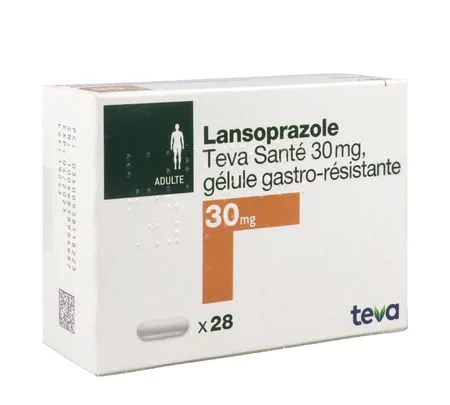
LANSOPRAZOLE TEVA SANTE 30 mg, gastro-resistant capsule
Forms and presentations
Gastro-resistant capsule.
Each capsule contains white to beige gastro-resistant micropellets; the capsule is white and marked "L" and "30".
Composition
Lansoprazole..................................................................................................................................................30 mg
For a gastro-resistant capsule.
Excipient with known effect: each capsule contains 59,8 mg of sucrose.
Sugar spheres (containing in particular sucrose and maize starch), sodium starch glycolate, sodium lauryl sulfate, povidone K30, potassium oleate, oleic acid, hypromellose, methacrylic acid-ethyl acrylate copolymer, triethyl citrate, titanium dioxide (E 171), talc.
Capsule shell: hypromellose, carrageenan, potassium chloride, carnauba wax, titanium dioxide (E 171), printing ink*.
*Printing ink: shellac, anhydrous ethanol, isopropyl alcohol, propylene glycol, butanol, concentrated ammonia solution, potassium hydroxide, black iron oxide (E 172).
Indications
LANSOPRAZOLE TEVA SANTE is indicated in adults.
• Treatment of duodenal ulcer and gastric ulcer.
• Treatment of reflux oesophagitis.
• Prevention of reflux oesophagitis.
• Eradication of Helicobacter pylori (H. pylori) by concomitant administration of appropriate antibiotic therapy for the treatment of ulcers associated with H. pylori.
• Treatment of duodenal ulcer and benign gastric ulcer, induced by NSAIDs in patients requiring continuous NSAID treatment.
• Prevention of NSAID-induced duodenal ulcer and gastric ulcer in patients at risk (see section Dosage and administration) requiring continuous NSAID treatment.
• Symptomatic gastro-oesophageal reflux.
• Zollinger-Ellison syndrome.
Dosage and administration
Dosage
Treatment of duodenal ulcer:
The recommended dose is 30 mg once a day for 2 weeks. In patients whose healing is not complete after this period, treatment should be continued, at the same dose, for an additional 2 weeks.
Treatment of gastric ulcer:
The recommended dose is 30 mg once daily for 4 weeks. The ulcer usually heals in 4 weeks, but in patients whose healing is not complete after this period, treatment may be continued, at the same dose, for an additional 4 weeks.
Reflux oesophagitis :
The recommended dose is 30 mg once daily for 4 weeks. In patients whose healing is not complete after this period, treatment may be continued, at the same dose, for an additional 4 weeks.
Prevention of reflux oesophagitis:
15 mg once a day. The dose may be increased up to 30 mg per day if necessary.
Eradication of Helicobacter pylori:
The choice of the appropriate associated treatment is made according to the official local recommendations concerning bacterial resistance, the duration of treatment (usually 7 days, but sometimes up to 14 days), and the appropriate use of antibacterial agents.
The recommended dose is 30 mg of lansoprazole twice daily for 7 days in combination with one of the following combinations:
• 250-500 mg of clarithromycin twice daily + 1 g of amoxicillin twice daily,
• 250 mg of clarithromycin twice a day + 400-500 mg of metronidazole twice a day.
Eradication rates of H. pylori up to 90% are obtained when clarithromycin is combined with lansoprazole and amoxicillin or metronidazole.
Six months after successful eradication therapy, the risk of reinfection is low and relapse is therefore unlikely.
The use of a regimen comprising 30 mg of lansoprazole twice daily, 1 g of amoxicillin twice daily and 400-500 mg of metronidazole twice daily has also been studied. Using this combination, lower eradication rates were observed than for regimens involving clarithromycin. They may be adapted for patients unable to take clarithromycin as part of eradication therapy, where local rates of metronidazole resistance are low.
Treatment of NSAID-induced duodenal ulcer and benign gastric ulcer in patients requiring continuous NSAID therapy :
30 mg once daily for 4 weeks. In patients whose ulcer has not fully healed, treatment may be continued for an additional 4 weeks. In patients at risk or with difficult-to-heal ulcers, a longer treatment duration and/or a higher dose may be used.
Prevention of NSAID-induced duodenal ulcer and gastric ulcer in at-risk patients (aged over 65 years or with a history of gastric or duodenal ulcer) requiring prolonged NSAID treatment:
15 mg once a day. If treatment fails, the dose of 30 mg once a day should be used.
Symptomatic gastro-esophageal reflux :
The recommended dose is 15 mg or 30 mg per day. Symptom relief is obtained rapidly. Individual dose adjustment should be considered. If symptoms are not relieved within 4 weeks with a daily dose of 30 mg, further investigations are recommended.
Zollinger-Ellison syndrome :
The recommended initial dose is 60 mg once a day. The dose should be adjusted individually and treatment should be continued for as long as necessary. Daily doses up to 180 mg have been used. If the required daily dose exceeds 120 mg, it should be divided and administered in two doses.
Special populations
Renal insufficiency:
No dose adjustment is necessary in patients with renal impairment.
Hepatic impairment:
Patients with severe or moderate hepatic diseases must be kept under regular monitoring and a reduction of 50 % of the daily dose is recommended (see sections Warnings and precautions and Pharmacokinetics).
Elderly subjects:
Due to the reduced clearance of lansoprazole in elderly subjects, individual dose adjustment may be necessary. A daily dose of 30 mg must not be exceeded in elderly subjects, unless there are relevant clinical indications.
Paediatric population:
In the absence of sufficient clinical data, the use of LANSOPRAZOLE TEVA SANTE is not recommended in children (see section Pharmacokinetics) and studies in juvenile animals have shown results whose relevance to humans is currently unknown (see section Preclinical safety). Treatment in infants under one year of age should be avoided, as the available clinical data have not demonstrated a beneficial effect of lansoprazole in the treatment of gastro-oesophageal reflux.
Method of administration
For optimal effect, LANSOPRAZOLE TEVA SANTE should be taken once daily in the morning, except in the case of eradication of H. pylori for which treatment should be taken twice daily, once in the morning and once in the evening. LANSOPRAZOLE TEVA SANTE should be taken at least 30 minutes before meals (see section Pharmacokinetics). The capsules must be swallowed whole with a liquid.
For patients having difficulty swallowing, studies and clinical practice suggest that the capsules may be opened and the micro-granules mixed with a small amount of water, apple juice or tomato juice, or sprinkled on a small amount of non-solid food (for example: yoghurt, apple sauce) to facilitate administration. The capsules may also be opened and the micro-granules mixed with 40 ml of apple juice for administration via nasogastric tube (see section Pharmacokinetics). After preparation of the suspension or mixture, the medicinal product must be administered immediately.
Contraindications
• Hypersensitivity to the active substance or to any of the excipients listed in section Composition.
Warnings and precautions
Malignant gastric tumour
As with all other anti-ulcer treatments, the possibility of a malignant gastric tumour should be excluded when treating gastric ulcer with lansoprazole, as lansoprazole may mask symptoms and delay diagnosis.
HIV protease inhibitors
Concomitant administration of lansoprazole and HIV protease inhibitors, for which absorption is pH-dependent, such as atazanavir and nelfinavir, is not recommended as it could significantly reduce their bioavailability (see section Interactions).
Hypomagnesaemia
Cases of severe hypomagnesaemia have rarely been reported in patients treated with proton pump inhibitors (PPIs) such as lansoprazole, for at least three months and, in most cases, for one year. Hypomagnesaemia may manifest with serious clinical signs such as fatigue, tetany, delirium, convulsions, dizziness, ventricular arrhythmia, but it may begin insidiously and go unnoticed. Hypomagnesaemia may lead to hypocalcaemia and/or hypokalaemia (see section Adverse effects). In most patients, hypomagnesaemia (and hypomagnesaemia associated with hypocalcaemia and/or hypokalaemia) improved after magnesium supplementation and discontinuation of the PPI.
In patients requiring prolonged treatment, or when PPIs are combined with digoxin or with medicines that may induce hypomagnesaemia (for example diuretics), healthcare professionals should consider measuring blood magnesium levels before starting PPI treatment and periodically thereafter during treatment.
Influence on the absorption of vitamin B12
Lansoprazole, like any gastric antisecretory agent, may decrease the absorption of vitamin B12 (cyanocobalamin) due to hypo- or achlorhydria. This should be taken into account in patients with reduced stores or with risk factors for decreased absorption of vitamin B12 during long-term treatment, or if clinical symptoms are observed.
Hepatic impairment
Lansoprazole should be used with caution in patients with severe or moderate hepatic impairment (see sections Dosage and administration and Pharmacokinetics).
Gastrointestinal infections caused by bacteria
Lansoprazole, like all PPIs, may increase the levels of bacteria normally present in the gastrointestinal tract. This may lead to an increased risk of gastrointestinal infections caused by bacteria such as Salmonella, Campylobacter and Clostridium difficile.
In patients with gastroduodenal ulcers, the possibility of infection by H. pylori as an aetiological factor should be considered.
If lansoprazole is used in combination with antibiotics for eradication treatment of H. pylori, then the summary of product characteristics of these antibiotics must also be followed.
Long-term treatment
Due to limited safety data in patients receiving maintenance treatment for more than one year, regular monitoring of treatment and a thorough reassessment of the benefit/risk ratio should be regularly performed in these patients.
Gastrointestinal disorders
Very rare cases of colitis have been reported in patients taking lansoprazole. Therefore, in the case of severe and/or persistent diarrhoea, discontinuation of treatment should be considered. persistent, discontinuation of treatment should be considered.
Concomitant administration of NSAIDs
Treatment for the prevention of peptic ulceration in patients requiring continuous treatment with NSAIDs must be limited to patients at at high risk (for example: history of gastrointestinal haemorrhage, perforation or ulcer, advanced age, drug combination known to increase the likelihood of occurrence of upper gastrointestinal adverse events [for example: corticosteroids or anticoagulants], presence of a serious comorbid factor or prolonged use of NSAIDs at the maximum recommended doses).
Bone fracture
Proton pump inhibitors, particularly if used at high doses and over a prolonged period (>1 year), may moderately increase the risk of hip, wrist and vertebral fracture, mainly in elderly subjects or in the presence of other identified risk factors. Observational studies suggest that proton pump at inhibitors may increase the overall risk of fracture by 10 at 40 %. This increase may be partly due at to other risk factors. Patients at risk of osteoporosis should be managed in accordance with current recommendations and receive an adequate intake of vitamin D and calcium.
Severe cutaneous adverse reactions
Severe cutaneous adverse reactions (SCAR), including Stevens-Johnson syndrome (SJS), toxic epidermal necrolysis (TEN) and drug reaction with eosinophilia and systemic symptoms (DRESS syndrome), which may be life-threatening or fatal, have been reported in association with lansoprazole with an unknown frequency (see section Adverse effects). At the time of prescription, patients must be informed of the signs and symptoms of skin reactions and closely monitored. If signs and symptoms suggestive of these reactions appear, lansoprazole must be stopped immediately and an alternative treatment must be considered.
Subacute cutaneous lupus erythematosus (SCLE)
Proton pump inhibitors (PPIs) are associated with very occasional cases of SCLE. If lesions develop, particularly on sun-exposed skin areas, and if they are accompanied by arthralgia, the patient should consult a doctor promptly and the healthcare professional should consider discontinuing LANSOPRAZOLE TEVA SANTE. The occurrence of SCLE after treatment with a proton pump inhibitor may increase the risk of SCLE with other proton pump inhibitors.
Impairment of renal function
Acute tubulo-interstitial nephritis (TIN) has been observed in patients taking lansoprazole and may occur at any time during treatment with lansoprazole (see section Adverse effects). Acute tubulointerstitial nephritis may progress to renal failure.
In case of suspected TIN, lansoprazole must be discontinued and appropriate treatment must be promptly initiated.
Interference with laboratory tests
Increased Chromogranin A (CgA) levels may interfere with tests performed for the investigation of neuroendocrine tumours. To avoid this interference, treatment with LANSOPRAZOLE TEVA SANTE must be interrupted at least 5 days before measuring CgA levels (see section Pharmacodynamics). If CgA and gastrin levels have not normalised after the initial measurement, measurements should be repeated 14 days after stopping treatment with the proton pump inhibitor.
Excipients
Sucrose
Patients with fructose intolerance, glucose-galactose malabsorption syndrome or sucrase/isomaltase deficiency (rare hereditary diseases) must not take this medicine.
Sodium
This medicine contains less than 1 mmol (23 mg) of sodium per capsule, that is to say it is essentially "sodium-free" without sodium ».
Interactions
Effects of lansoprazole on other medicines
Medicines with pH-dependent absorption
Lansoprazole may interfere with the absorption of other medicinal products for which gastric pH is a determining factor of their oral bioavailability.
HIV protease inhibitors:
Concomitant administration of lansoprazole and HIV protease inhibitors, for which absorption is pH-dependent, such as atazanavir and nelfinavir, is not recommended as this could significantly reduce their bioavailability (see section Warnings and precautions).
Ketoconazole and itraconazole:
The absorption of ketoconazole and itraconazole in the gastrointestinal tract is increased in the presence of gastric acid. Administration of lansoprazole may lead to concentrations of ketoconazole and itraconazole below the therapeutic threshold, and the combination should be avoided.
Digoxin:
The combination of lansoprazole and digoxin may lead to an increase in plasma concentration of digoxin. Plasma concentrations of digoxin should therefore be monitored and the digoxin dose adjusted if necessary at the start and end of lansoprazole treatment.
Methotrexate
Concomitant use of high doses of methotrexate may increase and prolong blood levels of methotrexate and/or its metabolites, which may lead to methotrexate toxicity. Therefore, in situations where high doses of methotrexate are used, temporary discontinuation of lansoprazole treatment should be considered.
Warfarin
The combination of 60 mg of lansoprazole and warfarin did not affect the pharmacokinetics of warfarin or the INR. However, a few cases of increased INR and prothrombin time have been reported with concomitant administration of warfarin and PPIs. An increase in INR and prothrombin time may cause haemorrhage, potentially fatal. Consequently, in patients treated concurrently with lansoprazole and warfarin, monitoring of INR and prothrombin time is recommended, particularly at the start and end of concomitant treatment.
Medicines metabolised by cytochrome P450 enzymes
Lansoprazole may increase plasma concentrations of medicines metabolised by CYP3A4. Caution is recommended when combining lansoprazole with medicines metabolised by this enzyme that have a narrow therapeutic margin.
Theophylline:
Lansoprazole reduces the plasma concentration of theophylline, which may decrease the expected clinical effect. The patient should be monitored in case of concomitant administration of lansoprazole and theophylline.
Tacrolimus:
Concomitant administration of lansoprazole increases plasma concentrations of tacrolimus (a substrate of CYP3A and P-gp). Taking lansoprazole increases the mean tacrolimus level by up to 81 %.
Monitoring of plasma tacrolimus concentrations is recommended at the start or end of treatment with lansoprazole.
Medicines transported by P-glycoprotein
Inhibition of P-glycoprotein (P-gp) by lansoprazole has been observed in vitro. The clinical relevance of this is unknown.
Effects of other medicinal products on lansoprazole
Medicinal products inhibiting CYP2C19
Fluvoxamine:
A dose reduction may be considered when lansoprazole is combined with fluvoxamine, an inhibitor of CYP2C19. Plasma concentrations of lansoprazole are increased up to 4 times normal.
Medicinal products inducing CYP2C19 and CYP3A4
Enzyme inducers affecting CYP2C19 and CYP3A4, such as rifampicin and St John's wort (Hypericum perforatum) may substantially reduce plasma concentrations of lansoprazole.
Other
Sucralfate/Antacids:
Sucralfate and antacids may reduce the bioavailability of lansoprazole. Therefore, lansoprazole must be taken at least 1 hour after taking these medicines.
No clinically significant interaction between lansoprazole and non-steroidal anti-inflammatory drugs has been demonstrated, although no formal interaction study has been performed.
Fertility, pregnancy and breastfeeding
Pregnancy
There are limited data on the use of lansoprazole in pregnant women. Animal studies have not shown direct or indirect harmful effects on pregnancy, embryonic/foetal development, delivery or post-natal development.
As a precaution, it is preferable to avoid the use of lansoprazole during pregnancy.
Breast-feeding
It is not known whether lansoprazole is excreted in human milk. Animal studies have shown excretion of lansoprazole in milk.
A decision must be made whether to discontinue/continue breast-feeding or to discontinue/continue treatment with lansoprazole, taking into account the benefit of breast-feeding for the child against the benefit of treatment for the woman.
Fertility
No data on the effect of lansoprazole on human fertility are available. Lansoprazole had no effect on fertility in male and female rats.
Driving and using machines
Undesirable effects, such as dizziness, vertigo, visual disturbances and drowsiness may occur (see section Adverse effects). In these circumstances, the ability to react may be reduced.
Adverse effects
Table listing adverse reactions
Frequencies are defined as frequent (≥ 1/100, < 1/10); uncommon (≥ 1/1 000, < 1/100); rare (≥ 1/10.000, < 1/1 000); very rare (< 1/10 000); not known (cannot be estimated from the available data). For all adverse reactions reported after marketing, it is not possible to attribute this frequency category, therefore they are listed as occurring with a frequency of 'not known'.
Within each frequency group, adverse reactions are presented in order of decreasing seriousness.
|
Frequency System organ class |
Common |
Uncommon |
Rare |
Very rare |
Not known |
|
Blood and lymphatic system disorders |
|
Thrombocytopenia*, eosinophilia, leucopenia* |
Anaemia |
Agranulocytosis*, pancytopenia* |
|
|
Immune system disorders |
|
|
|
Anaphylactic shock* |
|
|
Metabolism and nutrition disorders |
|
|
|
|
Hyponatremia*, Hypomagnesemia*, Hypocalcaemia*ϯ and Hypokalaemia*ϯ |
|
Psychiatric disorders |
|
Depression |
Insomnia, hallucination, confusion |
|
Visual hallucinations |
|
Nervous system disorders |
Headache, dizzy sensation |
|
Restlessness, vertigo, paresthesia, somnolence, tremors |
|
|
|
Eye disorders |
|
|
Visual disorders |
|
|
|
Gastrointestinal disorders |
Nausea, diarrhoea, abdominal pain, constipation, vomiting, flatulence, dryness of the mouth or throat, fundic gland polyps (benign) |
|
Glossitis, oesophageal candidiasis, pancreatitis, taste disturbances |
Colitis*, stomatitis |
|
|
Hepatobiliary disorders |
Increase in liver enzyme levels |
|
Hepatitis, jaundice |
|
|
|
Disorders of the skin and subcutaneous tissue |
Urticaria, pruritus, rash |
|
Petechiae, purpura, hair loss, erythema multiforme, photosensitivity |
Stevens-Johnson syndrome*, toxic epidermal necrolysis* |
Subacute cutaneous lupus erythematosus* (see section Warnings and precautions), and drug reaction with eosinophilia and systemic symptoms (DRESS syndrome). |
|
Musculoskeletal and systemic disorders |
|
Arthralgia, myalgia, fracture of the hip, wrist or vertebrae (see section Warnings and precautions) |
|
|
|
|
Renal and urinary disorders |
|
|
Tubulo-interstitial nephritis (with possible progression to renal failure) |
|
|
|
Disorders of the reproductive system and breast |
|
|
Gynaecomastia |
|
|
|
General disorders and administration site conditions |
Fatigue |
Oedema |
Fever, hyperhidrosis, angioedema, anorexia, impotence |
|
|
|
Investigations |
|
|
|
Increased cholesterol and triglyceride levels, hyponatraemia |
|
* Adverse effects observed after the approval of dexlansoprazole (these effects having been reported voluntarily by a population of uncertain size, the frequency cannot be estimated on the basis of available data)
ϯ Hypocalcemia and/or hypokalemia may be related to the onset of hypomagnesemia (see section Warnings and precautions)
Reporting of suspected adverse reactions
Reporting suspected adverse reactions after authorisation of the medicinal product is important. It allows continued monitoring of the benefit/risk balance of the medicinal product. Healthcare professionals are asked to report any suspected adverse reaction via the national reporting system: National Agency for the Safety of Medicines and Health Products (ANSM) and the network of Regional Centres of Pharmacovigilance - Website: https://signalement.social-sante.gouv.fr/.
Overdose
The effects of an overdose of lansoprazole in humans are not known (although acute toxicity is probably low), and, therefore, no treatment recommendations can be specified. However, daily doses of up to 180 mg of lansoprazole orally and up to 90 mg of lansoprazole intravenously have been administered during clinical trials without causing significant undesirable effects.
Please refer to section Adverse effects regarding possible symptoms of an overdose of lansoprazole.
In case of suspected overdose, the patient should be monitored. Lansoprazole is not significantly eliminated by haemodialysis. If necessary, gastric lavage, the use of charcoal, and symptomatic treatment are recommended.
Pharmacodynamics
Pharmacotherapeutic class: Proton pump inhibitors, ATC code: A02BC03
Lansoprazole is a gastric proton pump inhibitor. It inhibits the final stage of gastric acid formation by inhibiting the activity of the H/K ATPase proton pump+/K+ ATPase at the level of the parietal cells of the stomach. The inhibition is reversible and dose-dependent. Its effects are exerted on both basal and stimulated gastric acid secretion.
Lansoprazole concentrates in the parietal cells and becomes active in their acidic environment and reacts with the sulfhydryl group of the H/K ATPase proton pump, resulting in inhibition of the enzyme's activity.+/K+ ATPase resulting in inhibition of enzyme activity.
Effect on gastric acid secretion:
Lansoprazole is a specific inhibitor of the parietal cell proton pump.
A single oral dose of lansoprazole inhibits approximately 80 % of pentagastrin-stimulated gastric acid secretion. After repeated daily administration over a period of seven days, approximately 90 % of gastric secretion is inhibited. It has a similar effect on basal gastric acid secretion. A single oral administration of 30 mg reduces basal secretion by approximately 70 %; patients' symptoms are therefore improved from the first dose. After 8 days of repeated administration, the reduction is approximately 85 %. Rapid relief of symptoms is obtained with one capsule (30 mg) per day, and most patients with duodenal ulcer heal within 2 weeks, patients with gastric ulcer or reflux oesophagitis within 4 weeks. By reducing gastric acidity, lansoprazole creates an environment in which appropriate antibiotics can be effective against H. pylori.
During treatment with antisecretory medicinal products, serum gastrin concentration increases in response to decreased acid secretion. Similarly, CgA levels increase due to decreased gastric acidity. The increase in CgA levels may interfere with tests performed to investigate neuroendocrine tumours.
According to published data, proton pump inhibitor intake should be discontinued between 5 days and 2 weeks before measuring CgA levels. The aim is to allow CgA levels, which may have been artificially increased by PPI intake, to return to normal.
Pharmacokinetics
Lansoprazole is a racemate of two active enantiomers that are biotransformed into the active form in the acidic environment of parietal cells. Since lansoprazole is rapidly inactivated by gastric acid, it is administered per os in gastro-resistant form for systemic absorption.
Absorption and distribution
The bioavailability of lansoprazole after a single dose is high (80-90 %). Maximum plasma concentrations are reached in 1,5 to 2,0 hours.
Food intake slows the rate of absorption of lansoprazole and reduces its bioavailability by approximately 50 %. Plasma protein binding is 97 %.
Studies have shown that the microgranules obtained from opening a capsule give an area under the curve (AUC) equivalent to that of the intact capsule if the microgranules are mixed in a small amount of orange juice, apple juice or tomato juice, or mixed with a tablespoon of apple or pear sauce, or sprinkled on a tablespoon of yogurt, dessert cream or fresh cheese. An equivalent AUC was also found for microgranules mixed with apple juice administered via nasogastric tube.
Biotransformation and elimination
Lansoprazole is mainly metabolised by the liver and the metabolites are excreted via the renal and biliary routes. Metabolism of lansoprazole is mainly catalysed by the enzyme CYP2C19. The enzyme CYP3A4 also contributes to its metabolism. The plasma elimination half-life of lansoprazole is between 1,0 and 2,0 hours depending on single or multiple doses administered to healthy subjects. There is no evidence of accumulation after multiple doses in healthy subjects. The sulfone, sulfide and 5-hydroxy derivatives of lansoprazole have been identified in plasma. These metabolites have weak or no antisecretory activity.
A study with lansoprazole labelled with 14C indicated that about one third of the administered amount was excreted in urine and two thirds in faeces.
Special populations
Elderly patients
The clearance of lansoprazole is reduced in elderly subjects, with an elimination half-life increased by approximately 50% to 100%. Maximum plasma concentrations are not increased in elderly subjects.
Paediatric population
Evaluation of the pharmacokinetics in children aged 1 to 17 years showed exposure similar to that of adults with doses of 15 mg for those weighing less than 30 kg and 30 mg for those above. The study of a dose of 17 mg/m2 of body surface area or 1 mg/kg of body weight showed comparable exposure to lansoprazole in children aged 2-3 months to one year compared with adults.
Higher exposure to lansoprazole compared with adults has been reported in children under 2-3 months with single doses of 1,0 mg/kg and 0,5 mg/kg body weight.
Hepatic impairment
Exposure to lansoprazole is doubled in patients with mild hepatic impairment and even higher in patients with moderate to severe hepatic impairment.
Slow metabolisers of CYP2C19
CYP2C19 is subject to genetic polymorphism, and 2 to 6% of the population, called poor metabolisers (PM), are homozygous for the allelic mutation of CYP2C19 and therefore have a deficiency of functional CYP2C19 enzyme. Exposure to lansoprazole is increased several-fold in PMs compared with extensive metabolisers (EM).
Preclinical safety
Non-clinical data from conventional safety pharmacology, repeated-dose toxicity, reproductive toxicity or genotoxicity studies did not reveal any particular risk for humans.
In two carcinogenicity studies conducted in rats, lansoprazole caused dose-related gastric enterochromaffin-like (ECL) cell hyperplasia and ECL cell carcinoids associated with hypergastrinaemia in relation to inhibition of acid secretion. Intestinal metaplasia was also observed, as well as Leydig cell hyperplasia and benign Leydig cell tumours. After 18 months of treatment, retinal atrophy was observed. This was not seen in monkeys, dogs or mice.
In mice, during carcinogenicity studies, dose-related gastric enterochromaffin-like (ECL) cell hyperplasia, hepatic tumours and adenomas of the rete testis.
The clinical relevance of this finding is not known.
Study in juvenile animals:
Studies in juvenile rats (a 8-week study, a 6-week toxicokinetic dose-titration study, a developmental sensitivity study) covering the paediatric population under 12 years showed an increased incidence of thickening of the cardiac valves. The findings were reversed or tended to be reversible after a recovery period of 4 weeks without drug.
Juvenile rats under 21 days of age (age equivalent to approximately 2 years in humans) were more susceptible to developing thickening of the cardiac valves. The safety margin relative to the expected human exposure is in the order of 3 to 6 times the exposure in the juvenile studies based on the AUC at the no observed effect dose (no-observed-effect level, NOEL) (a 8-week study, a 6-week toxicokinetic dose-titration study) or at the lowest dose at which an effect is observed (lowest-observed-effect level, LOEL) (developmental sensitivity study).
The relevance of these findings for paediatric patients under 12 years is unknown.
Prescription, supply and reimbursement
| Marketing authorisation (AMM) |
|
| Price: |
|
Collection.
COEUR DEFENSE 100-110 ESPLANADE DU GAL DE GAULLE
92931 PARIS LA DEFENSE CEDEX
Tel: 01 55 91 78 00 www.teva-sante.fr
Source: VIDAL · Updated on 11/11/2026. This information does not replace advice from a healthcare professional.