
Medicines
SmPC of 12/06/2020
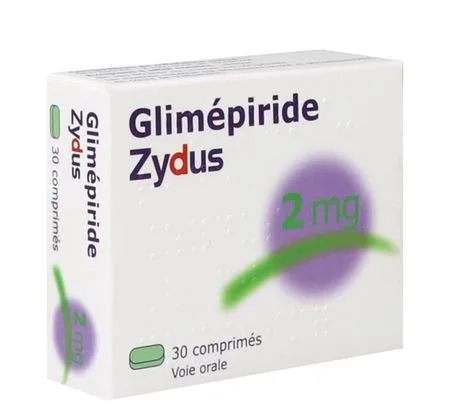
GLIMEPIRIDE ZYDUS 2 mg, tablet
Composition
Glimepiride..............................................................................................................................................................2 mg
For one tablet.
Excipient with notable effect: Lactose monohydrate (139,500 mg).
Lactose monohydrate, sodium carboxymethyl starch, povidone K25, microcrystalline cellulose, magnesium stearate, yellow iron oxide (E172), indigotine aluminium lake (E132).
Indications
This medicine is indicated in diabetes mellitus (type 2) in adults, when diet, physical exercise and weight reduction alone are not sufficient to restore glycaemic control.
Dosage and administration
The basis of effective diabetes treatment is an appropriate diet, regular physical activity, and regular blood and urine tests. Failure to follow the diet cannot be compensated by taking tablets or insulin treatment.
Dosage
The dosage depends on blood glucose and urine glucose results.
Several strengths are available for the different dosages.
The initial dose of glimepiride is 1 mg per day:
- If glycaemic control is satisfactory, this dose may be maintained as maintenance treatment.
- If glycaemic control is insufficient, the dose should be increased according to the glycaemic profile to 2, 3 or 4 mg per day, in successive steps, respecting an interval of approximately 1 to 2 weeks between each step.
A dose higher than 4 mg/day of glimepiride gives better results only in exceptional cases. The recommended maximum dose is 6 mg of glimepiride per day.
In patients insufficiently controlled with maximum daily doses of metformin, the addition of glimepiride may be initiated. While maintaining the metformin dose, glimepiride will be started at low doses, then gradually increased up to maximum doses, depending on the desired metabolic control. The combination will be initiated under strict medical supervision.
In patients insufficiently controlled by GLIMEPIRIDE ZYDUS at the maximum dose, insulin treatment may be added if necessary. Insulin therapy will be started at a low dose while maintaining the glimepiride dose.
The insulin dose will be adjusted according to the desired level of glycaemic control. Combination with insulin should be initiated under strict medical supervision.
As a general rule, a single daily intake of GLIMEPIRIDE ZYDUS is sufficient. It is recommended to take the medicine immediately before or during a substantial breakfast or - if the patient does not eat breakfast - immediately before or during the first main meal.
A missed dose must never be compensated by taking a higher dose.
If the patient presents a hypoglycaemic reaction after taking one tablet per day of GLIMEPIRIDE ZYDUS 1 mg, a diet-only treatment may be considered for this patient.
Requirements for GLIMEPIRIDE ZYDUS may decrease during treatment, as improved glycaemic control results in greater insulin sensitivity. In order to reduce the risk of hypoglycaemia, a dose reduction or discontinuation of treatment may then be considered.
A dose modification may also be necessary in the following cases: change in the patient's weight, change in lifestyle, or occurrence of factors likely to increase the risk of hypoglycaemia or hyperglycaemia.
Switching from another oral antidiabetic to GLIMEPIRIDE ZYDUS
Switching from an oral antidiabetic to GLIMEPIRIDE ZYDUS can generally be considered.
For switching to GLIMEPIRIDE ZYDUS, the dose and half-life of the previous antidiabetic must be taken into account.
In certain cases, particularly with long-acting antidiabetic agents (e.g., chlorpropamide), a therapeutic washout period of a few days may be necessary to avoid an additive effect of the two products, which risks causing hypoglycaemia.
It is recommended to start glimepiride treatment at a dose of 1 mg per day. Depending on the response obtained, the dose may be increased in successive steps, as indicated previously.
Bridging from insulin to GLIMEPIRIDE ZYDUS
In exceptional cases of patients with type 2 diabetes controlled by insulin, bridging with GLIMEPIRIDE ZYDUS may be indicated.
This switch must be carried out under strict medical supervision.
Special populations
Patients with renal or hepatic impairment:see section Contraindications.
Paediatric population:
There are no data available on the use of glimepiride in patients under 8 years of age. In children aged 8 to 17 years, data on the use of glimepiride as monotherapy are limited (see sections Pharmacodynamics and Pharmacokinetics).
The use of glimepiride is not recommended in the paediatric population given the lack of sufficient data on tolerability and efficacy.
Method of administration
Oral use.
The tablets are to be swallowed without chewing, with a little liquid.
Contraindications
GLIMEPIRIDE ZYDUS must not be taken in the following cases:
- Hypersensitivity to glimepiride, to other sulfonylureas, to sulfonamides, or to any of the excipients mentioned in the section Composition.
- Type 1 diabetes.
- Diabetic coma.
- Ketoacidosis.
- Severe renal or hepatic impairment: in these situations, the use of insulin is recommended.
Warnings and precautions
GLIMEPIRIDE ZYDUS should be taken shortly before or during a meal.
In case of meals taken at irregular intervals, and particularly in case of skipping a meal, treatment with GLIMEPIRIDE ZYDUS may lead to hypoglycaemia. Possible symptoms of hypoglycaemia are: headache, intense hunger, nausea, vomiting, lethargy, drowsiness, sleep disturbances, agitation, aggressiveness, decreased concentration, alertness and reaction, depression, confusion, visual and speech disorders, aphasia, tremor, paresis, sensory disorders, dizziness, feeling of weakness, loss of self-control, delirium, convulsions, drowsiness and loss of consciousness up to coma, shallow breathing and bradycardia.
In addition, signs of adrenergic counter-regulation may be observed: profuse sweating, clammy skin, anxiety, tachycardia, hypertension, palpitations, angina pectoris and cardiac arrhythmia.
The clinical picture of a severe hypoglycaemic episode may resemble a stroke.
Symptoms generally disappear after intake of carbohydrates (sugar).
On the other hand, artificial sweeteners have no effect. Experience with other sulfonylureas shows that, despite initially effective measures, hypoglycaemia may recur.
In case of severe or prolonged hypoglycaemia, even if temporarily controlled by sugar intake, immediate medical treatment, or even hospitalisation, may be necessary.
Factors favouring hypoglycaemia:
- Refusal or (particularly in elderly patients) inability of the patient to cooperate.
- Malnutrition, irregular meal schedule, skipping meals, or periods of fasting.
- Change in diet.
- Imbalance between physical exercise and carbohydrate intake.
- Alcohol consumption, particularly in the absence of food.
- Renal insufficiency.
- Severe hepatic insufficiency.
- Overdose of GLIMEPIRIDE ZYDUS.
- Certain uncompensated disorders of the endocrine system affecting carbohydrate metabolism or counter-regulation of hypoglycaemia (certain thyroid function disorders, pituitary or adrenal insufficiency).
- Concomitant administration of certain other medicinal products (see section Interactions).
Treatment with GLIMEPIRIDE ZYDUS requires regular monitoring of blood and urine glucose. In addition, measurement of glycosylated haemoglobin level is recommended.
Regular monitoring of the blood count (in particular leukocytes and platelets) and of liver function is necessary during treatment with GLIMEPIRIDE ZYDUS. In stressful situations (accidents, major operations, infections with fever, etc.), a temporary switch to insulin may be indicated.
No experience is available regarding the use of GLIMEPIRIDE ZYDUS in patients with severe hepatic impairment and in dialysed patients. In patients with severe renal or hepatic impairment, a switch to insulin is recommended.
Treatment with a medicinal product of the sulfonylurea class may cause haemolytic anaemia in patients with a deficiency of the enzyme glucose-6-phosphate dehydrogenase (G6PD). As glimepiride belongs to this class, precautions should be taken in patients deficient in G6PD, and a therapeutic class other than sulfonylureas should be considered.
This medicine contains lactose. Patients with galactose intolerance, total lactase deficiency or glucose-galactose malabsorption syndrome (rare hereditary diseases) must not take this medicine.
Interactions
Concomitant intake of glimepiride with other medicinal products may lead to an unwanted increase or decrease in the hypoglycaemic effect of glimepiride. For this reason, any other medicinal product should only be taken with the agreement (or on the prescription) of a physician.
Glimepiride is metabolised by cytochrome P450 2C9 (CYP2C9). Its metabolism is altered when it is combined with inducers of CYP2C9 (e.g. rifampicin) or inhibitors (e.g. fluconazole).
According to the results of a published interaction study in vivo, the area under the curve (AUC) of glimepiride is approximately doubled in the presence of fluconazole, one of the most potent inhibitors of CYP2C9.
Based on the known experience with GLIMEPIRIDE ZYDUS and sulfonylureas, the following interactions should be mentioned:
Potentiation of the hypoglycaemic effect, in which case hypoglycaemia may occur when one of the following treatments is taken:
- Phenylbutazone, azapropazone and oxyphenbutazone.
- Insulin and oral antidiabetic agents, such as metformin.
- Salicylates and para-aminosalicylic acid.
- Anabolic steroids and male sex hormones.
- Chloramphenicol, certain long-acting sulfonamides, tetracyclines, antibiotics of the quinolone family and clarithromycin.
- Coumarin anticoagulants.
- Disopyramide.
- Fenfluramine.
- Fibrates.
- Angiotensin-converting enzyme inhibitors.
- Fluoxetine, MAOIs.
- Allopurinol, probenecid, sulfinpyrazone.
- Sympatholytics.
- Cyclophosphamide, trofosfamide and ifosfamide.
- Miconazole, fluconazole.
- Pentoxifylline (at high doses by parenteral route).
- Tritoqualine.
Reduced hypoglycaemic effect and in this case, hyperglycaemia may occur when one of the following treatments is taken:
- Estrogens and progestogens.
- Potassium-sparing diuretics and thiazide diuretics.
- Thyromimetics, glucocorticoids.
- Phenothiazine derivatives, chlorpromazine.
- Adrenaline and sympathomimetics.
- Nicotinic acid (high dose) and nicotinic acid derivatives.
- Laxatives (long-term use).
- Phenytoin, diazoxide.
- Glucagon, barbiturates and rifampicin.
- Acetazolamide.
Potentiation or reduction of the hypoglycaemic effect:
- H receptor antagonists2, beta-blockers, clonidine and reserpine may cause potentiation or a decrease in the hypoglycaemic effect.
- Under the influence of sympatholytic medicinal products such as beta-blockers, clonidine, guanethidine and reserpine, the signs of adrenergic counter-regulation to hypoglycaemia may be reduced or absent.
- Alcohol intake may exacerbate or attenuate the hypoglycaemic effect of glimepiride in an unpredictable manner.
Glimepiride may exacerbateor attenuate the effects of coumarin anticoagulants.
Colesevelam binds to glimepiride and reduces its absorption from the gastrointestinal tract. No interaction was observed when glimepiride was taken at least 4 hours before colesevelam. Therefore, glimepiride should be administered at least 4 hours before colesevelam.
Fertility, pregnancy and breastfeeding
Pregnancy
Risk related to diabetes
Abnormal blood glucose during pregnancy is associated with an increased incidence of congenital malformations and perinatal mortality. Blood glucose should be closely monitored during pregnancy to reduce the teratogenic risk. Diabetes in pregnant women requires insulin therapy. Patients who are considering pregnancy should inform their doctor.
Risk associated with glimepiride
There are currently no sufficient data on the use of glimepiride in pregnant women. Animal studies have shown reproductive toxicity probably related to the pharmacological action (hypoglycaemia) of glimepiride (see section Preclinical safety).
Consequently, glimepiride must not be used throughout pregnancy.
If pregnancy is planned or in case of an unexpected pregnancy discovered during treatment with glimepiride, treatment should be replaced as soon as possible with insulin.
Breast-feeding
In women, no data are available on the passage of glimepiride into breast milk.
In female rats, glimepiride is excreted in breast milk. Since other sulfonylureas are excreted in breast milk and given the risk of neonatal hypoglycaemia, breastfeeding is not recommended during treatment with this medicine.
Fertility
No data on fertility are available.
Driving and using machines
The effects on the ability to drive vehicles and use machines have not been studied.
Concentration abilities and reflexes may be reduced in cases of hypoglycaemia or hyperglycaemia or, for example, visual disturbances. This may represent a risk in situations where these abilities are of primary importance (for example driving a car or using machines).
Patients should be informed of the precautions to take before driving to avoid hypoglycaemia, particularly if the warning symptoms of hypoglycaemia are absent or diminished or if hypoglycaemic episodes are frequent. Driving a vehicle or using machines is not recommended in these circumstances.
Adverse effects
The following adverse effects, reported during clinical studies and based on available data with glimepiride and other sulfonylureas, are listed below by system organ class and in decreasing order of frequency: very common: ≥ 1/10; common: ≥ 1/100 to < 1/10; uncommon: ≥ 1/1 000 to < 1/100; rare ≥ 1/10 000 to < 1/1 000; very rare: < 1/10 000; frequency not known (cannot be estimated from the available data).
Blood disorders
Rare : thrombocytopenia, leukopenia, neutropenia, agranulocytosis, erythrocytopenia, haemolytic anaemia and pancytopenia, generally reversible on discontinuation of treatment.
Frequency not known : severe thrombocytopenia (platelet count < 10 000/mm3 or 10 giga/l) and thrombocytopenic purpura.
Immune system disorders
Very rare : leucocytoclastic angiitis, moderate hypersensitivity reactions that may progress to more severe reactions with dyspnoea, hypotension or even shock.
Frequency not known : cross-allergy with sulfonylureas, sulphonamides and their derivatives is possible.
Metabolic and nutritional disorders
Rare : hypoglycaemia.
These hypoglycaemias most often appear immediately, can be severe and sometimes difficult to correct.
The occurrence of these hypoglycaemias depends, as with any hypoglycaemic treatment, on individual factors such as eating habits and the dose of the hypoglycaemic agent (see section Warnings and precautions).
Visual disorders
Frequency not known : glycaemic changes may cause transient visual disturbances, particularly at the start of treatment.
Gastrointestinal disorders
Very rare : nausea, vomiting, diarrhoea, abdominal distension, abdominal discomfort and abdominal pain, which may exceptionally lead to discontinuation of treatment.
Rare : Dysgeusia.
Hepatobiliary disorders
Frequency not known : elevation of liver enzymes.
Very rare : impairment of liver function (with, for example, cholestasis and jaundice), or even hepatitis that may progress to hepatic failure.
Skin disorders
Frequency not known : hypersensitivity reactions (pruritus, urticaria, skin rash and photosensitivity) may occur.
Rare : alopecia.
Investigations
Very rare : hyponatremia.
Rare : weight gain.
Reporting of suspected adverse reactions
Reporting suspected adverse reactions after authorisation of the medicinal product is important. It allows continued monitoring of the benefit/risk balance of the medicinal product. Healthcare professionals are asked to report any suspected adverse reactions via the national reporting system: National Agency for the Safety of Medicines and Health Products (ANSM) and the network of Regional Pharmacovigilance Centres - Website:www.signalement-sante.gouv.fr.
Overdose
Symptoms
An overdose leads to hypoglycemia, which may last from 12 to 72 h and recur after recovery. Symptoms may occur up to 24 hours after ingestion. In general, monitoring in a hospital setting is recommended.
Nausea, vomiting and epigastric pain may occur.
Hypoglycemia can generally be accompanied by neurological symptoms such as agitation, tremors, visual disturbances, coordination problems, drowsiness, coma and convulsions.
Management
In order to prevent gastric absorption of glimepiride, initial treatment consists of inducing vomiting, then having the patient drink water or lemonade containing activated charcoal (adsorbent) and sodium sulfate (laxative).
In the event that large quantities have been ingested, gastric lavage is indicated, with activated charcoal and sodium sulfate being used subsequently.
In the case of a major (severe) overdose, hospitalization in an intensive care unit is essential. Glucose administration should be started as soon as possible, beginning if necessary with 50 ml of a 50 % solution as an intravenous bolus, followed by a 10 % solution as an infusion under strict blood glucose control. Then continue with symptomatic treatment.
When treating hypoglycemia due to accidental ingestion of GLIMEPIRIDE ZYDUS in infants and young children, the quantity of glucose ingested must be carefully sought and measured in order to avoid the occurrence of dangerous hyperglycemia for the child. Close monitoring of blood glucose must be carried out.
Pharmacodynamics
Pharmacotherapeutic class: Antidiabetic agents excluding insulins: sulfonylureas, ATC code: A10BB12
Glimepiride is a hypoglycemic sulfonamide belonging to the sulfonylurea class. It is used in non-insulin-dependent diabetes mellitus. It acts mainly by stimulating the release of insulin from the beta cells of the pancreatic islets of Langerhans. As with other sulfonylureas, this effect relies on an increase in the response of these cells to the physiological stimulus of glucose.
In addition, glimepiride, like other sulfonylureas, appears to exert significant extra-pancreatic effects.
Effects on insulin release
Sulfonylureas regulate insulin secretion by closing ATP-dependent potassium channels in the membrane of the beta cell. Closure of these potassium channels induces depolarization of the membrane, leading to increased calcium entry into the cell (through opening of calcium channels). The increase in intracellular calcium concentration stimulates the release of insulin by exocytosis.
Glimepiride binds (with rapid renewal) to a membrane protein of the beta cell. However, the binding protein, associated with ATP-dependent potassium channels, is different from that of other sulfonylureas.
Extra-pancreatic effects
The extra-pancreatic effects are an improvement in the sensitivity of peripheral tissues to insulin as well as a decrease in insulin uptake by the liver. Uptake of blood glucose by myocytes and adipocytes occurs via membrane transport proteins located in the cell membranes; glucose uptake being the rate-limiting step of glucose utilization.
Glimepiride very rapidly increases the number of active transporters in the membranes of muscle and fat cells, thereby stimulating glucose uptake.
Glimepiride increases the activity of glycosyl-phosphatidylinositol-specific phospholipase C; this increase may be related to the lipogenesis and glycogenogenesis induced by the drug in isolated adipocytes and muscle cells. Glimepiride inhibits hepatic glucose production by increasing the intracellular concentration of fructose 2,6-diphosphate, which in turn inhibits gluconeogenesis.
General action
In healthy humans, the minimum effective oral dose is 0,6 mg. The effect of glimepiride is dose-dependent and reproducible. The physiological response to exercise, that is, a decrease in insulin secretion, persists under glimepiride.
The effect is similar whether the drug is administered at mealtime or 30 minutes before it. In diabetic patients, a single daily dose provides satisfactory metabolic control throughout the nychthemeron.
The hydroxy metabolite of glimepiride exerts a weak hypoglycemic effect in healthy subjects and contributes only a small part to the total hypoglycemic effect.
Combination with metformin treatment
One study showed that in patients inadequately controlled with maximum doses of metformin, the addition of glimepiride resulted in better glycemic control compared with metformin alone.
In combination with insulin
Data on combination with insulin treatment are limited. In patients inadequately controlled with a maximum dose of glimepiride, combination with insulin may be initiated.
Two studies have shown that this combination results in metabolic control identical to treatment with insulin alone; however, the mean dose of insulin used was lower with the combination.
Special populations
Paediatric population
A controlled clinical study versus active product (glimepiride up to 8 mg per day or metformin up to 2000 mg per day) with a duration of 24 weeks was conducted in 285 children (aged 8 to 17 years) with type 2 diabetes. Glimepiride and metformin both showed a significant decrease in HbA1c from baseline (glimepiride -0,95 (standard error 0,41); metformin -1,39 (standard error 0,40)). However, non-inferiority of glimepiride compared with metformin was not demonstrated on the criterion of mean change in HbA1c from baseline. The difference between treatments was 0,44 % in favour of metformin. The upper limit (1,05) of the 95 % confidence interval for the difference was not below the non-inferiority margin of 0,3 %.
Following treatment with glimepiride, no new tolerability problems were noted in children compared with those observed in adults with type 2 diabetes.
No long-term efficacy and tolerability studies are available in children and adolescents.
Pharmacokinetics
Absorption
The bioavailability of glimepiride is complete.
Food intake does not significantly modify absorption; only the rate of absorption is slightly slowed.
The maximum plasma concentration (Cmax) is reached approximately 2h30 after intake (on average 0,3 micrograms/mL after repeated administration of a daily dose of 4 mg).
There is a linear relationship between the administered dose, the value of the Cmax and the area under the concentration-time curve (AUC).
Distribution
Glimepiride has a very low volume of distribution (approximately 8,8 l), comparable to that of albumin, extensive binding to plasma proteins (> 99 %) and a low clearance (approximately 48 ml/min).
In animals, glimepiride is found in breast milk. Glimepiride crosses the placental barrier; its passage across the blood-brain barrier is low.
Biotransformation and elimination
With repeated administration, the elimination half-life is 5 to 8 hours. However, at very high doses, slightly longer half-lives have been observed.
After administration of radiolabelled glimepiride, 58 % of the radioactivity is recovered in the urine and 35 % in the faeces. The urine contains no trace of the parent product. Two metabolites, probably arising from hepatic metabolism (the main enzyme being CYP2C9), have been identified in both urine and faeces. These are a hydroxy derivative and a carboxy derivative of glimepiride. After oral administration of glimepiride, the terminal elimination half-lives of the two metabolites are between 3 and 6 hours and between 5 and 6 hours, respectively.
No difference in kinetic parameters was observed after single or repeated oral administration of glimepiride (1 daily intake), intra-individual variability being very low. No data suggesting a risk of accumulation were observed.
Special populations
No change in kinetic parameters was observed according to sex or age (over 65 years). In subjects with reduced creatinine clearance, the plasma clearance of glimepiride increases while mean plasma concentrations decrease, due to faster elimination resulting from reduced protein binding. Thus, renal elimination of the two metabolites is reduced. However, there does not appear to be a risk of accumulation in these patients.
The kinetics of glimepiride in five non-diabetic patients who had undergone surgery on the bile ducts are identical to those observed in healthy subjects.
Paediatric population
A study evaluating the pharmacokinetic parameters, safety and tolerability of a single dose of 1 mg of glimepiride in 30 patients with type 2 diabetes who were not fasting (4 children aged 10‑12 years and 26 adolescents aged 12-17 years), showed that the AUC(0-last), Cmax and t1/2 means were similar to those previously observed in adults.
Preclinical safety
The preclinical effects observed in animals have little significance in humans, these effects having been observed at exposures far greater than the maximum exposure in humans. These effects are due to the pharmacological action (hypoglycaemia) of the product. The preclinical data are based on standard safety pharmacology studies, repeated-dose toxicity studies, genotoxicity, carcinogenicity and reproductive toxicity studies.
The adverse effects observed in reproductive toxicity studies (embryotoxicity, teratogenicity and foetal development toxicity studies) are considered secondary to the hypoglycaemic effects induced by the product in mothers and newborns.
SPECIAL PRECAUTIONS FOR DISPOSAL AND OTHER HANDLING
No particular requirements
Any unused medicinal product or waste material should be disposed of in accordance with local requirements.
Prescription, supply and reimbursement
| Marketing authorisation (AMM) |
|
| Price: |
|
Collection.
ZAC DES HAUTES PATURES 25 RUE DES PEUPLIERS - BÂT. L
92752 NANTERRE CEDEX
Tel: 01 41 19 18 50 https://www.zydusfrance.com/
Source: VIDAL · Updated on 10/11/2026. This information does not replace advice from a healthcare professional.