
Medicines
SmPC of 02/07/2024
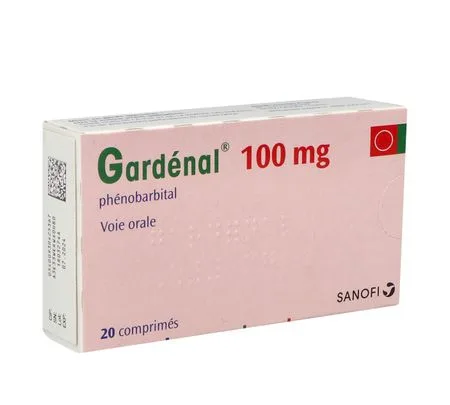
GARDENAL 100 mg, tablet
Composition
For one tablet:
Phenobarbital: 100 mg
Excipient with known effect: wheat starch (containing gluten) (see section Warnings and precautions).
Potato starch, wheat starch, white dextrin, magnesium stearate, calcium carbonate.
Indications
In adults:
- Either as monotherapy or in combination with another antiepileptic treatment:
- treatment of generalized epilepsies: clonic, tonic, tonic-clonic seizures,
- treatment of partial epilepsies: partial seizures with or without secondary generalisation.
In children:
- Either as monotherapy or in combination with another antiepileptic treatment:
- treatment of generalized epilepsies: clonic, tonic, tonic-clonic seizures,
- treatment of partial epilepsies: partial seizures with or without secondary generalisation.
Dosage and administration
The efficacy of the medicine can only be assessed after 15 days of treatment. The same applies to any change in dosage.
When clinically justified, monitor the barbiturate level, preferably by taking the sample in the morning (generally 65 to 130 μmol/L in adults, i.e. 15 to 30 mg/L in adults and 85 μmol/L, i.e. 20 mg/L in children).
Children (according to weight)
- Less than 20 kg: 5 mg/kg per day,
- Between 20 and 30 kg: 3 to 4 mg/kg per day,
- Above 30 kg: 2 to 3 mg/kg per day,
in one or two doses.
In children under 6 years, the tablet should be crushed and mixed with food before administration because of the risk of aspiration.
Adults
2 to 3 mg/kg per day.
A single dose per day at bedtime (see section Pharmacokinetics).
Contraindications
- Hypersensitivity to the active substance or to any of the excipients listed in section Composition.
- Porphyrias.
- History of hypersensitivity to barbiturates.
- Severe respiratory failure.
- Treatment with cobicistat, rilpivirine, telaprevir, cholic acid, delamanid, daclatasvir, dasabuvir, ombitasvir-paritaprevir, ledipasvir, sofosbuvir or voriconazole (see section Interactions).
- In combination with St John's wort.
- This medicine is contraindicated in patients with an allergy to wheat (other than coeliac disease).
Warnings and precautions
Special warnings
Phenobarbital is not effective in absence seizures and myoclonic seizures, which may sometimes be aggravated.
The introduction of an antiepileptic drug may, rarely, be followed by an increase in seizures or the appearance of a new seizure type in the patient, independently of fluctuations observed in certain epileptic diseases. With regard to phenobarbital, the causes of these worsening may be: an inappropriate choice of medicine in relation to the patient's seizures or epileptic syndrome, a change in concomitant antiepileptic treatment or a pharmacokinetic interaction with it, toxicity or overdose. There may be no other explanation than a paradoxical reaction.
Prolonged intake of phenobarbital (100 mg per day for 3 months) may lead to the onset of a dependence syndrome. Should the patient need to stop treatment, it is recommended to gradually reduce the dose. As with any antiepileptic, abrupt discontinuation of treatment may lead to the onset of seizures and status epilepticus, especially in cases of superimposed alcoholism.
Suicidal risk
Suicidal ideation and behaviour have been reported in patients treated with antiepileptics for several indications. A meta-analysis of randomised, placebo-controlled trials of antiepileptics also showed a slight increase in the risk of suicidal ideation and behaviour. The causes of this risk are not known and the available data do not exclude the possibility of an increased risk for phenobarbital.
Therefore, patients must be closely monitored for any signs of suicidal ideation and behaviour and appropriate treatment should be considered. Patients (and their carers) should be advised to seek medical advice should suicidal ideation and behaviour occur.
Severe skin reactions
Severe skin reactions such as Stevens-Johnson syndrome (SJS), toxic epidermal necrolysis (TEN or Lyell syndrome), drug reaction with eosinophilia and systemic symptoms (DRESS), and acute generalised exanthematous pustulosis (AGEP) have been reported with phenobarbital treatment.
Patients must be informed of the signs and symptoms of serious skin reactions and be closely monitored. The risk of SJS or TEN is highest during the first weeks of treatment.
Treatment must be discontinued at the first appearance of a skin rash, mucosal lesions or any other sign of skin hypersensitivity.
Early diagnosis and immediate discontinuation of any suspect medicine leads to better outcomes in the management of SJS or TEN. Early discontinuation is associated with a better prognosis.
If a patient develops SJS or TEN on phenobarbital, phenobarbital must never be taken again by that patient.
|
Women of childbearing potential |
|
Phenobarbital may harm the foetus when administered to a pregnant woman. Prenatal exposure to phenobarbital may increase the risk of major congenital malformations approximately 2 to 3 times compared with the background risk of major congenital malformations in the general population (which is 2 to 3 %) (see section Fertility, pregnancy and breastfeeding). |
|
Phenobarbital should not be used in women of childbearing potential unless the potential benefit is judged to outweigh the risks after evaluation of other appropriate therapeutic options. Women of childbearing potential must be fully informed of the potential risk to the foetus if they take phenobarbital during pregnancy. |
|
A pregnancy test to rule out the possibility of pregnancy should be considered before initiating phenobarbital treatment in women of childbearing potential. |
|
Women of childbearing potential must use effective contraception during treatment and for 2 months after the last dose. Due to enzyme induction, phenobarbital may lead to failure of the therapeutic effect of oral contraceptives containing oestrogens and/or progesterone. Women of childbearing potential should be advised to use other contraceptive methods (see sections Interactions and Fertility, pregnancy and breastfeeding). |
|
Women planning a pregnancy are advised to consult their doctor beforehand so that appropriate advice can be given and other suitable treatment options, or discontinuation of phenobarbital, can be discussed before conception and before stopping contraception. |
|
Women of childbearing potential are advised to contact their doctor immediately if they become pregnant or think they might be pregnant during phenobarbital treatment. |
|
The benefit-risk ratio must be carefully reassessed at regular intervals during treatment, at puberty, and urgently when a woman of childbearing potential treated with phenobarbital is planning a pregnancy or in case of pregnancy. |
Related to excipients
This medicine contains a very low level of gluten (derived from wheat starch) and is therefore unlikely to cause problems in cases of coeliac disease.
A tablet contains no more than 10 micrograms of gluten.
Patients with wheat allergy (different from coeliac disease) must not take this medicine (see section Contraindications).
Precautions for use
Administration of phenobarbital must be discontinued in cases of hypersensitivity reactions or liver disorders.
Reduce the dosage in patients with renal impairment, hepatic impairment (biological monitoring, as there is a risk of hepatic encephalopathy), elderly subjects and alcoholics.
Consumption of alcoholic beverages is strongly discouraged during treatment (mutual potentiation).
In children undergoing long-term treatment with phenobarbital, add prophylactic treatment for rickets: vitamin D2 (1 200 to 2 000 IU/day) or 25-OH-vitamin D3.
Interactions
Enzyme inducers such as phenobarbital have the property of considerably activating certain hepatic metabolic pathways through enzyme induction. Combined with drugs that are heavily metabolised in the liver, they are therefore able to modify their plasma concentrations. In most cases, this may result in reduced activity of the drugs combined with the enzyme inducer, or even the formation of toxic metabolites.
Enzyme inducers responsible for clinically relevant interactions include certain antiepileptics, certain antituberculosis and antiretroviral agents, and St John's wort (for the latter, refer to the interactions specific to it).
Many drugs whose efficacy may be impaired: immunosuppressants, oestroprogestogens and progestogens, protease inhibitors, oral anticoagulants, glucocorticoids, thyroid hormones, calcium antagonists, isoniazid, theophylline, etc.
Contraindicated combinations
+ Cholic acid
Antagonistic effect of phenobarbital.
+ Cobicistat
Risk of decreased efficacy of cobicistat due to increased metabolism by the enzyme inducer.
+ Daclatasvir
Decrease in plasma concentrations of daclatasvir due to increased hepatic metabolism by the enzyme inducer.
+ Dasabuvir
Risk of decreased plasma concentrations of dasabuvir by the enzyme inducer.
+ Delamanid
Decrease in plasma concentrations of delamanid due to increased hepatic metabolism by the enzyme inducer.
+ Ledipasvir
Significant decrease in plasma concentrations of ledipasvir due to increased hepatic metabolism by the anticonvulsant enzyme inducer.
+ Ombitasvir-paritaprevir
Decrease in plasma concentrations of the two-drug combination due to increased hepatic metabolism by the enzyme inducer.
+ Rilpivirine
Significant decrease in plasma concentrations of rilpivirine due to increased hepatic metabolism by the enzyme inducer.
+ Telaprevir
Risk of a very substantial decrease in telaprevir concentrations.
+ Sofosbuvir
Risk of decreased plasma concentrations of sofosbuvir due to reduced intestinal absorption caused by the enzyme inducer.
+ Voriconazole
Risk of reduced efficacy of voriconazole due to increased hepatic metabolism by the enzyme inducer.
+ St John's wort
Risk of decreased plasma concentrations and efficacy of the anticonvulsant.
Combinations not recommended
+ Alcohol
Alcohol increases the sedative effect of phenobarbital. Impaired alertness may make driving vehicles and using machinery dangerous.
Avoid taking alcoholic beverages and medicines containing alcohol.
+ Oestroprogestogens and progestogens (contraceptives) (see section Fertility, pregnancy and breastfeeding)
Decrease in contraceptive efficacy due to increased hepatic metabolism of the hormonal contraceptive by the enzyme inducer.
Preferably use an alternative contraceptive method during the duration of the combination and the two following cycles (see section Fertility, pregnancy and breastfeeding).
+ Lopinavir, ritonavir, boceprevir
Risk of decreased efficacy of the protease inhibitor due to increased hepatic metabolism.
+ Abiraterone
Marked decrease in plasma concentrations of abiraterone, with risk of reduced efficacy.
+ Apixaban
Decrease in plasma concentrations of apixaban by the enzyme-inducing anticonvulsant, with risk of decreased therapeutic effect.
+ Aprepitant
Risk of a very significant decrease in aprepitant concentrations.
+ Bedaquiline
Decrease in plasma concentrations of bedaquiline due to increased metabolism by the enzyme inducer.
+ Bosentan
Risk of decreased plasma concentrations of bosentan.
+ Dabigatran
Decrease in plasma concentrations of dabigatran, with risk of decreased therapeutic effect.
+ Dolutegravir
Decrease in plasma concentrations of dolutegravir due to increased metabolism by the enzyme inducer.
+ Dronedarone
Significant decrease in dronedarone concentrations due to decreased metabolism, without notable change in the active metabolite.
+ Eribulin
Risk of decreased plasma concentrations of eribulin due to the enzyme inducer.
+ Fentanyl
Decrease in plasma concentrations of fentanyl due to increased hepatic metabolism by the anticonvulsant. Prefer another opioid.
+ Ifosfamide
Risk of increased ifosfamide neurotoxicity due to increased hepatic metabolism by phenobarbital.
+ Itraconazole
Decrease in plasma concentrations of itraconazole, with risk of loss of efficacy, due to increased hepatic metabolism by the enzyme inducer.
+ Ivacaftor
Significant decrease in ivacaftor concentrations, with risk of loss of efficacy.
+ Tyrosine kinase inhibitors (axitinib, bosutinib, crizotinib, dabrafenib, dasatinib, erlotinib, gefitinib, imatinib, lapatinib, nilotinib, pazopanib, ruxolitinib, sorafenib, sunitinib, vandetanib)
Decrease in plasma concentrations and efficacy of the tyrosine kinase inhibitor, due to increased metabolism by the enzyme inducer.
+ Macitentan
Decrease in plasma concentrations of macitentan due to increased metabolism by the enzyme inducer.
+ Mianserin
Risk of mianserin inefficacy.
+ Nimodipine
Decrease in plasma concentrations of the calcium antagonist due to increased hepatic metabolism by the enzyme inducer.
Clinical monitoring and possible dose adjustment of the calcium antagonist during treatment with the enzyme inducer and after its discontinuation.
+ Praziquantel
Very significant decrease in plasma concentrations of praziquantel, with risk of treatment failure, due to increased hepatic metabolism by the enzyme inducer.
+ Quetiapine
Very significant decrease in plasma concentrations of quetiapine due to increased hepatic metabolism by the enzyme inducer, with risk of inefficacy.
+ Ranolazine
Risk of significant decrease in ranolazine concentrations.
+ Regorafenib
Decrease in plasma concentrations of regorafenib due to increased metabolism by the enzyme inducer.
+ Sertraline
Risk of antidepressant treatment inefficacy.
+ Simeprevir
Decrease in plasma concentrations of simeprevir due to increased hepatic metabolism by the enzyme inducer.
+ Telithromycin
Decrease in plasma concentrations of telithromycin, with risk of anti-infective treatment failure, due to increased hepatic metabolism by the enzyme inducer.
+ Ticagrelor
Significant decrease in plasma concentrations of ticagrelor due to increased hepatic metabolism by the enzyme-inducing anticonvulsant, with risk of decreased therapeutic effect.
+ Ulipristal
Risk of decreased effect of ulipristal due to increased hepatic metabolism by the enzyme inducer. Prefer a therapeutic alternative that is little or not metabolized.
+ Vemurafenib
Risk of decreased vemurafenib concentrations, with reduced efficacy.
+ Vismodegib
Risk of significant decrease in plasma concentrations of vismodegib due to increased hepatic metabolism by the enzyme inducer.
Associations requiring precautions for use
+ Valproate, and by extrapolation divalproate and valpromide
Increase in plasma concentrations of phenobarbital, with signs of overdose, due to inhibition of hepatic metabolism, most often in children. In addition, decrease in plasma concentrations of valproate and increase in valproate metabolites and ammonium levels (hyperammonemia), with increased risk of encephalopathy, due to increased hepatic metabolism of valproate by phenobarbital.
Regular clinical and biological monitoring.
Immediate reduction of phenobarbital doses as soon as signs of sedation appear; monitor plasma concentrations of both antiepileptics or of the antiepileptic and the mood stabilizer. Patients treated in combination with valproate and phenobarbital should be monitored for signs of hyperammonemia. In half of the reported cases, hyperammonemia was asymptomatic and did not necessarily lead to clinical encephalopathy.
+ Albendazole
Significant decrease in plasma concentrations of albendazole and its active metabolite due to the enzyme inducer, with risk of reduced efficacy.
Clinical monitoring of therapeutic response and possible dose adjustment of albendazole during treatment with the enzyme inducer and after its discontinuation.
+ Ritonavir-boosted protease inhibitors (amprenavir, atazanavir, darunavir, fosamprenavir, indinavir, lopinavir, ritonavir, saquinavir, tipranavir)
Risk of decreased efficacy of the protease inhibitor due to increased hepatic metabolism by the enzyme inducer.
Regular clinical and biological monitoring, particularly at the start of the combination.
+ Androgens (androstanolone, norethandrolone, testosterone)
Risk of decreased plasma concentrations of the androgen and consequently of its efficacy, due to increased hepatic metabolism by the enzyme inducer.
Clinical and biological monitoring during the combination and 1 to 2 weeks after discontinuation of the enzyme inducer.
+ Calcium antagonists (dihydropyridines, bepridil, diltiazem, verapamil)
Decrease in plasma concentrations of the calcium antagonist due to increased hepatic metabolism.
Clinical monitoring and possible dose adjustment of the calcium antagonist during treatment with the enzyme inducer and after its discontinuation.
+ Class IA antiarrhythmics (disopyramide, hydroquinidine, quinidine)
Decrease in plasma concentrations and efficacy of the antiarrhythmic due to increased hepatic metabolism by the enzyme inducer.
Clinical monitoring, electrocardiogram (ECG) and monitoring of plasma concentrations; if necessary, adjustment of the antiarrhythmic dose during treatment with the enzyme inducer and after its discontinuation.
+ Vitamin K antagonists
Decrease (or rarely, an increase with phenytoin) in the effect of the vitamin K antagonist.
More frequent INR monitoring.
Possible adjustment of the vitamin K antagonist dose during treatment with phenobarbital and 8 days after its discontinuation.
+ Tricyclic antidepressants
Imipramine-type antidepressants promote the occurrence of generalized convulsive seizures. Clinical monitoring and possible increase of antiepileptic doses.
+ Cenobamate
In a study conducted in healthy subjects, concomitant administration of cenobamate at 200 mg/day and phenobarbital at 90 mg/day did not cause clinically significant changes in cenobamate exposure, but resulted in an increase in phenobarbital exposure (increase in Cmax of 34% and AUC of 37%). No adjustment of the cenobamate dose is necessary. Phenobarbital concentrations should be monitored during the progressive dose increase of cenobamate. Depending on individual response, it may be necessary to reduce the phenobarbital dose.
+ Immunosuppressants: ciclosporin, everolimus, tacrolimus, sirolimus
Decrease in plasma concentrations and efficacy of the immunosuppressant due to increased hepatic metabolism by the enzyme inducer.
Plasma concentrations should be monitored.
+ Corticosteroids (gluco-, mineralo-)
Decrease in plasma concentrations and efficacy of corticosteroids due to increased hepatic metabolism: the consequences are particularly significant in Addisonian patients treated with hydrocortisone and in cases of transplantation.
Clinical and biological monitoring; adjustment of the corticosteroid dosage during treatment with the enzyme inducer and after its discontinuation.
+ Deferasirox
Risk of decreased plasma concentrations of deferasirox. Monitor serum ferritin during and after treatment with the enzyme inducer. If necessary, adjust the deferasirox dosage.
+ Digitoxin
Decreased plasma concentrations and efficacy of digitoxin (increased hepatic metabolism).
Clinical monitoring, ECG and possibly monitoring of digitoxin levels. If necessary, adjust the digitoxin dose during the combination and after phenobarbital discontinuation, or prefer digoxin, which is less metabolised by the liver.
+ Dihydropyridines
Decrease in plasma concentrations of dihydropyridine due to increased hepatic metabolism.
Clinical monitoring and possible dosage adjustment of the dihydropyridine during treatment with the enzyme inducer and after its discontinuation.
+ Disopyramide
Decreased plasma concentrations and efficacy of the antiarrhythmic (increased hepatic metabolism).
Clinical monitoring, ECG and possibly monitoring of disopyramide plasma concentrations. If needed, adjust the disopyramide dose during phenobarbital treatment and after its discontinuation.
+ Doxycycline
Decrease in plasma concentrations of doxycycline due to increased hepatic metabolism.
Clinical monitoring and possible dose adjustment of doxycycline.
+ Estrogens (oral, transdermal and nasal routes) and progestogens (non-contraceptive)
Decreased efficacy of the estrogen or progestogen.
Clinical monitoring and possible dosage adjustment of the estrogen or progestogen during treatment with the enzyme inducer and after its discontinuation.
+ Felbamate
Decrease in plasma concentrations and efficacy of felbamate and increase in plasma concentrations of phenobarbital, with risk of overdose.
Clinical monitoring, monitoring of phenobarbital plasma concentrations with dosage adjustment if necessary.
+ Folates
Decrease in plasma concentrations of phenobarbital, due to increased metabolism, of which folates are one of the cofactors.
Clinical monitoring, monitoring of plasma concentrations, and adjustment, if necessary, of the phenobarbital dose during folic acid supplementation and after its discontinuation.
+ Thyroid hormones
By extrapolation from other well-characterized inducers:
Risk of clinical hypothyroidism in hypothyroid patients, due to increased metabolism of T3 and T4.
Monitoring of serum concentrations of T3 and T4 and adjustment, if necessary, of the thyroid hormone dosage during treatment with the enzyme inducer and after its discontinuation.
+ Hydrocortisone
Risk of decreased efficacy of hydrocortisone (increased metabolism); the consequences are serious when hydrocortisone is administered as replacement therapy or in cases of transplantation.
Clinical and biological monitoring; adjustment of the hydrocortisone dosage during the combination and after discontinuation of the enzyme inducer.
+ Hydroquinidine, quinidine
Decrease in plasma concentrations and efficacy of quinidine-type drugs (increased hepatic metabolism).
Clinical monitoring, ECG and monitoring of plasma concentrations; if needed, adjustment of the antiarrhythmic dosage during treatment with the enzyme inducer and after its discontinuation.
+ Ivabradine
Risk of decreased efficacy of ivabradine, due to increased metabolism by the enzyme inducer.
Clinical monitoring and adjustment of the ivabradine dosage during the combination and after discontinuation of the enzyme inducer.
+ Methadone
Increased risk of respiratory depression, which may be fatal in the event of overdose.
In addition, decrease in plasma methadone concentrations with risk of withdrawal syndrome occurring due to increased hepatic metabolism.
Regular clinical monitoring and methadone dose adjustment.
+ Maraviroc
In the absence of co-administration with a potent CYP3A4 inhibitor, decrease in maraviroc concentrations by the enzyme inducer. The maraviroc dose must be increased to 600 mg twice daily in this situation.
+ Metronidazole
Decrease in plasma concentrations of metronidazole due to increased hepatic metabolism by the enzyme inducer.
Clinical monitoring and possible adjustment of the metronidazole dosage during treatment with the enzyme inducer and after its discontinuation.
+ Montelukast
Risk of reduced efficacy of montelukast due to increased hepatic metabolism. Clinical monitoring and possible adjustment of the antiasthmatic dosage.
+ Posaconazole
Decrease in plasma concentrations and efficacy of posaconazole.
Clinical monitoring.
If possible, plasma level measurements of posaconazole and possible adjustment of its dosage.
+ Propafenone
Decrease in plasma concentrations of propafenone due to increased hepatic metabolism by the enzyme inducer.
Clinical monitoring and ECG. If applicable, adjustment of the propafenone dosage during the combination and after discontinuation of the enzyme inducer.
+ Quinine
Risk of loss of efficacy of quinine due to increased hepatic metabolism by the enzyme inducer.
Clinical monitoring and adjustment of the quinine dosage during treatment with the enzyme inducer and after its discontinuation.
+ Saquinavir
Risk of decreased efficacy of the protease inhibitor due to increased hepatic metabolism.
+ Stiripentol
Increase in plasma concentrations of the antiepileptic enzyme inducer, with risk of overdose, due to inhibition of its hepatic metabolism by stiripentol.
Clinical monitoring and plasma level measurement, when possible, of the antiepileptic combined with stiripentol and possible adjustment of its dosage.
+ Theophylline (base and salts) and aminophylline
Decrease in plasma concentrations and activity of theophylline due to increased hepatic metabolism of theophylline by the enzyme inducer.
Clinical monitoring and, if necessary, monitoring of theophyllinemia. Possible adjustment of the theophylline dosage during treatment with the enzyme inducer and after its discontinuation.
+ Tiagabine
Decrease in plasma concentrations of tiagabine due to increased hepatic metabolism.
An increase in the dosage of tiagabine may prove necessary.
Associations to be taken into account
+ Amitriptyline/Amitriptylinoxide
Possible reduction in the plasma concentration of amitriptyline/amitriptylinoxide.
+ Anticancer agents
The combination of phenobarbital and anticancer agents metabolized via enzymes (cytochrome P-450 and UDP glycosyltransferases) may induce a risk of decreased exposure to anticancer agents.
+ Antiepileptics: lamotrigine
The combination of phenobarbital and lamotrigine may induce decreased efficacy and hematological toxicity such as leukopenia and thrombocytopenia.
+ Other CNS depressants: morphine derivatives (analgesics, antitussives and substitution treatments); neuroleptics; barbiturates; benzodiazepines; anxiolytics other than benzodiazepines (for example, meprobamate), hypnotics; sedative antidepressants (amitriptyline, doxepin, mianserin, mirtazapine, trimipramine); sedative H1 antihistamines; central antihypertensives; others: baclofen, thalidomide
Increased central depression. Impaired alertness may make driving vehicles and using machines dangerous.
Furthermore, for morphine derivatives (analgesics, antitussives and substitution treatments), benzodiazepines:
Increased risk of respiratory depression, which may be fatal in the event of overdose.
+ Bortezomib, cabazitaxel, docetaxel
Decrease in cytotoxic concentrations due to increased metabolism by the enzyme inducer, with a risk of reduced efficacy.
+ Carbamazepine (to be taken into account, particularly for the interpretation of plasma concentrations)
Progressive decrease in plasma concentrations of carbamazepine and its active metabolite without apparent change in anticonvulsant efficacy. Caution regarding the interpretation of plasma concentrations.
+ Irinotecan
Probable decrease in plasma concentrations of the active metabolite of irinotecan, with a risk of failure of cytotoxic treatment.
+ Metoprolol, propranolol (to be taken into account for these beta-blockers, which are eliminated mainly by hepatic biotransformation).
Decrease in plasma concentrations of these beta-blockers with reduction of their clinical effects (accelerated hepatic metabolism).
+ Midazolam
Risk of decreased plasma concentrations of midazolam due to the anticonvulsant.
+ Phenytoin (and by extrapolation, fosphenytoin)
- In case of prior treatment with phenobarbital or primidone and addition of phenytoin, increase in plasma concentrations of phenobarbital that may lead to toxic signs (inhibition of metabolism by competition).
- In case of prior treatment with phenytoin and addition of phenobarbital or primidone, unpredictable variations:
a) plasma concentrations of phenytoin are most often decreased (increased metabolism) without this decrease adversely affecting anticonvulsant activity. On discontinuation of phenobarbital or primidone, possibility of toxic effects of phenytoin;
b) sometimes phenytoin concentrations may be increased (inhibition of metabolism by competition).
+ Perampanel
Significant decrease (up to two-thirds) in perampanel concentrations.
+ Procarbazine
Increased hypersensitivity reactions (hypereosinophilia, rash) due to increased metabolism of procarbazine.
+ Propranolol
Decrease in plasma concentrations of propranolol with reduction of its clinical effects (increase in its hepatic metabolism).
+ Rivaroxaban
Decrease in plasma concentrations of rivaroxaban, with risk of decreased therapeutic effect.
Fertility, pregnancy and breastfeeding
Women of childbearing potential/Contraception
Phenobarbital should not be used in women of childbearing potential, unless the potential benefit is judged to outweigh the risks after careful evaluation of other appropriate therapeutic options (see sub-sections Congenital malformations and Neurodevelopmental disorders).
A pregnancy test to rule out the possibility of pregnancy should be considered before initiating phenobarbital treatment in women of childbearing potential.
Women of childbearing potential must use effective contraception during treatment and for 2 months after the last dose. Due to enzyme induction, phenobarbital may cause failure of the therapeutic effect of oral contraceptives containing estrogens and/or progesterone. Women of childbearing potential should be advised to use other contraceptive methods during treatment with phenobarbital, for example two complementary forms of contraception including a barrier method, an oral contraceptive containing higher doses of estrogens, or a non-hormonal intrauterine device (see section Interactions).
Women of childbearing potential must be informed and understand the risk of danger to the fetus associated with the use of phenobarbital during pregnancy and the importance of planning a pregnancy.
Women who are considering pregnancy must be informed that they should consult their doctor beforehand so that specialised medical advice can be provided and other appropriate treatment options can be discussed before conception and before discontinuing contraception.
Antiepileptic treatment must be reassessed regularly, particularly when a woman is considering pregnancy.
Women of childbearing potential must contact their doctor immediately if they become pregnant or think they could be pregnant during treatment with phenobarbital.
Pregnancy
Risk related to epilepsy and antiepileptic drugs in general
Specialised medical advice regarding the potential risks to the fetus caused both by seizures and by antiepileptic treatment must be given to all women of childbearing potential taking antiepileptic treatment, and in particular to women who are considering pregnancy and to pregnant women.
Monotherapy is preferable for the treatment of epilepsy during pregnancy where possible, as antiepileptic polytherapy could be associated with a higher risk of congenital malformations than monotherapy, depending on the associated antiepileptic medicinal products.
Abrupt discontinuation of antiepileptic treatment must be avoided as this may lead to seizures that can have serious consequences for the woman and the unborn child.
Risk related to phenobarbital
Phenobarbital crosses the placenta in humans. Maternal and neonatal concentrations are similar.
Animal studies (literature data) have shown reproductive toxicity in rodents (see section Preclinical safety).
Congenital malformations:
Data from meta-analyses and observational studies have shown a risk of major congenital malformations approximately 2 to 3 times higher than the baseline risk of major congenital malformations in the general population (which is 2 to 3 %). The risk is dose-dependent; however, no dose has been shown to be risk-free. Phenobarbital in monotherapy is associated with an increased risk of major congenital malformations, including cleft lip and palate and cardiovascular malformations. Other malformations involving various body systems, including cases of hypospadias, dysmorphic facial features, neural tube effects, craniofacial dysmorphism (microcephaly) and finger malformations have also been reported.
Data from a registry study suggest an increased risk of births of infants with body weight and body length lower than expected for gestational age, compared with lamotrigine taken in monotherapy.
Neurodevelopmental disorders:
Neurodevelopmental disorders have been reported in children exposed to phenobarbital during pregnancy. Results of studies on the risk of neurodevelopmental disorders in children exposed to phenobarbital during pregnancy are conflicting and a risk cannot be excluded. Preclinical studies have also reported neurodevelopmental adverse effects (see section Preclinical safety). Phenobarbital must not be used during pregnancy unless the potential benefit is judged to outweigh the risks after evaluation of other appropriate therapeutic options.
If, after re-evaluation of phenobarbital treatment, no other therapeutic option is suitable, the lowest effective dose of phenobarbital should be administered. Regular monitoring of plasma concentrations is recommended to adjust the dosage. The woman must have all available information and understand the risks associated with the use of phenobarbital during pregnancy.
Patients taking phenobarbital should receive an adequate supplement of folic acid before conception and during pregnancy. It has been reported that certain antiepileptic drugs, such as phenobarbital, decrease serum folate levels. This deficiency may contribute to the increased incidence of congenital malformations in children born to treated epileptic mothers.
Therefore, for women exposed to phenobarbital who are planning a pregnancy or are pregnant, folic acid supplementation may be proposed at a dose of 5 mg/day from the time the woman plans a pregnancy until 2 months after the date of conception.
Specialized prenatal monitoring focused on the malformations described above must be instituted.
Screening for malformations will be identical whether or not the patient has received folic acid.
Before delivery/In the newborn :
Enzyme-inducing antiepileptics may sometimes cause in the newborn of a treated mother:
- A haemorrhagic syndrome may occur during delivery or in the first days of life. Prevention with oral vitamin K1 in the mother in the month preceding delivery and administration of vitamin K1 by the parenteral route (IM or slow IV) at birth, in the newborn, appear effective. A normal haemostasis assessment in the mother does not rule out haemostasis abnormalities in the newborn.
- Disturbances of calcium-phosphorus metabolism and bone mineralisation, which maternal vitamin D supplementation during the 3th trimester may appear to prevent.
- When phenobarbital is used during the third trimester of pregnancy, withdrawal symptoms may appear in the newborn, including sedation, hypotonia and feeding disorders (impaired sucking).
- Rarely: a moderate withdrawal syndrome (abnormal movements, ineffective sucking).
Postnatal follow-up/In the child :
In case of exposure during pregnancy, close monitoring of the child's neurobehavioural development must be instituted and appropriate management must be put in place as early as necessary.
Breast-feeding
Breastfeeding is not recommended, as the risk of sedation could lead to sucking difficulties resulting in poor weight gain in the immediate neonatal period.
Driving and using machines
Attention is drawn, particularly for drivers of vehicles and users of machinery, to the risks of drowsiness and dizziness associated with the use of phenobarbital.
Adverse effects
The classification of adverse events by frequency is as follows: Very common (≥ 10%); Common (≥ 1% - < 10%); Uncommon (≥ 0,1% - < 1%); Rare (≥ 0,01% - < 0,1%); Very rare (< 0,01%); Not known (cannot be estimated from the available data).
Nervous system disorders
- Common: somnolence (difficulty waking with sometimes difficulty articulating), cognitive disorders, memory impairment.
- Uncommon: disturbances of coordination and balance, vertigo, headache.
- Rare: attention disturbance.
- Frequency not known: dyskinesia.
Psychiatric disorders
- Common: behavioural abnormalities, agitation, aggression.
- Uncommon: mood disorders, sleep disorders/insomnia.
- Frequency not known: dependence syndrome.
Skin and subcutaneous tissue disorders
- Common: allergic dermatitis (in particular, morbilliform or scarlatiniform maculopapular eruptions).
- Frequency not known:
- fixed pigmented erythema,
- possible severe skin reactions such as extremely rare cases of toxic epidermal necrolysis (TEN), Stevens-Johnson syndrome (SJS), exfoliative dermatitis (see section Warnings and precautions),
- drug reaction with eosinophilia and systemic symptoms (DRESS) and acute generalised exanthematous pustulosis (AGEP) (see section Warnings and precautions).
The existence of rare cases of cross-reactions between phenobarbital, phenytoin and carbamazepine should make the replacement of phenobarbital by either of these molecules cautious.
Hepatobiliary disorders
- Common: increase in gamma-glutamyl transferases, transaminases and/or alkaline phosphatases.
- Frequency not known: hepatitis.
Musculoskeletal and systemic disorders
- Common: contracture of the palmar fascia (Dupuytren's disease).
- Uncommon: arthralgia (shoulder-hand syndrome or gardenal rheumatism).
- Frequency not known:
- contracture of the plantar fascia (Ledderhose disease), induration of the corpora cavernosa (Peyronie's disease).
Cases of decreased bone mineral density, osteopenia, osteoporosis and fractures have been reported in patients receiving long-term treatment with GARDENAL. The mode of action of GARDENAL on bone metabolism is not known.
Blood and lymphatic system disorders
- Frequency not known: pancytopenia, aplastic anaemia, folic acid deficiency anaemia, agranulocytosis, neutropenia, leukopenia, thrombocytopenia.
Gastrointestinal disorders
- Common: nausea, vomiting.
Congenital, familial and genetic disorders
- Frequency not known: congenital malformations, other developmental abnormalities (see sections Warnings and precautions and Fertility, pregnancy and breastfeeding).
Serious effects affecting the hepatic and/or skin systems as well as hypersensitivity reactions require discontinuation of treatment.
Reporting of suspected adverse reactions
Reporting suspected adverse reactions after authorisation of the medicinal product is important. It allows continued monitoring of the benefit/risk balance of the medicinal product. Healthcare professionals are asked to report any suspected adverse reactions via the national reporting system: National Agency for the Safety of Medicines and Health Products (ANSM) and the network of Regional Pharmacovigilance Centres - Website: https://signalement.social-sante.gouv.fr.
Overdose
Within an hour following a massive intake, the following occur: nausea, vomiting, headache, obnubilation, mental confusion, even coma accompanied by a characteristic neurovegetative syndrome (irregular bradypnoea, tracheobronchial congestion, arterial hypotension).
Treatment: forced diuresis, alkalinisation, respiratory assistance, antibiotic therapy, potassium supplementation.
Pharmacodynamics
Pharmacotherapeutic class: ANTIEPILEPTIC; ATC code: N03AA02
GARDENAL consists of phenobarbital:
Phenobarbital is a barbiturate. It has anticonvulsant, sedative and hypnotic properties.
Pharmacokinetics
About 80% of orally administered phenobarbital is absorbed from the gastrointestinal tract; the peak plasma concentration is reached at about 8 hours in adults and at about 4 hours in children.
Phenobarbital is partially bound to plasma proteins (50% in adults and 60% in children).
The plasma half-life is 50 to 140 h in adults and 40 to 70 h in children.
It increases in cases of hepatic or renal insufficiency and in elderly subjects.
Phenobarbital diffuses throughout the body, notably into the brain due to its lipid solubility; it crosses the placental barrier and passes into breast milk.
It is both metabolised in the liver (into an inactive hydroxylated derivative, which is then glucuronide- or sulfate-conjugated) and excreted by the kidney unchanged (all the more so when the urine is alkaline).
Preclinical safety
Published studies have reported teratogenic effects (morphological abnormalities) in rodents exposed to phenobarbital. Cleft palate is systematically reported in all preclinical studies, but other malformations are also reported (for example, umbilical hernia, spina bifida, exencephaly, omphalocele associated with fused ribs) in isolated studies or species.
In addition, although data from published studies are not consistent, phenobarbital administered to rats/mice during gestation or early in the postnatal period has been associated with adverse neurodevelopmental effects, including alterations in locomotor activity, cognition and learning patterns.
SPECIAL PRECAUTIONS FOR DISPOSAL AND OTHER HANDLING
Any unused medicinal product or waste material should be disposed of in accordance with local requirements.
Prescription, supply and reimbursement
| Marketing authorisation (AMM) |
|
| Price: |
|
76-78 AVENUE DU MIDI CS 30077
63808 COURNON D'AUVERGNE CEDEX
Tel: 04 73 69 28 28 www.csp-epl.com
Source: VIDAL · Updated on 10/11/2026. This information does not replace advice from a healthcare professional.