
Medicines
SmPC of the 17/09/2026
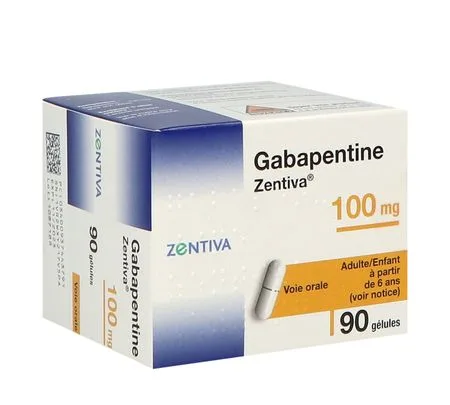
GABAPENTINE ZENTIVA 100 mg, capsule
Composition
Gabapentin.................................................................................................................................................100 mg
For one capsule.
Excipients with known effect: Each capsule of 100 mg contains 22,5 mg of lactose (as anhydrous form).
Anhydrous lactose, maize starch, talc.
Capsule shell : gelatin, titanium dioxide (E171).
Indications
Epilepsy
Gabapentin is indicated in combination in the treatment of partial epilepsies with or without secondary generalisation in adults and children from 6 years of age (see section Pharmacodynamics).
Gabapentin is indicated as monotherapy in the treatment of partial epilepsies with or without secondary generalisation in adults and adolescents from 12 years of age.
Treatment of Peripheral Neuropathic Pain
Gabapentin is indicated in the treatment of peripheral neuropathic pain such as diabetic neuropathy and post-herpetic neuralgia in adults.
Dosage and administration
Dosage
For all indications, a titration regimen for initiating treatment is described in table 1. It is recommended for adults and adolescents from 12 years of age. Dosage instructions for children under 12 years of age are provided in a separate subsection later in this section.
|
Table 1 |
||
|
DOSAGE SCHEDULE - INITIAL TITRATION |
||
|
Day 1 |
Day 2 |
Day 3 |
|
300 mg once a day |
300 mg twice a day |
300 mg three times a day |
Discontinuation of gabapentin
If gabapentin must be discontinued, it is recommended, according to current clinical practice, to do so gradually over at least one week regardless of the indication.
Epilepsy
Epilepsy generally requires long-term treatment. The dosage is determined individually by the treating physician based on tolerability and efficacy.
Adults and adolescents
In clinical trials, the range of effective doses was between 900 and 3600 mg/day. Treatment may be initiated by dose titration, as described in the table 1, or by administration of 300 mg three times daily (TID) on Day 1. Subsequently, depending on the patient's response and tolerability, the dose may be increased in steps of 300 mg/day every 2-3 days up to a maximum dose of 3600 mg/day. A slower titration of the gabapentin dosage may be appropriate in some patients. The minimum time to reach a dose of 1800 mg/day is one week, to reach 2400 mg/day it is 2 weeks in total, and to reach 3600 mg/day it is 3 weeks in total. Dosages up to 4800 mg/day have been well tolerated in open-label long-term clinical studies. The total daily dose must be divided into three doses, and the maximum interval between doses must not exceed 12 hours in order to avoid recurrence of convulsions.
Children from 6 years of age
The initial dose should be between 10 and 15 mg/kg/day, and the effective dose is reached by upward titration over a period of approximately three days. The effective dose of gabapentin in children from 6 years of age is 25 to 35 mg/kg/day. Dosages up to 50 mg/kg/day were well tolerated in one long-term clinical study. The total daily dose must be divided into three doses and the maximum interval between doses must not exceed 12 hours.
It is not necessary to monitor gabapentin plasma concentrations for the purpose of optimising gabapentin treatment. Furthermore, gabapentin may be used in combination with other antiepileptic medicinal products without concern for any possible alteration of gabapentin plasma concentrations or serum concentrations of the other antiepileptic medicinal products.
Peripheral neuropathic pain
Adults
Treatment may be initiated by dose titration, as described in table 1. The initial dose may alternatively be 900 mg/day divided into three equal doses. Subsequently, depending on the patient's response and tolerability, the dose may be increased in steps of 300 mg/day every 2-3 days up to a maximum dose of 3600 mg/day. A slower titration of the gabapentin dosage may be appropriate in some patients. The minimum time to reach a dose of 1800 mg/day is one week, to reach 2400 mg/day it is 2 weeks in total, and to reach 3600 mg/day it is 3 weeks in total.
In the treatment of peripheral neuropathic pain such as diabetic neuropathy and postherpetic neuralgia, efficacy and safety have not been studied in clinical trials over treatment periods longer than 5 months. If a patient needs to be treated for more than 5 months for peripheral neuropathic pain, the treating physician should reassess the patient's clinical status and determine the need for continued treatment.
Instruction for all indications
In patients in poor general condition, i.e. with low body weight, after organ transplantation, etc., the dose should be titrated more slowly, by using either lower dosages or longer intervals between dose increases.
Elderly patients (over 65 years)
Elderly patients may require dosage adjustment due to age-related decline in renal function (see table 2). Somnolence, peripheral oedema and asthenia may be more frequent in elderly patients.
Renal impairment
Dose adjustment is recommended in patients with impaired renal function (as described in table 2) and/or in patients undergoing haemodialysis. Gabapentin 100 mg capsules may be used to meet dosage recommendations in patients with renal impairment.
|
Table 2 |
|
|
GABAPENTIN DOSAGE IN ADULTS ACCORDING TO RENAL FUNCTION |
|
|
Creatinine clearance (mL/min) |
Total daily dosea (mg/day) |
|
≥ 80 |
900-3600 |
|
50-79 |
600-1800 |
|
30-49 |
300-900 |
|
15-29 |
150b-600 |
|
< 15c |
150b-300 |
a The total daily dose must be administered in three separate doses. Reduced dosages apply to patients with renal impairment (creatinine clearance < 79 mL/min).
b The daily dose of 150 mg must be administered as follows: 300 mg every other day.
c For patients whose creatinine clearance is < 15 mL/min, the daily dose should be reduced proportionally to creatinine clearance (e.g., patients with a creatinine clearance of 7,5 mL/min should receive half the daily dose received by patients whose creatinine clearance is 15 mL/min).
Use in haemodialysis patients
For anuric haemodialysis patients who have never been treated with gabapentin, it is recommended to start with a loading dose of 300 to 400 mg, then administer 200 to 300 mg of gabapentin after each 4-hour haemodialysis session. On days without dialysis, gabapentin should not be administered.
For haemodialysed renally impaired patients, the maintenance dose of gabapentin should be based on the dosing recommendations in table 2. In addition to the maintenance dose, an supplementary dose of 200 to 300 mg after each haemodialysis session of 4 hours is recommended.
Method of administration
Oral use.
Gabapentin may be administered with or without food, and must be swallowed whole with a sufficient quantity of liquid (for example: a glass of water).
Contraindications
Hypersensitivity to the active substance or to any of the excipients listed in section Composition.
Warnings and precautions
Severe cutaneous adverse reactions (SCAR)
Severe cutaneous adverse reactions (SCARs), including Stevens-Johnson syndrome (SJS), toxic epidermal necrolysis (TEN) and drug reaction with eosinophilia and systemic symptoms (DRESS), which may be life-threatening or have a fatal outcome, have been reported in association with gabapentin treatment. At the time of prescription, patients must be informed of these signs and symptoms and must be closely monitored for skin reactions. If signs and symptoms suggestive of these reactions appear, gabapentin must be stopped immediately and an alternative treatment should be considered (if applicable).
If a patient has developed a severe reaction of the SJS, TEN or DRESS type during gabapentin treatment, gabapentin must under no circumstances be restarted.
Anaphylaxis
Gabapentin may cause anaphylaxis. Signs and symptoms in reported cases included: breathing difficulties, swelling of the lips, throat and tongue, and hypotension requiring emergency treatment. If signs or symptoms of anaphylaxis appear, patients should be instructed to stop treatment and seek immediate care (see section Adverse effects).
Suicidal ideation and behaviour
Suicidal ideation and behaviour have been reported in patients treated with antiepileptic agents for several indications. A meta-analysis of randomised, placebo-controlled trials of antiepileptic drugs also showed a slightly increased risk of suicidal ideation and behaviour. The mechanism of this risk is not known. Cases of suicidal ideation and behaviour have been observed in patients treated with gabapentin after marketing (see section Adverse effects).
Patients (and patients' carers) should be advised to seek medical advice if signs of suicidal thoughts and behaviours appear. Patients should be monitored for possible signs of suicidal thoughts and behaviours, and appropriate treatment should be considered. Discontinuation of treatment with gabapentin should be considered in case of suicidal thoughts and behaviours.
Acute pancreatitis
If a patient develops acute pancreatitis during gabapentin treatment, interruption of gabapentin treatment should be considered (see section Adverse effects).
Myasthenia
Gabapentin should be used with caution in patients with myasthenia, as cases of exacerbation of myasthenia have been reported after its marketing authorisation.
Seizures
Although no data show an increase in seizures with gabapentin, abrupt withdrawal of anticonvulsants in epileptic patients may precipitate status epilepticus (see section Dosage and administration).
As with other antiepileptic medicinal products, some patients may experience an increase in seizure frequency or the onset of new seizure types with gabapentin.
As with other antiepileptics, attempts to withdraw concomitant antiepileptics in the treatment of refractory patients treated with one or more antiepileptics, with the aim of achieving gabapentin monotherapy, are less likely to succeed.
Gabapentin is not effective against primary generalised seizures such as absences and may worsen these seizures in some patients. Therefore, gabapentin should be used with caution in patients with mixed seizures, including absences.
Gabapentin treatment has been associated with dizziness and drowsiness, which may increase the occurrence of accidental injuries (falls). Cases of confusion, loss of consciousness and impaired mental faculties have also been reported after marketing authorisation. Therefore, patients should be advised to be cautious until they are accustomed to the potential effects of their treatment.
Concomitant use with opioids and other CNS depressants
Patients requiring concomitant treatment with central nervous system (CNS) depressants, including opioids, should be closely monitored for signs of CNS depression, such as somnolence, sedation and respiratory depression. An increase in gabapentin concentrations may be observed in patients receiving concomitant treatment with gabapentin and morphine. The dose of gabapentin or of the concomitant CNS depressant treatment, including opioids, should be reduced accordingly (see section Interactions).
Caution is required when gabapentin is prescribed concomitantly with opioids because of the risk of CNS depression. In an observational, case-control study in a population of opioid users, concomitant prescription of opioids and gabapentin was associated with an increased risk of opioid-related deaths compared with the use of opioids prescribed alone (adjusted odds ratio [ORa], 1,49 [95% CI; 1,18 to 1,88; p < 0,001]).
Respiratory depression
Gabapentin has been associated with cases of severe respiratory depression. Patients with impaired respiratory function, those with respiratory or neurological disease, those with renal impairment, those taking concomitant CNS depressants and elderly people may be at higher risk of this serious adverse effect. Dose adjustments may be necessary for these patients.
Elderly patients (over 65 years)
No systematic study of gabapentin has been conducted in patients aged 65 years. In a double-blind study conducted in patients with neuropathic pain, somnolence, peripheral oedema and asthenia were observed, with a higher percentage in patients aged 65 years and older than in younger patients.
Beyond these observations, clinical studies in this age group do not indicate an adverse-effect profile different from that observed in younger patients.
Paediatric population
The effects of long-term treatment with gabapentin (for more than 36 weeks) on learning, intelligence and development in children and adolescents have not been sufficiently studied. The benefits of prolonged treatment should therefore be weighed against the potential risks of such treatment.
Misuse, drug abuse and dependence
Gabapentin may cause drug dependence, which can occur at therapeutic doses. Cases of abuse and misuse have been reported. Patients with a history of substance dependence may present an increased risk of misuse, abuse and dependence on gabapentin, which should therefore be used with caution in these patients. Before prescribing gabapentin, the risk of misuse, abuse or dependence in patients must be carefully assessed.
Patients treated with gabapentin must be monitored in order to detect the occurrence of signs and symptoms of misuse, abuse or dependence on gabapentin, such as the development of tolerance, dose escalation and drug-seeking behaviour.
Withdrawal symptoms
After discontinuation of treatment or dose reduction, short-term or long-term, with gabapentin, withdrawal symptoms have been observed (see section Adverse effects). The patient must be informed of this at the start of treatment. The most frequently reported symptoms are: anxiety, insomnia, nausea, pain, hyperhidrosis, tremor, headache, depression, abnormal feeling, dizziness and malaise. The onset of withdrawal symptoms may indicate drug dependence. If gabapentin is to be discontinued or its dose reduced, it is recommended to do so gradually over a minimum period of 1 week, regardless of the indication (see section Dosage and administration).
Laboratory tests
False-positive results may be obtained when semi-quantitative determination of total urinary protein is performed by reactive dipstick. If a positive result is obtained on reactive dipstick examination, it is therefore recommended to verify this result using methods based on a different analytical principle, such as the Biuret method, turbidimetric or dye-binding methods, or to use these alternative methods from the outset.
Excipients with known effect
GABAPENTINE ZENTIVA 100 mg, capsule contains lactose. Patients with galactose intolerance, total lactase deficiency or glucose-galactose malabsorption syndrome (rare hereditary diseases) must not take this medicine.
Interactions
Cases of respiratory depression, sedation and death associated with concomitant use of gabapentin and CNS depressants, including opioids, have been reported spontaneously and also exist in the literature. In some of these cases, the authors considered the combination of gabapentin with opioids to be of particular concern in frail patients, elderly people, patients with serious underlying respiratory disease, polymedicated patients and those with substance use disorders.
In a study conducted in healthy volunteers (N = 12), when a 60 mg extended-release morphine capsule was administered 2 hours before a 600 mg gabapentin capsule, the mean AUC of gabapentin was increased by 44% compared with that of gabapentin administered without morphine. Therefore, patients requiring concomitant opioid treatment need to be closely monitored for signs of CNS depression, such as drowsiness, sedation and respiratory depression, and the dose of gabapentin or opioid should be reduced accordingly.
No interaction has been observed between gabapentin and phenobarbital, phenytoin, valproic acid or carbamazepine.
The steady-state pharmacokinetic parameters of gabapentin are similar in healthy subjects and in epileptic patients receiving these antiepileptic agents.
Concomitant administration of gabapentin and oral contraceptives containing norethindrone and/or ethinyl estradiol does not alter the steady-state pharmacokinetic parameters of either product.
Concomitant administration of gabapentin and aluminium- and magnesium-containing antacids may reduce the bioavailability of gabapentin by up to 24 %. It is recommended that gabapentin be taken at least two hours after taking an antacid.
Renal excretion of gabapentin is not modified by probenecid.
The slight decrease in renal excretion of gabapentin observed with concomitant administration of cimetidine is not expected to have any clinical impact.
Fertility, pregnancy and breastfeeding
Pregnancy
Risk related to epilepsy and antiepileptic drugs (AEDs) in general
Women of childbearing potential, particularly those planning a pregnancy or who are pregnant, should be given informed advice regarding the risk to the foetus associated with both seizures and antiepileptic treatment. The need for antiepileptic treatment should be reassessed when a woman plans to become pregnant. In women treated for epilepsy, abrupt discontinuation of antiepileptic treatment should be avoided as it may lead to breakthrough seizures, which could have serious consequences for both mother and child. Monotherapy should be favoured whenever possible, as treatment with several AEDs may be associated with an increased risk of congenital malformations compared with monotherapy, depending on the antiepileptic used.
Risk related to gabapentin
Gabapentin crosses the placental barrier.
Data from an observational study conducted in the Nordic countries involving more than 1 700 pregnancies exposed to gabapentin during the first trimester revealed no increased risk of major congenital malformations in the paediatric population exposed to gabapentin compared with the unexposed paediatric population and the paediatric population exposed to pregabalin, to lamotrigine combined with pregabalin, or to lamotrigine. Likewise, no increased risk of neurodevelopmental disorders was observed in the paediatric population exposed to gabapentin during pregnancy.
In newborns of women exposed to gabapentin, there were limited data suggesting an increased risk of low birth weight and preterm birth but not stillbirth, small size for gestational age, low Apgar score at 5 minutes, or microcephaly.
Studies performed in animals have shown reproductive toxicity (see section Preclinical safety).
Gabapentin may be taken during the first trimester of pregnancy if clinically necessary.
Cases of neonatal withdrawal syndrome have been reported in newborns exposed in utero to gabapentin. Concomitant exposure to gabapentin and opioids during pregnancy may increase the risk of neonatal withdrawal syndrome. Newborns should be closely monitored.
Breast-feeding
Gabapentin passes into breast milk. As the effect on the breastfed infant is not known, gabapentin should be administered with caution to breastfeeding mothers. Gabapentin should only be used in breastfeeding mothers if the benefits clearly outweigh the risks.
Fertility
There is no effect on fertility in animal studies (see section Preclinical safety).
Driving and using machines
Gabapentin may have a minor or moderate influence on the ability to drive vehicles and use machines. Gabapentin acts on the central nervous system and may cause drowsiness, dizziness or other related symptoms. Even if they are only of mild or moderate intensity, these undesirable effects could be potentially dangerous in patients who drive or use machines. This is particularly the case at the start of treatment and after each dose increase.
Adverse effects
The undesirable effects observed during clinical studies conducted in epilepsy (in combination and in monotherapy) and in neuropathic pain have been grouped together in a single list below, by class and by frequency: very common (≥ 1/10), common (≥ 1/100, < 1/10), uncommon (≥ 1/1000, < 1/100), rare (≥ 1/10 000, < 1/1 000), very rare (< 1/10 000). When an undesirable effect was observed at different frequencies in clinical studies, the highest frequency was assigned to it.
Undesirable effects reported after marketing (in italics in the list below) are mentioned with an unknown frequency (cannot be estimated from the available data).
Within each frequency grouping, adverse reactions are presented in order of decreasing seriousness.
|
System organ class |
Adverse effects |
|
Infections and infestations |
|
|
Very common |
Viral infection. |
|
Common |
Pneumonia, respiratory infection, urinary tract infection, infection, otitis media. |
|
Blood and lymphatic system disorders |
|
|
Common |
Leukopenia. |
|
Frequency not known |
Thrombocytopenia. |
|
Immune system disorders |
|
|
Uncommon |
Allergic reactions (for example urticaria). |
|
Frequency not known |
Hypersensitivity syndrome (systemic reaction with varied presentation which may include fever, skin rash, hepatitis, lymphadenopathy, eosinophilia, and sometimes other signs and symptoms), anaphylaxis (see section Warnings and precautions). |
|
Metabolism and nutrition disorders |
|
|
Common |
Anorexia, increased appetite. |
|
Uncommon |
Hyperglycaemia (more frequently observed in diabetic patients). |
|
Rare |
Hypoglycaemia (more frequently observed in diabetic patients). |
|
Frequency not known |
Hyponatremia. |
|
Psychiatric disorders |
|
|
Common |
Aggression, confusion and emotional lability, depression, anxiety, nervousness, thought disorder. |
|
Uncommon |
Agitation. |
|
Frequency not known |
Suicidal ideation, hallucinations, drug dependence. |
|
Nervous system disorders |
|
|
Very common |
Somnolence, dizziness, ataxia. |
|
Common |
Convulsions, hyperkinesia, dysarthria, amnesia, tremor, insomnia, headache, sensory disturbances such as paraesthesia, hypoaesthesia, coordination disorders, nystagmus, increased, decreased or absent reflexes. |
|
Uncommon |
Hypokinesia, impairment of mental faculties. |
|
Rare |
Loss of consciousness. |
|
Frequency not known |
Other abnormal movements (for example: choreoathetosis, dyskinesia, dystonia). |
|
Eye disorders |
|
|
Common |
Visual disturbances such as amblyopia, diplopia. |
|
Ear and labyrinth disorders |
|
|
Common |
Vertigo. |
|
Frequency not known |
Tinnitus. |
|
Cardiac disorders |
|
|
Uncommon |
Palpitations. |
|
Vascular disorders |
|
|
Common |
Arterial hypertension, vasodilation. |
|
Respiratory, thoracic and mediastinal disorders |
|
|
Common |
Dyspnoea, bronchitis, pharyngitis, cough, rhinitis. |
|
Rare |
Respiratory depression |
|
Gastrointestinal disorders |
|
|
Common |
Vomiting, nausea, dental abnormalities, gingivitis, diarrhoea, abdominal pain, dyspepsia, constipation, dryness of the mouth or throat, flatulence. |
|
Uncommon |
Dysphagia |
|
Frequency not known |
Pancreatitis. |
|
Hepatobiliary disorders |
|
|
Frequency not known |
Hepatitis, jaundice. |
|
Skin and subcutaneous tissue disorders |
|
|
Common |
Facial oedema, purpura most often described as bruising resulting from physical trauma, rash, pruritus, acne. |
|
Frequency not known |
Stevens-Johnson syndrome, toxic epidermal necrolysis, Quincke's edema, erythema multiforme, alopecia, rash with eosinophilia and systemic symptoms (see section Warnings and precautions). |
|
Musculoskeletal and connective tissue disorders |
|
|
Common |
Arthralgia, myalgia, dorsalgia, involuntary muscle contractions. |
|
Frequency not known |
Rhabdomyolysis, exacerbation of myasthenia gravis, myoclonus. |
|
Renal and urinary disorders |
|
|
Frequency not known |
Acute renal failure, urinary incontinence. |
|
Disorders of the reproductive system and breast |
|
|
Common |
Impotence. |
|
Frequency not known |
Breast hypertrophy, gynecomastia, sexual disorders (including changes in libido, ejaculation disorders and anorgasmia). |
|
General disorders and administration site conditions |
|
|
Very common |
Fatigue, fever. |
|
Common |
Peripheral oedema, gait disturbances, asthenia, pain, malaise, flu-like syndrome. |
|
Uncommon |
Generalised oedema. |
|
Frequency not known |
Withdrawal syndrome*, chest pain. Unexplained sudden deaths have been reported, but no causal relationship with gabapentin treatment has been established. |
|
Investigations |
|
|
Common |
Decrease in white blood cell count, weight gain. |
|
Uncommon |
Elevations of the liver enzymes SGOT (AST), SGPT (ALT) and of bilirubin. |
|
Frequency not known |
Elevation of creatine phosphokinase in the blood. |
|
Injury, poisoning and procedural complications |
|
|
Common |
Accidental injuries, fracture, abrasion. |
|
Uncommon |
Fall. |
* After discontinuation or dose reduction of short- or long-term treatment with gabapentin, withdrawal symptoms have been observed. Withdrawal symptoms may occur shortly after discontinuation or dose reduction of treatment, generally within 48 hours.
Cases of acute pancreatitis have been reported during treatment with gabapentin. The causality with gabapentin is not elucidated (see section Warnings and precautions).
In patients undergoing haemodialysis due to end-stage renal failure, cases of myopathy with elevation of creatine kinase have been reported.
Respiratory infections, otitis media, convulsions and bronchitis have been reported only in clinical studies conducted in children. In clinical studies carried out in children, aggressive behaviour and hyperkinesia have also been frequently reported.
Reporting of suspected adverse reactions
Reporting suspected adverse reactions after authorisation of the medicinal product is important. It allows continued monitoring of the benefit/risk balance of the medicinal product. Healthcare professionals are asked to report any suspected adverse reaction via the national reporting system: National Agency for the Safety of Medicines and Health Products (ANSM) and the network of Regional Centres of Pharmacovigilance - Website: https://signalement.social-sante.gouv.fr/
Overdose
No life-threatening acute toxicity has been observed in cases of overdose with gabapentin up to 49 g. Symptoms of overdose include: dizziness, double vision, speech disorders, drowsiness, loss of consciousness, lethargy and mild diarrhoea. All patients recovered completely with supportive treatment.
At higher doses, reduction of gabapentin absorption during overdose may limit drug absorption and thus minimise toxicity due to overdose.
An overdose of gabapentin, particularly in combination with other central nervous system depressant medicines, may cause coma.
Gabapentin can be removed by haemodialysis, but experience shows that this method is usually not necessary. However, in patients with severe renal impairment, haemodialysis may be indicated.
No oral lethal dose of gabapentin has been identified in mice and rats given doses up to 8000 mg/kg. Signs of acute toxicity in animals were: ataxia, respiratory difficulty, ptosis, hypoactivity or excitation.
Pharmacodynamics
Pharmacotherapeutic class: Other analgesics and antipyretics, ATC code: N02BF01.
Mechanism of action
Gabapentin readily penetrates the brain and prevents seizures in a number of animal models of epilepsy. Gabapentin has no affinity for GABAA and GABAB receptors and does not alter GABA metabolism. It does not bind to other brain neurotransmitter receptors and does not interact with sodium channels. Gabapentin binds with high affinity to the α2δ (alpha-2-delta) subunit of voltage-dependent calcium channels, and it is assumed that binding to the α2δ subunit may be involved in the anticonvulsant effects of gabapentin in animals. Broad-panel screening does not suggest any drug target other than the α2δ subunit.
Evidence from several pre-clinical models indicates that the pharmacological activity of gabapentin may be mediated by binding to α2δ through a reduction in the release of excitatory neurotransmitters in certain regions of the central nervous system. This activity may be what underlies the anticonvulsant activity of gabapentin. The relevance of these actions of gabapentin to its anticonvulsant effects remains to be established in humans.
Gabapentin has also proven effective in several pre-clinical animal models of pain. In animal models, it is assumed that the specific binding of gabapentin to the α2δ subunit results in several different actions that may be responsible for this analgesic activity. The analgesic effects of gabapentin probably occur in the spinal cord, as well as in higher centres of the brain, through interactions with descending pain-inhibitory pathways. The relevance of these pre-clinical properties to the clinical action in humans is unknown.
Clinical efficacy and safety
A clinical study in the treatment of partial epilepsies as an adjunct to other treatments, in children aged 3 to 12 years, showed a numerical, but not statistically significant, difference in responder rates of 50% in favour of the gabapentin group compared with placebo. Additional post-hoc analyses of responder rates by age did not reveal a statistically significant effect of age, either as a continuous or a dichotomous variable (age bands of 3 to 5 years and 6 to 12 years).
The data from this additional post-hoc analysis are summarised in the table below:
|
Response (≥ 50 % Improvement) by Treatment and Age of the ITTM* Population |
|||
|
Age Class |
Placebo |
Gabapentin |
P-value |
|
< 6 years |
4/21 (19,0 %) |
4/17 (23,5 %) |
0,7362 |
|
6 to 12 years |
17/99 (17,2 %) |
20/96 (20,8 %) |
0,5144 |
*The modified intent-to-treat population was defined as all patients randomised to study drug who also had evaluable seizure records over 28 days both at pre-treatment and during double-blind treatment.
Pharmacokinetics
Absorption
After oral administration, plasma concentrations of gabapentin peak within 2 to 3 hours. The bioavailability (fraction of dose absorbed) of gabapentin tends to decrease with increasing dose. The absolute bioavailability of a 300 mg capsule is approximately 60%. Food, including a high-fat meal, has no clinically significant effect on the pharmacokinetic parameters of gabapentin.
The pharmacokinetic parameters of gabapentin are not affected by repeated administration. Although plasma concentrations of gabapentin have generally ranged between 2 µg/mL and 20 µg/mL in clinical studies, such concentrations have not been predictive of safety or efficacy. The pharmacokinetic parameters are presented in table 3.
Table 3
Summary of mean pharmacokinetic parameters (CV, %) at steady state of gabapentin after administration every eight hours
|
Parameters |
300 mg |
|
400 mg |
|
800 mg |
|
|
Pharmacokinetics |
(N = 7) |
|
(N = 14) |
|
(N = 14) |
|
|
|
Mean |
%CV |
Mean |
%CV |
Mean |
%CV |
|
Cmax (µg/mL) |
4,02 |
(24) |
5,74 |
(38) |
8,71 |
(29) |
|
Tmax (h) |
2,7 |
(18) |
2,1 |
(54) |
1,6 |
(76) |
|
t½ (h) |
5,2 |
(12) |
10,8 |
(89) |
10,6 |
(41) |
|
AUC (0-8) (µg.h/mL) |
24,8 |
(24) |
34,5 |
(34) |
51,4 |
(27) |
|
Ae% (%) |
ND |
ND |
47,2 |
(25) |
34,4 |
(37) |
Cmax = Maximum plasma concentration at steady state
Tmax = Time to Cmax
t½ = Elimination half-life
AUC (0-8) = Area under the plasma concentration curve at steady state between 0 and 8 hours after dosing
Ae% = Percentage of the dose excreted unchanged in urine between 0 and 8 h after dosing
ND = Not available
Distribution
Gabapentin does not bind to plasma proteins and its volume of distribution is 57,7 litres. In epileptic patients, gabapentin concentrations in cerebrospinal fluid (CSF) were approximately 20% of the corresponding plasma concentrations at steady state. Gabapentin passes into the breast milk of nursing women.
Biotransformation
No data show that gabapentin is metabolised in humans. Gabapentin exerts no inducing effect on the mixed-function oxidases responsible for drug metabolism.
Elimination
Gabapentin is eliminated unchanged only via the renal route. The elimination half-life of gabapentin is independent of dose and averages 5 to 7 hours.
In elderly patients and in renally impaired patients, the plasma clearance of gabapentin is reduced. The elimination constant, plasma clearance and renal clearance of gabapentin are directly proportional to creatinine clearance.
Gabapentin can be removed from plasma by haemodialysis. Dose adjustment is recommended in renally impaired patients and in haemodialysis patients (see section Dosage and administration).
The pharmacokinetic parameters of gabapentin in children were determined in 50 healthy subjects aged 1 month to 12 years. In general, plasma gabapentin concentrations in children aged > 5 years are similar to those in adults, expressed in mg/kg.
In a pharmacokinetic study conducted in 24 healthy children aged 1 month to 48 months, a reduction of approximately 30% in the area under the plasma concentration curve (AUC), a reduction in Cmax and an increase in body surface area-normalised creatinine clearance were observed compared with the data available in children aged over 5 years.
Linearity/non-linearity
The bioavailability (fraction of dose absorbed) of gabapentin decreases with increasing dose, which confers non-linearity on pharmacokinetic parameters, including bioavailability parameters (F), e.g. Ae%, CL/F, Vd/F. The elimination pharmacokinetics (pharmacokinetic parameters not including F parameters such as CLr and t½) are better described by linear pharmacokinetics. Steady-state plasma gabapentin concentrations are predictable from single-dose data.
Preclinical safety
Carcinogenesis
Gabapentin was administered in the diet to mice at doses of 200, 600 and 2000 mg/kg/day and to rats at doses of 250, 1000 and 2000 mg/kg/day for two years. A statistically significant increase in the incidence of pancreatic acinar tumours was found only in male rats at the highest dose. The maximum plasma concentrations reached in rats treated with 2000 mg/kg/day are 10 times higher than the plasma concentrations reached in subjects treated with 3600 mg/day. The pancreatic acinar tumours in male rats are low-grade malignant tumours; they did not affect survival, did not metastasise or invade adjacent tissues, and were similar to those observed in concurrent controls. The relevance of these pancreatic acinar tumours in male rats to the carcinogenic risk in humans is not elucidated.
Mutagenesis
Gabapentin has not shown genotoxic potential. It was not mutagenic in vitro in standard assays using bacterial or mammalian cells. Gabapentin did not induce structural chromosomal aberrations in mammalian cells in vitro or in vivo and did not induce micronucleus formation in the bone marrow of hamsters.
Impairment of fertility
No adverse effects on fertility or reproduction were observed in rats treated with doses up to 2000 mg/kg (approximately five times the maximum recommended human daily dose expressed in mg/m2 body surface area).
Teratogenesis
Gabapentin did not increase the incidence of malformations, compared with controls, in the offspring of mice, rats or rabbits treated at doses up to 50, 30 and 25 times the human daily dose of 3600 mg respectively (four, five or eight times the human daily dose expressed in mg/m2).
Gabapentin induced delayed ossification of the skull, vertebrae, forelimbs and hindlimbs in rodents, indicating delayed fetal growth. These effects occurred in pregnant mice given oral doses of 1000 or 3000 mg/kg/day during organogenesis and in female rats given 2000 mg/kg before and during mating and throughout gestation. These doses correspond to approximately 1 to 5 times the human dose of 3600 mg expressed in mg/m2.
No effect was observed in pregnant mice receiving 500 mg/kg/day (approximately 1/2 of the human daily dose expressed in mg/m2).
An increased incidence of hydroureter and/or hydronephrosis was observed in rats treated with 2000 mg/kg/day in a fertility and general reproduction study, with 1500 mg/kg/day in a teratology study, and with 500, 1000 and 2000 mg/kg/day in a perinatal and postnatal study. The significance of these observations is not known, but they were associated with a developmental delay. These doses also represent approximately 1 to 5 times the human dose of 3600 mg expressed in mg/m2.
In a teratology study in rabbits, an increased incidence of post-implantation fetal loss was observed in pregnant female rabbits receiving 60, 300 and 1500 mg/kg/day during organogenesis. These doses represent approximately 0,3 to 8 times the human daily dose of 3600 mg expressed in mg/m2. Safety margins are insufficient to exclude the risk of these effects in humans.
SPECIAL PRECAUTIONS FOR DISPOSAL AND OTHER HANDLING
No special requirements.
Any unused medicinal product or waste material should be disposed of in accordance with local requirements.
Prescription, supply and reimbursement
| Marketing authorisation (AMM) |
|
| Price: |
|
Collection.
35 RUE DU VAL DE MARNE CS 91439
75214 PARIS CEDEX 13
Tel: 0 800 089 219 https://www.zentiva.com/
Source: VIDAL · Updated on 10/11/2026. This information does not replace advice from a healthcare professional.