
Medicines
SmPC of the 31/03/2025
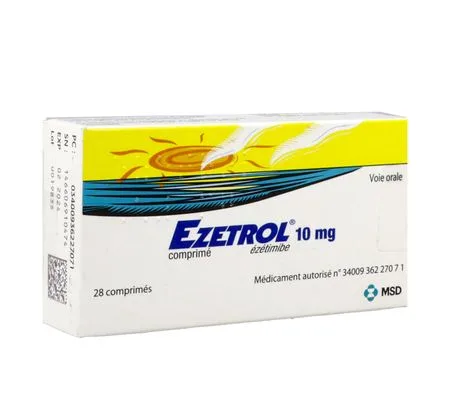
EZETROL 10 mg, tablet
Forms and presentations
Tablet.
Gelule-shaped tablet approximately 2,60 mm thick, white to cream white, embossed with "414" on one side.
Composition
Each tablet contains 10 mg of ezetimibe.
Excipients with known effect:
Each tablet contains 55 mg of lactose monohydrate.
EZETROL contains less than 1 mmol (23 mg) of sodium per tablet.
Croscarmellose sodium, lactose monohydrate, magnesium stearate, microcrystalline cellulose, povidone (K29-32), sodium lauryl sulfate.
Indications
Primary hypercholesterolaemia
EZETROL in combination with a statin (HMG-CoA reductase inhibitor) is indicated as an adjunct to diet in patients with primary hypercholesterolaemia (heterozygous familial and non-familial) who are not adequately controlled with a statin alone.
EZETROL monotherapy is indicated as an adjunct to diet in patients with primary hypercholesterolaemia (heterozygous familial and non-familial) for whom statin therapy is inappropriate or poorly tolerated.
Prevention of cardiovascular events
EZETROL is indicated to reduce the risk of cardiovascular events (see section Pharmacodynamics) in patients with coronary disease with a history of acute coronary syndrome (ACS), in addition to ongoing statin therapy or with concomitant initiation of a statin.
Homozygous familial hypercholesterolaemia (HoFH)
EZETROL in combination with a statin is indicated as an adjunct to diet in patients with HoFH. These patients may also receive additional treatments (for example, LDL apheresis).
Homozygous sitosterolaemia (phytosterolaemia)
EZETROL is indicated as an adjunct to diet in patients with homozygous familial sitosterolaemia.
Dosage and administration
Dosage
Throughout the duration of treatment with EZETROL, the patient should follow an appropriate lipid-lowering diet.
Oral use. The recommended dose is one EZETROL 10 mg tablet per day. EZETROL may be taken at any time of day, with or without meals.
When EZETROL is prescribed in combination with a statin, the usual initial dose, or the already established dose of that statin, should be continued. In this case, the dose adjustment recommendations for the statin used should be consulted.
Use in patients with coronary disease with a history of ACS
To obtain a further reduction in cardiovascular events in patients with coronary disease with a history of ACS, EZETROL 10 mg may be administered with a statin that has demonstrated cardiovascular benefit.
Administration in combination with an ion-exchange resin
EZETROL should be administered either ≥ 2 hours before or ≥ 4 hours after administration of an ion-exchange resin.
Elderly patients
No dose adjustment is necessary in elderly subjects (see section Pharmacokinetics).
Paediatric population
Treatment should be initiated under the supervision of a specialist.
Children and adolescents ≥ 6 years: The safety and efficacy of ezetimibe in children aged 6 to 17 years have not been established. The data currently available are described in the sections Warnings and precautions, Adverse effects, Pharmacodynamics and Pharmacokinetics but no dosage recommendation can be made.
When EZETROL is co-administered with a statin, follow the statin dosage recommendations for children.
Children < 6 years: The safety and efficacy of ezetimibe in children aged < 6 years have not been established. No data are available.
Hepatic impairment
No dose adjustment is necessary in patients with mild hepatic impairment (Child Pugh score 5 to 6). Treatment with EZETROL is not recommended in patients with moderate hepatic impairment (Child Pugh score 7 to 9) or severe (Child Pugh score > 9) (see sections Warnings and precautions and Pharmacokinetics).
Renal impairment
No dose adjustment is necessary in patients with renal impairment (see section Pharmacokinetics).
Contraindications
Hypersensitivity to the active substance or to any of the excipients listed in section Composition.
In combination with a statin, refer to the Summary of Product Characteristics of the statin used.
Treatment with EZETROL in combination with a statin is contraindicated during pregnancy or breastfeeding.
EZETROL in combination with a statin is contraindicated in patients with active liver disease or unexplained persistent elevations of serum transaminases.
Warnings and precautions
In combination with a statin, refer to the SmPC of the medicinal product used.
Liver enzymes
Controlled studies of EZETROL in combination with a statin have shown consecutive elevations of transaminases (≥ 3 x the upper limit of normal [ULN]). In such cases, liver function tests should be performed at the start of treatment and according to the statin recommendations (see section Adverse effects).
In the randomised IMPROVE-IT study (IMProved Reduction of Outcomes Vytorin Efficacy International Trial), 18 144 patients with coronary disease and a history of ACS received either 10 mg/40 mg of ezetimibe/simvastatin per day (n = 9 067), or 40 mg of simvastatin per day (n = 9 077). During a median follow-up of 6,0 years, the incidence of consecutive transaminase elevations (≥3 x ULN) was 2,5 % for ezetimibe/simvastatin and 2,3 % for simvastatin (see section Adverse effects).
In a randomised clinical study, more than 9 000 patients with chronic renal impairment received EZETROL 10 mg in combination with simvastatin 20 mg once daily (n = 4650) or placebo (n = 4 620) and were followed for 4,9 years (median). The incidence of persistent elevations of serum transaminases (> 3 x ULN) was 0,7 % for EZETROL in combination with simvastatin and 0,6 % in the placebo group (see section Adverse effects).
Skeletal muscle
Since EZETROL was marketed, cases of muscle disorders and rhabdomyolysis have been reported. Most patients who developed rhabdomyolysis were taking a statin concomitantly with EZETROL. However, rhabdomyolysis has been very rarely reported with EZETROL monotherapy, and very rarely reported when EZETROL was combined with other medicinal products known to be associated with an increased risk of rhabdomyolysis. If muscle disorder is suspected, in the presence of muscle symptoms, or confirmed by a CPK level > 10 x ULN, EZETROL, the statin or any of these concomitantly taken agents must be stopped immediately. All patients starting treatment with EZETROL must be informed of the risk of muscle disorder and must promptly report any unexplained muscle tenderness, pain or weakness (see section Adverse effects).
In the randomised IMPROVE-IT study, 18 144 patients with coronary disease and a history of ACS received either 10 mg/40 mg of ezetimibe/simvastatin per day (n = 9 067), or 40 mg of simvastatin per day (n = 9 077). During a median follow-up of 6,0 years, the incidence of myopathies was 0,2 % for ezetimibe/simvastatin and 0,1 % for simvastatin, myopathies being defined as unexplained muscle weakness or pain with serum CPK ≥ 10 x ULN or with two consecutive CPK results ≥ 5 and <10 x ULN. The incidence of rhabdomyolysis was 0,1 % with ezetimibe/simvastatin and 0,2 % with simvastatin, rhabdomyolysis being defined as unexplained muscle weakness or pain with serum CPK ≥ 10 x ULN and proven renal impairment, or with CPK ≥ 5 x ULN and < 10 x ULN on two consecutive occasions with proven renal impairment, or with CPK ≥ 10 000 IU/L without proven renal impairment (see section Adverse effects).
In a randomised clinical study, more than 9 000 patients with chronic renal impairment received EZETROL 10 mg in combination with simvastatin 20 mg once daily (n = 4 650) or placebo (n = 4 620) and were followed for 4,9 years (median). The incidence of myopathies/rhabdomyolysis was 0,2 % for EZETROL in combination with simvastatin and 0,1 % in the placebo group (see section Adverse effects).
Hepatic impairment
As the effects of increased exposure to ezetimibe are not known in patients with moderate or severe hepatic impairment, EZETROL is not recommended in this population (see section Pharmacokinetics).
Paediatric population
The efficacy and safety of EZETROL in children aged 6 years to 10 years with heterozygous familial or non-familial hypercholesterolaemia were evaluated in a placebo-controlled clinical trial over a duration of 12 weeks. The effects of ezetimibe over a period of more than 12 weeks of treatment have not been studied in this age group (see sections Dosage and administration, Adverse effects, Pharmacodynamics and Pharmacokinetics).
EZETROL has not been studied in patients under the age of 6 years (see sections Dosage and administration and Adverse effects).
The efficacy and safety of EZETROL, in combination with simvastatin, were evaluated in a controlled clinical trial conducted in patients aged 10 to 17 years with heterozygous familial hypercholesterolaemia: adolescent boys (at Tanner stage II or above) and adolescent girls (at least 1 year after menarche). In this controlled study, no effect was detected on growth or sexual maturation in adolescent boys or girls, nor on the length of the menstrual cycle in girls.
However, the effects of ezetimibe on growth or sexual maturation have not been studied beyond 33 weeks of treatment (see sections Dosage and administration and Adverse effects).
The safety and efficacy of EZETROL administered in combination with doses of more than 40 mg of simvastatin per day have not been studied in patients aged 10 to 17 years.
The safety and efficacy of EZETROL administered in combination with simvastatin have not been studied in children aged less than 10 years (see sections Dosage and administration and Adverse effects).
In patients younger than 17 years, the long-term efficacy of treatment with EZETROL in reducing morbidity and mortality in adulthood has not been studied.
Fibrates
The efficacy and safety of EZETROL administered in combination with fibrates have not been established.
If gallstone disease is suspected in a patient treated with EZETROL and fenofibrate, biliary investigations are indicated and treatment must be discontinued (see sections Interactions and Adverse effects).
Ciclosporin
In patients treated with ciclosporin, initiation of treatment with EZETROL should be done with caution. Ciclosporin concentrations should be monitored in patients taking EZETROL in combination with ciclosporin (see section Interactions).
Anticoagulants
If EZETROL is combined with warfarin, another coumarin anticoagulant, or fluindione, prothrombin time expressed as INR should be monitored appropriately (see section Interactions).
Excipient
Due to the presence of lactose, this medicine must not be administered in cases of congenital galactose intolerance, glucose-galactose malabsorption syndrome, or Lapp lactase deficiency.
EZETROL contains less than 1 mmol (23 mg) of sodium per tablet, i.e. it is essentially sodium-free.
Interactions
Preclinical studies have shown that ezetimibe does not induce the cytochrome P450 enzymes responsible for drug metabolism. No clinically significant pharmacokinetic interaction has been observed between ezetimibe and drugs known to be metabolised by cytochromes P450 1A2, 2D6, 2C8, 2C9 and 3A4, or by N-acetyltransferase.
Clinical interaction studies have shown that ezetimibe has no effect on the pharmacokinetics of dapsone, dextromethorphan, digoxin, oral contraceptives (ethinylestradiol and levonorgestrel), glipizide, tolbutamide, or midazolam when administered in combination with these substances.
Cimetidine, when combined with ezetimibe, has no effect on the bioavailability of ezetimibe.
Antacids
Simultaneous administration of antacids decreases the rate of absorption of ezetimibe but has no effect on the bioavailability of ezetimibe. This decrease in the rate of absorption of ezetimibe is not considered clinically significant.
Cholestyramine
Simultaneous administration of cholestyramine decreases the mean area under the curve (AUC) of total ezetimibe (ezetimibe + ezetimibe glucuronide) by approximately 55 %. The additional reduction in LDL-cholesterol observed with the combination of EZETROL and cholestyramine could be reduced by this interaction (see section Dosage and administration).
Fibrates
In patients treated with EZETROL and fenofibrate, physicians should be informed of the potential risk of gallstone formation and gallbladder disease (see sections Warnings and precautions and Adverse effects).
If gallstone disease is suspected in a patient treated with EZETROL and fenofibrate, biliary investigations are indicated and treatment must be discontinued (see section Adverse effects).
Simultaneous administration of fenofibrate or gemfibrozil moderately increases total ezetimibe concentrations (approximately 1,5 and 1,7 times, respectively).
The administration of EZETROL in combination with other fibrates has not been studied.
Fibrates may increase cholesterol excretion into the bile and lead to gallstone formation. In animal studies, ezetimibe sometimes increases the cholesterol content of gallbladder bile, but not in all species (see section Preclinical safety). A lithogenic risk associated with taking EZETROL cannot be excluded.
Statins
In combination with atorvastatin, simvastatin, pravastatin, lovastatin, fluvastatin or rosuvastatin, no clinically significant pharmacokinetic interaction has been observed.
Ciclosporin
A study conducted in 8 renal transplant patients with creatinine clearance > 50 mL/min, receiving a fixed dose of ciclosporin and a single dose of 10 mg of EZETROL, showed a mean increase in total ezetimibe AUC (area under the curve) of 3,4 times (2,3 to 7,9 times) compared with healthy volunteers from another study (n = 17) treated with ezetimibe alone.
In another study in a renal transplant patient with severe renal impairment receiving ciclosporin and multiple medicinal products, total ezetimibe exposure was 12 times higher than that of controls. In a two-period crossover study in 12 healthy subjects, daily administration of 20 mg of ezetimibe for 8 days, with a single dose of 100 mg of ciclosporin on day 7,th compared with administration of a single dose of 100 mg of ciclosporin (without ezetimibe), resulted in a mean increase of 15 % in ciclosporin AUC (area under the curve) (with a range from – 10 % to + 51 %).
No data are available in renal transplant patients treated with ciclosporin. Caution is required when initiating treatment with EZETROL in patients treated with ciclosporin. Ciclosporin concentrations should be monitored in patients taking EZETROL in combination with ciclosporin (see section Warnings and precautions).
Anticoagulants
In a study in 12 healthy male volunteers, concomitant administration of ezetimibe (10 mg once daily) had no significant effect on the bioavailability of warfarin or on prothrombin time. However, since marketing, increases in prothrombin time expressed as INR have been reported in patients taking EZETROL in combination with warfarin or fluindione. If EZETROL is combined with warfarin, another coumarin anticoagulant, or fluindione, prothrombin time expressed as INR should be monitored appropriately (see section Warnings and precautions).
Paediatric population
Interaction studies have only been performed in adults.
Fertility, pregnancy and breastfeeding
In combination with a statin, EZETROL is contraindicated during pregnancy and breast-feeding (see section Contraindications). Refer to the Summary of Product Characteristics of the statin used.
Pregnancy
EZETROL should only be administered to a pregnant woman if clearly necessary. No clinical data are available on the use of EZETROL during pregnancy. Animal studies with ezetimibe used as monotherapy have not shown any direct or indirect harmful effect on pregnancy, embryonic or fetal development, birth or post-natal development (see section Preclinical safety).
Breast-feeding
EZETROL must not be used during breast-feeding. Studies in rats have shown that ezetimibe is secreted in breast milk. No data exist on the secretion of ezetimibe in human breast milk.
Fertility
There are no clinical data on the effects of ezetimibe on fertility in humans. Ezetimibe had no effect on the fertility of male and female rats (see section Preclinical safety).
Driving and using machines
The effects on the ability to drive vehicles and use machines have not been studied. However, when driving vehicles or using machines, it should be taken into account that dizziness has been reported.
Adverse effects
List of adverse reactions (clinical studies and data reported since marketing)
In clinical studies lasting up to 112 weeks, EZETROL 10 mg per day was administered alone to 2 396 patients, in combination with a statin to 11 308 patients, or with fenofibrate to 185 patients. Adverse reactions were usually mild and transient. The overall incidence of observed side effects was identical between EZETROL and placebo. Likewise, the rate of treatment discontinuation due to adverse events was comparable between EZETROL and placebo.
EZETROL administered alone or in combination with a statin
The following adverse reactions were observed in patients treated with EZETROL (n = 2 396), and with a higher incidence than with placebo (n = 1 159), or in patients treated with EZETROL co-administered with a statin (n = 11 308) and with a higher incidence than with a statin administered alone (n = 9 361). Adverse reactions reported since marketing were observed with EZETROL administered alone or with a statin. The adverse reactions observed during clinical studies of EZETROL (as monotherapy or co-administered with a statin) or reported since marketing of EZETROL administered alone or with a statin are listed in the table 1. These adverse reactions are presented by system organ class and by frequency.
Frequencies are defined as follows: very common (≥ 1/10), common (≥ 1/100 to < 1/10), uncommon (≥ 1/1 000 to < 1/100), rare (≥ 1/10 000 to < 1/1 000), very rare (< 1/10 000) and not known (cannot be estimated from the available data).
Table 1
Adverse effects
|
System Organ Classes Frequency |
Adverse reaction |
|
Blood and lymphatic system disorders |
|
|
Not known |
thrombocytopenia |
|
Immune system disorders |
|
|
Not known |
hypersensitivity; including rash; urticaria; anaphylaxis and angioedema |
|
Metabolism and nutrition disorders |
|
|
Uncommon |
decreased appetite |
|
Psychiatric disorders |
|
|
Not known |
depression |
|
Nervous system disorders |
|
|
Common |
headache |
|
Uncommon |
paresthesia |
|
Not known |
dizziness |
|
Vascular disorders |
|
|
Uncommon |
hot flushes; hypertension |
|
Respiratory, thoracic and mediastinal disorders |
|
|
Uncommon |
cough |
|
Not known |
dyspnoea |
|
Gastrointestinal disorders |
|
|
Common |
abdominal pain; diarrhoea; flatulence |
|
Uncommon |
dyspepsia; gastro-oesophageal reflux; nausea; sdry mouth; gastritis |
|
Not known |
pancreatitis; constipation |
|
Hepatobiliary disorders |
|
|
Not known |
hepatitis; biliary lithiasis; cholecystitis |
|
Skin and subcutaneous tissue disorders |
|
|
Uncommon |
pruritus; rash; urticaria |
|
Not known |
erythema multiforme |
|
Musculoskeletal and systemic disorders |
|
|
Common |
myalgia |
|
Uncommon |
arthralgia; muscle cramps; neck pain; dback pain; muscle weakness; extremity pain |
|
Not known |
myopathy/rhabdomyolysis (see section Warnings and precautions) |
|
General disorders and administration site conditions |
|
|
Common |
fatigue |
|
Uncommon |
dchest pain; pain; aasthenia; peripheral oedema |
|
Investigations |
|
|
Common |
increase in ALAT and/or ASAT |
|
Uncommon |
increased CPK; increased γ-GT; abnormal liver function test |
EZETROL in combination with fenofibrate
Gastrointestinal disorders: abdominal pain (common).
In a multicentre, double-blind, controlled, versus placebo study, 625 patients with mixed hyperlipidaemia were treated for up to 12 weeks and 576 for up to one year. In this study, 172 patients were treated with EZETROL combined with fenofibrate until the end of the 12 weeks, and 230 patients were treated with EZETROL combined with fenofibrate (including 109 patients who received EZETROL monotherapy during the first 12 weeks) until the end of the 1 year period. This study was not designed to compare the treatment groups in terms of infrequent effects. The incidence rates (CI 95 %) of clinically important increases in serum transaminases (> 3 x ULN, consecutive) were 4,5 % (1,9; 8,8) and 2,7 % (1,2; 5,4) respectively for the fenofibrate monotherapy and EZETROL combined with fenofibrate groups, adjusted for treatment exposure. The corresponding incidence rates for cholecystectomy were 0,6 % (0,0; 3,1) and 1,7 % (0,6; 4,0) for fenofibrate monotherapy and for EZETROL combined with fenofibrate (see sections Warnings and precautions and Interactions).
Paediatric population (6 to 17 years)
In a study conducted in children (aged 6 to 10 years) with heterozygous familial or non-familial hypercholesterolaemia (n = 138), elevations of ALAT and/or ASAT (≥ 3 x ULN, consecutive) were observed in 1,1 % of patients (1 patient) in the ezetimibe group, versus 0 % of patients in the placebo group. No elevation of CPK (≥ 10 x ULN) was reported. No cases of myopathy were reported.
In another study conducted in adolescents (aged 10 to 17 years) with heterozygous familial hypercholesterolaemia (n = 248), elevations of ALAT and/or ASAT (≥ 3 x ULN, consecutive) were observed in 3 % of patients (4 patients) in the ezetimibe/simvastatin group, versus 2 % of patients (2 patients) in the simvastatin monotherapy group. For elevation of CPK (≥ 10 x ULN) the data were 2 % of patients (2 patients) and 0 % respectively. No cases of myopathy were reported.
These trials were not designed to compare rare adverse effects.
Patients with coronary disease with a history of ACS
In the IMPROVE-IT study (see section Pharmacodynamics), conducted in 18 144 patients treated either with ezetimibe/simvastatin 10 mg/40 mg (n = 9 067; of whom 6 % received an increased dose to 10 mg/80 mg of ezetimibe/simvastatin) or with 40 mg of simvastatin (n = 9 077; of whom 27 % received an increased dose to 80 mg of simvastatin), the safety profiles were similar over a median follow-up period of 6,0 years.
Treatment discontinuation rates due to adverse events were 10,6 % for patients treated with ezetimibe/simvastatin and 10,1 % for patients treated with simvastatin.
The incidence of myopathies was 0,2 % with ezetimibe/simvastatin and 0,1 % with simvastatin; myopathies being defined as unexplained muscle weakness or pain with serum CPK ≥ 10 x ULN or with two consecutive CPK results ≥ 5 x ULN and < 10 x ULN. The incidence of rhabdomyolysis was 0,1 % with ezetimibe/simvastatin and 0,2 % with simvastatin, rhabdomyolysis being defined as unexplained muscle weakness or pain with serum CPK ≥ 10 x ULN and proven renal impairment or with ≥ 5 x ULN and < 10 x ULN on two consecutive occasions and proven renal impairment or with CPK ≥ 10 000 IU/L without proven renal impairment. The incidence of consecutive transaminase elevations (≥ 3 x ULN) was 2,5 % with ezetimibe/simvastatin and 2,3 % with simvastatin (see section Warnings and precautions). Gallbladder-related adverse reactions were reported in 3,1 % of patients treated with ezetimibe/simvastatin versus 3,5 % of patients treated with simvastatin. The incidence of hospitalisations for cholecystectomy was 1,5 % in both treatment groups. Cancers (defined as any new malignant tumour) were diagnosed during the study in 9,4 % of patients treated with ezetimibe/simvastatin versus 9,5 % of patients treated with simvastatin.
Patients with chronic renal insufficiency
In the SHARP study (Study of Heart and Renal Protection) (see section Pharmacodynamics), conducted in more than 9 000 treated patients, receiving EZETROL 10 mg in combination with simvastatin 20 mg fixed dose once daily (n = 4 650) or placebo (n = 4 620), the safety profiles were comparable over a follow-up period of 4,9 years (median). In this trial, only serious adverse events and treatment discontinuations due to adverse events were reported. Treatment discontinuation rates due to adverse events were comparable (10,4 % in patients treated with EZETROL in combination with simvastatin, and 9,8 % in those treated with placebo). The incidence of muscle disorder/rhabdomyolysis was 0,2 % in patients treated with EZETROL in combination with simvastatin and 0,1 % in those treated with placebo. The incidence of persistent elevations of serum transaminases (> 3 x ULN) was 0,7 % in patients treated with EZETROL in combination with simvastatin compared with 0,6 % in those treated with placebo (see section Warnings and precautions). In this trial, there was no significant increase in pre-specified adverse events, such as cancer (9,4 % for EZETROL in combination with simvastatin and 9,5 % for placebo), hepatitis, cholecystectomy or gallstone or pancreatitis complications.
Biological values
A clinically significant increase in serum transaminases (ALAT and/or ASAT ≥ 3 x ULN, consecutive) was observed similarly between EZETROL (0,5 %) and placebo (0,3 %) during controlled clinical studies of monotherapy. In clinical co-administration studies, the incidence was 1,3 % in patients treated with EZETROL in combination with a statin, and 0,4 % for patients treated with a statin alone. These increases are generally asymptomatic, not associated with cholestasis; values return to baseline upon discontinuation of treatment or upon continuation of treatment (see section Warnings and precautions).
In clinical trials, the incidence of CPK > 10 x ULN concerned 4 of 1 674 patients on EZETROL alone (i.e. 0,2 %) versus 1 of 786 patients on placebo (i.e. 0,1 %); and 1 of 917 patients on EZETROL combined with a statin (i.e. 0,1 %) versus 4 of 929 patients on statin alone (i.e. 0,4 %). There was no increase in muscle disorder or rhabdomyolysis associated with EZETROL compared with the control group (placebo or statin alone) (see section Warnings and precautions).
Reporting of suspected adverse reactions
Reporting suspected adverse reactions after authorisation of the medicinal product is important. It allows continued monitoring of the benefit/risk balance of the medicinal product. Healthcare professionals are asked to report any suspected adverse reaction via the national reporting system: National Agency for the Safety of Medicines and Health Products (ANSM) and the network of Regional Centres of Pharmacovigilance - Website: https://signalement.social-sante.gouv.fr/.
Overdose
In clinical studies, administration of ezetimibe at a dose of 50 mg/day to 15 healthy subjects for a period of up to 14 days, or at a dose of 40 mg/day to 18 patients with primary hypercholesterolaemia for a period of up to 56 days, was generally well tolerated. In animals, no toxicity was observed after single oral doses of 5 000 mg/kg ezetimibe in rats and mice and of 3 000 mg/kg in dogs.
A few cases of overdose have been reported with EZETROL; most of them were not associated with adverse effects. No serious adverse effects have been reported. In case of overdose, symptomatic treatment and, if necessary, additional measures should be used.
Pharmacodynamics
Pharmacotherapeutic class: OTHER LIPID-MODIFYING AGENTS, ATC code: C10AX09.
Mechanism of action
EZETROL belongs to a new class of lipid-lowering agents that selectively inhibit the intestinal absorption of cholesterol and related phytosterols. EZETROL is for oral use. Its mechanism of action differs from that of other classes of cholesterol-lowering agents (statins, ion-exchange resins, fibric acid derivatives and plant stanols).
The molecular target of ezetimibe is the sterol transporter, Niemann-Pick C1-Like 1 (NPC1L1), which is responsible for the intestinal absorption of cholesterol and phytosterols.
Ezetimibe localises at the brush border of the small intestine and inhibits cholesterol absorption, resulting in a reduction of intestinal cholesterol delivered to the liver, whereas statins reduce hepatic cholesterol synthesis. Thus, these two molecules administered simultaneously with distinct mechanisms produce an additive reduction in cholesterol. A clinical study of 2 weeks conducted in 18 hypercholesterolaemic patients showed that EZETROL inhibits intestinal cholesterol absorption by 54% compared with placebo.
Pharmacodynamic effects
Several preclinical studies aimed at determining the selectivity of ezetimibe in inhibiting cholesterol absorption have been performed. Ezetimibe inhibits the absorption of [14C]-cholesterol but has no effect on the absorption of triglycerides, fatty acids, bile acids, progesterone, ethinylestradiol, or the fat-soluble vitamins A and D.
Epidemiological studies have shown that cardiovascular morbidity and mortality vary directly with total cholesterol and LDL-cholesterol levels and inversely with HDL-cholesterol levels. Administration of EZETROL with a statin is effective in reducing the risk of cardiovascular events in patients with coronary disease with a history of ACS.
Safety and clinical efficacy
Controlled clinical studies have shown that, in patients with hypercholesterolaemia, EZETROL alone or in combination with a statin significantly reduces total cholesterol (total-C), LDL-cholesterol (low-density lipoprotein cholesterol), apolipoprotein B (Apo B), triglycerides (TG) and increases HDL-cholesterol (high-density lipoprotein cholesterol).
Primary hypercholesterolaemia
In a double-blind, placebo-controlled study of 8 weeks, 769 patients with hypercholesterolaemia already treated with a statin monotherapy but not reaching the NCEP (National Cholesterol Education Program) LDL-C target of 2,6 to 4,1 mmol/L [100 to 160 mg/dL]), depending on baseline characteristics, were randomised to receive either 10 mg of EZETROL or placebo, in combination with their current statin treatment.
In patients treated with a statin who had not reached the LDL-C target at baseline (~82%), the LDL-cholesterol target was reached at the end of the study by 72% of patients randomised to and treated with EZETROL versus 19% of patients treated with placebo; the corresponding LDL-cholesterol reductions were significantly different between EZETROL and placebo (25% and 4%, respectively). Moreover, EZETROL, in combination with the current statin treatment, significantly decreased total cholesterol, Apo B and triglycerides and increased HDL-cholesterol compared with placebo. The addition of EZETROL or placebo to statin treatment decreased the mean C-reactive protein concentration by 10% and 0%, respectively, relative to baseline.
Two randomised, double-blind, placebo-controlled studies of 12 weeks conducted in 1 719 patients with primary hypercholesterolaemia showed that 10 mg of EZETROL significantly decreased total cholesterol (13%), LDL-cholesterol (19%), Apo B levels (14%) and triglycerides (8%) and increased HDL-cholesterol (3%), compared with placebo. Moreover, EZETROL had no effect on plasma concentrations of the fat-soluble vitamins A, D and E, or on prothrombin time, and, as with other lipid-lowering agents, no change in the production of adrenocortical steroid hormones was observed.
In a multicentre, double-blind, controlled clinical study (ENHANCE), 720 patients with heterozygous familial hypercholesterolaemia were randomised to receive 10 mg of ezetimibe in combination with 80 mg of simvastatin (n = 357) or 80 mg of simvastatin (n = 363) for 2 years. The primary objective of this study was to assess the effect of the ezetimibe/simvastatin combination on carotid artery intima-media thickness (IMT) compared with simvastatin alone. The impact of this surrogate marker on cardiovascular morbidity and mortality has not yet been demonstrated.
Measurement by B-mode ultrasonography of the change in mean IMT across 6 carotid artery segments (primary endpoint) showed no significant difference (p = 0,29) between the 2 treatment groups. With the ezetimibe 10 mg/simvastatin 80 mg combination or with simvastatin alone, intima-media thickness increased by 0,0111 mm and 0,0058 mm, respectively, over the 2 years of the study (mean baseline IMT = 0,68 mm and 0,69 mm, respectively).
LDL-cholesterol, total cholesterol, Apo B and triglyceride levels were significantly more reduced with the ezetimibe 10 mg/simvastatin 80 mg combination than with simvastatin 80 mg. The increase in the percentage of HDL-cholesterol was similar in both treatment groups. The adverse effects reported with the ezetimibe 10 mg/simvastatin 80 mg combination were consistent with the known safety profile.
Paediatric population
In a controlled, multicentre, double-blind study, 138 patients (59 boys and 79 girls) aged 6 to 10 years (mean age 8,3 years) with heterozygous familial hypercholesterolaemia (HeFH) or non-familial hypercholesterolaemia, with LDL-cholesterol levels at baseline between 3,74 and 9,92 mmol/L, were randomised to receive EZETROL 10 mg or placebo for 12 weeks.
At 12th week, EZETROL significantly decreased total cholesterol (‑21 % vs 0 %), LDL-cholesterol (‑28 % vs ‑1 %), Apo B levels (‑22 % vs ‑1 %), and non-HDL-cholesterol (‑26 % vs 0 %) compared with placebo. The results were not significantly different between the two treatment groups for triglycerides and HDL-cholesterol (‑6 % vs +8 % and +2 % vs +1 %, respectively).
In a controlled, multicentre, double-blind study, 142 boys (at Tanner pubertal stage grade II or higher) and 106 girls (at least 1 year after onset of first menses) aged 10 to 17 years (mean age 14,2 years) with heterozygous familial hypercholesterolaemia (HeFH) and baseline LDL-cholesterol levels of 4,1 to 10,4 mmol/L were randomised to receive EZETROL 10 mg in combination with simvastatin (10, 20 or 40 mg) or simvastatin alone (10, 20 or 40 mg) for 6 weeks. They then received, for the following 27 weeks, EZETROL in combination with 40 mg of simvastatin or 40 mg of simvastatin alone. The trial continued open-label with EZETROL combined with simvastatin (10, 20 or 40 mg) for 20 weeks.
After 6 weeks of treatment, EZETROL combined with simvastatin (all doses pooled) significantly decreased total cholesterol (38 % vs 26 %), LDL-cholesterol (49 % vs 34 %), Apo B levels (39 % vs 27 %), and non-HDL-cholesterol (47 % vs 33 %) compared with simvastatin alone (all doses). The results were similar between the two treatment groups for triglycerides and HDL-cholesterol (-17 % vs -12 % and + 7 % vs + 6 %, respectively).
After 33 weeks, the results were consistent with those observed after 6 weeks. A greater proportion of patients treated with the Ezetrol/simvastatin 40 mg combination (62 %) reached the NCEP/AAP (National Cholesterol Education Program/American Academy of Paediatrics) ideal target (<2,8 mmol/L [110 mg/dL] for LDL-cholesterol) compared with those receiving 40 mg of simvastatin (25 %).
At the end of the extension period of this study, after 53 weeks, the effects on lipid parameters were maintained.
The efficacy and safety of EZETROL in combination with simvastatin doses above 40 mg per day have not been studied in patients aged 10 to 17 years. The efficacy and safety of EZETROL in combination with simvastatin have not been studied in children under 10 years of age. The long-term efficacy of EZETROL treatment in patients under 17 years of age for reducing morbidity and mortality in adulthood has not been studied.
Prevention of cardiovascular events
IMPROVE-IT (IMProved Reduction of Outcomes: Vytorin Efficacy International Trial) was a multicentre, randomised, double-blind study conducted versus active comparator in 18 144 patients enrolled within 10 days following hospitalisation for acute coronary syndrome (ACS; acute myocardial infarction [MI] or unstable angina). At inclusion, ACS patients had an LDL-cholesterol level of either ≤ 125 mg/dL (≤ 3,2 mmol/L) if they were not on lipid-lowering therapy, or ≤ 100 mg/dL (≤ 2,6 mmol/L) if they were taking lipid-lowering therapy. All patients were randomised in a 1:1 ratio to receive either ezetimibe/simvastatin 10 mg/40 mg (n = 9 067) or simvastatin 40 mg (n = 9 077) and were followed for a median period of 6,0 years.
Patients had a mean age of 63,6 years; 76 % were men, 84 % were of Caucasian origin and 27 % were diabetic. The mean LDL-cholesterol value at the time of the qualifying event for study entry was 80 mg/dL (2,1 mmol/L) for those already on lipid-lowering therapy (n = 6 390) and 101 mg/dL (2,6 mmol/L) for those with no prior lipid-lowering therapy (n = 11 594). Before hospitalisation for the qualifying ACS for study inclusion, 34 % of patients were on statin therapy.
After one year, the mean LDL-cholesterol of patients still on treatment was 53,2 mg/dL (1,4 mmol/L) in the ezetimibe/simvastatin group and 69,9 mg/dL (1,8 mmol/L) in the simvastatin monotherapy group. Lipid values were mainly obtained from patients who continued study treatment.
The primary endpoint was a composite criterion comprising cardiovascular death, major coronary event (defined as non-fatal myocardial infarction, documented unstable angina requiring hospitalisation, or coronary revascularisation intervention occurring at least 30 days after randomisation to treatment groups) and non-fatal stroke. The study demonstrated that treatment with ezetimibe added to simvastatin provides additional benefit by reducing the primary composite criterion comprising cardiovascular death, major coronary event and non-fatal stroke, compared with simvastatin alone (relative risk reduction of 6,4 %, p = 0,016). The primary endpoint occurred in 2 572 of 9 067 patients (Kaplan-Meier [KM] survival rate at 7 years of 32,72 %) in the ezetimibe/simvastatin group and in 2 742 of 9 077 patients (KM survival rate at 7 years of 34,67 %) in the simvastatin alone group (see Figure 1 and Table 2). This additional benefit in reducing the risk of cardiovascular events is expected to be similar when ezetimibe is co-administered with statins proven to reduce cardiovascular risk. Total mortality remained unchanged in this high-risk group (see Table 2).
An overall benefit was observed for all strokes; however, there was a small, non-significant increase in haemorrhagic stroke in the ezetimibe/simvastatin group compared with simvastatin alone (see Table 2). The risk of haemorrhagic stroke when ezetimibe is co-administered with more potent statins has not been evaluated in long-term studies.
The effect of the ezetimibe/simvastatin treatment was generally consistent across the outcomes collected in numerous subgroups, including sex, age, ethnic origin, history of diabetes, lipid levels at baseline, prior statin treatment, history of stroke, and hypertension.
Figure 1: Effect of ezetimibe/simvastatin on the primary composite endpoint comprising cardiovascular death, major coronary event, or non-fatal stroke
Table 2
Major cardiovascular events by treatment group in all randomised patients of IMPROVE-IT
|
Outcome |
Ezetimibe/Simvastatin
|
Simvastatin
|
Hazard Ratio
|
p-value |
||
|
|
n |
KM % c |
n |
KM % c |
|
|
|
Primary composite efficacy criterion |
||||||
|
(Cardiovascular death, major coronary events and non-fatal stroke) |
2572 |
32,72% |
2742 |
34,67% |
0,936 (0,887 ; 0,988) |
0,016 |
|
Secondary composite efficacy endpoint |
||||||
|
Death from coronary causes, non-fatal myocardial infarction, urgent coronary revascularisation after 30 days |
1322 |
17,52% |
1448 |
18,88% |
0,912 (0,847 ; 0,983) |
0,016 |
|
Major coronary event, non-fatal stroke, death (all causes) |
3089 |
38,65% |
3246 |
40,25% |
0,948 (0,903 ; 0,996) |
0,035 |
|
Cardiovascular death, non-fatal myocardial infarction, unstable angina requiring hospitalisation, any revascularisation, non-fatal stroke |
2716 |
34,49% |
2869 |
36,20% |
0,945 (0,897 ; 0,996) |
0,035 |
|
Components of the primary composite efficacy endpoint and selected efficacy endpoints (first occurrences of a defined event that may occur at any time) |
||||||
|
Cardiovascular death |
537 |
6,89% |
538 |
6,84% |
1,000 (0,887 ; 1,127) |
0,997 |
|
Major coronary event: |
|
|
|
|
|
|
|
Non-fatal myocardial infarction |
945 |
12,77% |
1083 |
14,41% |
0,871 (0,798 ; 0,950) |
0,002 |
|
Unstable angina requiring hospitalization |
156 |
2,06% |
148 |
1,92% |
1,059 (0,846 ; 1,326) |
0,618 |
|
Coronary revascularization after 30 days |
1690 |
21,84% |
1793 |
23,36% |
0,947 (0,886 ; 1,012) |
0,107 |
|
Non-fatal stroke |
245 |
3,49% |
305 |
4,24% |
0,802 (0,678 ; 0,949) |
0,010 |
|
Any myocardial infarction (fatal and non-fatal) |
977 |
13,13% |
1118 |
14,82% |
0,872 (0,800 : 0,950) |
0,002 |
|
Any stroke (fatal and non-fatal) |
296 |
4,16% |
345 |
4,77% |
0,857 (0,734 ; 1,001) |
0,052 |
|
Non-haemorrhagic stroke d |
242 |
3,48% |
305 |
4,23% |
0,793 (0,670 ; 0,939) |
0,007 |
|
Haemorrhagic stroke |
59 |
0,77% |
43 |
0,59% |
1,377 (0,930 ; 2,040) |
0,110 |
|
All-cause death |
1215 |
15,36% |
1231 |
15,28% |
0,989 (0,914 ; 1,070) |
0,782 |
a 6% received an increase in dose to 10 mg/80 mg of ezetimibe/simvastatin
b 27% received an increase in dose to 80 mg of simvastatin
c Survival rate at 7 years according to Kaplan-Meier
d includes an ischaemic stroke or a stroke of undetermined type
Prevention of major vascular events in chronic kidney disease (CKD)
The SHARP (Study of Heart and Renal Protection) study was a multicentre, randomised, double-blind, placebo-controlled study conducted in 9 438 patients with chronic renal insufficiency, one third of whom were on dialysis at inclusion. A total of 4 650 patients were treated with EZETROL 10 mg in combination with simvastatin 20 mg and 4 620 received placebo; they were followed for a median duration of 4,9 years.
The patients had a mean age of 62 years, 63% were men, 72% were Caucasian, 23% were diabetic, and for those who were not on dialysis, the mean estimated glomerular filtration rate (eGFR) was 26,5 mL/min/1,73 m2. There was no lipid-based inclusion criterion. The mean baseline LDL-cholesterol was 108 mg/dL. After one year, including patients no longer taking study medication, LDL-cholesterol was reduced by 26% in the simvastatin 20 mg alone group and by 38% in the EZETROL 10 mg combined with simvastatin 20 mg group, compared with placebo.
The primary endpoint of the SHARP protocol was an intention-to-treat analysis of major vascular events (defined as non-fatal myocardial infarction, cardiac death, stroke or any revascularisation procedure), only in patients randomised to the EZETROL in combination with simvastatin group (n = 4 193) or the placebo group (n = 4 191).
Secondary analyses included the same composite endpoint for the entire population (at inclusion or at one year) randomised to the EZETROL in combination with simvastatin group (n = 4 650) or the placebo group (n = 4 620), as well as the components of these endpoints.
Analysis of the primary endpoint showed that EZETROL in combination with simvastatin significantly reduced the risk of major vascular events (749 patients with events in the placebo group versus 639 in the EZETROL in combination with simvastatin group), with a relative risk reduction of 16% (p = 0,001).
However, the design of this study did not allow determination of the specific contribution of ezetimibe in significantly reducing the risk of major vascular events in patients with chronic renal insufficiency.
The individual components of major vascular events in all randomised patients are presented in Table 3. EZETROL in combination with simvastatin significantly reduced the risk of stroke and revascularisation, with non-significant numerical differences in favour of EZETROL in combination with simvastatin for non-fatal myocardial infarctions and cardiac deaths.
Table 3
Major vascular events, by treatment group, in all patients included in SHARPa
|
Results |
EZETROL 10 mg in combination with simvastatin 20 mg (n = 4 650) |
Placebo (n = 4 620) |
Risk ratio (CI 95 %) |
p-value |
|
Major vascular events |
701 (15,1 %) |
814 (17,6 %) |
0,85 (0,77-0,94) |
0,001 |
|
Non-fatal myocardial infarction |
134 (2,9 %) |
159 (3,4 %) |
0,84 (0,66 -1,05 ) |
0,12 |
|
Cardiac death |
253 (5,4 %) |
272 (5,9 %) |
0,93 (0,78 - 1,10) |
0,38 |
|
Cerebrovascular accident |
171 (3,7 %) |
210 (4,5 %) |
0,81 (0,66 - 0,99) |
0,038 |
|
Non-haemorrhagic stroke |
131 (2,8 %) |
174 (3,8 %) |
0,75 (0,60 - 0,94) |
0,011 |
|
Haemorrhagic stroke |
45 (1,0 %) |
37 (0,8 %) |
1,21 (0,78 - 1,86) |
0,40 |
|
Any revascularisation |
284 (6,1 %) |
352 (7,6 %) |
0,79 (0,68 - 0,93) |
0,004 |
|
Major atherosclerotic events b |
526 (11,3 %) |
619 (13,4 %) |
0,83 (0,74 - 0,94) |
0,002 |
a Intention-to-treat analysis of all patients randomised at the start of the SHARP study or at 1 year, in the EZETROL group in combination with simvastatin or the placebo group
b Major atherosclerotic events such as non-fatal myocardial infarction, coronary death, non-haemorrhagic stroke, any revascularisation
The absolute reduction in LDL-cholesterol achieved with EZETROL in combination with simvastatin was lower in patients with a lower LDL-cholesterol level (< 2,5 mmol/L) at inclusion and in patients on dialysis at inclusion, compared with other patients, and the corresponding risk reductions in these two groups were attenuated.
Homozygous familial hypercholesterolaemia (HoFH)
A randomised, double-blind study of 12 weeks, conducted in 50 patients with homozygous familial hypercholesterolaemia HoFH (clinical and/or genotypic diagnosis) treated with atorvastatin or simvastatin (40 mg), with or without LDL-cholesterol apheresis, showed that EZETROL, combined with treatment with atorvastatin (40 or 80 mg) or with simvastatin (40 or 80 mg), significantly reduced LDL-cholesterol by 15 %, whereas a dose increase from 40 to 80 mg was required in patients treated with simvastatin or atorvastatin monotherapy.
Homozygous sitosterolaemia (phytosterolaemia)
A randomised, double-blind, placebo-controlled study of 8 weeks, conducted in 37 patients with homozygous sitosterolaemia receiving either 10 mg of EZETROL (n = 30) or placebo (n = 7), with or without other treatments in some patients (such as statins, resins), showed that EZETROL significantly reduced the levels of the two main phytosterols, sitosterol and campesterol, by 21 % and 24 % respectively compared with their baseline values. The effects of sitosterol on reducing morbidity and mortality in this population are not known.
Aortic stenosis
The SEAS study (Simvastatin and Ezetimibe in Aortic Stenosis) was a multicentre, double-blind, placebo-controlled study of 4,4 years (median), conducted in 1 873 patients with asymptomatic aortic stenosis documented by echo-Doppler measurement of peak aortic flow velocity in the range 2,5 – 4,0 m/s. Only patients not requiring statin treatment to reduce atherosclerosis-related cardiovascular risk were included in the study. Patients were randomised (ratio 1 : 1) to receive placebo or ezetimibe 10 mg combined with simvastatin 40 mg per day.
The primary endpoint was a composite of major cardiovascular events combining cardiovascular death, surgical replacement of the aortic valve, congestive heart failure (CHF) resulting from progression of aortic stenosis, non-fatal myocardial infarction, coronary artery bypass grafting (CABG), percutaneous coronary intervention (PCI), hospitalisation for unstable angina and non-haemorrhagic stroke. The main secondary endpoints were composites of subgroups of the primary endpoint.
Ezetimibe/simvastatin 10 mg/40 mg did not significantly reduce the risk of major cardiovascular events compared with placebo. Events of the primary endpoint were observed in 333 patients (35,3 %) in the ezetimibe/simvastatin group and in 355 patients (38,2 %) in the placebo group (relative risk in the ezetimibe/simvastatin group: 0,96; 95 % confidence interval: 0,83 to 1,12; p = 0,59). The aortic valve was replaced in 267 patients (28,3 %) in the ezetimibe/simvastatin group and in 278 patients (29,9 %) in the placebo group (relative risk: 1,00; CI 95 %: 0,84 to 1,18; p = 0,97). Fewer patients had ischaemic cardiovascular events in the ezetimibe/simvastatin group (n = 148) than in the placebo group (n = 187) (relative risk: 0,78; 95 % CI: 0,63 to 0,97; p = 0,02), mainly due to the lower number of patients undergoing coronary artery bypass grafting.
The occurrence of cancer was more frequent in the ezetimibe/simvastatin group (105 versus 70, p = 0,01). The clinical significance of this observation is uncertain, particularly as in the larger SHARP study in terms of patient numbers, the number of cancers (438 in the ezetimibe/simvastatin group versus 439 in the placebo group) was not different. Furthermore, in the IMPROVE-IT study, the total number of patients with any new malignancy (853 in the ezetimibe/simvastatin group versus 863 in the simvastatin group) was not significantly different and, consequently, the results of the SEAS study were not confirmed by those of the SHARP or IMPROVE-IT studies.
Pharmacokinetics
Absorption
After oral administration, ezetimibe is rapidly absorbed and undergoes extensive glucuronidation leading to the formation of a pharmacologically active phenolic glucuronide compound (ezetimibe-glucuronide). Mean maximum plasma concentrations (Cmax) are reached at 1 to 2 hours for ezetimibe-glucuronide and at 4 to 12 hours for ezetimibe.
The absolute bioavailability of ezetimibe cannot be determined as the product is practically insoluble in aqueous media suitable for injection.
Concomitant administration of food (high-fat meals or fat-free meals) has no effect on the oral bioavailability of ezetimibe administered as EZETROL 10 mg tablets. Therefore, EZETROL may be administered with or without meals.
Distribution
Binding to human plasma proteins is 99,7 % for ezetimibe and 88 to 92 % for ezetimibe-glucuronide.
Biotransformation
Ezetimibe is mainly metabolised in the small intestine and liver by glucuronidation (phase II reaction), followed by biliary excretion. Minimal oxidative metabolism (phase I reaction) was observed in all species evaluated. Ezetimibe and ezetimibe-glucuronide are the main derived products detected in plasma, representing approximately 10 to 20 % and 80 to 90 % of total product in plasma respectively. Both ezetimibe and ezetimibe-glucuronide are slowly eliminated from plasma; there is significant enterohepatic recycling. The half-life of ezetimibe and ezetimibe-glucuronide is approximately 22 hours.
Elimination
In humans, after oral administration of 14C-ezetimibe (20 mg), total ezetimibe represents approximately 93 % of total plasma radioactivity. Approximately 78 % of the radioactivity is recovered in faeces and 11 % in urine over a collection period of 10 days. After 48 hours, no radioactivity was detectable in plasma.
Special populations
Paediatric population
The pharmacokinetics of ezetimibe are similar in children (≥ 6 years) and in adults. No pharmacokinetic data are available in children under 6 years. Clinical experience in children and adolescents is limited to patients with HoFH, HeFH or sitosterolemia.
Elderly patients
Total ezetimibe plasma concentrations are approximately 2 times higher in elderly subjects (≥ 65 years) than in young subjects (18 to 45 years). The reduction in LDL-cholesterol and the safety profile are comparable in elderly and young subjects treated with EZETROL. No dose adjustment is necessary in elderly subjects.
Hepatic impairment
After a single dose of 10 mg of ezetimibe, the mean AUC of total ezetimibe increases approximately 1,7-fold in patients with mild hepatic impairment (Child Pugh score of 5 or 6), compared with healthy subjects. A repeated-dose study (10 mg per day) lasting 14 days conducted in patients with moderate hepatic impairment (Child Pugh score of 7 to 9) showed that the mean AUC of total ezetimibe increases approximately 4-fold on Day 1 and on Day 14, compared with healthy volunteers. No dose adjustment is necessary in patients with mild hepatic impairment.
In patients with moderate or severe hepatic impairment (Child Pugh score > 9), given the unknown effects of increased exposure, EZETROL is not recommended (see section Warnings and precautions).
Renal impairment
In patients with severe renal impairment (n = 8, creatinine clearance ≤ 30 mL/min/1,73 m2), administration of a single dose of 10 mg of ezetimibe results in an approximately 1,5-fold increase in the mean AUC of total ezetimibe compared with healthy volunteers (n = 9). As this result is not considered clinically significant, no dose adjustment is necessary in these patients.
In this study, in a renal transplant patient receiving multiple medications including ciclosporin, exposure to total ezetimibe was 12 times higher.
Sex
Total ezetimibe plasma concentrations are slightly higher (approximately 20%) in women than in men. As the reduction in LDL-cholesterol and the safety profile are comparable in men and women treated with EZETROL, no dose adjustment is necessary based on sex.
Preclinical safety
No target organ was identified in chronic toxicity studies conducted in animals. In dogs treated for four weeks with ezetimibe (≥ 0,03 mg/kg/day), the cholesterol concentration in gallbladder bile was increased by a factor of 2,5 to 3,5. In contrast, a one-year study in dogs receiving doses up to 300 mg/kg/day did not show an increased incidence of gallstones or other hepatobiliary effects. The significance of these data in humans is not known. A lithogenic risk in patients treated with EZETROL cannot be excluded.
In combination with a statin, the toxic effects observed are essentially those observed with statins. Some effects are, however, greater than those observed with statin treatment alone; this may be attributed to the pharmacokinetic and pharmacodynamic interactions observed with the combination. No such interaction was observed in clinical studies. In rats, cases of myopathy were observed only after exposure to doses several times higher than the therapeutic dose in humans (approximately 20 times the statin AUC level and 500 to 2 000 times the active metabolite AUC level).
A series of tests in vivo and in vitro did not reveal any genotoxic effect when ezetimibe was administered alone or in combination with a statin. Long-term carcinogenicity tests of ezetimibe were negative.
Ezetimibe had no effect on fertility in male or female rats, nor any teratogenic effect in rats and rabbits, whether on pre- or post-natal development. Ezetimibe crosses the placental barrier in pregnant rats and rabbits receiving multiple doses of 1 000 mg/kg/day. Concomitant administration of ezetimibe and statins had no teratogenic effect in rats. In pregnant rabbits, a few skeletal deformities (fusion of thoracic and caudal vertebrae, reduction in the number of caudal vertebrae) were observed. Concomitant administration of ezetimibe and lovastatin resulted in embryonic deaths.
Special storage precautions
To be stored at a temperature not exceeding 30°C.
Blister packs: store in the original package, protected from moisture.
Bottles: keep the bottle tightly closed, protected from moisture.
Prescription, supply and reimbursement
| Marketing authorisation (AMM) |
|
| Price: |
|
- Homozygous familial hypercholesterolemia, combination therapy (of) (Blister/28x1, Blister/90)
- Prevention of cardiovascular events in patients at risk, combination therapy (of) (Blister/28x1, Blister/90)
- Hypercholesterolemia, treatment of 2 intention (of the) (Plq/28x1, Plq/90)
- Hypercholesterolemia, associated treatment of 2 intention (of the) (Plq/28x1, Plq/90)
- Homozygous familial sitosterolemia (Plq/28x1, Plq/90)
Collection.
176 RUE MONTMARTRE
75002 PARIS
Tel: 01 57 77 32 00 info.medicale.fr@organon.com
https://www.organon.com/france/
Source: VIDAL · Updated on 10/11/2026. This information does not replace advice from a healthcare professional.