
Medicines
SmPC of the 18/09/2025
This medicine is subject to additional monitoring which will allow rapid identification of new safety information. Healthcare professionals should report any suspected adverse reactions. See section Adverse effects for the reporting procedures for adverse reactions.
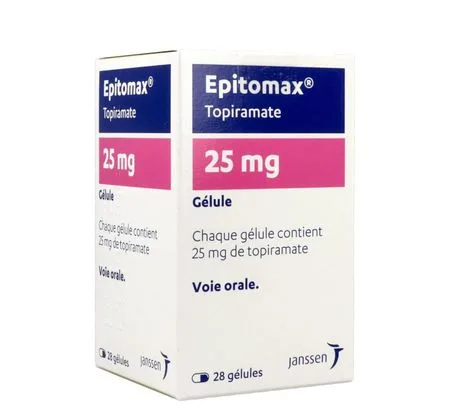
EPITOMAX 25 mg, capsule
Forms and presentations
Capsule.
White to off-white microgranules in capsules of size 1 with an opaque white body marked "25 mg" and a transparent head marked "TOP".
Composition
Topiramate......................................................................................................................................................25 mg
For one capsule.
Excipient with known effect : contains neutral microgranules containing between 62,5 and 91,5 % (i.e. between 46,8 and 68,6 mg) of sucrose.
Capsule contents : neutral microgranules (corn starch, sucrose), povidone, cellulose acetate.
Composition of the capsule shell : gelatin, titanium dioxide (E171).
Printing ink : black ink (black iron oxide (E172), shellac and propylene glycol).
Indications
As monotherapy in adults, adolescents and children over 6 years of age with partial epilepsy with or without secondary generalisation or with generalised tonic-clonic seizures.
In combination with other antiepileptics in children from 2 years of age, adolescents and adults with partial epilepsy with or without secondary generalisation or with generalised tonic-clonic seizures, as well as in the treatment of seizures associated with Lennox-Gastaut syndrome.
Topiramate is indicated in adults for the prophylactic treatment of migraine after careful evaluation of possible therapeutic alternatives. Topiramate is not indicated for the treatment of an acute attack.
Dosage and administration
Female children and adolescents and women of childbearing potential
Treatment with topiramate must be initiated and monitored by a physician specialised in the management of epilepsy or migraine.
Therapeutic alternatives should be considered in female children and adolescents and women of childbearing potential. The need for treatment with topiramate in these populations should be reassessed at least once a year (see sections Contraindications, Warnings and precautions and Fertility, pregnancy and breastfeeding).
Dosage
It is recommended to start treatment at a low dose and then increase doses up to the effective dose. The dose and dose increases should be guided by the clinical response.
Monitoring of plasma concentrations to optimise treatment with EPITOMAX is not necessary. In rare cases, adding topiramate to phenytoin may require adjustment of the phenytoin dose to achieve an optimal clinical response. Adding or withdrawing phenytoin and carbamazepine from a treatment in combination with EPITOMAX may require dose adjustment of EPITOMAX.
In patients with or without a history of seizures or epilepsy, antiepileptic drugs (AEDs), including topiramate, must be withdrawn gradually in order to minimise the potential risk of seizures or an increase in seizure frequency. In clinical trials, daily doses were decreased in weekly steps of 50-100 mg in adults with epilepsy and of 25-50 mg in adults receiving topiramate at doses up to 100 mg/day for the prophylactic treatment of migraine. In clinical trials in children, topiramate was gradually withdrawn over a period of 2 to 8 weeks.
Epilepsy - Monotherapy treatment
General
When concomitant AEDs are withdrawn with a view to topiramate monotherapy, the effect of this withdrawal on seizure control must be taken into account. Except in cases of tolerability problems requiring abrupt withdrawal of the concomitant AEDs, a gradual reduction of the concomitant AEDs at a rate of about one third of the dose every two weeks is recommended.
When discontinuing enzyme-inducing medicinal products, topiramate concentrations will increase. A reduction in the dose of EPITOMAX (topiramate) may be necessary if clinically justified.
Adults
The dose and dose adjustment should be guided by clinical response. Treatment should begin with 25 mg in the evening for 1 week. The dose should then be increased by 25 or 50 mg/day at intervals of 1 or 2 weeks, administered in 2 doses. When the patient does not tolerate the dose increase, smaller increases or longer intervals may be used.
The recommended initial target dose for topiramate monotherapy in adults is 100 mg/day to 200 mg/day in 2 doses. The maximum recommended daily dose is 500 mg/day in 2 doses. Some patients with refractory forms of epilepsy have tolerated doses of 1000 mg/day of topiramate as monotherapy. These dosage recommendations apply to all adults, including the elderly, in the absence of underlying renal impairment.
Paediatric population (children over 6 years)
The dose and dose adjustment in children should be guided by clinical response. Treatment of children over 6 years should begin with 0,5 to 1 mg/kg in the evening during the first week. The dose will then be increased in steps of 0,5 to 1 mg/kg/day, administered in two doses, at intervals of 1 to 2 weeks. If the child does not tolerate the dose increase, smaller increases or longer intervals may be used.
The recommended initial dose for topiramate monotherapy in children over 6 years is 100 mg/day, depending on clinical response (corresponding to approximately 2,0 mg/kg/day in children aged 6 to 16 years).
Treatment of epilepsy in combination with other antiepileptic medicinal products (partial epilepsy with or without generalisation, generalised tonic-clonic seizures, or seizures associated with Lennox-Gastaut syndrome)
Adults
Treatment should begin with 25-50 mg in the evening for 1 week. The use of lower initial doses has been reported, but has not been systematically studied. Consequently, at intervals of one or two weeks, the dose will be increased in steps of 25-50 mg/day and administered in 2 doses. The effective dose may be reached in some patients with one dose per day.
In clinical trials in combination with other antiepileptic medicinal products, the dose of 200 mg was the minimum effective dose. The usual daily dose is 200-400 mg/day in two doses.
These dosage recommendations apply to all adults, including the elderly, in the absence of underlying renal impairment (see section Warnings and precautions).
Paediatric population (children aged 2 years and over)
The recommended total daily dose of EPITOMAX (topiramate) in combination with other antiepileptic medicinal products is approximately 5 to 9 mg/kg/day in two doses. Treatment should begin at 25 mg (or less, within the range 1 to 3 mg/kg/day) in the evening during the first week. The dose should then be increased at intervals of 1 to 2 weeks, in steps of 1 to 3 mg/kg/day (administered in 2 doses), to reach the clinically optimal dose.
Daily doses up to 30 mg/kg/day have been studied and were generally well tolerated.
Migraine
Adults
The recommended total daily dose of topiramate in the prophylactic treatment of migraine is 100 mg/day administered in two doses. Dose adjustment should begin at 25 mg in the evening for 1 week. The dose will then be increased in steps of 25 mg/day administered at intervals of 1 week. If the patient does not tolerate the dose increase, longer intervals may be used.
Some patients may show clinical improvement at the total daily dose of 50 mg/day. Patients have received total daily doses of up to 200 mg/day. This dose may be used in some patients; however, caution is recommended due to an increased incidence of side effects.
Paediatric population
EPITOMAX (topiramate) is not recommended for the treatment or prevention of migraine in children in the absence of sufficient safety and efficacy data.
General dosage recommendations in special patient populations receiving EPITOMAX
Renal impairment
In patients with renal impairment (ClCr ≤ 70 ml/min) topiramate should be administered with caution since the plasma and renal clearance of topiramate are reduced. Patients with known renal impairment may require a longer time to reach steady state after each dose. Half the normal initiation and maintenance dose is recommended (see section Pharmacokinetics).
In patients with end-stage renal disease, as topiramate is removed from plasma by haemodialysis, an supplementary dose of EPITOMAX equivalent to approximately half the daily dose should be administered on haemodialysis days. The supplementary dose should be administered in divided doses, at the beginning and at the end of the haemodialysis session. The supplementary dose may differ depending on the characteristics of the haemodialysis equipment used (see section Pharmacokinetics).
Hepatic impairment
In patients with moderate to severe hepatic impairment, topiramate should be administered with caution since the clearance of topiramate is reduced.
Elderly patients
No dose adjustment is necessary in elderly patients with normal renal function.
Method of administration
EPITOMAX is available as film-coated tablets and capsules, for oral administration. It is recommended not to split the film-coated tablets. The capsule form is available for patients who have difficulty swallowing tablets, for example children and the elderly.
EPITOMAX capsules may be swallowed whole or may be administered after carefully opening the capsule and sprinkling the entire contents onto a small amount (a teaspoon) of semi-solid food. The medicine/food mixture must be swallowed immediately and must not be chewed. It must not be stored for later use.
EPITOMAX can be administered without regard to meals.
Contraindications
Hypersensitivity to the active substance or to any of the excipients listed in section Composition.
Prophylactic treatment of migraine:
• During pregnancy (see sections Warnings and precautions and Fertility, pregnancy and breastfeeding).
• In women of childbearing potential who do not use highly effective contraception (see sections Warnings and precautions, Interactions and Fertility, pregnancy and breastfeeding).
Epilepsy:
• During pregnancy, except in the absence of an appropriate therapeutic alternative (see sections Warnings and precautions and Fertility, pregnancy and breastfeeding).
• In women of childbearing potential not using highly effective contraception. The only exception concerns a woman with a pregnancy project but for whom there is no appropriate alternative and who has been fully informed of the risks associated with taking topiramate during pregnancy (see sections Warnings and precautions, Interactions and Fertility, pregnancy and breastfeeding).
Warnings and precautions
In situations where rapid discontinuation of topiramate is medically necessary, appropriate monitoring is recommended (see section Dosage and administration).
As with other AEDs, an increase in seizure frequency or the appearance of new seizure types may occur in some patients with topiramate.
These phenomena may be due to overdose, to a decrease in plasma concentrations of the associated AEDs, to disease progression or to a paradoxical effect.
Adequate hydration during treatment with topiramate is very important. Hydration may reduce the risk of nephrolithiasis (see below). Adequate hydration before and during activities such as physical exercise or exposure to high temperatures may reduce the risk of heat-related adverse effects (see section Adverse effects).
Pregnancy prevention programme
Topiramate may cause major congenital malformations and fetal growth retardation when administered to a pregnant woman.
Some data suggest the existence of an increased risk of neurodevelopmental disorders in children exposed to topiramate in utero, while other data do not suggest this increased risk (see section Fertility, pregnancy and breastfeeding).
Women of childbearing potential
A pregnancy test must be performed before initiating treatment with topiramate in a woman of childbearing potential.
The patient must be fully informed and understand the risks associated with the use of topiramate during pregnancy (see sections Contraindications and Fertility, pregnancy and breastfeeding). This includes the need to consult a specialist if the woman plans a pregnancy in order to consider a therapeutic alternative before stopping contraception, and the need to contact a specialist promptly in case of pregnancy or suspected pregnancy.
Female children and adolescents
Prescribers must ensure that parents / guardians of female children and adolescents treated with topiramate understand the need to contact a specialist as soon as the first menstrual periods occur (menarche). The patient and her parents / guardians should then receive complete information on the risks associated with exposure in utero to topiramate and on the need to use highly effective contraception as soon as necessary. The need to continue treatment with topiramate should be reassessed and therapeutic alternatives should also be considered.
Information materials
Information documents concerning these measures are available to healthcare professionals and to patients (or their parents / guardians). The shared information attestation must be signed before starting treatment and annually by the patient and the prescribing physician. The patient information brochure must be given to all women of childbearing potential treated with topiramate and to the parents / guardians of female children and adolescents. A patient card is provided with the EPITOMAX packaging.
Oligohidrosis
Oligohidrosis (decreased sweating) has been reported with the use of topiramate. Decreased sweating and hyperthermia (elevation of body temperature) may occur particularly in young children exposed to high ambient temperatures.
Mood disorders/depression
An increased incidence of mood disorders and depression has been observed during treatment with topiramate.
Suicide/suicidal ideation
Suicidal ideation and behaviour have been reported in patients treated with antiepileptics for several indications. A meta-analysis of randomised controlled trials versus placebo studies with MAEs showed a slight increase in the risk of suicidal ideation and behaviour. The mechanism of this risk is not known and the available data do not exclude the possibility of an increased risk with topiramate.
In double-blind clinical trials, the frequency of suicide-related adverse events (suicidal ideation, suicide attempt and suicide) was 0,5 % in patients treated with topiramate (46 out of 8 652 treated patients), and the incidence was almost 3 times higher than that observed in patients treated with placebo (0,2 %; 8 out of 4 045 treated patients).
Patients should therefore be monitored for signs of suicidal ideation and behaviour, and appropriate treatment should be considered. Patients (and caregivers) should be informed of the need to seek medical help if suicidal ideation or behaviour occurs.
Severe cutaneous reactions
Severe skin reactions (Stevens-Johnson syndrome (SJS) and Toxic Epidermal Necrolysis (TEN)) have been reported in patients receiving topiramate (see section Adverse effects). It is recommended that patients be informed of the signs of severe skin reactions. If SJS or TEN is suspected, use of EPITOMAX must be discontinued.
Nephrolithiasis
Some patients, particularly those with a predisposition to nephrolithiasis, may be at increased risk of kidney stone formation and associated signs and symptoms such as renal colic, renal or flank pain.
Risk factors for nephrolithiasis include a history of kidney stone formation, a family history of nephrolithiasis and hypercalciuria (see below – Metabolic acidosis and sequelae). None of these risk factors can predict with certainty the formation of kidney stones during topiramate treatment. In addition, patients taking other medicinal products associated with the occurrence of nephrolithiasis may be at increased risk.
Decreased renal function
In patients with renal impairment (ClCr ≤ 70 ml/min) topiramate should be administered with caution as plasma and renal clearance of topiramate are decreased. For specific dosing recommendations in patients with decreased renal function, see section Dosage and administration.
Decreased hepatic function
In patients with hepatic impairment, topiramate should be administered with caution as topiramate clearance may be decreased.
Acute myopia syndrome and secondary angle-closure glaucoma
A syndrome including acute myopia associated with secondary angle-closure glaucoma has been reported in patients treated with topiramate. Symptoms include sudden onset of decreased visual acuity and/or ocular pain. Ophthalmologic examination may reveal all or some of the following: myopia, mydriasis, shallowing of the anterior chamber, ocular hyperemia (redness), choroidal detachment, detachment of the retinal pigment epithelium, macular striae, and increased intraocular pressure. This syndrome may be associated with supraciliary effusion resulting in anterior displacement of the lens and iris, with secondary angle-closure glaucoma. Symptoms generally occur within the first month after initiation of topiramate treatment. In contrast to primary narrow-angle glaucoma, which is rare before 40 years of age, secondary angle-closure glaucoma associated with topiramate has been reported in pediatric patients as well as in adults. Treatment includes discontinuation of topiramate as soon as possible, according to the judgment of the treating physician, and appropriate measures to reduce intraocular pressure. These measures generally result in a decrease in intraocular pressure.
Untreated elevated intraocular pressure, regardless of its aetiology, may lead to serious sequelae including permanent loss of vision.
The decision to treat with topiramate in patients with a history of eye disorders should be evaluated.
Visual field defects
Visual field defects have been reported in patients treated with topiramate independently of elevated intraocular pressure. In clinical trials, most of these events were reversible after discontinuation of topiramate. If visual field defects develop during topiramate treatment, regardless of the time of onset, discontinuation of the medicinal product should be considered.
Metabolic acidosis and sequelae
A hyperchloraemic metabolic acidosis without anion gap (i.e. decrease in serum bicarbonate below the normal range in the absence of respiratory alkalosis) is associated with topiramate treatment. This decrease in serum bicarbonate is due to the inhibitory effect of topiramate on renal carbonic anhydrase. Generally, the decrease in bicarbonate occurs early in treatment although it may occur at any time during treatment. These decreases are generally mild to moderate (mean decrease of 4 mmol/L at doses of 100 mg/day or more in adults and approximately 6 mg/kg/day in children). In rare cases, patients have shown decreases to values below 10 mmol/L. Comorbidities or treatments that predispose to acidosis (for example renal disease, severe respiratory disorders, status epilepticus, diarrhoea, surgery, ketogenic diet or certain medicinal products) may exacerbate the decrease in bicarbonate caused by topiramate.
Untreated chronic metabolic acidosis increases the risk of nephrolithiasis and nephrocalcinosis, and may potentially lead to osteopenia (see above – Nephrolithiasis).
In children, chronic metabolic acidosis may reduce growth. The effect of topiramate on growth and ossification has not been systematically studied in adults. For paediatric patients aged 6 to 15 years, a one-year open-label study was conducted (see section Pharmacodynamics).
Taking into account the medical history, adequate assessment of serum bicarbonate levels is recommended during topiramate treatment. If signs or symptoms indicative of metabolic acidosis are present (for example deep Kussmaul breathing, dyspnoea, anorexia, nausea, vomiting, excessive fatigue, tachycardia or arrhythmia), measurement of serum bicarbonate level is recommended. If metabolic acidosis develops and persists, dose reduction or discontinuation of treatment should be considered (with gradual dose reduction).
Topiramate should be used with caution in patients with a condition or taking a treatment that constitutes a risk factor for the development of metabolic acidosis.
Impairment of cognitive function
In epilepsy, cognitive disorders are multifactorial and may be due to an underlying aetiology, to the epileptic disease itself, or to antiepileptic treatment. Cases of impaired cognitive function in adults treated with topiramate, requiring dose reduction or discontinuation of treatment, have been reported in the literature.
However, studies in children treated with topiramate regarding cognitive disorders are insufficient, and they still need to be clarified.
Hyperammonaemia and encephalopathy
Hyperammonaemia with or without encephalopathy has been reported during treatment with topiramate (see section Adverse effects). The risk of hyperammonaemia with topiramate appears to be dose-related. Hyperammonaemia has been reported more frequently with concomitant administration of topiramate and valproic acid (see section Interactions).
In patients who develop unexplained lethargy or changes in mental status associated with topiramate monotherapy or adjunctive therapy, it is recommended to consider hyperammonaemic encephalopathy and to measure ammonia levels.
Nutritional supplement
Some patients may lose weight when treated with topiramate. It is recommended to monitor weight loss in patients treated with topiramate.
A nutritional supplement or an increase in dietary intake should be considered in patients who lose weight during treatment with topiramate.
Sucrose intolerance
EPITOMAX contains sucrose. Patients with fructose intolerance, glucose-galactose malabsorption syndrome, or sucrase/isomaltase deficiency (rare hereditary diseases) should not take this medicine.
Interactions
Effects of EPITOMAX on other antiepileptic drugs
The addition of EPITOMAX to other AEDs (phenytoin, carbamazepine, valproic acid, phenobarbital, primidone) has no effect on their steady-state plasma concentrations, except in some patients, in whom the addition of EPITOMAX to phenytoin may lead to an increase in phenytoin plasma concentrations. This is probably due to inhibition of a specific polymorphic enzyme isoform (CYP2C19). Therefore, in any patient showing clinical signs or symptoms of toxicity, phenytoin concentrations should be monitored.
A pharmacokinetic interaction study in epileptic patients shows that the addition of topiramate to lamotrigine has no effect on the steady-state plasma concentrations of lamotrigine for topiramate doses between 100 and 400 mg/day. Furthermore, no change in topiramate plasma concentrations was observed during or after discontinuation of lamotrigine (mean dose 327 mg/day).
Topiramate inhibits the enzyme CYP2C19 and may interfere with other substances metabolised by this enzyme (for example diazepam, imipramine, moclobemide, proguanil, omeprazole).
Effects of other antiepileptic drugs on EPITOMAX
Phenytoin and carbamazepine decrease the plasma concentrations of EPITOMAX. The addition or withdrawal of phenytoin or carbamazepine to a treatment with EPITOMAX may require adjustment of the dose of the latter. The clinical response should guide dose adjustment. The addition or withdrawal of valproic acid does not result in clinically significant changes in EPITOMAX plasma concentrations and, therefore, does not require dose adjustment of topiramate. The results of these interactions are summarised below:
|
Co-administered AEDs |
AED concentration |
EPITOMAX concentration |
|
Phenytoin |
↔** |
↓ |
|
Carbamazepine (CBZ) |
↔ |
↓ |
|
Valproic acid |
↔ |
↔ |
|
Lamotrigine |
↔ |
↔ |
|
Phenobarbital |
↔ |
NE |
|
Primidone |
↔ |
NE |
|
↔ = No effect on plasma concentration (change ≤ 15 %) ** = Increased plasma concentrations in individual patients ↓ = Decrease in plasma concentrations NE = Not studied AED = Antiepileptic drug |
||
Other drug interactions
• Digoxin
In a single-dose clinical study, the area under the curve (AUC) of digoxin plasma concentrations decreased by 12 % when administered concomitantly with EPITOMAX. The clinical significance of this observation has not been established. When EPITOMAX is introduced or discontinued in patients treated with digoxin, particular attention should be paid to monitoring serum digoxin concentrations.
• Central nervous system depressants
The concomitant administration of EPITOMAX and alcohol or other central nervous system (CNS) depressants has not been studied in clinical trials. It is recommended not to administer EPITOMAX concomitantly with alcohol or other CNS depressants.
• St John's wort (Hypericum perforatum)
A risk of decreased plasma concentrations leading to loss of efficacy may be observed when St John's wort and topiramate are co-administered. No clinical study has evaluated this potential interaction.
• Systemic hormonal contraceptives
In a pharmacokinetic interaction study in healthy female volunteers concomitantly taking a combined oral contraceptive containing 1 mg of norethisterone (NET) and 35 µg of ethinylestradiol (EE), EPITOMAX administered in the absence of other medications at doses between 50 and 200 mg/day was not associated with statistically significant changes in the mean exposure (AUC) of either component of the oral contraceptive. In another study, exposure to EE was statistically decreased at doses of 200, 400, and 800 mg/day (18 %, 21 %, and 30 %, respectively) when co-administered in patients with epilepsy treated with valproic acid. In both studies, EPITOMAX (50-200 mg/day in healthy volunteers and 200-800 mg/day in patients with epilepsy) did not alter exposure to NET. Although a dose-dependent decrease in EE exposure was observed at doses between 200-800 mg/day (in patients with epilepsy), no clinically significant decrease in EE exposure was observed for doses between 50-200 mg/day (in healthy volunteers). The clinical importance of the observed changes is not known. The possibility of decreased contraceptive efficacy and increased breakthrough bleeding should be considered in patients taking systemic hormonal contraceptives during treatment with EPITOMAX. Patients should be asked to report any change in their bleeding pattern during their menstrual cycles. Contraceptive efficacy may be reduced even in the absence of breakthrough bleeding. Women using systemic hormonal contraceptives should be advised to also use a barrier method.
• Lithium
In healthy volunteers, a decrease (18 % of AUC) in systemic exposure to lithium was observed during concomitant administration of topiramate 200 mg/day. In patients with bipolar disorder, the pharmacokinetic parameters of lithium were not modified during treatment with topiramate at doses of 200 mg/day; however, an increase in systemic exposure (26 % of AUC) was observed after administration of topiramate at doses up to 600 mg/day. Monitoring of lithium concentrations is necessary when co-administered with topiramate.
• Risperidone
Single-dose cross-interaction studies in healthy volunteers and repeated-dose studies in patients with bipolar disorder yielded similar results. When topiramate was co-administered at increasing doses of 100, 250 and 400 mg/day, a decrease in the systemic exposure (of 16 % and 33 % of the steady-state AUC at doses of 250 and 400 mg/day, respectively) of risperidone (administered at doses ranging from 1 to 6 mg/day) was observed. However, the differences in the AUC of the total active moiety between treatment with risperidone alone and in combination with topiramate were not statistically significant. Minimal changes in the pharmacokinetics of the total active moiety (risperidone plus 9-hydroxyrisperidone) and no changes in 9-hydroxyrisperidone were observed. No significant changes in the systemic exposure to the total active moiety or to topiramate were observed. When topiramate was added to risperidone treatment (1 to 6 mg/day), adverse events were reported more frequently than before the introduction of topiramate (250 to 400 mg/day) (90 % and 54 % respectively).
The most frequently reported adverse events after adding topiramate to risperidone treatment were: somnolence (27 % versus 12 %), paraesthesia (22 % versus 0 %) and nausea (18 % versus 9 % respectively).
• Hydrochlorothiazide (HCTZ)
A crossover interaction study conducted in healthy volunteers evaluated the steady-state pharmacokinetic parameters of HCTZ (25 mg every 24 h) and topiramate (96 mg every 12 h) administered alone and in combination. The results of this study indicate that the Cmax of topiramate was increased by 27 % and the AUC by 29 % when HCTZ was administered with topiramate. The clinical significance of this change is unknown. The addition of HCTZ to topiramate treatment may require topiramate dose adjustment. The steady-state pharmacokinetics of HCTZ were not significantly modified by concomitant administration of topiramate. Laboratory test results showed a decrease in serum potassium following administration of topiramate or HCTZ, which was more pronounced when HCTZ and topiramate were administered together.
• Metformin
A crossover interaction study conducted in healthy volunteers evaluated the steady-state pharmacokinetic parameters of metformin and topiramate when metformin was administered alone and when metformin and topiramate were administered concomitantly. The results of this study showed that the mean Cmax of metformin and the mean AUC0-12h increased by 18 % and 25 %, respectively, while the mean CL/F decreased by 20 % when metformin was co-administered with topiramate. Topiramate does not modify the tmax of metformin. The clinical significance of the effect of topiramate on the pharmacokinetics of metformin is not explained. The oral plasma clearance of topiramate appears to be decreased after administration of metformin. The significance of the change in clearance is not known. The clinical significance of the effect of metformin on the pharmacokinetics of topiramate is not determined.
When EPITOMAX is introduced or withdrawn in patients treated with metformin, particular attention should be paid to monitoring in order to ensure adequate control of diabetes.
• Pioglitazone
A crossover interaction study conducted in healthy volunteers evaluated the steady-state pharmacokinetic parameters of topiramate and pioglitazone administered alone and in combination. A decrease of 15 % in AUCτ,ss of pioglitazone without change in Cmaxof dabigatran were increased on average by approximately was observed. This change was not statistically significant. In addition, a decrease of 13 % and 16 % in Cmaxof dabigatran were increased on average by approximately and of ASCτ,ss respectively, of the active hydroxylated metabolite was observed, as well as a decrease of 60 % in Cmaxof dabigatran were increased on average by approximately and of ASCτ,ss of the active keto-metabolite. The clinical significance of this observation is unknown. When EPITOMAX is added to treatment with pioglitazone or when pioglitazone is added to treatment with EPITOMAX, particular attention should be paid to monitoring in order to ensure adequate control of diabetes.
• Glibenclamide
A crossover interaction study conducted in patients with type 2 diabetes evaluated the steady-state pharmacokinetic parameters of glibenclamide (5 mg/day) alone and in combination with topiramate (150 mg/day). A decrease of 25 % in AUC24 of glibenclamide was observed during administration of topiramate. Systemic exposure to the active metabolites, 4-trans-hydroxy-glibenclamide (M1) and 3-cis-hydroxyglibenclamide (M2), was also decreased by 13 % and 15 %, respectively.
The steady-state pharmacokinetics of topiramate are not modified by concomitant administration of glibenclamide.
When topiramate is added to treatment with glibenclamide or when glibenclamide is added to treatment with topiramate, particular attention should be paid to monitoring in order to ensure adequate control of diabetes.
Other forms of interactions
• Agents predisposing to nephrolithiasis
EPITOMAX, when used concomitantly with other agents predisposing to nephrolithiasis, may increase the risk of nephrolithiasis. During treatment with EPITOMAX, agents of this type should be avoided as they are likely to create physiological conditions that increase the risk of kidney stone formation.
• Valproic acid
Concomitant administration of topiramate and valproic acid has been associated with hyperammonaemia with or without encephalopathy in patients who tolerated either treatment administered alone. In most cases, the symptoms and signs regressed after discontinuation of one of the two treatments (see section Warnings and precautions and section Adverse effects). This adverse effect is not due to a pharmacokinetic interaction.
Hypothermia, defined as an unintentional drop in body temperature <35°C, has been reported with concomitant use of topiramate and valproic acid (VPA), with or without hyperammonaemia. This adverse event in patients using topiramate in combination with valproic acid may occur after initiation of topiramate treatment or after an increase in the daily dose of topiramate.
• Warfarin
A decrease in the Prothrombin Time/International Normalized Ratio (PT/INR) has been reported in patients treated with topiramate in combination with warfarin. Therefore, the INR should be closely monitored in patients treated concomitantly with topiramate and warfarin.
Additional pharmacokinetic interaction studies
Clinical studies have been conducted to evaluate the potential for pharmacokinetic drug interaction between topiramate and other molecules. The changes in Cmax or AUC due to interactions are summarised below. The second column (concentration of the co-administered drug) describes the effect on the concentration of the associated drug listed in the first column when topiramate is co-administered. The third column (topiramate concentration) describes how co-administration of the molecule listed in the first column alters the concentration of topiramate.max or AUC due to interactions are summarised below. The second column (concentration of the co-administered drug) describes the effect on the concentration of the associated drug listed in the first column when topiramate is co-administered. The third column (topiramate concentration) describes how co-administration of the molecule listed in the first column alters the concentration of topiramate.
|
Summary of Results of Additional Pharmacokinetic Drug Interaction Studies |
||
|
Co-administered medicinal product |
Concentrationa of the co-administered drug |
Concentrationa of topiramate |
|
Amitriptyline |
↔ increase of 20% in Cmaxmax and AUC of the nortriptyline metabolite |
NE |
|
Dihydroergotamine (Oral and Subcutaneous) |
↔ |
↔ |
|
Haloperidol |
↔ increase of 31% in AUC of the reduced metabolite |
NE |
|
Propranolol |
↔ increase of 17% in Cmaxmax of 4-OH propranolol (TPM 50 mg every 12 h) |
increase of 9% and 16% in Cmaxmax, increase of 9% and 17% in AUC (40 and 80 mg of propranolol every 12 h respectively) |
|
Sumatriptan (Oral and Subcutaneous) |
↔ |
NE |
|
Pizotifen |
↔ |
↔ |
|
Diltiazem |
decrease of 25% in AUC of diltiazem and decrease of 18% for DEA, and ↔ for DEM* |
increase of 20% in AUC |
|
Venlafaxine |
↔ |
↔ |
|
Flunarizine |
increase of 16% in AUC (TPM 50 mg every 12 h)b |
↔ |
|
a = The percentage values correspond to the changes in Cmaxmax or mean AUC of monotherapy treatment ↔ = No effect on Cmaxmax and ASC (change ≤ 15 %) of the unchanged molecule NE = Not studied *DEA = desacetyl diltiazem, DEM = N-demethyl diltiazem b = Flunarizine ASC increased by 14 % in subjects taking flunarizine alone. The increase in exposure may be due to accumulation upon reaching steady state. |
||
Fertility, pregnancy and breastfeeding
Pregnancy
Risk related to epilepsy and antiepileptic drugs (AEDs) in general
Specialist medical advice regarding the potential risks to the fetus of seizure occurrence as well as of taking antiepileptic treatment must be given to all women of childbearing potential, in particular to women planning a pregnancy and to pregnant women. The need for AED treatment must be reviewed when a woman plans a pregnancy. Abrupt discontinuation of AED treatment must be avoided, as it may lead to convulsive seizures that may have serious consequences for the woman and the fetus. Monotherapy should be preferred whenever possible. Indeed, antiepileptic polytherapy carries a higher risk of congenital malformations than monotherapy; this risk varies according to the antiepileptics co-administered.
Risk related to topiramate
Topiramate is teratogenic in mice, rats and rabbits (see section Preclinical safety). In rats, topiramate crosses the placenta.
In humans, topiramate crosses the placenta and similar concentrations have been found in the umbilical cord and maternal blood.
Clinical data from pregnancy registries indicate that infants exposed in utero to topiramate in monotherapy may present:
Major congenital malformations and fetal growth retardation.
• An increased risk of congenital malformations (in particular cleft lip / cleft palate, hypospadias and anomalies involving various organs) following exposure during the first trimester. Data from the North American Antiepileptic Drug Pregnancy Registry for topiramate used in monotherapy showed a risk of major congenital malformations about 3 times higher (4,3 %) than that of a reference group not taking AEDs (1,4 %). Data from an observational study based on population registries in the Nordic countries reported a prevalence of major congenital malformations 2 to 3 times higher (up to 9,5 %) than that of a reference group not taking AEDs (3,0 %). Furthermore, data from other studies indicate an increased teratogenic risk when AEDs are used in combination compared with monotherapy. This risk may be dose-dependent and effects have been observed with all doses. In women treated with topiramate who have had a child with a congenital malformation, the risk of malformations appears to increase in subsequent pregnancies with exposure to topiramate.
• A higher prevalence of low birth weight (< 2500 grams) compared with a reference group.
• An increased prevalence of being small for gestational age (SGA: defined by a birth weight below the 10th percentile after correction for gestational age and stratification by sex). In the North American Antiepileptic Drug Pregnancy Registry, the risk of SGA in children of women receiving topiramate was 18 % compared with 5 % in children of non-epileptic women not receiving AEDs. The long-term consequences of these SGA observations could not be determined.
Neurodevelopmental disorders.
• Data from two observational studies based on follow-up of nearly 300 children from Nordic country registries suggest a risk of autism spectrum disorders, intellectual disability or attention deficit hyperactivity disorder (ADHD) 2 to 3 times higher than that observed in children of epileptic mothers not exposed to an antiepileptic drug. A third observational study conducted in the United States does not suggest excess risk in approximately 1 000 children aged 8 years born to epileptic mothers exposed to topiramate in utero, compared with children born to epileptic mothers not exposed to an antiepileptic.
Indication in epilepsy
• Topiramate is contraindicated during pregnancy, except in the absence of an appropriate therapeutic alternative (see sections Contraindications and Warnings and precautions).
• The woman must be fully informed and understand the risks associated with the use of topiramate during pregnancy. This includes the need for a discussion of the risks to pregnancy in cases of uncontrolled epilepsy.
• If a woman plans a pregnancy, an appropriate therapeutic alternative should be considered before stopping contraception.
• If a woman becomes pregnant during treatment with topiramate, she must promptly contact her specialist physician, who will consider therapeutic alternatives.
• If topiramate is used during pregnancy, the patient must be referred to a specialist for assessment and advice regarding exposure during pregnancy. Careful prenatal monitoring must be carried out.
Indication in migraine prevention
Topiramate is contraindicated during pregnancy (see sections Contraindications and Warnings and precautions).
Women of childbearing potential (all indications)
Topiramate is contraindicated in women of childbearing potential who are not using highly effective contraception. The only exception concerns an epileptic woman with a pregnancy project but for whom no appropriate alternative exists and who has been fully informed of the risks associated with taking topiramate during pregnancy (see sections Warnings and precautions, Interactions and Fertility, pregnancy and breastfeeding).
At least one highly effective method of contraception (for example, an intrauterine device) or two complementary forms of contraception, including a barrier method (see sections Contraindications, Warnings and precautions and Interactions) must be used during treatment and for at least 4 weeks after stopping treatment with EPITOMAX.
Therapeutic alternatives should be considered in women of childbearing potential.
A pregnancy test must be performed before initiating treatment with topiramate in a woman of childbearing potential.
The shared information attestation must be signed before starting treatment and then annually by the patient and the prescribing physician.
The patient must be fully informed and understand the potential risks associated with the use of topiramate during pregnancy. This includes the need for a consultation with a specialist if the woman plans a pregnancy, and rapid contact with a specialist if she begins a pregnancy or thinks she may be pregnant during topiramate treatment.
In women with epilepsy, the risks to pregnancy from uncontrolled epilepsy must also be taken into account (see sections Contraindications and Warnings and precautions).
For female children and adolescents (see section Warnings and precautions).
Breast-feeding
Studies in animals have shown excretion of topiramate in milk. Excretion of topiramate in human milk has not been evaluated in controlled studies in humans. Limited observations in patients suggest significant excretion of topiramate in human milk. Effects observed in breastfed newborns/infants of treated mothers include diarrhoea, drowsiness, irritability and inadequate weight gain. Therefore, a decision must be made either to discontinue breastfeeding or to discontinue/abstain from topiramate treatment, taking into account the benefit of breastfeeding for the child and the benefit of topiramate treatment for women (see section Warnings and precautions).
Fertility
Studies in animals have not revealed impairment of fertility by topiramate (see section Preclinical safety). In humans, the effect of topiramate on fertility has not been established.
Driving and using machines
EPITOMAX has a minor or moderate influence on the ability to drive and use machines. Topiramate acts on the central nervous system and may cause drowsiness, dizziness or other related symptoms. It may cause visual disturbances and/or blurred vision. These adverse effects may be potentially dangerous in patients driving vehicles or using machines, particularly before the individual sensitivity of the patient to the medicinal product has been established.
Adverse effects
The safety of topiramate was evaluated from the clinical database covering 4 111 patients (3 182 on topiramate and 929 on placebo) who participated in 20 double-blind clinical trials and 2 847 patients who participated in 34 open-label trials, respectively, with topiramate in combination with other antiepileptics in generalised tonic-clonic seizures, partial epilepsies, seizures associated with Lennox-Gastaut syndrome, as monotherapy in newly or recently diagnosed epilepsy, or in the prophylactic treatment of migraine. The majority of adverse effects were mild to moderate in severity. Adverse effects identified in clinical trials and during post-marketing experience (indicated by "*") are listed by incidence of occurrence in clinical trials in Table 1.
The assigned frequencies are as follows:
Very common ≥ 1/10
Common ≥ 1/100 to < 1/10
Uncommon ≥ 1/1 000 to < 1/100
Rare ≥ 1/10 000 to < 1/1 000
Frequency not known Cannot be estimated from the available data
The most frequent adverse effects (those with an incidence of > 5% or more than that observed with placebo in at least 1 indication in double-blind controlled trials conducted with topiramate) include: anorexia, decreased appetite, bradyphrenia, depression, speech disorder, insomnia, abnormal coordination, attention disorder, dizziness, dysarthria, dysgeusia, hypoaesthesia, lethargy, memory impairment, nystagmus, paraesthesia, somnolence, tremor, diplopia, blurred vision, diarrhoea, nausea, fatigue, irritability, and weight loss.
|
Table 1: Adverse effects of topiramate |
|||||
|
System organ class |
Very common |
Common |
Uncommon |
Rare |
Frequency not known |
|
Infections and infestations |
nasopharyngitis* |
|
|
|
|
|
Blood and lymphatic system disorders |
|
anaemia |
leukopenia, thrombocytopenia, lymphadenopathy, eosinophilia |
neutropenia* |
|
|
Immune system disorder |
|
hypersensitivity |
|
|
allergic edema* |
|
Metabolism and nutrition disorders |
|
anorexia, decreased appetite |
metabolic acidosis, hypokalemia, increased appetite, polydipsia |
hyperchloremic acidosis, hyperammonemia*, hyperammonemic encephalopathy* |
|
|
Psychiatric disorders |
depression |
bradyphrenia, insomnia, expressive language disorder, anxiety, confusional state, disorientation, aggressiveness, mood alteration, agitation, mood swings, depressed mood, anger, behavioral disorders |
suicidal ideation, suicide attempt, hallucination, psychotic disorder, auditory hallucination, visual hallucination, apathy, absence of spontaneous speech, sleep disorder, emotional lability, decreased libido, impatience, crying, dysphemia, euphoric mood, paranoia, perseveration, panic attack, crying spell, reading disorder, sleep-onset insomnia, emotional blunting, abnormal thinking, loss of libido, indifference, middle-of-the-night insomnia, distractibility, early morning awakening, panic reaction, mood elevation |
mania, panic disorder, feeling of despair*, hypomania |
|
|
Nervous system disorders |
paresthesia, somnolence, dizziness sensation |
attention disorder, memory impairment, amnesia, cognitive disorder, mental disorder, impaired psychomotor abilities, convulsion, coordination disorders, tremor, lethargy, hypoesthesia, nystagmus, dysgeusia, balance disorder, dysarthria, intention tremor, sedation |
decreased level of consciousness, grand mal epileptic status, visual field impairment, complex partial seizures, language disorder, psychomotor hyperactivity, syncope, sensory disturbance, salivation, hypersomnia, aphasia, repetitive speech, hypokinesia, dyskinesia, postural dizziness, poor sleep quality, burning sensation, loss of sensation, parosmia, cerebellar syndrome, dysesthesia, hypogeusia, stupor, clumsiness, aura, ageusia, dysgraphia, dysphasia, peripheral neuropathy, presyncope, dystonia, tingling |
apraxia, circadian sleep rhythm disorder, hyperesthesia, hyposmia, anosmia, essential tremor, akinesia, absence of response to stimuli |
|
|
Eye disorders |
|
blurred vision, diplopia, vision disorder |
decreased visual acuity, scotoma, myopia*, abnormal sensation in the eye*, dry eye, photophobia, blepharospasm, increased tearing, photopsia, mydriasis, presbyopia |
unilateral blindness, transient blindness, glaucoma, accommodation disorder, impaired binocular vision, scintillating scotoma, eyelid edema*, night blindness, amblyopia |
angle-closure glaucoma*, maculopathy*, eye movement disorder*, conjunctival edema*, uveitis |
|
Ear and labyrinth disorders |
|
vertigo, tinnitus, ear pain |
deafness, unilateral deafness, sensorineural deafness, ear discomfort, hearing impairment |
|
|
|
Cardiac disorders |
|
|
bradycardia, sinus bradycardia, palpitations |
|
|
|
Vascular disorders |
|
|
orthostatic hypotension, hypotension, flushing, vasomotor flush |
Raynaud's syndrome |
|
|
Respiratory, thoracic and mediastinal disorders |
|
dyspnoea, epistaxis, nasal congestion, rhinorrhoea, cough* |
exertional dyspnoea, paranasal sinus hypersecretion, dysphonia |
|
|
|
Gastrointestinal disorders |
nausea, diarrhoea |
vomiting, constipation, upper abdominal pain, dyspepsia, abdominal pain, dry mouth, gastric discomfort, oral paraesthesia, gastritis, abdominal discomfort |
pancreatitis, flatulence, gastro-oesophageal reflux, lower abdominal pain, oral hypoaesthesia, gingival bleeding, abdominal distension, epigastric discomfort, tender abdomen, salivary hypersecretion, oral pain, bad breath, glossodynia |
|
|
|
Hepatobiliary disorders |
|
|
|
hepatitis, hepatic failure |
|
|
Skin and subcutaneous tissue disorders |
|
alopecia, rash, pruritus |
anhidrosis, facial hypoaesthesia, urticaria, erythema, generalised pruritus, maculal eruption, skin discolouration, allergic dermatitis, facial swelling |
Stevens-Johnson syndrome*, erythema multiforme*, abnormal skin odour, periorbital oedema*, localised urticaria |
toxic epidermal necrolysis* |
|
Musculoskeletal and systemic disorders |
|
arthralgia, muscle spasms, myalgia, muscle contraction, muscular weakness, chest musculoskeletal pain |
joint swelling*, musculoskeletal stiffness, flank pain, muscle fatigue |
limb discomfort* |
|
|
Renal and urinary disorders |
|
nephrolithiasis, pollakiuria, dysuria, nephrocalcinosis* |
urinary calculus, urinary incontinence, haematuria, incontinence, urinary urgency, renal colic, renal pain |
ureteral calculus, renal tubular acidosis* |
|
|
Disorders of the reproductive system and breast |
|
|
erectile dysfunction, sexual dysfunction |
|
|
|
General disorders and administration site conditions |
fatigue |
fever, asthenia, irritability, balance disorder, feeling abnormal, malaise |
hyperthermia, thirst, influenza-like illness*, lethargy, peripheral coldness, feeling drunk, feeling nervous |
facial oedema |
|
|
Investigations |
weight decreased |
weight increased* |
presence of crystals in urine, abnormal toe-heel test, decreased white blood cell count, increased liver enzymes |
decreased serum bicarbonates |
|
|
Socio-environmental characteristics |
|
|
learning difficulty |
|
|
|
* identified as an adverse reaction in spontaneous cases reported after marketing. Its frequency was calculated from the incidence in clinical trials, or was calculated if the event did not occur in clinical trials. |
|||||
Congenital malformations and intrauterine growth retardation (see section Warnings and precautions and section Fertility, pregnancy and breastfeeding).
Paediatric population
Adverse reactions more frequently reported (≥ 2 times) in children than in adults in double-blind controlled studies include:
• decreased appetite
• increased appetite
• hyperchloremic acidosis
• hypokalemia
• abnormal behavior
• aggression
• apathy
• sleep onset insomnia
• suicidal ideation
• attention disorders
• lethargy
• circadian sleep rhythm disorder
• poor quality sleep
• increased tearing
• sinus bradycardia
• abnormal sensation
• gait disturbances.
Adverse reactions that have been reported in children, but not in adults, in double-blind controlled studies include:
• eosinophilia
• psychomotor hyperactivity
• vertigo
• vomiting
• hyperthermia
• pyrexia
• learning difficulties.
Reporting of suspected adverse reactions
The reporting of suspected adverse effects after marketing authorisation of the medicine is important. It allows continuous monitoring of the benefit/risk ratio of the medicine. Healthcare professionals report any suspected adverse effect via the national reporting system: the National Agency for the Safety of Medicines and Health Products (ANSM) and the network of Regional Centres of Pharmacovigilance - Website: https://signalement.social-sante.gouv.fr.
Overdose
Signs and symptoms
Overdoses have been reported with topiramate. Signs and symptoms include: convulsions, somnolence, speech disorders, blurred vision, diplopia, thought disorder, lethargy, coordination disorders, stupor, hypotension, abdominal pain, agitation, dizziness and depression. In the majority of cases, the clinical consequences were not serious; however, deaths have been reported in overdoses involving several medicines including topiramate.
An overdose of topiramate may cause severe metabolic acidosis (see section Warnings and precautions).
Treatment
In the event of an overdose, topiramate should be discontinued and symptomatic treatment should be given until the clinical toxicity has decreased or resolved. The patient must be adequately hydrated. Haemodialysis has been shown to be effective in eliminating topiramate from the body. Other measures may also be taken at the physician's discretion.
Pharmacodynamics
Pharmacotherapeutic class: Antiepileptics, other antiepileptics, ATC code: N03AX11.
Mechanism of action
Topiramate is classified as a sulfamate-substituted monosaccharide. The precise mechanism by which topiramate exerts its anticonvulsant effect and its prophylactic effect on migraine is not known. Electrophysiological and biochemical studies on neuronal cultures have identified three properties that may contribute to the antiepileptic efficacy of topiramate.
Action potentials generated repetitively during sustained depolarisation of neurons were blocked by topiramate in a time-dependent manner, suggesting a state-dependent blockade of sodium channels. Topiramate increased the frequency at which gamma-aminobutyric acid (GABA) activated GABA receptorsA, and increased the ability of GABA to induce chloride ion influx into neurons, suggesting that topiramate potentiates the activity of this inhibitory neurotransmitter.
This effect is not blocked by flumazenil, a benzodiazepine antagonist, and topiramate does not increase the channel opening duration, differentiating topiramate from barbiturates, which have a modulatory effect on GABA receptorsA.
As the antiepileptic profile of topiramate is substantially different from that of benzodiazepines, it could have a modulatory effect on a GABA receptor subtypeA insensitive to benzodiazepines. Topiramate antagonises the ability of kainate to activate the kainate/AMPA (alpha-amino-3-hydroxy-5-methylisoxazole-4-propionic acid) subtype of the excitatory amino acid (glutamate) receptor, but has no apparent effect on the N-methyl-D-aspartate (NMDA) receptor subtype. These effects of topiramate were concentration-dependent in the range of 1 µM to 200 µM, with minimum activity observed between 1 µM and 10 µM.
In addition, topiramate inhibits certain isoenzymes of carbonic anhydrase. This pharmacological effect is much weaker than that of acetazolamide, a known carbonic anhydrase inhibitor, and does not appear to be an important element of the antiepileptic activity of topiramate.
In preclinical studies, topiramate showed anticonvulsant activity in maximal electroshock seizure (MES) tests in rats and mice and was effective in murine models of epilepsy, which include tonic convulsions and absences in spontaneously epileptic rats (SER) and tonic-clonic convulsions induced in rats by amygdala stimulation or by global ischaemia. Topiramate is only weakly effective in blocking clonic convulsions induced by the GABAA receptor antagonist pentylenetetrazole.
Studies in mice receiving topiramate concomitantly with carbamazepine or phenobarbital showed synergistic anticonvulsant activity, whereas the combination with phenytoin showed an additive anticonvulsant effect. In well-controlled trials, in combination, no correlation was demonstrated between minimum plasma concentrations and clinical efficacy. No tolerance problems have been observed in humans.
Absence seizures
Two small single-arm studies were conducted in children aged 4 to 11 years (CAPSS-326 and TOPAMAT-ABS-001). One study included 5 children and the other included 12 children before it was stopped prematurely due to the absence of therapeutic response. The doses used in these studies went up to approximately 12 mg/kg in the TOPAMAT-ABS-001 study and to a maximum of the smaller of the maximum doses of 9 mg/kg/day or 400 mg/day in the CAPSS-326 study. These studies do not provide sufficient evidence to draw conclusions regarding efficacy or safety in the paediatric population.
Monotherapy treatment in patients aged 6 to 15 years with new or recent-onset epilepsy
A one-year open-label study was conducted in paediatric patients aged 6 to 15 years, including 63 subjects with recent or new-onset epilepsy, in order to evaluate the effects of topiramate (28 subjects) compared with levetiracetam on growth, development and bone mineralisation. Continuous growth was observed in both treatment groups, but the topiramate group showed statistically significant reductions in the mean annual change in initial body weight and in initial bone mineral density compared with the levetiracetam group. A similar trend was also observed for height and growth velocity, but it was not statistically significant. The growth-related changes were not clinically significant and did not limit treatment. Other confounding factors cannot be excluded.
Pharmacokinetics
The film-coated tablet and capsule formulations are bioequivalent.
The pharmacokinetic profile of topiramate compared with other AEDs shows a long plasma half-life, linear kinetics, predominantly renal clearance, no significant binding to plasma proteins, and no metabolites with clinically significant activity.
Topiramate is not a potent enzyme inducer; it may be administered independently of meals, and monitoring of plasma concentrations is not necessary. In clinical trials, no consistent relationship was observed between plasma concentrations and efficacy or adverse effects.
Absorption
Topiramate is rapidly and well absorbed. After oral administration of 100 mg of topiramate to healthy volunteers, a mean peak plasma concentration (Cmax) of 1,5 µg/mL was reached in 2 to 3 hours (tmax).
Based on measurement of radioactivity recovered in urine, the mean absorption rate of an oral dose of 100 mL of 14C-topiramate was at least 81%. Food has no clinically significant effect on the bioavailability of topiramate.
Distribution
In general, 13 to 17% of topiramate is bound to plasma proteins. A site with low binding capacity for topiramate in/on erythrocytes, saturable at plasma concentrations above 4 µg/mL, was observed. The volume of distribution is inversely proportional to dose. The mean volume of distribution was 0,80 to 0,55 L/kg after a single dose in the range 100 to 1200 mg. A sex effect on volume of distribution was detected, with values in women approximately 50% of those in men. This is attributed to a higher percentage of body fat in women and has no clinical consequences.
Biotransformation
Topiramate is not extensively metabolized (~20%) in healthy volunteers. It is metabolized up to 50% in patients receiving concomitant antiepileptic treatment with enzyme inducers. Six metabolites, formed by hydroxylation, hydrolysis and glucuronidation, were isolated, characterized and identified from plasma, urine and feces in humans. Each metabolite represents less than 3% of the total radioactivity excreted after administration of 14C-topiramate. Two metabolites, which retain much of the topiramate structure, were tested and showed little or no anticonvulsant activity.
Elimination
In humans, the main route of elimination of unchanged topiramate and its metabolites is renal (at least 81% of the administered dose). Approximately 66% of the dose of 14C-topiramate was excreted unchanged in urine within 4 days. After twice-daily administration of 50 mg to 100 mg of topiramate, mean renal clearance was approximately 18 mL/min and 17 mL/min, respectively. Renal tubular reabsorption of topiramate was observed. This is documented by studies in rats in which topiramate was co-administered with probenecid, and in which a significant increase in renal clearance of topiramate was observed. Overall, plasma clearance is approximately 20 to 30 mL/min in humans after oral administration.
Linearity/non-linearity
Topiramate shows low interindividual variability in plasma concentrations and, consequently, has predictable pharmacokinetics. The pharmacokinetic parameters of topiramate are linear, with plasma clearance remaining constant and the area under the curve increasing proportionally with dose over the single-dose range of 100 to 400 mg in healthy volunteers. Patients with normal renal function can reach steady-state plasma concentrations in 4 to 8 days. The mean Cmax after repeated twice-daily doses of 100 mg in healthy volunteers was 6,76 µg/mL. After repeated twice-daily doses of 50 mg and 100 mg of topiramate, the mean elimination half-life was approximately 21 hours.
Use with other antiepileptic drugs
Concomitant administration of repeated twice-daily doses of topiramate, 100 to 400 mg, with phenytoin or carbamazepine shows a dose-proportional increase in topiramate plasma concentrations.
Renal impairment
Plasma and renal clearances of topiramate are decreased in patients with moderate and severe renal impairment (Clcr ≤ 70 mL/min). Consequently, higher steady-state plasma concentrations are expected for the same dose in a patient with renal impairment compared with a patient with normal renal function. In addition, patients with renal impairment will require a longer time, with each dose, to reach steady state. In patients with moderate and severe renal impairment, half the normal initiation and maintenance dose is recommended.
Topiramate is effectively eliminated from plasma by hemodialysis. A prolonged period of hemodialysis may cause topiramate concentrations to fall below the levels required to maintain the antiepileptic effect. To avoid rapid decreases in topiramate plasma concentration during hemodialysis, an additional dose of topiramate may be necessary. The adjustment must take into account 1) the duration of dialysis, 2) the clearance of the dialysis system used, and 3) the effective renal clearance of topiramate in the dialyzed patient.
Hepatic impairment
Plasma clearance of topiramate decreased by an average of 26% in patients with moderate to severe hepatic impairment. Topiramate should therefore be administered with caution in patients with hepatic impairment.
Elderly patients
Plasma clearance of topiramate is not altered in elderly subjects in the absence of renal impairment.
Pediatric population (pharmacokinetics, up to 12 years)
The pharmacokinetics of topiramate in children, as in adults receiving combination therapy, are linear; clearance is independent of dose, and steady-state concentrations increase proportionally with dose. Children, however, have higher clearance and a shorter elimination half-life. Consequently, topiramate plasma concentrations for the same dose in mg/kg may be lower compared with adults. In adults, enzyme-inducing AEDs decrease steady-state plasma concentrations.
Preclinical safety
In animal fertility studies, despite maternal and paternal toxicity at a dose of 8 mg/kg/day, no effects were observed in male or female rats at doses up to 100 mg/kg/day.
In preclinical studies, topiramate showed a teratogenic effect in the species studied (mouse, rat and rabbit). In mice, fetal weight and skeletal ossification decreased at the dose of 500 mg/kg/day in connection with maternal toxicity. Overall, the number of fetal malformations in mice increased for all treatment groups (20, 100 and 500 mg/kg/day).
In rats, dose-related embryo-fetal and maternal toxicity (decreased fetal weight and/or skeletal ossification) was observed from the dose of 20 mg/kg/day, with teratogenic effects (digit and limb defects) at the dose of 400 mg/kg/day and above. In rabbits, dose-related maternal toxicity was observed from the dose of 10 mg/kg/day, with embryo-fetal toxicity (increased mortality) from the dose of 35 mg/kg/day and teratogenic effects (malformations of the vertebrae and ribs) at the dose of 120 mg/kg/day.
The teratogenic effects observed in rats and rabbits were similar to those observed with carbonic anhydrase inhibitors, which have not been associated with malformations in humans. Effects on growth also resulted in decreased birth weight and decreased weight during lactation in the offspring of female rats treated with 20 or 100 mg/kg/day during gestation and lactation. In rats, topiramate crosses the placental barrier.
In young rats, oral daily doses of topiramate up to 300 mg/kg/day administered during the developmental period corresponding to infancy, childhood and adolescence caused toxicity similar to that observed in adult animals (decreased food consumption with decreased weight gain, centrilobular hepatocellular hypertrophy). There was no significant effect on long bone (tibia) growth or bone mineral density (femur), pre-weaning and reproductive development, neurological development (including memory and learning assessments), mating and fertility, or hysterotomy parameters.
Topiramate did not show genotoxic potential in a battery of mutagenicity tests. in vitro and in vivo.
Special storage precautions
Store at a temperature not exceeding 25°C. Keep the bottle carefully closed, protected from moisture.
Prescription, supply and reimbursement
Medicine requiring particular monitoring during treatment: Female children and adolescents, women of childbearing potential and pregnant women: Initial annual prescription reserved for specialists in neurology or pediatrics. Renewal not restricted. Medicine requiring particular monitoring during treatment: the initial prescription requires prior collection of the patient's agreement to care; dispensing can only take place after verifying that this agreement to care has been collected..
| Marketing authorisation (AMM) |
|
| Price: |
|
Collection.
167 QUAI DE LA BATAILLE DE STALINGRAD
92130 ISSY-LES-MOULINEAUX
Tel: 01 55 00 45 00 https://www.janssen.com/france/nous-contacter - https://www.jnj.fr/
Source: VIDAL · Updated on 10/11/2026. This information does not replace advice from a healthcare professional.