
Medicines
SmPC of 02/10/2026
ENALAPRIL / LERCANIDIPINE VIATRIS 20 mg/20 mg, film-coated tablet
Forms and presentations
Film-coated tablet.
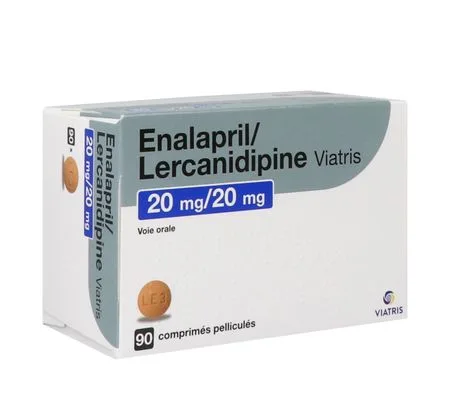
Round film-coated tablet with a diameter of 12,10 mm and a thickness of 4,80 mm, orange in colour, biconvex, engraved with "LE3" on one side and without text on the other side.
Composition
Enalapril maleate........................................................................................................................................20 mg
Lercanidipine hydrochloride......................................................................................................................20 mg
For a film-coated tablet.
Excipient with known effect: each tablet contains 154,0 mg of lactose monohydrate.
Core: lactose monohydrate, microcrystalline cellulose, sodium hydroxide (pellets), crospovidone, anhydrous colloidal silica, povidone, talc, magnesium stearate.
Film coating: Opadry Beige 03F570040 composed of: hypromellose, talc, macrogol, titanium dioxide (E171), yellow iron oxide (E 172), red iron oxide (E172).
Indications
Treatment of essential arterial hypertension as a substitution in patients whose blood pressure is adequately controlled by the separate administration of enalapril 20 mg and lercanidipine 20 mg taken simultaneously.
Dosage and administration
Dosage
The usual recommended dose is one tablet per day to be taken at least 15 minutes before a meal.
Elderly patients :
The dose must be adapted to the patient's renal function (see "Use in renal impairment").
Use in renal impairment :
ENALAPRIL / LERCANIDIPINE VIATRIS is contraindicated in patients with severe renal impairment (creatinine clearance < 30 ml/min) or in patients on haemodialysis (see sections Contraindications and Warnings and precautions). Treatment must be initiated with particular caution in patients with mild to moderate renal impairment.
Use in hepatic impairment :
ENALAPRIL / LERCANIDIPINE VIATRIS is contraindicated in severe hepatic impairment. Treatment must be initiated with caution in patients with mild to moderate hepatic impairment.
Paediatric population :
In this indication, the use of ENALAPRIL / LERCANIDIPINE VIATRIS in the paediatric population is not recommended.
Method of administration
Precautions to take before administering this medicine:
• Treatment should preferably be administered in the morning at least 15 min before breakfast.
• This medicine must not be taken with grapefruit juice (see sections Contraindications and Interactions).
Contraindications
• Hypersensitivity to angiotensin-converting enzyme (ACE) inhibitors or to dihydropyridine calcium channel blockers, or to any of the excipients listed in the section Composition.
• History of angioedema related to previous treatment with an ACE inhibitor.
• Hereditary or idiopathic angioedema.
• During the 2 and 3 trimesters of pregnancy (see sections Warnings and precautions and Fertility, pregnancy and breastfeeding).
• Obstruction to left ventricular ejection.
• Untreated congestive heart failure.
• Unstable angina or myocardial infarction dating back less than one month.
• Severe hepatic impairment.
• Severe renal impairment (GFR < 30 ml/min), including dialysed patients.
• Combination with:
- potent inhibitors of CYP3A4 (see section Interactions).
- ciclosporin (see section Interactions).
- grapefruit or grapefruit juice (see section Interactions).
• Combination with sacubitril/valsartan. There must be a minimum interval of 36 hours between the last dose of sacubitril/valsartan and the first dose of enalapril (see sections Warnings and precautions and Interactions).
The combination of ENALAPRIL / LERCANIDIPINE VIATRIS with medicinal products containing aliskiren is contraindicated in diabetic or renally impaired patients (GFR < 60 ml/min/1,73 m²) (see sections Interactions and Pharmacodynamics).
Warnings and precautions
Symptomatic hypotension
Symptomatic hypotension is rarely observed in uncomplicated hypertension. Symptomatic hypotension is more likely to occur in hypertensive patients treated with enalapril who have previously been volume-depleted (treatment with diuretics, low-salt diet, dialysis, diarrhoea or vomiting) (see section Interactions). In patients with heart failure, with or without associated renal impairment, cases of symptomatic hypotension have been observed. The risk is greater in patients with more severe degrees of heart failure, characterised by the use of high doses of loop diuretics, hyponatraemia or functional renal impairment.
In these patients, treatment should be started under medical supervision and patients should be closely monitored whenever the dose of enalapril and/or the diuretic is adjusted. Similar precautions should apply to patients with ischaemic heart disease or cerebrovascular disease, in whom an excessive fall in blood pressure could result in myocardial infarction or stroke.
If hypotension occurs, the patient should be placed supine and, if necessary, receive an intravenous infusion of isotonic saline. A transient hypotensive response is not a contraindication to continuing treatment, which may be continued without difficulty once blood pressure has increased following volume expansion.
In some patients with heart failure but with normal or low blood pressure, a further reduction in blood pressure may occur with enalapril. This effect is predictable and generally is not a reason to discontinue treatment. If hypotension becomes symptomatic, a reduction in dose and/or discontinuation of the diuretic and/or enalapril may be necessary.
Sinus node disease
Lercanidipine should be administered with caution in patients with sinus node dysfunction (where a pacemaker has not been fitted).
Left ventricular dysfunction
Even though controlled haemodynamic studies have not revealed any impairment of ventricular function, precautions should be taken in patients with left ventricular dysfunction.
Ischaemic heart disease
Data suggest that patients with ischaemic heart disease have a high cardiovascular risk when treated with certain short-acting dihydropyridines. Although lercanidipine has a long duration of action, caution is recommended in these patients. In rare cases, certain dihydropyridines may cause precordial pain or angina. In very rare cases, patients with pre-existing angina may experience an increase in the frequency, duration or severity of anginal attacks. Isolated cases of myocardial infarction may occur (see section Adverse effects).
Renal impairment
Treatment with enalapril should be initiated with particular caution in patients with mild to moderate renal impairment. Routine monitoring of potassium and creatinine during treatment with enalapril is part of normal care for these patients.
Cases of renal failure have been reported with enalapril, mainly in patients with severe heart failure or underlying renal disease, including renal artery stenosis. If diagnosed promptly and treated appropriately, renal failure associated with enalapril is usually reversible.
Some hypertensive patients without pre-existing renal impairment have shown increases in blood urea and serum creatinine when enalapril was used concomitantly with a diuretic. A reduction in the dose of enalapril and/or discontinuation of the diuretic may be necessary. This situation should raise the possibility of underlying renal artery stenosis (see section Warnings and precautions Renovascular hypertension).
Renovascular hypertension
There is an increased risk of hypotension and renal failure if patients with bilateral renal artery stenosis or stenosis of the artery to their only functioning kidney are treated with ACE inhibitors. Loss of renal function may occur with even minor changes in serum creatinine.
In these patients, treatment must be initiated under close medical supervision, with low doses then careful adjustment of the dosage and monitoring of renal function.
Renal transplantation
There is no experience regarding the use of lercanidipine or enalapril in patients who have recently undergone renal transplantation. Therefore, treatment of these patients with ENALAPRIL / LERCANIDIPINE VIATRIS is not recommended.
Hepatic impairment
The antihypertensive effect of lercanidipine may be potentiated in patients with hepatic dysfunction.
Rarely, a syndrome beginning with cholestatic jaundice or hepatitis and progressing to fulminant (sometimes fatal) hepatic necrosis has been observed with ACE inhibitor treatment. The mechanism of this syndrome has not been clearly elucidated. Patients who develop jaundice or a marked increase in liver enzymes with ACE inhibitors must stop taking the ACE inhibitor and receive appropriate medical follow-up.
Peritoneal dialysis
In patients undergoing peritoneal dialysis, lercanidipine has been associated with cloudy dialysis fluid. The turbidity is due to an increase in the concentration of triglycerides in the dialysis fluid. Although the mechanism is not explained, the turbidity improves after lercanidipine is stopped. This is an important effect to recognise because cloudy dialysis fluid can be mistaken for infectious peritonitis and unnecessarily cause hospitalisation and administration of antibiotics.
Neutropenia / agranulocytosis
Cases of neutropenia, agranulocytosis, thrombocytopenia or anaemia have been reported in patients receiving ACE inhibitors. Neutropenia occurs rarely in patients with normal renal function and no particular risk factors. Enalapril must be administered with extreme caution in patients with vascular collagen disease, those receiving immunosuppressive treatment, allopurinol, procainamide, a combination of these, or presenting these aggravating factors, particularly in cases of pre-existing impairment of renal function. Some of these patients developed serious infections which, in a few cases, did not respond to intensive antibiotic treatment. If enalapril is used in these patients, regular monitoring of the white blood cell count is recommended and patients must report any sign of infection to their doctor.
Hypersensitivity / angioneurotic oedema
Angioneurotic oedema involving the face, extremities, lips, tongue, glottis and/or larynx has been reported in patients treated with ACE inhibitors, including enalapril. This may occur at any time during treatment. In such cases, enalapril must be stopped immediately and appropriate monitoring must be put in place to ensure complete resolution of symptoms before the patient is allowed to leave.
Even in cases where only swelling of the tongue is observed, without respiratory distress, prolonged observation may be necessary for these patients because treatment with antihistamines or corticosteroids may not be sufficient.
In very rare cases, deaths have been reported following angioedema involving the larynx or tongue. Patients presenting with oedema of the tongue, glottis or larynx are likely to present airway obstruction, particularly those with a history of airway surgery.
In case of involvement of the tongue, glottis or larynx likely to cause airway obstruction, appropriate treatment which may include subcutaneous injection of adrenaline at 1:1000 (0,3 ml to 0,5 ml) and/or measures to ensure airway patency must be undertaken promptly.
A higher incidence of angioedema under ACE inhibitor treatment has been reported in Black populations.
Patients with a history of angioedema not related to ACE inhibitor intake may have an increased risk of angioedema if they receive an ACE inhibitor (see section Contraindications).
The combination of angiotensin-converting enzyme inhibitors with sacubitril/valsartan is contraindicated due to an increased risk of angioedema. Treatment with sacubitril/valsartan must only be initiated 36 hours after the last dose of enalapril. Treatment with enalapril must only be initiated 36 hours after the last dose of sacubitril/valsartan.
The combination of angiotensin-converting enzyme inhibitors with racecadotril, mTOR inhibitors (e.g. sirolimus, everolimus, temsirolimus) and vildagliptin may lead to an increased risk of angioedema (swelling of the airways or tongue with or without respiratory difficulty) (see section Interactions). Precautions must be taken when these medicinal products are to be initiated in a patient taking an angiotensin-converting enzyme inhibitor.
Anaphylactoid reactions during desensitisation to hymenoptera venoms
In rare cases, life-threatening anaphylactoid reactions have occurred during desensitisation treatment with hymenoptera venoms in patients concomitantly taking an ACE inhibitor. These reactions can be avoided by temporarily stopping ACE inhibitor treatment before each desensitisation.
Anaphylactoid reactions during LDL apheresis
In rare cases, life-threatening anaphylactoid reactions have occurred during low-density lipoprotein (LDL) apheresis with dextran sulphate in patients concomitantly taking an ACE inhibitor. These reactions can be avoided by temporarily stopping ACE inhibitor treatment before each apheresis.
Hypoglycaemia
Diabetic patients treated with oral antidiabetics or insulin, starting treatment with an ACE inhibitor, must be informed to be particularly vigilant about the risk of hypoglycaemia, especially during the first month of treatment with the combination of these two medicinal products (see section Interactions).
Cough
Cough has been reported with the use of ACE inhibitors. Typically, this cough is non-productive, persistent and disappears on discontinuation of treatment. An ACE inhibitor-induced cough should also be considered in the differential diagnosis of cough.
Surgical intervention / anaesthesia
In patients undergoing major surgery or during anaesthesia with hypotensive agents, enalapril blocks the formation of angiotensin II secondary to compensatory renin release. If hypotension occurs and is considered to be due to this mechanism, it can be corrected by volume expansion.
Hyperkalaemia
ACE inhibitors may cause an increase in serum potassium because they inhibit the release of aldosterone. The effect is generally not significant in patients with normal renal function. However, in patients with renal impairment and/or who take potassium supplements (including salt substitutes containing potassium), potassium-sparing diuretics, trimethoprim or co-trimoxazole (trimethoprim/sulfamethoxazole), or especially aldosterone antagonists or angiotensin receptor antagonists, hyperkalaemia may occur.
Potassium-sparing diuretics and angiotensin receptor antagonists should be used with caution in patients receiving ACE inhibitor treatment; serum potassium and renal function should be monitored in these patients (see section Interactions).
Lithium
The combination of lithium and enalapril is generally not recommended (see section Contraindications).
Dual blockade of the renin-angiotensin-aldosterone system (RAAS)
It is established that the combination of angiotensin-converting enzyme (ACE) inhibitors, angiotensin II receptor antagonists (ARB) or aliskiren increases the risk of hypotension, hyperkalaemia and impaired renal function (including the risk of acute renal failure). Consequently, dual blockade of the RAAS through the combined use of ACE inhibitors, ARBs or aliskiren is not recommended (see sections Interactions and Pharmacodynamics).
Nevertheless, if such a combination is considered absolutely necessary, it may only be carried out under the supervision of a specialist and with close and frequent monitoring of renal function, blood electrolytes and blood pressure.
The combination of an ACE inhibitor with an ARB II is contraindicated in patients with diabetic nephropathy.
CYP3A4 inducers
Inducers of the cytochrome CYP3A4 such as anticonvulsants (for example, phenytoin, carbamazepine) and rifampicin may reduce plasma concentrations of lercanidipine. Consequently, the efficacy of lercanidipine may be lower than expected (see section Interactions).
Ethnic differences
As with other ACE inhibitors, enalapril appears to be less effective at lowering blood pressure in Black patients than in other patients. This may possibly be explained by plasma renin concentrations that are often lower in the hypertensive Black population.
Pregnancy
ENALAPRIL / LERCANIDIPINE VIATRIS is contraindicated during pregnancy.
ACE inhibitors, such as enalapril, should not be started during pregnancy. Unless continued ACE inhibitor treatment is considered essential, patients planning pregnancy should be switched to an alternative antihypertensive treatment which has an established safety profile for use in pregnancy. When pregnancy is diagnosed, treatment with ACE inhibitors should be stopped immediately and, if appropriate, alternative therapy should be started (see sections Contraindications and Fertility, pregnancy and breastfeeding).
Treatment with lercanidipine is also not recommended during pregnancy and in women of childbearing potential (see section Fertility, pregnancy and breastfeeding).
Breast-feeding
ENALAPRIL / LERCANIDIPINE VIATRIS is not recommended during breast-feeding (see section Fertility, pregnancy and breastfeeding).
Paediatric population
In the absence of clinical data, efficacy and safety have not been demonstrated in children.
Alcohol
Alcohol should be avoided as it may potentiate the effect of vasodilating antihypertensives (see section Interactions)
Lactose
Due to the presence of lactose, this medicine is contraindicated in cases of congenital galactosaemia, glucose-galactose malabsorption syndrome or lactase deficiency.
Interactions
The antihypertensive effect of ENALAPRIL / LERCANIDIPINE VIATRIS may be potentiated by other antihypertensives such as diuretics, beta-blockers, alpha-blockers and other substances.
In addition, the following interactions have been observed with either component of this fixed combination.
Enalapril maleate
Medicinal products increasing the risk of angioedema
The combination of ACE inhibitors with sacubitril/valsartan is contraindicated due to a higher risk of angioedema (see sections Contraindications and Warnings and precautions).
The combination of ACE inhibitors with racecadotril, mTOR inhibitors (e.g. sirolimus, everolimus, temsirolimus) and vildagliptin may cause an increased risk of angioedema (see section Warnings and precautions).
+ Dual blockade of the renin-angiotensin-aldosterone system (RAAS)
Data from clinical trials have shown that dual blockade of the renin-angiotensin-aldosterone system (RAAS) through the concomitant use of an angiotensin-converting enzyme inhibitor, an angiotensin II receptor antagonist or aliskiren is associated with a higher frequency of adverse events, such as hypotension, hyperkalaemia and impaired renal function (including acute renal failure), compared with the use of a single medicinal product acting on the RAAS (see sections Contraindications, Warnings and precautions and Pharmacodynamics).
+ Potassium-sparing diuretics, potassium supplementation or potassium-containing salt substitutes
Although serum potassium usually remains within normal limits, hyperkalaemia may occur in some patients treated with enalapril. Potassium-sparing diuretics (e.g. spironolactone, triamterene or amiloride), potassium supplements or potassium-containing salt substitutes may lead to significant increases in serum potassium.
Caution is also advised when enalapril is administered with other hyperkalaemia-inducing medicinal products, such as trimethoprim and co-trimoxazole (trimethoprim/sulfamethoxazole), as trimethoprim acts as a potassium-sparing diuretic like amiloride. Therefore, the combination of enalapril with the abovementioned medicinal products is not recommended. If concomitant use is indicated, it should be undertaken with caution and accompanied by frequent monitoring of serum potassium.
+ Ciclosporin
The combination of ACE inhibitors with ciclosporin may cause hyperkalaemia.
Monitoring of serum potassium is recommended.
+ Heparin
The combination of ACE inhibitors with heparin may cause hyperkalaemia.
Monitoring of serum potassium is recommended.
+ Diuretics (thiazides and loop diuretics)
Prior treatment with high doses of diuretics may cause hypovolaemia and a risk of hypotension when starting treatment with enalapril (see section Warnings and precautions). The hypotensive effects may be reduced by discontinuing the diuretic, by increasing volaemia, by salt intake or by initiating treatment with a low dose of enalapril.
+ Other antihypertensives
Concomitant administration of enalapril and other antihypertensive agents may increase the hypotensive effects of enalapril. Concomitant administration of glyceryl trinitrate and other nitrates or other vasodilators may further reduce blood pressure.
+ Lithium
The following reversible effects have been reported with concomitant administration of lithium and ACE inhibitors: increases in serum lithium concentrations and toxic effects. Concomitant administration of thiazide diuretics may further increase lithium levels and increase the risk of toxicity with ACE inhibitors. The administration of enalapril and lithium is not recommended. However, if this combination is deemed necessary, close monitoring of serum lithium concentrations should be established (see section Warnings and precautions).
+ Tricyclic antidepressants / neuroleptics / anaesthetics / narcotics
Concomitant administration of certain anaesthetic medicinal products, tricyclic antidepressants, neuroleptics and ACE inhibitors may result in a further reduction in blood pressure (see section Warnings and precautions).
+ Non-steroidal anti-inflammatory drugs (NSAIDs) including selective cyclooxygenase-2 (COX-2) inhibitors
Non-steroidal anti-inflammatory drugs (NSAIDs) including selective cyclooxygenase-2 (COX-2 inhibitors) may reduce the effect of diuretics and other antihypertensive medicinal products. Therefore, the antihypertensive effects of ARB II or ACE inhibitors may be diminished by NSAIDs, in particular selective COX-2 inhibitors.
Co-administration of NSAIDs (including COX-2 inhibitors) and ARB II or ACE inhibitors has an additive effect on the increase in serum potassium, which may result in deterioration of renal function. This effect is usually reversible. Rarely, acute renal failure may occur, particularly in patients with impaired renal function such as elderly patients or patients with hypovolaemia (including those on diuretic treatment). Therefore, the combination should be administered with caution in patients with impaired renal function. Patients should be adequately hydrated and their renal function monitored after initiation of concomitant treatment and periodically thereafter.
+ Gold salts
Nitritoid reactions (symptoms including flushing of the face, nausea, vomiting and hypotension) have been reported in rare cases in patients receiving treatment with injectable gold salts (sodium aurothiomalate) and concomitant treatment with an ACE inhibitor, including enalapril.
+ Sympathomimetics
Sympathomimetics may reduce the antihypertensive effects of ACE inhibitors.
+ Antidiabetics
Epidemiological studies have suggested that concomitant administration of ACE inhibitors and antidiabetics (insulin, oral antidiabetics) may lead to a greater hypoglycaemic effect, with a risk of hypoglycaemia. These cases are more likely to occur during the first weeks of co-administration, and in patients with renal insufficiency (see sections Warnings and precautions and Adverse effects).
+ Alcohol
Alcohol enhances the hypotensive effect of ACE inhibitors.
+ Acetylsalicylic acid, thrombolytics, beta-blockers
Enalapril can be administered without risk with acetylsalicylic acid (at cardiological doses), thrombolytics, and β-blockers.
Lercanidipine
Contraindicated combinations
+ CYP3A4 inhibitors
Lercanidipine is metabolised by the enzyme CYP3A4 and, consequently, concomitantly administered inhibitors of cytochrome CYP3A4 may interact with the metabolism and elimination of lercanidipine. An interaction study with ketoconazole, a potent inhibitor of cytochrome CYP3A4 showed a considerable increase in plasma concentrations of lercanidipine (15-fold increase in AUC and 8-fold increase in Cmax for the S-lercanidipine enantiomer).
Administration of lercanidipine with CYP3A4 inhibitors (for example ketoconazole, itraconazole, ritonavir, erythromycin, troleandomycin, clarithromycin) should be avoided (see section Contraindications).
+ Ciclosporin
An increase in plasma concentrations of lercanidipine and ciclosporin has been observed after concomitant administration of the 2 active substances. A study in young healthy volunteers showed that, when ciclosporin was administered 3 hours after lercanidipine intake, plasma concentrations of lercanidipine did not change, whereas the AUC of ciclosporin increased by 27%. However, concomitant administration of lercanidipine and ciclosporin caused a 3-fold increase in plasma concentrations of lercanidipine and a 21% increase in the AUC of ciclosporin.
Ciclosporin and lercanidipine must not be administered together (see section Contraindications).
+ Grapefruit and grapefruit juice
As with other dihydropyridines, the metabolism of lercanidipine is sensitive to metabolic inhibition caused by grapefruit or grapefruit juice, resulting in an increase in systemic bioavailability and in the hypotensive effect of lercanidipine.
Lercanidipine must not be taken with grapefruit or grapefruit juice (see section Contraindications).
Combinations not recommended
+ CYP3A4 inducers
With concomitant administration of lercanidipine and CYP3A4 inducers, such as anticonvulsants (e.g. phenytoin, phenobarbital, carbamazepine) and rifampicin, special care is required as the antihypertensive effect of lercanidipine may be reduced. Blood pressure should therefore be monitored more frequently than usual (see section Warnings and precautions).
+ Alcohol
Alcohol should be avoided as it may potentiate the effect of vasodilating antihypertensives (see section Warnings and precautions).
Associations requiring precautions for use
+ CYP3A4 substrates
Caution is necessary when lercanidipine is combined with CYP3A4 substrates such as terfenadine, astemizole, class III antiarrhythmics (e.g. amiodarone, quinidine, sotalol).
+ Midazolam
When lercanidipine, at a dose of 20 mg, was administered at the same time as oral midazolam to elderly volunteers, absorption of lercanidipine was increased (by approximately 40%) and the rate of absorption was decreased (Tmax was delayed by 1,75 to 3 hours). Midazolam concentrations were not modified.
+ Metoprolol
When lercanidipine and metoprolol are administered simultaneously, a β-blocker eliminated mainly by the hepatic route, the bioavailability of metoprolol remained unchanged, whereas that of lercanidipine was reduced by 50%. This effect may be caused by the decrease in hepatic blood flow produced by beta-blockers and could therefore also occur with other medicinal products of this therapeutic class. Consequently, concomitant administration of lercanidipine and beta-blockers is possible but a dose adjustment may be necessary.
+ Digoxin
Simultaneous administration of 20 mg of lercanidipine in patients on chronic treatment with beta-methyldigoxin showed no sign of a pharmacokinetic interaction. However, a mean increase of 33% in the Cmax of digoxin was observed, whereas neither the AUC nor renal clearance were significantly modified. Clinical signs of digoxin intoxication should be closely monitored in patients on concomitant digoxin treatment.
Associations to be taken into account
+ Fluoxetine
An interaction study with fluoxetine (an inhibitor of CYP2D6 and CYP3A4), conducted in healthy volunteers aged 65 ± 7 years (mean, standard deviation), did not show any clinically significant modification of the pharmacokinetics of lercanidipine.
+ Cimetidine
Concomitant administration of a daily dose of 800 mg of cimetidine does not result in a significant change in plasma concentrations of lercanidipine. However, at higher doses, caution is required as the bioavailability of lercanidipine, and consequently its hypotensive effect, may be increased.
+ Simvastatin
Repeated administration of a dose of 20 mg of lercanidipine simultaneously with 40 mg of simvastatin did not result in a significant change in the AUC of lercanidipine but resulted in a 56% increase in the AUC of simvastatin and a 28% increase in the AUC of its active metabolite, the beta-hydroxy acid. Such changes are unlikely to be clinically relevant. No interaction is expected if lercanidipine is administered in the morning and simvastatin in the evening, as indicated for the latter.
+ Warfarin
Simultaneous administration of 20 mg of lercanidipine to healthy fasting volunteers did not modify the pharmacokinetics of warfarin.
+ Diuretics and angiotensin-converting enzyme inhibitors
Lercanidipine has been administered safely with diuretics and angiotensin-converting enzyme inhibitors.
+ Other medicinal products acting on blood pressure
As with all antihypertensive medicinal products, an increase in hypotensive effects may be observed when lercanidipine is administered with other medicinal products acting on blood pressure such as alpha-blockers used in the treatment of urinary symptoms, tricyclic antidepressants and neuroleptics.
Conversely, a decrease in blood pressure may be observed with corticosteroids.
+ Paediatric population
Interaction studies were performed only in adults.
Fertility, pregnancy and breastfeeding
Pregnancy
For enalapril
The use of ACE inhibitors (enalapril) is not recommended during the 1er trimester of pregnancy (see section Warnings and precautions). The use of ACE inhibitors (enalapril) is contraindicated after the 2th and 3th trimesters of pregnancy (see sections Contraindications and Warnings and precautions).
The available epidemiological data regarding the risk of malformation after exposure to ACE inhibitors in the 1st trimester of pregnancy do not allow a conclusion. However, a small increase in the risk of congenital malformations cannot be excluded. Unless treatment with an ACE inhibitor is considered essential, it is recommended that patients planning a pregnancy change their antihypertensive treatment to a medicinal product with a well-established safety profile during pregnancy. In case of a pregnancy diagnosis, treatment with an ACE inhibitor must be stopped immediately and, if necessary, an alternative treatment will be started.
Exposure to ACE inhibitors during the 2th and 3th trimesters of pregnancy is known to cause foetotoxicity (decreased renal function, oligohydramnios, delayed ossification of the skull bones) and neonatal toxicity (renal failure, hypotension, hyperkalaemia) (see section Preclinical safety). Oligohydramnios, a probable sign of decreased fetal renal function, has been reported and may result in limb contractures, craniofacial deformities and pulmonary hypoplasia. In case of exposure to an ACE inhibitor from the 2th trimester of pregnancy onwards, it is recommended to perform fetal ultrasound to check renal function and the skull bones. Newborns of mothers treated with ACE inhibitors should be monitored for possible hypotension (see sections Contraindications and Warnings and precautions).
For lercanidipine
There are no data on the use of lercanidipine during pregnancy. Animal studies have not shown teratogenic effects, but these have been observed with other dihydropyridines.
The use of lercanidipine is not recommended during pregnancy or in women of childbearing potential not using effective contraception (see section Warnings and precautions).
For the combination of enalapril and lercanidipine
There are no or limited data on the use of enalapril maleate/lercanidipine hydrochloride in pregnant women. Animal reproductive toxicity studies are insufficient (see section Preclinical safety.).
Therefore, the use of ENALAPRIL / LERCANIDIPINE VIATRIS is contraindicated during the 2nd and 3rd trimesters of pregnancy. It is not recommended during the 1st trimester of pregnancy and in women of childbearing potential not using effective contraception.
Breast-feeding
For enalapril
Limited pharmacokinetic data show very low concentrations in milk (see section Pharmacokinetics). Although these concentrations do not appear to have real clinical consequences, administration of enalapril is not recommended in women breastfeeding premature infants and during the first weeks following childbirth, due to the hypothetical risk of cardiovascular and renal side effects in the child and the insufficient clinical experience.
In the case of breastfeeding an older child, administration of enalapril may be considered in a breastfeeding woman if this treatment is necessary for the mother and the child is monitored in order to detect possible side effects.
For lercanidipine
The excretion of lercanidipine or its metabolites in human milk is unknown. A risk to the newborn or infant cannot be excluded. Lercanidipine should not be used during breastfeeding.
For the combination of enalapril and lercanidipine
Consequently, the use of ENALAPRIL / LERCANIDIPINE VIATRIS is not recommended during breast-feeding.
Fertility
There is no data available for lercanidipine. Certain calcium channel blockers have been associated with reversible biochemical changes in the head region of spermatozoa, which may affect fertilisation. In cases of repeated failures of in vitro fertilisation, and in the absence of another explanation, the possibility that calcium channel blockers are responsible for these failures should be considered.
Driving and using machines
The influence of ENALAPRIL / LERCANIDIPINE VIATRIS on the ability to drive vehicles and use machines is low. However, caution is recommended due to the possible occurrence of dizziness, asthenia, fatigue and, rarely, drowsiness (see section Adverse effects).
Adverse effects
Summary of the safety profile
The tolerability of ENALAPRIL / LERCANIDIPINE VIATRIS was evaluated in five controlled, double-blind clinical studies and in two open-label long-term extension phases. In total, 1 141 patients received ENALAPRIL / LERCANIDIPINE VIATRIS at doses of 10 mg/10 mg, 20 mg/10 mg and 20 mg/20 mg. The adverse effects of this fixed combination are comparable to those observed with administration of either of its components. The adverse effects most frequently reported during treatment with ENALAPRIL / LERCANIDIPINE VIATRIS are cough (4,03%), dizziness (1,67%) and headache (1,67%).
Tabulated summary of adverse reactions
The adverse effects reported in clinical studies with ENALAPRIL / LERCANIDIPINE VIATRIS 10 mg/10 mg, 20 mg/10 mg and 20 mg/20 mg and for which there is a causal relationship, are described in the following table, by MedDRA system organ class and by frequency: very common (> 1/10), common (≥ 1/100 to < 1/10), uncommon (≥ 1/1 000 to < 1/100), rare (≥ 1/10 000 to < 1/1 000), very rare (< 1/10 000), not known (cannot be estimated from the available data):
|
Blood and lymphatic system disorders |
|
|
Uncommon: |
Thrombocytopenia |
|
Rare: |
Decreased haemoglobin |
|
Immune system disorders |
|
|
Rare: |
Hypersensitivity |
|
Metabolism and nutrition disorders |
|
|
Uncommon: |
Hyperkalaemia |
|
Psychiatric disorders |
|
|
Uncommon: |
Anxiety |
|
Nervous system disorders |
|
|
Common: |
Dizziness, headache |
|
Uncommon: |
Postural dizziness |
|
Ear and labyrinth disorders |
|
|
Uncommon: |
Vertigo |
|
Rare: |
Tinnitus |
|
Cardiac disorders |
|
|
Uncommon: |
Tachycardia, palpitations |
|
Vascular disorders |
|
|
Uncommon: |
Vasomotor flushes, hypotension |
|
Rare: |
Circulatory failure |
|
Respiratory, thoracic and mediastinal disorders |
|
|
Common: |
Cough |
|
Rare: |
Dry throat, oropharyngeal pain |
|
Gastrointestinal disorders |
|
|
Uncommon: |
Abdominal pain, constipation, nausea |
|
Rare: |
Dyspepsia, lip oedema, tongue involvement, diarrhoea, dry mouth, gingivitis |
|
Hepato-biliary disorders |
|
|
Uncommon: |
Increased ALT and AST |
|
Skin and subcutaneous tissue disorders |
|
|
Uncommon: |
Erythema |
|
Rare: |
Angioedema, facial swelling, dermatitis, skin rash, urticaria |
|
Musculoskeletal and systemic disorders |
|
|
Uncommon: |
Arthralgia |
|
Renal and urinary disorders |
|
|
Uncommon: |
Pollakiuria |
|
Rare: |
Nocturia, polyuria |
|
Disorders of the reproductive system and breast |
|
|
Rare: |
Erectile dysfunction |
|
General disorders and administration site conditions |
|
|
Uncommon: |
Asthenia, fatigue, sensation of heat, peripheral oedema |
Adverse effects occurring in a single patient are reported at rare frequencies.
Other information on the components alone
Adverse effects observed with enalapril or lercanidipine may also be reported with ENALAPRIL / LERCANIDIPINE VIATRIS, even if they have not been observed in clinical trials or during the marketing period.
Enalapril alone
The adverse effects reported with enalapril are:
Blood and lymphatic system disorders :
Uncommon: anaemia (including aplastic and haemolytic forms).
Rare: neutropenia, decreased haemoglobin, decreased haematocrit, thrombocytopenia, agranulocytosis, bone marrow aplasia, pancytopenia, lymphadenopathy, autoimmune diseases.
Endocrine disorders :
Undetermined: syndrome of inappropriate antidiuretic hormone secretion (SIADH).
Metabolism and nutrition disorders :
Uncommon: hypoglycaemia (see section Warnings and precautions).
Psychiatric disorders :
Common: depression.
Uncommon: confusional state, nervousness, insomnia.
Rare: abnormal dreams, sleep disorders.
Nervous system disorders :
Very common: dizziness.
Common: headache, syncope, dysgeusia.
Uncommon: somnolence, paraesthesia, vertigo.
Eye disorders :
Very common: blurred vision.
Ear and labyrinth disorders :
Uncommon: tinnitus.
Cardiac disorders :
Common: chest pain, arrhythmia, angina, tachycardia.
Uncommon: palpitations, myocardial infarction or cerebrovascular accident* probably secondary to excessive hypotension in patients at high risk (see section Warnings and precautions)
* The incidence is comparable to placebo groups and active comparator groups in clinical trials.
Vascular disorders ;
Common: hypotension (including orthostatic hypotension).
Uncommon: flushing, orthostatic hypotension.
Rare: Raynaud's syndrome.
Respiratory, thoracic and mediastinal disorders :
Very common: cough.
Common: dyspnoea.
Uncommon: rhinorrhoea, pharyngolaryngeal pain and dysphonia, bronchospasm / asthma.
Rare: pulmonary infiltration, rhinitis, allergic alveolitis / eosinophilic pneumonia.
Gastrointestinal disorders :
Very common: nausea.
Common: diarrhoea, abdominal pain.
Uncommon: ileus, pancreatitis, vomiting, dyspepsia, constipation, anorexia, gastric irritation, dry mouth, gastroduodenal ulcer.
Rare: stomatitis, aphthous stomatitis, glossitis.
Very rare: intestinal angioedema.
Hepatobiliary disorders :
Rare: hepatic failure, cytolytic or cholestatic hepatitis, hepatitis including necrosis, cholestasis (including jaundice).
Skin and subcutaneous tissue disorders :
Common: rash, hypersensitivity / angioneurotic oedema: angioedema of the face, extremities, lips, tongue, glottis and/or larynx has been reported (see section Warnings and precautions).
Uncommon: hyperhidrosis, pruritus, urticaria, alopecia.
Rare: erythema multiforme, Stevens-Johnson syndrome, exfoliative dermatitis, toxic epidermal necrolysis, pemphigus, erythroderma.
Frequency not known: psoriasis, aggravation of psoriasis.
A cluster of symptoms, which may include some or all of the following, has been reported: fever, serositis, vasculitis, myalgia / myositis, arthralgia / arthritis, positive antinuclear antibodies (ANA), elevated erythrocyte sedimentation rate (ESR), eosinophilia and leukocytosis. A skin rash, photosensitivity and other dermatological manifestations may occur.
Musculoskeletal and systemic disorders :
Uncommon: muscle cramps.
Renal and urinary disorders :
Uncommon: impaired renal function, renal failure, proteinuria.
Rare: oliguria.
Disorders of the reproductive system and breast :
Uncommon: erectile dysfunction.
Rare: gynecomastia.
General disorders and administration site conditions :
Very common: asthenia.
Common: fatigue.
Uncommon: malaise, fever.
Laboratory tests :
Common: hyperkalemia, increased blood creatinine.
Uncommon: increased blood urea, hyponatremia.
Rare: increased liver enzymes, increased blood bilirubin.
Lercanidipine alone
The adverse reactions most frequently reported during clinical trials and during marketing were peripheral edema, headache, flushing, tachycardia and palpitations.
Immune system disorders :
Rare: hypersensitivity.
Nervous system disorders :
Common: headache.
Uncommon: dizziness.
Rare: somnolence, syncope.
Cardiac disorders :
Common: tachycardia, palpitations.
Rare: angina pectoris.
Vascular disorders ;
Common: flushing.
Uncommon: hypotension.
Gastrointestinal disorders :
Uncommon: nausea, dyspepsia, diarrhea, upper abdominal pain.
Rare: vomiting, diarrhea.
Frequency unknown: gingival hypertrophy1, peritoneal dialysis fluid cloudy1.
Hepato-biliary disorders
Frequency unknown: transaminases increased1.
Skin and subcutaneous tissue disorders :
Uncommon: skin rash, pruritus.
Rare: urticaria
Frequency unknown: angioedema1.
Musculoskeletal and systemic disorders :
Uncommon: myalgia.
Renal and urinary disorders :
Uncommon: polyuria.
Rare: pollakiuria.
General disorders and administration site conditions :
Common: peripheral oedema.
Uncommon: asthenia, fatigue.
Rare: chest pain.
1 Adverse effects from spontaneous reports following international marketing.
Certain dihydropyridines may, in rare cases, cause precordial pain or angina. In very rare cases, patients with pre-existing angina may experience an increase in the frequency, duration or severity of angina attacks. Isolated cases of myocardial infarction may be observed.
Lercanidipine does not appear to modify blood glucose or lipid levels.
Reporting of suspected adverse reactions
Reporting suspected adverse reactions after authorisation of the medicinal product is important. It allows continued monitoring of the benefit/risk balance of the medicinal product. Healthcare professionals are asked to report any suspected adverse reactions via the national reporting system: National Agency for the Safety of Medicines and Health Products (ANSM) and the network of Regional Pharmacovigilance Centres - Website: https://signalement.social-sante.gouv.fr/
Overdose
Since marketing, a few cases of intentional overdose requiring hospitalisation have been reported with enalapril/lercanidipine, with doses between 100 mg and 1000 mg for each of these active substances in a single intake of enalapril/lercanidipine requiring hospitalisation. The reported symptoms (decrease in systolic blood pressure, bradycardia, agitation, drowsiness, lateral pain) could also be due to the concomitant administration of high doses of other medicinal products (e.g. β-blockers).
Symptoms of overdose with enalapril or lercanidipine alone:
The most important characteristics of overdose reported to date with enalapril are severe hypotension (starting approximately 6 hours after ingestion of the tablets) associated with blockade of the renin-angiotensin system and stupor.
Other symptoms associated with an ACE inhibitor overdose may include: circulatory shock, electrolyte disturbances, renal failure, hyperventilation, tachycardia, palpitations, bradycardia, dizziness, anxiety and cough. Serum enalaprilat concentrations 100 and 200 times higher than those generally observed after administration of therapeutic doses have been reported after ingestion of 300 mg and 440 mg of enalapril, respectively.
As with other dihydropyridines, lercanidipine overdose causes excessive peripheral vasodilation with marked hypotension and reflex tachycardia. However, at very high doses, vascular selectivity is not maintained, causing bradycardia and a negative inotropic effect. The most frequent adverse effects during overdose are hypotension, dizziness, headache and palpitations.
Treatment of overdose cases with enalapril or lercanidipine alone:
The recommended treatment of enalapril overdose is an intravenous infusion of isotonic saline solution.
In case of hypotension, the patient should be placed supine with legs raised. If available, treatment with an intravenous infusion of angiotensin II and/or catecholamines may also be considered. If the tablet ingestion is recent, measures aimed at eliminating enalapril maleate should be taken (e.g. vomiting, gastric lavage, administration of absorbents or sodium sulfate). Enalaprilat can be removed from the blood circulation by haemodialysis (see section Warnings and precautions). The use of a pacemaker is indicated for bradycardia resistant to treatment. Vital signs, serum electrolytes and creatinine levels should be continuously monitored.
For lercanidipine, clinically significant hypotension requires active cardiovascular management with frequent monitoring of cardiac and respiratory function, leg elevation and control of circulating fluid volume and urinary output.
Given the prolonged pharmacological action of lercanidipine, the cardiovascular status of patients in overdose should be monitored for at least 24 hours. As this medicinal product is highly protein-bound, dialysis is likely to be ineffective.
Pharmacodynamics
Pharmacotherapeutic class: Angiotensin-converting enzyme inhibitor and calcium channel blocker: enalapril and lercanidipine, ATC code: C09BB02.
ENALAPRIL / LERCANIDIPINE VIATRIS is a fixed combination of an angiotensin-converting enzyme inhibitor (enalapril) and a calcium channel blocker (lercanidipine), two antihypertensive compounds with complementary mechanisms of action allowing control of blood pressure in patients with essential hypertension.
Enalapril
Enalapril maleate is a salt of enalapril, a derivative of two amino acids, L-alanine and L-proline. Angiotensin-converting enzyme (ACE) is a peptidyl-dipeptidase that catalyses the conversion of angiotensin I into angiotensin II, a vasopressor substance.
After absorption, enalapril is hydrolysed to enalaprilat, which inhibits ACE. Inhibition of ACE results in decreased plasma angiotensin II, which leads to increased plasma renin activity (by removal of negative feedback on renin secretion) and decreased aldosterone secretion.
Since ACE is identical to kininase II, enalapril may also inhibit the degradation of bradykinin, a potent vasodepressor peptide. However, the role of this mechanism in the therapeutic effects of enalapril is not yet understood.
Although the mechanism by which enalapril reduces blood pressure is mainly attributed to inhibition of the renin-angiotensin-aldosterone system, enalapril has an antihypertensive effect even in patients with low renin concentrations.
Administration of enalapril to hypertensive patients results in a decrease in their blood pressure in both standing and supine positions, without a significant increase in their heart rate.
Symptomatic orthostatic hypotension is rare. In some patients, optimal control of blood pressure is achieved only after several weeks of treatment. Abrupt discontinuation of enalapril treatment is not associated with a rapid increase in blood pressure.
Effective inhibition of ACE activity normally occurs between 2 and 4 hours after oral administration of a single dose of enalapril. The onset of the antihypertensive effect is generally observed after one hour and the maximum reduction in blood pressure is observed between 4 and 6 hours after administration. The duration of effect is dose-dependent; however, at the recommended doses, the antihypertensive and haemodynamic effects persist for at least 24 hours.
Haemodynamic studies in patients with essential hypertension have shown that the reduction in blood pressure was associated with a decrease in peripheral arterial resistance and an increase in cardiac output with little or no change in heart rate. Following administration of enalapril, renal blood flow increased while the glomerular filtration rate remained unchanged. There was no sign of sodium or water retention. However, in patients with low glomerular filtration rates before treatment, these rates generally increased.
Short-term clinical studies in diabetic and non-diabetic patients with renal disease have shown decreases in albuminuria, urinary IgG excretion and total proteinuria following administration of enalapril.
Dual blockade of the renin-angiotensin-aldosterone system
Two large, randomised, controlled clinical trials, ONTARGET (Ongoing Telmisartan Alone and in combination with Ramipril Global Endpoint Trial) and VA NEPHRON-D (The Veterans Affairs Nephropathy in Diabetes), have studied the use of a combination of an angiotensin-converting enzyme inhibitor and an angiotensin II receptor antagonist.
The ONTARGET study was conducted in patients with a history of cardiovascular or cerebrovascular disease or with type 2 diabetes with end-organ damage.
The VA NEPHRON-D study was conducted in patients with type 2 diabetes and diabetic nephropathy.
Compared with monotherapy, these studies did not demonstrate a significant beneficial effect on the course of renal and/or cardiovascular outcomes and on mortality, whereas an increased risk of hyperkalaemia, acute renal failure and/or hypotension was observed.
These results are also applicable to other ACE inhibitors and ARB IIs, given the similarity of their pharmacodynamic properties.
ACE inhibitors and ARBs should therefore not be combined in patients with diabetic nephropathy.
The ALTITUDE study (Aliskiren Trial in Type 2 Diabetes Using Cardiovascular and Renal Disease Endpoints) was conducted with the aim of evaluating the benefit of adding aliskiren to standard treatment with an ACE inhibitor or an ARB in patients with type 2 diabetes and chronic renal insufficiency, with or without cardiovascular disorders. This study was stopped prematurely due to an increased risk of adverse events. Deaths of cardiovascular origin and strokes were more frequent in the aliskiren group than in the placebo group; likewise, adverse events and certain serious adverse events such as hyperkalaemia, hypotension and renal failure were reported more frequently in the aliskiren group than in the placebo group.
Lercanidipine
Lercanidipine is a calcium antagonist of the dihydropyridine group that inhibits the transmembrane flow of calcium into cardiac and smooth muscle. The mechanism of the antihypertensive effect is based on a direct relaxant effect on vascular smooth muscle, thereby decreasing total peripheral resistance. Despite a short plasma half-life, and thanks to its high membrane partition coefficient, lercanidipine has a prolonged antihypertensive effect and is devoid of negative inotropic effect due to its high vascular selectivity.
Since vasodilation is induced very gradually by lercanidipine, acute hypotension with reflex tachycardia has been observed only in rare cases in hypertensive patients.
As with other asymmetric 1,4-dihydropyridines, the antihypertensive effect of lercanidipine results mainly from its S-enantiomer.
Enalapril / Lercanidipine
The combination of these 2 molecules has an additive antihypertensive effect, lowering blood pressure to a greater extent than each of the 2 components taken separately.
ENALAPRIL / LERCANIDIPINE VIATRIS 10 mg/10 mg
In a pivotal Phase III, double-blind, add-on therapeutic combination study conducted in 342 patients not responding to lercanidipine 10 mg (defined by a diastolic blood pressure between 95 and 114 mmHg and a systolic blood pressure between 140 and 189 mmHg), the reduction in systolic blood pressure was greater by 5,4 mmHg with the enalapril 10 mg / lercanidipine 10 mg combination compared with the group receiving lercanidipine 10 mg alone (- 7,7 mmHg versus - 2,3 mmHg, p<0,001), after 12 weeks of treatment; the reduction in diastolic blood pressure was greater by 2,8 mmHg for the fixed-combination group (- 7,1 mmHg versus - 4,3 mmHg, p<0,001) for the monotherapy group.
The responder rate was significantly higher with the fixed combination compared with monotherapy: 41% versus 24% (p<0,001) for systolic blood pressure and 35% versus 24%, (p=0,032) for diastolic blood pressure. A significantly higher percentage of patients on the fixed combination achieved normalisation of systolic blood pressure (39% versus 22%, p<0,001) and diastolic blood pressure (29% versus 19%, p=0,023) compared with patients on monotherapy.
During the long-term follow-up phase of this open-label study, titration with the fixed combination enalapril 20 mg / lercanidipine 10 mg was possible if blood pressure remained above 140/90 mmHg; 133 of 221 patients underwent this titration, and diastolic blood pressure was normalised in one third of cases.
ENALAPRIL / LERCANIDIPINE VIATRIS 20 mg/10 mg
In a pivotal Phase III, double-blind, add-on treatment study conducted in 327 patients not responding to enalapril 20 mg (defined by a diastolic blood pressure between 95 and 114 mmHg and a systolic blood pressure between 140 and 189 mmHg), the reduction in systolic blood pressure was - 9,8 mmHg with the enalapril 20 mg / lercanidipine 10 mg combination, compared with the monotherapy group (- 6,7 mmHg, p=0,013); the reduction in diastolic blood pressure was - 9,2 mmHg for the fixed-combination group versus - 7,5 mmHg (p=0,015) for the monotherapy group.
The rate of responders was not significantly higher with the fixed combination compared with monotherapy: 53% versus 43% (p=0,076) for diastolic blood pressure and 41% versus 33% (p=0,116) for systolic blood pressure. A higher but non-significant percentage of patients on the fixed combination showed normalisation of diastolic blood pressure (48% versus 37% (p=0,055)) and of systolic blood pressure (33% versus 28%, p=0,325) compared with patients on monotherapy.
ENALAPRIL / LERCANIDIPINE VIATRIS 20 mg/20 mg
In a controlled, randomisede, double-blind study versus placebo and an active comparator, with a factorial design, conducted in 1 039 patients with moderate arterial hypertension (defined by a diastolic blood pressure (DBP) between 100 and 109 mmHg and confirmed by a DBP ≥ 85 mmHg at home, and a systolic blood pressure (SBP) < 180 mmHg in the clinic), patients on enalapril 20 mg/lercanidipine 20 mg had a significant reduction in diastolic and systolic blood pressures compared with placebo (p<0,001) in the clinic and at home.
In the clinic, differences were observed in the change in DBP from baseline with the 20 mg/20 mg combination (-15,2 mmHg, n=113) compared with enalapril 20 mg alone (-11,3 mmHg, p=0,004, n=113) or lercanidipine 20 mg alone (-13,0 mmHg, p=0,092, n=113).
Likewise, in the clinic, differences were observed in the change in SBP from baseline between the 20 mg/20 mg combination (-19,2 mmHg) and lercanidipine 20 mg alone (-13,0 mmHg, p=0,002) or enalapril 20 mg alone (-15,3 mmHg, p=0,055). Differences were also observed for diastolic and systolic blood pressures at home.
The rate of responder patients was significantly higher with the fixed combination compared with placebo (p<0,001) and the 2 monotherapies (p<0,01) for DBP (75%) and SBP (71%).
Normalisation of blood pressure was achieved by a higher percentage of patients treated with the 20 mg/20 mg combination (42%) than with placebo (22%)..
Pharmacokinetics
No pharmacokinetic interaction was observed when enalapril and lercanidipine were co-administered.
Pharmacokinetics of enalapril
Absorption
Enalapril, administered orally, is rapidly absorbed, with peak plasma concentrations reached within one hour. Based on urinary elimination, the amount of enalapril absorbed after oral administration of tablets is approximately 60%. Oral absorption of enalapril is not influenced by the presence of food in the digestive tract.
Distribution
After oral absorption, enalapril is rapidly and extensively hydrolysed to enalaprilat, a potent inhibitor of angiotensin-converting enzyme. Peak serum concentrations of enalaprilat are reached approximately 4 hours after oral administration of an enalapril tablet. The effective accumulation half-life of enalaprilat after multiple oral doses of enalapril is 11 hours. In patients with normal renal function, steady-state plasma concentration is reached after 4 days of treatment.
Within the range of concentrations associated with therapeutic doses, plasma protein binding of enalaprilat in humans does not exceed 60%.
Biotransformation
Apart from conversion to enalaprilat, no significant metabolism of enalapril has been demonstrated.
Elimination
Elimination of enalaprilat is essentially renal. The main compounds found in urine are enalaprilat, which represents approximately 40% of the dose, and unchanged enalapril (approximately 20%).
Renal impairment
Exposure to enalapril and enalaprilat is increased in patients with renal impairment. After administration of 5 mg/day in patients with mild to moderate renal impairment (creatinine clearance between 40 and 60 ml/min), the steady-state AUC of enalaprilat was approximately two times higher than in patients with normal renal function. In severe renal impairment (creatinine clearance ≤ 30 ml/min), the AUC was increased by approximately 8 times. The effective half-life of enalaprilat after administration of multiple doses of enalapril is prolonged at this degree of renal impairment and the time to reach steady state is delayed (see section Dosage and administration). Enalaprilat can be removed from the blood circulation by haemodialysis, at a clearance of 62 ml/min.
Breast-feeding
After a single oral dose of 20 mg of enalapril administered to 5 breastfeeding women, the mean maximum concentrations of enalapril in milk were 1,7 µg/L (0,54 µg/L to 5,9 µg/L), 4 to 6 hours after intake. The mean maximum concentrations of enalaprilat in milk were 1,7 µg/L (1,2 µg/L to 2,3 µg/L); these maximum concentrations were obtained at various times during the 24 h period.
Based on these observed data in breast milk, a breastfed infant exclusively fed breast milk would be estimated to be exposed to a maximum dose corresponding to 0,16% of the mother's daily dose after adjustment for weight. A woman who had received 10 mg per day of enalapril orally for 11 months had maximum concentrations of enalapril in milk of 2 µg/L, 4 hours after intake, and maximum concentrations of enalaprilat in milk of 0,75 µg/L, approximately 9 hours after intake.
The total concentration of enalapril and enalaprilat measured in milk over the 24 hour period was 1,44 µg/L and 0,63 µg/L respectively; enalaprilat concentration was no longer detectable in milk (< 0,2 µg/L) 4 hours after administration of a single dose of 5 mg of enalapril to one mother and 10 mg of enalapril to 2 mothers. Enalapril concentrations were not measured.
Pharmacokinetics of lercanidipine
Absorption
Lercanidipine is completely absorbed after oral administration, and peak plasma concentrations are reached after approximately 1,5 to 3 hours.
The two enantiomers of lercanidipine have a similar pharmacokinetic profile. The time to reach peak plasma concentration is identical, and the peak plasma concentration and AUC are, on average, 1,2 times higher for the S enantiomer. The elimination half-lives of the two enantiomers are practically identical. No interconversion of the two enantiomers has been observed in vivo.
Due to the significant first-pass effect, the absolute bioavailability of lercanidipine after oral administration and after food intake is approximately 10%. However, bioavailability after administration to healthy volunteers in the fasting state is reduced to 1/3.
The oral bioavailability of lercanidipine increases 4-fold when administered within 2 hours after a fatty meal. Therefore, the medicinal product should be taken before meals.
Distribution
Distribution from plasma into tissues and organs is rapid and extensive.
Plasma protein binding of lercanidipine is greater than 98%. As plasma protein levels are reduced in patients with severe renal or hepatic impairment, the free fraction of the drug may be higher in these patients.
Biotransformation
Lercanidipine is extensively metabolised by CYP3A4. No parent substance is found in urine or faeces. Lercanidipine is mainly metabolised to inactive metabolites, and approximately 50% of the dose is eliminated in urine.
Studies in vitro in human liver microsomes demonstrated that lercanidipine shows a slight inhibition of both enzymes CYP3A4 and CYP2D6 at concentrations 160 times and 40 times higher than the peak plasma concentrations obtained after administration of a dose of 20 mg.
Furthermore, interaction studies in humans have shown that lercanidipine does not modify the plasma concentrations of midazolam, a typical CYP3A4 substrate, or of metoprolol, a typical CYP2D6 substrate. Therefore, at therapeutic doses, inhibition by lercanidipine of the biotransformation of substances metabolised by CYP3A4 or CYP2D6 is not expected.
Elimination
Elimination occurs essentially by biotransformation.
The mean terminal elimination half-life is 8 to 10 hours, and due to the strong binding to lipid membranes, the therapeutic effect lasts 24 hours. No accumulation has been demonstrated after repeated administration.
Linearity/Non-linearity
Oral administration of lercanidipine results in plasma concentrations that are not directly proportional to the dose (non-linear kinetics). After administration of 10, 20 or 40 mg, the peak plasma concentrations were in the proportions of 1:3:8 and the areas under the plasma concentration-time curves in the proportions of 1:4:18, suggesting a progressive saturation of the first-pass effect. Consequently, bioavailability increases with increasing dose.
Special populations
The pharmacokinetic behaviour of lercanidipine in elderly patients and in patients with mild to moderate renal or hepatic impairment is similar to that observed in the general population. Higher concentrations of the drug (approximately 70%) have been demonstrated in patients with severe renal impairment or on dialysis. In patients with moderate to severe hepatic impairment, the systemic bioavailability of lercanidipine is probably increased because the drug is extensively metabolised by the liver.
Preclinical safety
Enalapril and lercanidipine combination
The potential toxicity of the fixed combination of enalapril and lercanidipine was studied in rats after oral administration for up to 3 months, in 2 genotoxicity studies. The combination did not modify the toxicological profile of each of the 2 components.
The following data are available for each component (enalapril and lercanidipine):
Enalapril
Preclinical data reveal no particular risk for humans based on conventional studies of safety pharmacology, repeated-dose toxicity, genotoxicity and carcinogenic potential.
Reproductive toxicity studies suggest that enalapril has no effect on fertility and reproductive performance in rats, and that it is not teratogenic. In a study in which female rats were treated from before mating through gestation, an increased incidence of offspring mortality occurred during lactation. This compound was shown to cross the placental barrier and to be excreted in breast milk. ACE inhibitors overall induce adverse effects on late fetal development, causing fetal mortality and congenital effects, in particular at the level of the skull. Fetotoxicity, intrauterine growth retardation and persistence of the ductus arteriosus have been reported.
These developmental abnormalities appear to be due in part to the direct action of ACE inhibitors on the fetal renin-angiotensin system, and in part to ischaemia resulting from maternal hypotension and reduced fetoplacental blood supply, with consequent reduction of oxygen and nutrient supply to the fetus.
Lercanidipine
Preclinical data reveal no particular risk for humans based on conventional studies of safety pharmacology, repeated-dose toxicity, genotoxicity and carcinogenic potential.
Significant effects observed in long-term studies in rats and dogs have been attributed, directly or indirectly, to the known effects of high doses of calcium channel blockers, mainly reflecting an exaggerated pharmacodynamic activity.
Treatment with lercanidipine had no effect on fertility or general reproductive performance in rats, but at high doses it induced losses occurring before and after implantation and delays in fetal development. There is no evidence of a teratogenic effect in rats and rabbits, but other dihydropyridines have caused teratogenic effects in animals. Lercanidipine induced dystocia when administered at high doses (12 mg/kg/day) during parturition.
The distribution of lercanidipine and/or its metabolites in pregnant females and their excretion in breast milk has not been studied in animals.
Special storage precautions
Store at a temperature not exceeding 25°C. Store in the original package, protected from moisture.
SPECIAL PRECAUTIONS FOR DISPOSAL AND OTHER HANDLING
Any unused medicinal product or waste material should be disposed of in accordance with local requirements.
Prescription, supply and reimbursement
| Marketing authorisation (AMM) |
|
| Price: |
|
- Indication(s) listed in the marketing authorisation (AMM) on the date of publication of this decree (Plq/30, Plq/90)
Collection.
1 RUE DE TURIN
69007 LYON
Tel: 04 37 25 75 00 https://www.viatris.fr/
Source: VIDAL · Updated on 12/11/2026. This information does not replace advice from a healthcare professional.