Medicines
SmPC of 01/12/2022
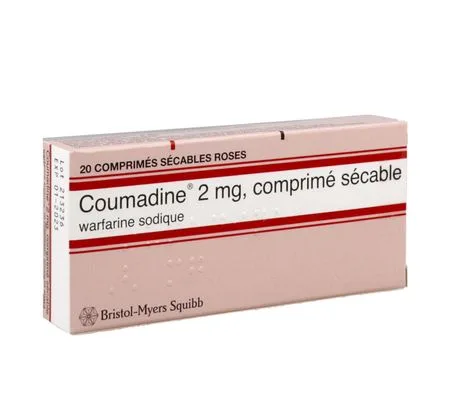
COUMADINE 2 mg, scored tablet
Composition
Warfarin sodium..................................................................................................................................................2 mg
For a scored tablet.
Excipient with known effect: lactose
Pregelatinised tapioca starch, lactose monohydrate, stearic acid, magnesium stearate, red iron oxide (E172).
Indications
- Embolic cardiopathies: prevention of thrombo-embolic complications associated with certain atrial rhythm disorders (atrial fibrillation, flutter, atrial tachycardia), certain mitral valvulopathies, valve prostheses.
- Prevention of thrombo-embolic complications of complicated myocardial infarction: mural thrombus, severe left ventricular dysfunction, embolic dyskinesia..., as a relay to heparin.
- Treatment of deep vein thromboses and pulmonary embolism as well as prevention of their recurrence, as a relay to heparin.
These indications are detailed in section 4.2 biological monitoring.
Dosage and administration
Dosage
Due to significant inter-individual variability, the dosage of vitamin K antagonist (VKA) is strictly individual.
The initial dose, always a trial dose, should be as close as possible to the maintenance dose. It is usually 5 mg, to be adjusted according to biological results.
Do not use a loading dose.
In subjects with a particular bleeding risk (weight < 50 kg, elderly subject, hepatic insufficiency), the initial dose is usually lower.
Biological monitoring of VKA treatment is essential and is based on the INR. The maintenance dose will be determined by adjusting the initial dose according to the INR (see below).
The patient should be clearly warned of the existence of two dosages of COUMADINE of different colours and of the risk of confusion.
Posology in the elderly and very elderly
Treatment should be started with a lower dose. Indeed, the average maintenance dose is lower in the elderly than in young subjects, usually 1/2 to 3/4 of the dose (see section .4.4).
For the elderly, the initiation dose will be halved to around 4 mg per day and the maintenance dose will be of the order of 3 mg per day.
Paediatric population
Experience with oral anticoagulants in children remains limited. Initiation and monitoring of treatment fall under a specialised department.
VKAs should be avoided as much as possible in infants under one month of age.
For this oral anticoagulant, dosages in children are based both on practical experience and on data from paediatric studies.
The average dose to be administered orally to achieve a target INR at steady state between 2 and 3 must be calculated according to age but especially according to weight:
In children aged over 3 years, the dose per kg of body weight approaches that of adults.
In children aged under 3 years, and in particular before 12 months, the average doses used are higher and more variable from one child to another than in older children.
An initial dose recommended to achieve a steady-state INR between 2 and 3 is proposed for guidance in the table below. It is always provisional and should be as close as possible to the expected steady-state dose.
In practice, for this medicine, the recommended initial dose corresponds to the average of the doses used by specialists.
Recommended initial doses in mg/kg/day
|
|
< 12 months |
12 months – 10 years |
11 years -18 years |
|
Warfarin average dose at steady state |
0.32 |
0.10 - 0.20 |
0.09 |
The administration schedule (once or twice daily) and biological monitoring by INR allowing adjustment of the daily dose follow the same principles as in adults. Once the target INR is reached, the interval between 2 INR determinations must not exceed 15 days. In children, changes in diet, drug interactions and intercurrent infections cause significant variations in INR. In children under 3 years, one must also take into account greater INR variability and difficulties related to use of this product (regurgitation, control of doses taken, frequency of blood sampling, etc.).
Infants and children receiving a diet enriched in vitamin K, in particular infant formulas, may show resistance to treatment with warfarin.
Biological monitoring and dose adjustment
The appropriate biological test for monitoring VKAs is the INR.
The INR or International Normalized Ratio is a way of expressing Quick time, which takes into account the sensitivity of the reagent (thromboplastin) used to perform the test.
This way of expressing results reduces causes of inter-laboratory variability and allows better monitoring of treatment than the former prothrombin level (PT).
In the absence of any VKA treatment, the INR of a normal subject is < 1.2.
In most situations (see table below), an INR between 2 and 3 with a target value of 2,5 is sought, meaning that:
- the ideal INR to aim for is 2,5,
- an INR below 2 reflects insufficient anticoagulation,
- an INR above 3 indicates excessive anticoagulation,
- an INR above 4 provides no additional therapeutic benefit in most patients.
In all cases, an INR above 5 is associated with a bleeding risk (see management in case of overdose section 4.9).
Keeping the INR within therapeutic limits does not eliminate the risk of bleeding.
Elderly subject: the target INR is the same as in younger subjects.
Frequency of biological monitoring
Before starting treatment, it is recommended to check the INR in order to detect any coagulation disorders and thus best adjust the initial dose.
The first check must be carried out after the 3th intake of AVK (that is, the morning of the 4th day), to detect individual hypersensitivity: an INR greater than 2 indicates overdosage at steady state and requires dose reduction.
The second check is carried out based on the results of the first INR, to assess anticoagulant efficacy (depending on the case, between 3 to 6 days after the 1er check).
Subsequent checks should be performed (1 to 2 times per week) until the INR stabilises, then with progressive spacing up to a maximum interval of 1 month. Balance of treatment is sometimes achieved only after several weeks.
After a dose change, the first check should be done 3 days after a dose modification; checks must be repeated until stabilisation (1 to 2 times per week).
Recommended INR and treatment durations
The recommended therapeutic ranges and treatment durations are specified in the table below, according to the main situations. They are consistent with current French and international recommendations.
Bridging from heparin therapy
Case of stable non-valvular atrial fibrillation (NVAF) managed on an outpatient basis:
In patients managed for stable non-valvular atrial fibrillation (NVAF) on an outpatient basis, at treatment initiation, heparin-AVK bridging is not indicated (see section Warnings and precautions.).
Due to the latency of the anticoagulant effect of AVKs, heparin must be maintained at an unchanged dose for the entire period necessary, at least 5 days and until the INR is within the target therapeutic range for 2 consecutive days.
When AVKs have been stopped following a major haemorrhage, and once bleeding is controlled, and if the indication for AVKs is maintained, treatment with unfractionated heparin or LMWH at therapeutic dose is recommended in parallel with the resumption of AVKs. It is recommended that reintroduction of oral anticoagulation take place in a hospital setting, under clinical and biological monitoring.
In cases of heparin-induced thrombocytopenia (HIT type II) and heparin-induced thrombocytopenia with thrombotic syndrome (HITTS), it is not advisable to introduce AVKs early upon discontinuation of heparin, because of the risk of hypercoagulability due to early decrease of protein S (anticoagulant). AVKs should only be administered after initiation of a rapid-acting non-heparin anticoagulant (danaparoid or hirudin) and when the platelet count is again above 100 Giga/L.
Missed dose
If a dose is missed, it may be taken within 8 hours of the usual administration time. After this period, it is preferable not to take the missed dose and to resume the next dose at the usual time, and the patient must not take a double dose to compensate for the missed dose. The patient should report a missed dose at the INR check and note it in their monitoring booklet.
INR recommendations and treatment duration
- Prevention of arterial and venous thromboembolic complications of emboligenic cardiopathies
|
Indications |
INR recommendations - treatment duration |
|
Supraventricular rhythm disorders (atrial fibrillation and atrial flutter) under the following conditions |
Target 2.5; INR 2 to 3;
|
|
< 75 years with risk factors* |
|
|
> 75 years** |
|
|
* history of transient or established ischaemic cerebral accident, arterial hypertension, heart failure, diabetes. |
|
|
In the absence of risk factor(s) before 75 years, prescription of aspirin is recommended. |
|
|
**after careful assessment of the benefit/risk ratio (see section 4.4) |
|
|
Mitral valvulopathies (particularly mitral stenosis) if risk factor(s) present: AF or flutter, history of thromboembolism, left atrial dilation and/or spontaneous echo contrast detected on transesophageal echocardiography and/or left intra-atrial thrombus on echocardiogram. |
|
|
(particularly mitral stenosis mitral stenosis) if risk factor(s) present: AF or flutter, history of thromboembolism, left atrial dilation and/or spontaneous echo contrast detected on transesophageal echocardiography and/or left intra-atrial thrombus on echocardiogram. |
Target 2.5; INR 2 to 3;
|
|
Valve prostheses |
|
|
Target INR depending on prosthesis type and patient characteristics (see table below);
|
|
Target 2.5; INR 2 to 3; 3 months |
Recommended target INRs for mechanical prostheses
|
Intrinsic thrombogenic risk of prosthesesa |
Patient-related risk factorsb |
|
|
|
No risk factor |
> 1 risk factor |
|
|
|
Low |
2,5 |
3,0 |
|
|
Moderate |
3,0 |
3,5 |
|
|
High |
3,5 |
4,0 |
|
a Thrombogenic risk of mechanical prostheses:
Low: prostheses that have demonstrated efficacy with moderate anticoagulation
High: older-generation prostheses, particularly ball-in-cage
Moderate: all other prostheses, including those recently introduced.
b Patient-related risk factors: mitral, tricuspid or pulmonary prosthesis position; history of thromboembolism; large LA > 50 mm; mitral stenosis regardless of degree; LVEF < 35 %; certain atrial rhythm disorders such as AF, flutter, atrial tachycardia.
- Prevention of thromboembolic complications of complicated myocardial infarction: mural thrombus, severe left ventricular dysfunction, emboligenic dyskinesia
|
INR recommendations - |
Target 2.5; INR 2 to 3; |
|
|
duration of treatment |
at least 3 months (continuation of treatment to be discussed on a case-by-case basis) |
|
- Treatment of deep vein thrombosis and pulmonary embolism as well as prevention of their recurrence, as a bridge from heparin
|
INR recommendations - |
target 2.5; INR 2 to 3; |
|
|
duration of treatment |
minimum duration of 3 months to be adjusted according to clinical context and the presence of modulating factors (see table below) |
|
|
Clinical context of venous thromboembolic disease (VTE) |
Duration of treatment* |
|
|
VTE with major transient triggering factor (surgery, prolonged immobilisation of 3 days or more, fracture of the lower limbs within the last 3 months) |
3 months |
|
|
VTE with major persistent risk factor (cancer under treatment, antiphospholipid syndrome) |
> 6 months, as long as the factor persists |
|
|
Idiopathic VTE |
> 6 months |
|
*The duration of treatment may be extended or reduced in the presence of modulating factors such as known major thrombophilia, recurrence of VTE, high bleeding risk, INR instability…
Method of administration
ORAL USE.
Swallow the tablets with a glass of water.
Administration schedule
This medicine must be administered as a single intake per day. It is preferable that the intake takes place in the evening, so that the dose can be modified as soon as possible after the INR results.
Contraindications
This medicine is contraindicated in the following cases:
- Known hypersensitivity to warfarin, or to any of the excipients
- Malignant hypertension
- Severe hepatic impairment
- In case of association with the following medicines (see section .4.5) :
- Acetylsalicylic acid:
- for anti-inflammatory doses of acetylsalicylic acid (> 1 g per intake and/or > 3 g per day),
- for analgesic or antipyretic doses (> 500 mg per intake and/or < 3 g per day) and in case of a history of gastroduodenal ulcer.
- Miconazole used by the gastroduodenal route
- Pyrazolone NSAIDs: phenylbutazone (all forms of phenylbutazone including topical)
- In case of association with St John's wort
- Pregnancy, except in pregnant women with a mechanical heart valve, who have a high risk of thromboembolism (see sections 4.4 and 4.6).
Warnings and precautions
Special warnings
Before deciding to initiate treatment with a VKA, particular attention will be paid to the patient's cognitive functions as well as the psychological and social context, due to the constraints associated with the treatment.
The bleeding risk is the main risk of treatment with a VKA.
The risk of thrombosis in case of insufficient (underdosed) treatment must also be taken into account.
This medicine is generally not recommended:
- in case of bleeding risk
The decision to start or continue treatment with a VKA must be made according to the benefit/risk ratio specific to each patient and each situation. Risk situations are in particular the following:
- organic lesion likely to bleed,
- recent neurosurgical or ophthalmologic intervention or possibility of surgical re-intervention,
- recent or active gastroduodenal ulcer,
- oesophageal varices,
- uncontrolled arterial hypertension,
- history of haemorrhagic cerebrovascular accident (except in case of systemic embolism),
- history of very variable INRs,
- anaemia,
- malignant tumour,
- renal failure,
- certain genetic factors,
- in case of severe renal failure (creatinine clearance < 20 ml/min),
- in association with (see section 4.5.)
- acetylsalicylic acid:
- for analgesic or antipyretic doses (> 500 mg per dose and/or < 3 g per day) in the absence of a history of gastroduodenal ulcer,
- for antiplatelet doses (of 50 mg to 375 mg per day) and in case of a history of gastroduodenal ulcer.
- NSAIDs (except pyrazolone NSAIDs: phenylbutazone, see section 4.3.
- 5-fluorouracil and by extrapolation tegafur and capecitabine.
- defibrotide.
- imatinib.
- noscapine.
The patient must be informed of the bleeding risk and trained in the proper monitoring of their treatment. In particular, it is necessary to emphasise the need:
- to take their treatment without forgetting, every day at the same time;
- regularly perform biological monitoring (INR), preferably in the same laboratory;
- be very vigilant about associated medications, which may disrupt the balance of the treatment (see section 4.5.).
Giving the patient the information and monitoring booklet provided for AVK treatment and using it is recommended.
Due to the latency period of several days, AVKs are not an emergency treatment.
The risk of bleeding accidents is highest during the first months of treatment. Monitoring must therefore be particularly rigorous during this period, especially when a hospitalized patient returns home.
In case of bleeding during anticoagulant treatment, overdose should be investigated by performing an INR (see section .4.9) In the absence of overdose, the origin of the bleeding should be sought and, if possible, treated. In addition, a temporary therapeutic adjustment will be discussed depending on the indication and the situation.
Lumbar puncture should be discussed taking into account the risk of intraspinal bleeding. It should be postponed whenever possible. It is an invasive procedure that justifies stopping AVK treatment, with bridging by heparin if necessary, or even neutralization of AVK treatment in an emergency (see paragraph Surgery or invasive medical procedures under AVK below).
During anticoagulant treatment, avoid intramuscular injections, which may cause hematomas.
AVK-low-dose aspirin association:
In patients with an indication for AVKs who require low doses of aspirin (75 - 100 mg) due to a confirmed arterial disease, the combination of AVK and low-dose aspirin must be based on an individual analysis of thromboembolic and bleeding risks.
Exposure to COUMADINE during pregnancy leads to an increased risk of major congenital malformations (embryopathy and fetotoxicity), fetal and/or neonatal hemorrhage, and an increased risk of spontaneous abortion and fetal mortality.
Therefore, women of childbearing potential must be fully informed of the risks in case of exposure during pregnancy, of the need to use effective contraception during treatment and up to 10 days after its discontinuation, and of anticipating a pregnancy plan in order to allow switching to a safer therapeutic alternative (see section Fertility, pregnancy and breastfeeding).
In pregnant women, prescription of warfarin is contraindicated, except in exceptional circumstances (see sections Contraindications, Warnings and precautions "Use in pregnant women with a mechanical heart valve" and 4.6).
This medicinal product contains lactose. Its use is not recommended in patients with galactose intolerance, Lapp lactase deficiency or glucose-galactose malabsorption syndrome (rare hereditary diseases).
Precautions for use
In elderly and very elderly subjects, the risk of bleeding is high. Therefore, initiating vitamin K antagonist treatment, as well as continuing it, should only occur after a careful assessment of the benefit/risk ratio. The decision to treat and its monitoring must in particular take into account the particular risks related to the patient's condition:
- frequency of associated pathologies and therapeutic combinations,
- frequency and severity of bleeding accidents, particularly related to the risk of falls,
- risk of impaired cognitive function leading to a risk of medication intake error.
The risk of overdose, particularly at the start of treatment, must be closely monitored.
In case of severe renal impairment, this medicine is generally not recommended. However, where it is used, the initial doses administered should be lower and INR monitoring more frequent.
The dosage will be adjusted and monitoring increased in case of:
- moderate hepatic impairment,
- hypoproteinemia,
- during any intercurrent pathological event, particularly acute infectious episodes or disturbances of intestinal flora, such as sprue or those observed during antibiotic therapy,
- Polycythemia vera,
- vasculitis,
- diabetes mellitus,
- poor nutritional status,
- vitamin K deficiency,
- of hereditary resistance to warfarin.
Vitamin K intake
Dietary vitamin K intake must be regular, so as not to disturb the balance of the INR. The foods richest in vitamin K are: cabbages (curly kale, Brussels sprouts, white cabbage, broccoli, ...), spinach, asparagus.
Surgery or invasive medical procedures under VKAs
In the case of surgery or invasive medical procedures, several approaches are possible and must be discussed according to the patient's own thrombotic risk and bleeding risk, linked in particular to the type of surgery.
Procedures that may be performed without interrupting VKAs
Treatment with VKAs, with the INR maintained within the usual therapeutic range (2 to 3), may be continued during certain surgeries or invasive procedures, responsible for infrequent, low-intensity or easily controlled bleeding. Local haemostatic measures may prove necessary. However, the intake of other medicines interfering with haemostasis, or the existence of a comorbidity, increases the bleeding risk and may lead to choosing to interrupt VKAs. These situations concern: skin surgery, cataract surgery, low-bleeding-risk rheumatology procedures, certain oral and dental surgery procedures, certain digestive endoscopy procedures.
Anticoagulant-related nephropathy
In patients whose glomerular function is impaired or who have a history of kidney disease, acute renal failure may occur, potentially linked to episodes of excessive anticoagulation and haematuria. A few cases have been reported in patients without pre-existing kidney disease. Close monitoring including assessment of renal function is recommended in patients with a supratherapeutic INR and haematuria (including microscopic).
Calciphylaxis
Calciphylaxis is a rare syndrome of vascular calcification with skin necrosis, associated with high mortality. This condition is mainly observed in patients on dialysis at the end stage of kidney disease or in patients presenting with known risk factors such as protein C or S deficiency, hyperphosphataemia, hypercalcaemia or hypoalbuminaemia. Rare cases of calciphylaxis have been reported in patients taking vitamin K antagonists, including COUMADINE, also in the absence of kidney disease. When calciphylaxis is diagnosed, appropriate treatment must be initiated and discontinuation of COUMADINE treatment should be considered.
Tissue necrosis
Necrosis and/or gangrene of the skin and other tissues is a rare (< 0.1 %) but serious risk. Necrosis may be associated with local thrombosis and usually appears a few days after starting COUMADINE treatment and often with the administration of high initial doses, particularly in the case of protein C or S deficiency.
In extreme cases of necrosis, treatment by debridement, skin grafting or amputation of the affected tissues, limb, breast or penis has been necessary. Careful clinical assessment is required to determine whether the necrosis was caused by an underlying disease.
In the case of known congenital protein S or C deficiency, the administration of VKAs must always be carried out with progressive dose escalation, under cover of heparin therapy and, in the case of severe protein C deficiency (< 20 %), infusion of protein C concentrate at the introduction of VKAs may be discussed to prevent the occurrence of skin necrosis observed at the introduction of VKAs.
If necrosis appears, COUMADINE treatment must be stopped and administration of vitamin K may be considered. If anticoagulant treatment is necessary, consider using another non-vitamin K antagonist anticoagulant.
Systemic atheromatous emboli and cholesterol microemboli
Anticoagulant treatment with COUMADINE may increase the release of atheromatous plaque microemboli. These systemic atheroemboli and cholesterol emboli may present a variety of signs and symptoms depending on the site of embolisation. The visceral organs most involved are the kidneys, then the pancreas, spleen and liver. A few cases have progressed to necrosis or death. A particular syndrome is known as "blue toe syndrome". If this phenomenon appears, COUMADINE treatment must be stopped. If anticoagulant treatment is necessary, consider using another anticoagulant.
Situations requiring bridging with heparin, if interruption of VKAs is necessary for a scheduled procedure
- If interruption of VKAs is necessary for a scheduled procedure, when the thromboembolic risk depending on the indication for VKA treatment is high, pre- and post-operative bridging with heparin at therapeutic doses (unfractionated heparin or LMWH if not contraindicated) is recommended.
Interruption will take place 4 to 5 days before the procedure under INR monitoring, procedure when the INR is below 1,5, then post-operative resumption of VKA treatment, possibly under cover of heparin therapy as long as the INR is below 2.
In patients with mechanical cardiac valves, pre- and post-operative bridging is recommended whatever the type of mechanical valve prosthesis.
In patients with AF, high thromboembolic risk is defined by a history of transient or permanent ischaemic stroke, or systemic embolism.
In patients with a history of VTE, high thromboembolic risk is defined by an event (DVT and/or PE) dating back less than 3 months, or recurrent idiopathic thromboembolic disease (number of episodes > 2, at least one event without a triggering factor).
Initiation of treatment in stable patients with non-valvular atrial fibrillation
- The use of heparin-VKA bridging should be avoided because of the increased risk of haemorrhage.
- In other cases, post-operative bridging with heparin at therapeutic doses is recommended when resumption of VKAs within 24 to 48 hours post-operatively is not possible due to unavailability of the enteral route.
Preoperative management of the patient for urgent surgery or an urgent invasive procedure with bleeding risk
In the case of URGENT surgery or invasive procedure (an urgent procedure is defined as a timeframe for intervention that does not allow an INR target of < 1,5, or 1,2 in neurosurgery to be reached) with bleeding risk (abdominal surgery, orthopaedic surgery, neurosurgery, lumbar puncture), the INR must be measured on admission of the patient.】
The management to be followed is then as follows:
- Administration of prothrombin complex concentrates (PCC, also called PPSB such as Kaskadil and Octaplex) is recommended.
- Association of 5 mg of vitamin K with the administration of prothrombin complex concentrates, unless correction of haemostasis is necessary for less than 4 hours. Enteral administration should be preferred, when possible.
- Performance of an INR within 30 minutes following administration of PCC and before performing the recommended surgery or invasive procedure. In case of insufficiently corrected INR, it is recommended to administer an additional dose of PCC, adapted to the INR value according to the SmPC recommendations of the medicinal product.
- Performance of an INR 6 to 8 hours after antagonisation is recommended.
Use in pregnant women with a mechanical heart valve
- Due to the proven teratogenic, foetotoxic and neonatal effects of warfarin when administered to a pregnant woman, COUMADINE is contraindicated during pregnancy. Nevertheless, in pregnant women with a mechanical heart valve and at high risk of thromboembolism, the potential benefits of COUMADINE may outweigh the risks. In this situation, the decision to start or continue treatment with COUMADINE should be discussed with the patient, taking into account, for each patient, the specific risks and benefits linked to her medical situation as well as the most up-to-date medical recommendations.
If COUMADINE is used during pregnancy or if pregnancy is discovered during treatment, the patient must be fully informed of the risks to the foetus (see sections 4.3 and 4.6).
Interactions
The medicinal products likely to interact with VKAs are very numerous.
If another treatment must be started, modified or stopped, it is necessary to perform an INR check 3 to 4 days after each modification.
Carefully read the package leaflet of any medicine taken at the same time as COUMADINE. You will obtain all information on interactions with COUMADINE or on adverse reactions relating to bleeding.
+ Interactions with CYP 450
Cytochrome P450, including CYP2C9, 2C19, 2C8, 2C18, 1A2, and 3A4 is involved in the metabolism of warfarin. Inhibitors of CYP2C9, 1A2, and/or 3A4 have the potential to increase the effect of warfarin. Inducers of CYP2C9, 1A2, and/or 3A4 have the potential to decrease the effect (decrease in INR).
Contraindicated combinations
+ Acetylsalicylic acid
For anti-inflammatory doses of acetylsalicylic acid (> 1 g per intake and/or > 3 g per day) for analgesic or antipyretic doses (> 500 mg per dose and/or < 3 g per day) and in case of a history of gastroduodenal ulcer.
Increased risk of haemorrhage, particularly in cases of a history of gastroduodenal ulcer.
+ Pyrazolone NSAID: phenylbutazone
For all forms of phenylbutazone, including topical:
Increased bleeding risk of the oral anticoagulant (aggression of the gastroduodenal mucosa by non-steroidal anti-inflammatory drugs).
+ Miconazole (systemic route and oral gel)
Unpredictable haemorrhages which may possibly be serious.
+ St John's wort
Decrease in plasma concentrations of the oral anticoagulant, due to its enzyme-inducing effect with a risk of reduced efficacy, or even loss of efficacy, the consequences of which may possibly be serious (thrombotic event).
In case of incidental association, do not abruptly interrupt intake of St John's wort but monitor the INR before and after discontinuation of St John's wort.
Combinations not recommended
+ Acetylsalicylic acid
For analgesic or antipyretic doses (> 500 mg per dose and/or < 3 g per day) in the absence of a history of gastroduodenal ulcer. Increased bleeding risk.
For antiplatelet doses (from 50 mg to 375 mg per day) and in case of a history of gastroduodenal ulcer.
Increased bleeding risk. Need for monitoring, in particular of bleeding time.
+ NSAIDs (except pyrazolone NSAIDs, see contraindicated associations)
Increased bleeding risk with the oral anticoagulant (damage to the gastroduodenal mucosa by non-steroidal anti-inflammatory drugs).
If the combination cannot be avoided, close clinical and biological monitoring.
+ Defibrotide
Increased bleeding risk.
+ Imatinib
Increased bleeding risk. For apixaban and rivaroxaban, risk of decreased metabolism by imatinib, in addition to the pharmacodynamic risk.
If the combination cannot be avoided, close clinical and biological monitoring.
For vitamin K antagonists, more frequent INR monitoring.
+ Fluorouracil (and, by extrapolation, tegafur and capecitabine)
Significant increase in the effect of the oral anticoagulant and in bleeding risk.
If it cannot be avoided, more frequent INR monitoring. Adjustment of the oral anticoagulant dose during treatment with the cytotoxic agent and 8 days after its discontinuation.
+ Noscapine
Increased effect of the vitamin K antagonist and bleeding risk.
Associations subject to Precautions for use
+ Allopurinol
Increased effect of the anticoagulant and bleeding risk (decreased hepatic metabolism).
More frequent INR monitoring.
Possible adjustment of the oral anticoagulant dose during treatment with allopurinol and 8 days after its discontinuation.
+ Alpha-Tocopherol
With vitamin E used at doses greater than or equal to 500 mg/day: increased effect of the vitamin K antagonist and bleeding risk.
More frequent INR monitoring. Possible adjustment of the vitamin K antagonist dose during treatment with vitamin E and after its discontinuation.
+ Aminoglutethimide (described for warfarin and acenocoumarol)
Decreased effect of the oral anticoagulant (increased hepatic metabolism).
More frequent INR monitoring.
Possible adjustment of the oral anticoagulant dose during treatment with aminoglutethimide and 2 weeks after its discontinuation.
+ Amiodarone
Increase in the effect of the oral anticoagulant and of the haemorrhagic risk.
More frequent INR monitoring.
Possible adjustment of the oral anticoagulant dose during treatment with amiodarone and 8 days after its discontinuation.
+ Androgens
Variation in anticoagulant effect (modification of hepatic synthesis of coagulation factors with a tendency to increase the effect of the oral anticoagulant).
More frequent INR monitoring.
Possible adjustment of the oral anticoagulant dosage during treatment with the androgen and 8 days after its discontinuation.
+ Enzyme-inducing anticonvulsants (carbamazepine, fosphenytoin, phenobarbital, phenytoin, primidone)
Decrease (or, rarely, increase with phenytoin) in the effect of the oral anticoagulant due to increased hepatic metabolism by the enzyme-inducing anticonvulsant.
More frequent INR monitoring.
Possible adjustment of the oral anticoagulant dosage during treatment with the enzyme-inducing anticonvulsant and 8 days after its discontinuation.
+ Antipurines
Decrease in the effect of the vitamin K antagonist due to increased hepatic metabolism.
More frequent monitoring of the INR. Possible adjustment of the vitamin K antagonist dosage when starting and after discontinuing treatment with the immunomodulator.
+ Aprepitant
Risk of decreased effect of the oral anticoagulant due to increased hepatic metabolism by aprepitant.
More frequent INR monitoring.
Adjustment of the oral anticoagulant dosage during and after the combination.
+ Azathioprine
Decrease in the effect of the oral anticoagulant due to increased hepatic metabolism.
More frequent INR monitoring.
Possible adjustment of the oral anticoagulant dosage when starting and after discontinuing treatment with the immunosuppressant (or cytotoxic agent).
+ Bosentan
Decrease in the effect of the oral anticoagulant due to increased hepatic metabolism.
More frequent monitoring of the INR and possible adjustment of the oral anticoagulant dosage.
+ Cephalosporins (cefamandole, cefoperazone, cefotetan, ceftriaxone)
Increase in the effect of the oral anticoagulant and of the haemorrhagic risk.
More frequent INR monitoring.
Possible adjustment of the oral anticoagulant dosage during treatment with the cephalosporin and after its discontinuation.
+ Cimetidine (at doses > 800 mg/day)
Increase in the effect of the oral anticoagulant and in bleeding risk (decreased hepatic metabolism)
More frequent INR monitoring.
Possible adjustment of the oral anticoagulant dosage during treatment with cimetidine and 8 days after its discontinuation.
+ Clindamycin
Increase in the effect of the oral anticoagulant and of the haemorrhagic risk.
More frequent INR monitoring.
Possible adjustment of the oral anticoagulant dosage during treatment with the cephalosporin and after its discontinuation.
+ Cobicistat
Risk of increased plasma concentrations of the vitamin K antagonist due to cobicistat.
More frequent monitoring of the INR and possible adjustment of the vitamin K antagonist dosage during the combination.
+ Cisapride
Increase in anticoagulant effect and bleeding risk.
More frequent INR monitoring.
Possible adjustment of the oral anticoagulant dosage during treatment with cisapride and 8 days after its discontinuation.
+ Colchicine
Increase in the effect of the oral anticoagulant and of the haemorrhagic risk.
More frequent INR monitoring.
Possible adjustment of the oral anticoagulant dosage during treatment with colchicine and 8 days after its discontinuation.
+ Colestyramine
Decreased effect of the oral anticoagulant (decreased intestinal absorption).
Take colestyramine at a distance from the oral anticoagulant (more than 2 hours, if possible)
+ Tetracyclines
Increase in anticoagulant effect and bleeding risk.
More frequent INR monitoring.
Possible adjustment of the oral anticoagulant dosage during treatment with the cycline and after its discontinuation.
+ Danazol
Increased bleeding risk through direct effect on coagulation and/or fibrinolytic systems.
More frequent INR monitoring.
Adjustment of the vitamin K antagonist dosage during treatment with danazol and after its discontinuation.
+ Disulfiram
More frequent INR monitoring. Adjustment of the vitamin K antagonist dosage during treatment with disulfiram and 8 days after its discontinuation.
Increased effect of the vitamin K antagonist and risk of bleeding.
+ Dronedarone
More frequent INR monitoring. Possible adjustment of the vitamin K antagonist dosage
+ Econazole
Regardless of the route of administration of econazole: increased effect of the oral anticoagulant and bleeding risk.
More frequent INR monitoring.
Possible adjustment of the oral anticoagulant dosage during treatment with econazole and after its discontinuation.
+ Fibrates
Increase in the effect of the oral anticoagulant and of the haemorrhagic risk.
More frequent INR monitoring.
Possible adjustment of the oral anticoagulant dosage during treatment with the combination and 8 days after its discontinuation.
+ Fluconazole, itraconazole, voriconazole
Increase in the effect of the oral anticoagulant and of the haemorrhagic risk.
More frequent INR monitoring.
Possible adjustment of the oral anticoagulant dosage during treatment with the azole and 8 days after its discontinuation.
+ Fluoroquinolones (ofloxacin, pefloxacin, enoxacin, lomefloxacin, moxifloxacin, ciprofloxacin, levofloxacin, norfloxacin)
Increase in the effect of the oral anticoagulant and of the haemorrhagic risk.
More frequent INR monitoring.
Possible adjustment of the oral anticoagulant dosage during treatment with the fluoroquinolone and after its discontinuation.
+ Glucocorticoids (except hydrocortisone in replacement therapy) (systemic and rectal routes)
Possible impact of corticotherapy on the metabolism of oral anticoagulants and on that of coagulation factors.
Bleeding risk specific to corticotherapy (digestive mucosa, vascular fragility) at high doses or during prolonged treatment exceeding 10 days.
When the combination is justified, reinforce monitoring: biological monitoring at 8th day, then every 15 days during corticotherapy and after its discontinuation.
For methylprednisolone (as a bolus of 0,5 to 1 g): increased effect of the oral anticoagulant and bleeding risk.
INR monitoring 2 to 4 days after the methylprednisolone bolus or in the presence of any bleeding signs.
+ Glucosamine
More frequent INR monitoring
+ Griseofulvin
Decreased effect of the oral anticoagulant through increased hepatic metabolism by griseofulvin.
More frequent INR monitoring.
Possible adjustment of the oral anticoagulant dosage during treatment with griseofulvin and 8 days after its discontinuation.
+ Low molecular weight heparins and related agents and unfractionated heparins (at curative doses and/or in elderly subjects)
Increased risk of bleeding.
When switching from heparin to oral anticoagulant, reinforce clinical monitoring.
+ Thyroid hormones: levothyroxine, liothyronine sodium, thyroxines, tiratricol
Increase in oral anticoagulant effect and bleeding risk (increased metabolism of prothrombin complex factors). More frequent INR monitoring.
Possible adjustment of the oral anticoagulant dosage when initiating treatment for hypothyroidism or thyroid hormone overdose. Such monitoring is not necessary in patients on stable thyroid replacement therapy.
+ Selective serotonin reuptake inhibitors
Increased bleeding risk. Clinical monitoring and, if necessary, more frequent INR monitoring.
Possible adjustment of the oral anticoagulant dosage during the combination and upon its discontinuation.
+ HMG CoA reductase inhibitors (Statins)
Increase in the effect of the oral anticoagulant and of the haemorrhagic risk.
More frequent INR monitoring. Possible adjustment of the oral anticoagulant dosage.
+ Ritonavir-boosted protease inhibitors
More frequent INR monitoring. Possible adjustment of the vitamin K antagonist dosage during the duration of treatment.
Variation in the effect of the vitamin K antagonist, most often in the direction of a decrease.
+ Ipilimumab
Increased risk of gastrointestinal bleeding. Close clinical monitoring.
+ Mixed adrenergic-serotonergic agents
Increased bleeding risk. Clinical monitoring and, if necessary, more frequent INR monitoring.
Possible adjustment of the oral anticoagulant dosage during the combination and upon its discontinuation.
+ Macrolides (azithromycin, clarithromycin, dirithromycin, erythromycin, josamycin, midecamycin, roxithromycin, telithromycin, troleandomycin)
Increase in oral anticoagulant effect and bleeding risk.
More frequent INR monitoring.
Possible adjustment of the oral anticoagulant dosage during treatment with the macrolide and after its discontinuation.
+ Mercaptopurine
Decrease in the effect of the oral anticoagulant due to increased hepatic metabolism.
More frequent INR monitoring.
Possible adjustment of the oral anticoagulant dosage when starting and after discontinuing treatment with the immunosuppressant (or cytotoxic agent).
+ Nevirapine, efavirenz
Decrease in the effect of the oral anticoagulant due to increased hepatic metabolism.
More frequent INR monitoring.
Possible adjustment of the oral anticoagulant dosage
+ Levocarnitine
Decrease in the effect of the oral anticoagulant due to increased hepatic metabolism.
More frequent monitoring of the INR and possible adjustment of the oral anticoagulant dosage.
More frequent INR monitoring. Possible adjustment of the vitamin K antagonist dosage during treatment with levocarnitine and 8 days after its discontinuation.
+ Nitro-5-imidazoles (metronidazole, ornidazole, secnidazole, tinidazole)
Increase in oral anticoagulant effect and bleeding risk due to decreased hepatic metabolism.
More frequent INR monitoring.
Possible adjustment of the oral anticoagulant dosage during treatment with these imidazoles and 8 days after their discontinuation.
+ Orlistat
Increase in the effect of the oral anticoagulant and of the haemorrhagic risk.
More frequent INR monitoring.
Possible adjustment of the oral anticoagulant dosage during treatment with orlistat and after its discontinuation.
+ Paracetamol
If paracetamol is taken at maximum doses (4 g/day) for at least 4 days, there is a risk of increased effect of the oral anticoagulant and of bleeding risk
More frequent INR monitoring.
Possible adjustment of the oral anticoagulant dosage during treatment with paracetamol and after its discontinuation.
+ Pentoxifylline
Increased risk of bleeding.
More frequent INR monitoring.
Possible adjustment of the oral anticoagulant dosage during treatment with pentoxifylline and 8 days after its discontinuation.
+ Proguanil
Risk of increased oral anticoagulant effect and bleeding risk.
More frequent INR monitoring.
Possible adjustment of the oral anticoagulant dosage during treatment with proguanil and after its discontinuation.
+ Propafenone
Increase in anticoagulant effect and bleeding risk.
Mechanism proposed: inhibition of oxidative metabolism of the oral anticoagulant. More frequent INR monitoring.
Possible adjustment of the oral anticoagulant dosage during treatment with propafenone and after its discontinuation.
+ Rifampicin
Decreased effect of the oral anticoagulant (increased hepatic metabolism).
More frequent INR monitoring.
Possible adjustment of the oral anticoagulant dosage during treatment with rifampicin and 8 days after its discontinuation.
+ Ropinirole
Increased risk of bleeding.
More frequent INR monitoring. Possible adjustment of the vitamin K antagonist dosage during treatment with ropinirole and after its discontinuation.
+ Ritonavir
Variation in the effect of the oral anticoagulant, most often in the direction of a decrease.
More frequent INR monitoring.
Possible adjustment of the oral anticoagulant dosage during treatment with ritonavir.
+ Sucralfate
Decreased digestive absorption of the oral anticoagulant. Take sucralfate at a distance from the oral anticoagulant (more than two hours if possible).
+ Sulfamethoxazole, sulfafurazole, sulfamethizole
Increase in the effect of the oral anticoagulant and of the haemorrhagic risk.
More frequent INR monitoring.
Possible adjustment of the oral anticoagulant dosage during anti-infective treatment and 8 days after its discontinuation.
+ Tamoxifen
Risk of increased anticoagulant effect and bleeding risk.
More frequent INR monitoring.
Possible adjustment of the oral anticoagulant dosage.
+ Tibolone
Increase in oral anticoagulant effect and bleeding risk.
More frequent INR monitoring.
Possible adjustment of the oral anticoagulant dosage during treatment with tibolone and after its discontinuation.
+ Tramadol
Risk of increased effect of the oral anticoagulant and bleeding risk.
More frequent INR monitoring.
Possible adjustment of the oral anticoagulant dosage during treatment with tramadol and after its discontinuation.
+ Viloxazine
Increase in anticoagulant effect and bleeding risk.
More frequent INR monitoring.
Possible adjustment of the oral anticoagulant dosage during treatment with viloxazine and after its discontinuation.
Associations to be taken into account
+ Other oral anticoagulants
Risk of increased bleeding events when switching from one oral anticoagulant to another.
Take into account the half-life of the oral anticoagulant and observe, where applicable, a washout period before starting treatment with the other.
Remember to inform the patient.
+ Alcohol
Possible variations in anticoagulant effect: increase in cases of acute intoxication, decrease in cases of chronic alcoholism (increased metabolism).
+ Antiplatelet agents
Increased risk of bleeding.
+ Acetylsalicylic acid at antiplatelet doses (from 50 mg to 375 mg per day) in the absence of a history of gastroduodenal ulcer
Increased bleeding risk.
+ Deferasirox
Increased risk of ulcerogenic and digestive hemorrhage.
+ Thrombolytics
Increased risk of bleeding.
Special case of antibiotics and antifungals
Numerous cases of increased activity of oral anticoagulants have been reported in patients receiving antibiotics. A marked infectious or inflammatory context, age and general condition of the patient appear to be risk factors. In these circumstances, it is difficult to distinguish between the infectious disease and its treatment in the occurrence of INR imbalance. However, certain classes of antibiotics are more often implicated: these include fluoroquinolones, macrolides, tetracyclines, cotrimoxazole and certain cephalosporins, which under these conditions require reinforced monitoring of the INR.
Special case of anticancer drugs
Due to the increased thrombotic risk in tumor conditions, the use of anticoagulant treatment is frequent. The high intra-individual variability of coagulability during these conditions, to which is added the possibility of an interaction between oral anticoagulants and anticancer chemotherapy, require, if it is decided to treat the patient with oral anticoagulants, increasing the frequency of INR checks.
Fertility, pregnancy and breastfeeding
Women of childbearing potential
Due to the teratogenic, fetotoxic and neonatal effects of warfarin, women of childbearing potential must be fully informed of the risks in case of exposure during pregnancy, of the need to use effective contraception during treatment and up to 10 days after its discontinuation, and of anticipating a pregnancy project in order to allow switching to a safer therapeutic alternative.
Pregnancy
In humans, warfarin crosses the placental barrier and plasma concentrations observed in the fetus are close to those of the mother.
In humans, exposure to vitamin K antagonists (including COUMADINE) during pregnancy leads to an increased risk of major congenital malformations (embryopathy and fetotoxicity), fetal and/or neonatal hemorrhages, and an increased risk of spontaneous abortion and fetal mortality.
- a malformation syndrome has been described in approximately 4 % to 7 % of exposed pregnancies, most often between 6 and 9 weeks of amenorrhea. Warfarin embryopathy is characterized by nasal hypoplasia, epiphyseal stippling (chondrodysplasia punctata) and growth retardation (including low birth weight).
- cerebral fetopathy occurs in 1 to 2 % of cases of exposure beyond 9 weeks of amenorrhea. It mainly involves abnormalities of the central nervous system and eyes with microcephaly, hydrocephaly, agenesis of the corpus callosum, Dandy-Walker syndromes, cortical, cerebellar and optic atrophies. Other neurological disorders (mental retardation, blindness, schizencephaly) have also been reported.
Therefore, COUMADINE is contraindicated in pregnant women, except in pregnant women with a mechanical heart valve, who are at high risk of thromboembolism and for whom the potential benefits of COUMADINE may outweigh the risks (see sections Contraindications and Warnings and precautions).
If COUMADINE is used during pregnancy or if pregnancy is discovered during treatment, the patient must be fully informed of the risks to the fetus and appropriate specialized prenatal diagnosis (ultrasound or even MRI) adapted to the period of exposure must be instituted. If vitamin K antagonists are continued during pregnancy, switching to heparin is required from the 36th week of amenorrhea.
Breast-feeding
COUMADINE passes into breast milk in very small quantities, but no adverse effects have been observed in breastfed infants. Breastfeeding is therefore possible. If breastfeeding is exclusive, supplementation with vitamin K1 is recommended at usual doses.
Adverse effects
Adverse effects are classified by organ system and by frequency, according to the following rule: very common (> 10); common (> 1/100, < 1/10); uncommon (> 1/1000; < 1/100); rare (> 1/10 000, < 1/1000); very rare (< 1/10000) and unknown frequencies (which cannot be estimated from available data).
Bleeding manifestations represent the most common complication of treatment.
Hemorrhage, which can range from mild to severe bleeding (including fatal outcome), may occur during treatment with COUMADINE. It may affect a tissue or an organ and manifest as external or internal bleeding accompanied by symptoms and complications.
Usually, the following body systems may be affected:
- upper gastrointestinal tract (gingival bleeding, hematemesis) or lower (melena, passage of bloody stools, rectal bleeding). Retroperitoneal hemorrhage may also occur.
- respiratory tract (nosebleeds, hemoptysis), including rare cases of pulmonary alveolar hemorrhage
- genitourinary system (hematuria, vaginal bleeding, menorrhagia)
- skin (contusion, ecchymosis and petechiae)
Hemorrhage of the central nervous system, including intracranial hemorrhage or spinal hematoma, or hemorrhage of the eye, intra-articular, pleural, pericardial, adrenal and hepatic may also occur.
Certain hemorrhagic complications may present as signs and symptoms whose hemorrhagic origin may not be immediately identified.
Vascular disorders
Very rare: blue toe syndrome, arterial embolism, fat embolism, necrosis.
Immune system disorders
Immunoallergic manifestations of coumarins.
Common: pruritus, rash.
Uncommon: urticaria.
Rare: vasculitis.
Hepatobiliary disorders
Rare: hepatitis.
Renal and urinary disorders
Frequency not known: acute renal failure (consecutive to episodes of hematuria in predisposed patients) (see section Warnings and precautions Use in patients with impaired glomerular function), anticoagulant-related nephropathy (see section Warnings and precautions).
Gastrointestinal disorders
Common: diarrhea, with or without steatorrhea.
Musculoskeletal and systemic disorders
Common: isolated arthralgia.
Skin and subcutaneous tissue disorders
Uncommon: alopecia.
Rare: localized skin necrosis possibly related to a congenital deficiency of protein C or its cofactor protein S.
Frequency not known: calciphylaxis
Additional adverse effects from spontaneous reports (frequency undetermined):
Congenital, familial and genetic disorders.
Congenital malformations, other developmental abnormalities (see sections Warnings and precautions and Fertility, pregnancy and breastfeeding).
Reporting of suspected adverse effects
Reporting suspected adverse reactions after authorisation of the medicinal product is important. It allows continued monitoring of the benefit/risk balance of the medicinal product. Healthcare professionals are asked to report any suspected adverse reaction via the national reporting system: National Agency for the Safety of Medicines and Health Products (ANSM) and the network of Regional Centres of Pharmacovigilance - Website: https://signalement.social-sante.gouv.fr/
Overdose
When treated with VKAs, management of an overdose must take into account the half-life of the drug, the indication (particularly in the case of a mechanical valve, where too rapid a correction is feared) and the characteristics specific to the patient (age, bleeding risk, comorbidities, etc.). The proposed correction measures are gradual so as not to cause a risk of thrombosis.
In the context of managing an asymptomatic overdose, outpatient management is recommended where the context allows.
Hospitalisation is preferable if there is one or more individual bleeding risk factors.
Management in case of asymptomatic overdose or non-serious bleeding:
In case of VKA treatment with a target INR of 2.5 (window between 2 and 3)
- INR < 4: no skipped dose, no vitamin K
- 4 < INR < 6: skip one dose, no vitamin K
- 6 < INR < 10: stop treatment, 1 to 2 mg of vitamin K orally (1/2 to 1 oral solution ampoule, paediatric form)
- INR > 10: stop treatment, 5 mg of vitamin K orally (1/2 oral solution ampoule, adult form).
In case of VKA treatment with a target INR > 3 (window 2.5 - 3.5, or 3 - 4.5)
- INR < 6: no skipped dose, no vitamin K
- 6 ≤ INR < 10: skip one dose. Specialist advice (e.g. cardiologist if the patient has a mechanical valve prosthesis) is recommended to discuss possible treatment with 1 to 2 mg of vitamin K orally (1/2 to 1 oral solution ampoule, paediatric form).
- INR > 10: specialist advice without delay, or hospitalisation, is recommended.
In all cases:
- An INR check should be performed the following day.
- In case of persistent supra-therapeutic INR, the approaches previously described remain valid and should be repeated.
- The cause of the overdose must be identified and taken into account in any adjustment of the dosage.
- Subsequent INR monitoring should follow that usually carried out when starting treatment.
Management in case of serious bleeding
In case of serious bleeding, restoration of normal haemostasis (target of an INR at least below 1,5) must be achieved as quickly as possible, ideally within a few minutes. In addition to stopping VKAs, it is recommended to urgently administer a PCC (prothrombin complex concentrates) in combination with vitamin K (10 mg) orally or by slow intravenous injection, regardless of the starting INR.
An INR within 30 minutes after administration of the PCC is recommended.
In case of persistent INR > 1,5, an additional dose of PCC, adjusted to the INR value according to the SmPC of the medicinal product used, is recommended. An INR 6 to 8 hours later, then daily during the critical period, is recommended.
Administration of vitamin K may be repeated every 12 hours.
After treatment with high doses of vitamin K, a delay may be observed before the anti-vitamin K drugs regain their efficacy. If VKA treatment must be resumed, a transitional period of heparin treatment should be considered.
In case of poisoning outside of VKA treatment, the level of poisoning must be assessed by the INR level and by the possible existence of haemorrhagic complications.
The INR must be performed on several consecutive days (2 to 5 days), taking into account the prolonged half-life of the absorbed VKA. As soon as the INR is altered, vitamin K allows the anticoagulant effect to be corrected.
Pharmacodynamics
Pharmacotherapeutic class: ANTITHROMBOTIC AGENTS, ATC code: B01AA03.
VKAs act in the hepatocyte in the mechanism of reduction of vitamin K. Reduced vitamin K is the cofactor of a carboxylase that converts glutamic acid into γ-carboxyglutamic acid. Four coagulation factors (factors II, VII, IX, X) and two inhibitors (proteins C and S) possess γ-carboxyglutamic residues necessary for their binding to phospholipid surfaces that catalyse their interactions. Thus, VKAs have an indirect anticoagulant effect by preventing the synthesis of the active forms of several coagulation factors.
Administered orally, VKAs induce hypoprothrombinaemia within 36 to 72 hours.
The half-life of vitamin K-dependent coagulation factors varies from 6 h (factor VII, protein C) to 2 or 3 days (factors X, II). After administration of VKAs, the first factors whose activities decrease are those with the shortest half-life, while the last are those with the longest half-life. This is why achieving equilibrium with VKA treatment requires several days.
After stopping the vitamin K antagonist, the anticoagulant effect persists for 4 days, the rate of correction depending on the hepatic synthesis capacity for vitamin K-dependent coagulation factors and on the half-life of the VKA.
The durations indicated may be prolonged, particularly in elderly subjects.
The majority of clinical studies available with the VKA class have been performed with warfarin.
Pharmacokinetics
Warfarin is rapidly absorbed from the digestive tract.
In plasma, it is strongly bound to albumin (at 97 %). Only the free fraction is active and metabolised.
The percentage of the free form may be increased and hepatic metabolism may be accelerated by enzyme induction (see section 4.5).
The half-life of warfarin is in the order of 35 to 45 hours.
Elimination is renal, as unchanged product or as a degraded metabolite.
Warfarin crosses the placenta. It passes into breast milk.
SPECIAL PRECAUTIONS FOR DISPOSAL AND OTHER HANDLING
Appropriate precautions must be taken when using anticoagulant medicines. Tablets must be kept in their original packaging, as must tablet fractions not used immediately after splitting. This is to avoid confusion with other medicines with a similar appearance or accidental intake by a child.
Pregnant women must avoid any exposure to crushed or broken tablets.
Prescription, supply and reimbursement
| Marketing authorisation (AMM) |
|
| Price: |
|
Collection.
VIA F.LLI CERVI, 8
27010 VALLE SALIMBENE (PAVIA)
Tel: 00 39 0382 422 008 amministrazione@teofarma.it
https://www.teofarmasrl.it/
Source: VIDAL · Updated on 10/11/2026. This information does not replace advice from a healthcare professional.