
Medicines
SmPC of 21/01/2026
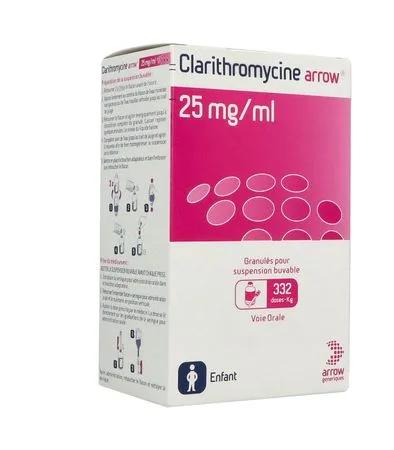
CLARITHROMYCIN ARROW 25 mg/mL, granules for oral suspension
Composition
Clarithromycin..............................................................................................................................................25 mg
For 1 mL of reconstituted oral suspension
Excipients with known effect: sucrose and maltodextrin (source of glucose).
Poloxamer 188, povidone K30, hypromellose, macrogol 6000, methacrylic acid and ethyl acrylate copolymer (1:1) (Eudragit L30D-55), triethyl citrate, glycerol monostearate, polysorbate 80, sucrose, maltodextrin, potassium sorbate, anhydrous colloidal silica, xanthan gum, cocktail fruit flavour, titanium dioxide (E 171).
Indications
They derive from the antibacterial activity and the pharmacokinetic characteristics of clarithromycin. They take into account both the clinical studies conducted with this medicine and its place among the antibacterial products currently available.
In children, they are limited to infections due to germs defined as susceptible:
• documented group A beta-haemolytic streptococcal pharyngitis, as an alternative to treatment with beta-lactams, particularly when the latter cannot be used;
• superinfections of acute bronchitis in children aged over 3 years (see section Pharmacodynamics regarding susceptibility tests);
• atypical community-acquired pneumonia in children aged over 3 years (see section Pharmacodynamics regarding susceptibility tests):
- without risk factors,
- without signs of clinical severity,
- in the absence of clinical elements suggestive of a pneumococcal aetiology.
Official recommendations concerning the appropriate use of antibacterial agents should be taken into account.
Dosage and administration
Dosage
The recommended dose is 15 mg/kg per day, to be divided into 2 doses, up to a maximum of 500 mg 2 times per day, for non-mycobacterial infections.
The usual duration of treatment is 5 to 10 days, depending on the infection being treated and its severity.
The duration of treatment for pharyngitis is 5 days.
Special population
Paediatric population
Clinical trials using the paediatric clarithromycin suspension were conducted in children aged 6 months to 12 years. Children under 12 years should therefore use the paediatric clarithromycin suspension (granules for oral suspension).
Data are insufficient to recommend a dose for the use of clarithromycin by the injectable route in patients under 18 years of age.
Renal insufficiency
In patients with renal impairment with a creatinine clearance below 30 mL/min/1,73 m², the clarithromycin dose must be halved. Treatment must not be continued beyond 14 days in these patients.
Method of administration
It is preferable to take the reconstituted suspension during meals. It may be taken with milk.
Taking the medicine
1- SHAKE THE ORAL SUSPENSION BEFORE EACH DOSE.
2- OPEN the safety cap of the bottle.
3- INSERT the oral syringe into the adapter cap.
4- TURN the bottle + oral syringe assembly over and hold it in an upright position.
5- DRAW UP the dose prescribed by the doctor.
The dose is read directly on the graduations of the oral syringe. Thus, the weight indicated corresponds to the dose for one dose.
Two doses per day are required.
For example, the graduation 8 corresponds to the dose to be administered per dose for a child weighing 8 kg, and this 2 times per day.
TURN the entire bottle and oral syringe over.
6- REMOVE the oral syringe and slowly administer the medicine to the child.
7- CLOSE the bottle again by screwing the safety cap on fully.
8- CLEAN the oral syringe after use by drawing up water 2 to 3 times.
9- RECAP the bottle.
Warning: this oral syringe must not be used for another medicine, nor for another dosage of CLARITHROMYCINE ARROW. The graduations on this oral syringe are specific to this product and this dosage.
For instructions on reconstitution of the medicinal product before administration, see section Disposal and handling.
Contraindications
This medicine MUST NEVER BE USED in the following situations:
• hypersensitivity to the active substance, to macrolides or to any of the excipients listed in section Composition ;
• combination with:
- colchicine,
- rye ergot alkaloids, including for example dihydroergotamine, ergotamine, methylergometrine, methysergide: risk of ergotism,
- pimozide, mizolastine: risk of QT interval prolongation and cardiac rhythm disorders, in particular ventricular tachycardia, ventricular fibrillation and torsades de pointes,
- simvastatin, due to the increased risk of myopathy, including rhabdomyolysis,
- lomitapide,
- alfuzosin,
- dapoxetine,
- avanafil,
- ivabradine,
- eplerenone,
- dronedarone,
- quetiapine,
- ticagrelor,
- cisapride,
- astemizole,
- terfenadine,
- ranolazine,
- domperidone,
(see section Interactions),
• congenital or acquired prolongation of the QT interval (see sections Warnings and precautions and Interactions) ;
• history of QT interval prolongation or ventricular rhythm disorders, in particular torsades de pointes (see sections Warnings and precautions and Interactions) ;
• electrolyte imbalances (hypokalaemia or hypomagnesaemia, due to the risk of QT interval prolongation) (see sections Warnings and precautions and Interactions).
Clarithromycin must not be used in patients with severe hepatic impairment in association with renal impairment.
Warnings and precautions
Cardiovascular events
Prolongation of cardiac repolarisation and of the QT interval, resulting in a risk of developing cardiac arrhythmia and torsades de pointes, has been observed with macrolide treatment, in particular clarithromycin (see section Adverse effects). Therefore, as the following situations may lead to an increased risk of ventricular arrhythmias (including torsades de pointes), clarithromycin should be used with caution in the following patients:
• patients with coronary artery disease, severe heart failure, conduction disorders or clinically significant bradycardia;
• patients concomitantly taking other medicinal products that induce QT interval prolongation (see section Interactions) ;
• concomitant administration of clarithromycin with astemizole, cisapride, pimozide and terfenadine is contraindicated (see section Contraindications).
Clarithromycin must not be used in patients with congenital or acquired QT interval prolongation or a history of ventricular arrhythmia (see section Contraindications).
The results of epidemiological studies investigating the risk of occurrence of cardiovascular adverse effects related to macrolides are variable. Some observational studies have demonstrated a rare short-term risk of occurrence of arrhythmia, myocardial infarction and cardiovascular mortality associated with macrolides, in particular clarithromycin. When prescribing clarithromycin, these results must be weighed against the benefits of treatment.
Pseudomembranous colitis
Cases of pseudomembranous colitis have been observed with almost all antibacterial agents, including macrolides and clarithromycin. Antibiotic treatment alters the normal colonic flora, which may lead to overgrowth of Clostridium difficile. The severity of this diarrhoea associated with Clostridium difficile may range from mild to life-threatening. Therefore, it is important that this diagnosis be considered in patients who develop diarrhoea during or after antibiotic use, as cases have been observed up to 2 months after cessation of treatment. Discontinuation of clarithromycin treatment and administration of specific treatment against Clostridium difficile should be considered regardless of the indication. Any administration of peristalsis inhibitors is to be avoided.
Hypersensitivity reaction
In the event of severe acute hypersensitivity reactions, such as anaphylactic reaction, or severe cutaneous adverse reactions (SCARs) [for example, acute generalised exanthematous pustulosis (AGEP), Stevens-Johnson syndrome or Lyell's syndrome, drug reaction with eosinophilia and systemic symptoms (DRESS syndrome)], treatment with clarithromycin must be stopped immediately and appropriate treatment must be started urgently.
Bacterial resistance
The possibility of cross-resistance between clarithromycin and other macrolides, and other antibiotics such as lincomycin and clindamycin, should be considered.
As with other antibiotics, long-term use may result in an increase in resistant bacteria and fungi. If superinfection occurs, appropriate treatment should be considered.
In the treatment of infections due to Mycobacterium avium in HIV (+) patients, and in order to limit the emergence of resistant strains, clarithromycin should be used:
• in combination with other antibiotics and not as monotherapy,
• only curatively, due to the absence of studies in prophylaxis.
Drug interactions
Colchicine
Cases of colchicine intoxication, sometimes fatal, have been reported with concomitant administration of clarithromycin and colchicine, particularly in elderly subjects or in patients with renal insufficiency. Therefore, concomitant administration of clarithromycin and colchicine is contraindicated (see section Contraindications and Interactions).
HMG-CoA reductase inhibitors (statins) metabolised by CYP3A4 and risk of rhabdomyolysis
Serious cases of rhabdomyolysis have been reported in patients taking clarithromycin and statins concomitantly. Clarithromycin leads to an increase in plasma concentrations of statins that are metabolised by CYP3A4, which increases the risk of myopathy, including rhabdomyolysis.
As simvastatin is mainly metabolised by CYP3A4, its concomitant use with clarithromycin is contraindicated (see sections Contraindications and Interactions). If treatment with clarithromycin proves essential, treatment with simvastatin must be suspended for the duration of treatment with clarithromycin.
The combination of clarithromycin with other statins metabolised by CYP3A4 (atorvastatin) should be avoided as far as possible. Where concomitant use of clarithromycin with atorvastatin proves necessary, it is recommended to use a lower dose of atorvastatin and the onset of signs or symptoms of myopathy should be monitored.
The use of a statin that does not depend on CYP3A metabolism may be considered.
Oral hypoglycaemic agents/insulin
Concomitant use of clarithromycin and oral hypoglycaemic agents (such as sulfonylureas) and/or insulin may lead to significant hypoglycaemia. Close monitoring of blood glucose is recommended (see section Interactions).
Oral anticoagulants
Precautions must be taken when clarithromycin is co-administered with direct oral anticoagulants such as dabigatran, rivaroxaban, apixaban and edoxaban, particularly in patients at high risk of bleeding (see section Interactions).
There is a risk of serious haemorrhage and significant increases in the international normalised ratio (INR) and prothrombin time when clarithromycin and warfarin are co-administered (see section Interactions). The INR and prothrombin time should be monitored frequently during concomitant treatment with clarithromycin and oral anticoagulants.
The use of an antimicrobial, such as clarithromycin, for the treatment of infection by H. pylori, may lead to the selection of resistant organisms.
Caution is advised with concomitant administration of clarithromycin and triazolobenzodiazepines such as triazolam and midazolam (see section Interactions).
The physician should not prescribe clarithromycin to pregnant women without carefully weighing the benefits and risks, particularly during the first three months of pregnancy (see section Fertility, pregnancy and breastfeeding).
Caution is advised with concomitant administration of clarithromycin with other ototoxic medicinal products, in particular aminoglycosides. Vestibular and auditory function should be monitored during and after treatment.
Hepatic function
Clarithromycin is mainly excreted by the liver. In cases of severe hepatic impairment, administration of clarithromycin is not recommended. However, regular monitoring of liver function tests is recommended if administration of the antibiotic is deemed necessary.
Hepatic dysfunction including increased liver enzymes and hepatocellular and/or cholestatic hepatitis, with or without jaundice, has been reported with clarithromycin. This hepatic dysfunction may be severe and is generally reversible.
Cases of fatal hepatic failure have been reported (see section Adverse effects). Some of the patients concerned may have had pre-existing liver disease or may have been taking other hepatotoxic medicinal products. Patients should be informed that they must stop treatment and contact their doctor if signs or symptoms of liver disease occur, such as anorexia, jaundice, dark urine, pruritus or abdominal tenderness.
Elderly subject
In elderly subjects, the prolongation of half-life and the increase in the area under the plasma concentration curves theoretically do not require special monitoring, given the short duration of treatment (see section Pharmacokinetics / Elimination).
Renal impairment
Caution should be exercised when administering clarithromycin to patients with moderate to severe renal impairment (creatinine clearance less than 30 mL/minute). In this case, the prolongation of half-life requires a dose reduction (see section Dosage and administration).
CYP3A inducers
CYP3A inducers (such as rifampicin, phenytoin, carbamazepine, phenobarbital and St John's wort) may increase the metabolism of clarithromycin. This may result in clarithromycin concentrations below the therapeutic level and therefore lead to reduced efficacy of this medicinal product. In addition, it may be necessary to measure the plasma concentrations of CYP3A4 inducers, which may be increased due to inhibition of CYP3A by clarithromycin (see also the Summary of Product Characteristics of the administered CYP3A4 inhibitor). Concomitant administration of rifabutin and clarithromycin results in an increase in plasma concentrations of rifabutin and a decrease in plasma concentrations of clarithromycin, with an increased risk of uveitis.
Efavirenz, nevirapine, rifampicin, rifabutin and rifapentine
Potent inducers of the cytochrome P450 metabolic system such as efavirenz, nevirapine, rifampicin, rifabutin and rifapentine may accelerate the metabolism of clarithromycin, and thus decrease plasma concentrations of clarithromycin while increasing concentrations of 14(R)-hydroxy-clarithromycin (14-OH-clarithromycin), a metabolite that is also microbiologically active. As the microbiological activities of clarithromycin and 14-OH-clarithromycin differ, the expected therapeutic effect could be impaired in the event of concomitant administration of clarithromycin and enzyme inducers.
Clarithromycin should be administered with caution when co-administered with medicinal products that induce cytochrome CYP3A4 (see section Interactions).
Pneumonia
Given the emergence of resistance of Streptococcus pneumoniae to macrolides, it is important to perform susceptibility testing when prescribing clarithromycin in cases of community-acquired pneumonia. In cases of nosocomial pneumonia, clarithromycin should be used in combination with appropriate additional antibiotics.
Mild to moderate severity skin and soft tissue infections
These infections are most often due to Staphylococcus aureus and Streptococcus pyogenes, which may be resistant to macrolides. It is therefore important to perform susceptibility testing. In cases where the use of beta-lactams is not possible (e.g. allergy), other antibiotics, such as clindamycin, may be used as first-line treatment. Currently, macrolides are considered to play a role only in certain types of skin and soft tissue infections, such as those caused by Corynebacterium minutissimum, acne vulgaris and erysipelas, and in situations where treatment with a penicillin is not possible.
Excipients with known effect
This medicine contains sucrose. Patients with fructose intolerance, glucose-galactose malabsorption syndrome or sucrase/isomaltase deficiency (rare hereditary diseases) must not take this medicine.
This medicine contains maltodextrin (a source of glucose). Patients with glucose-galactose malabsorption syndrome (a rare hereditary disease) must not take this medicine.
Interactions
CYP3A4 inhibitors
Certain medicinal products, notably clarithromycin, have the capacity to strongly inhibit cytochrome P450-3A4, an enzyme involved in the metabolism of many medicinal products.
When the activity of this enzyme is inhibited, it is no longer able to metabolise the medicinal product, which will then accumulate. If the therapeutic margin of this medicinal product is narrow and there is no other effective metabolic pathway, the risk of observing a clinically significant interaction becomes high. There is also a risk of increased adverse effects specific to each CYP 3A4 substrate, often with severe consequences.
The following molecules or classes of molecules are known or suspected to be metabolised by the same CYP3A isoenzyme: alprazolam, astemizole, carbamazepine, cilostazol, cisapride, ciclosporin, disopyramide, ergot alkaloids, ibrutinib, lovastatin, methylprednisolone, midazolam, omeprazole, oral anticoagulants (such as warfarin, rivaroxaban, apixaban), atypical antipsychotics (such as quetiapine), pimozide, quinidine, rifabutin, sildenafil, simvastatin, tacrolimus, terfenadine, triazolam and vinblastine, but this list is not exhaustive. Molecules acting by similar mechanisms with other cytochrome P450 isoenzymes include phenytoin, theophylline and valproate.
Contraindicated combinations (see section Contraindications)
+ Vasoconstrictor ergot alkaloids (dihydroergotamine, ergotamine, methylergometrine, methysergide)
Risk of coronary or peripheral vasoconstriction (ergotism), or of hypertensive crises.
+ Alfuzosin
Risk of increased plasma concentrations of alfuzosin and of its adverse effects.
+ Avanafil
Increase in plasma concentrations of the phosphodiesterase type 5 inhibitor with risk of hypotension.
+ Colchicine
Increased adverse effects of colchicine with potentially fatal consequences.
+ Dapoxetine
Risk of increased adverse effects, notably dizziness or syncope.
+ Domperidone
Increase in plasma concentrations of domperidone due to decreased hepatic metabolism by the inhibitor.
+ Dronedarone
Significant increase in concentrations of dronedarone due to decreased metabolism.
+ Eplerenone
Risk of increased plasma concentrations of eplerenone due to the inhibitor and of its adverse effects, notably hyperkalaemia.
+ Ivabradine
Increase in plasma concentrations of ivabradine and consequently of its adverse effects (inhibition of its hepatic metabolism by the inhibitor).
+ Lomitapide
Increase in plasma concentrations of lomitapide due to decreased hepatic metabolism by the inhibitor.
Concomitant administration of clarithromycin and lomitapide is contraindicated because of the possibility of a significant increase in transaminases.
+ Mizolastine
Risk of ventricular rhythm disorders, notably torsades de pointes.
+ Pimozide
Increased risk of ventricular rhythm disorders, in particular torsades de pointes.
+ Quetiapine
Significant increase in concentrations of quetiapine, with risk of overdose.
+ Ranolazine
Increase in concentrations of ranolazine due to decreased metabolism by the inhibitor.
+ Simvastatin
Increased risk of concentration-dependent adverse effects of the rhabdomyolysis type, due to decreased hepatic metabolism of the cholesterol-lowering agent (see section Warnings and precautions).
+ Ticagrelor
Significant increase in concentrations of ticagrelor due to decreased hepatic metabolism, with decreased concentrations of its active metabolite.
Combinations not recommended (see section Warnings and precautions)
+ Dopaminergic rye ergot alkaloids (bromocriptine, cabergoline, lisuride, pergolide)
Increased plasma concentrations of the dopaminergic agent with possible increase in its activity or appearance of signs of overdose.
+ Bosutinib
Risk of increased adverse effects of the tyrosine kinase inhibitor due to decreased metabolism.
+ Bedaquiline
Increased plasma concentrations of bedaquiline due to decreased hepatic metabolism by the inhibitor. If the combination is necessary, more frequent ECG monitoring and transaminase monitoring are recommended.
+ Disopyramide
Risk of increased adverse effects of disopyramide: severe hypoglycemia, QT interval prolongation and severe ventricular rhythm disorders, particularly of the torsade de pointes type. Regular clinical, biological and electrocardiographic monitoring.
+ Ebastine
Increased risk of ventricular rhythm disorders in predisposed subjects (congenital long QT syndrome).
+ Eribulin
Increased plasma concentrations of eribulin by clarithromycin.
+ Fesoterodine
Increased concentrations of fesoterodine in slow metabolizers, with risk of overdose.
+ Fidaxomicin
Increased plasma concentrations of fidaxomicin.
+ Halofantrine
Increased risk of ventricular rhythm disorders, in particular torsades de pointes.
If possible, discontinue the macrolide. If the combination cannot be avoided, prior QT check and monitored ECG surveillance.
+ Immunosuppressants (ciclosporin, everolimus, sirolimus, tacrolimus)
Very significant increase in blood concentrations of the immunosuppressant due to inhibition of its hepatic metabolism. If combined, strict monitoring of renal function, measurement of immunosuppressant blood concentrations and possible dose adjustment.
+ Irinotecan
Risk of increased adverse effects of irinotecan due to increased plasma concentrations of its active metabolite.
+ Lumefantrine
Increased risk of ventricular rhythm disorders, in particular torsades de pointes.
If possible, discontinue the associated torsadogenic drug. If the combination cannot be avoided, check the QT interval beforehand and perform monitored ECG surveillance.
+ Midazolam per os
Increased plasma concentrations of midazolam due to decreased hepatic metabolism, with increased sedation.
+ Oxycodone
Increased plasma concentrations of oxycodone. Clinical monitoring and possible dose adjustment of oxycodone for the duration of treatment with the enzyme inhibitor.
+ Quinidine
During post-marketing surveillance, torsade de pointes has been reported with concomitant use of clarithromycin and quinidine. An ECG recording should be performed during co-administration of clarithromycin and quinidine to monitor for QTc interval prolongation. Plasma quinidine concentrations should be measured during treatment with clarithromycin.
+ Regorafenib
Increased plasma concentrations of regorafenib due to decreased hepatic metabolism by the inhibitor.
+ Riociguat
Increase in plasma concentrations of riociguat due to decreased hepatic metabolism by the inhibitor.
+ Rivaroxaban
Increase in plasma concentrations of rivaroxaban, with increased risk of bleeding.
+ Simeprevir
Risk of increased plasma concentrations of simeprevir due to decreased hepatic metabolism by the inhibitor.
+ Tamsulosin
Risk of increased adverse effects of tamsulosin, through inhibition of its hepatic metabolism.
+ Tolterodine
Increase in plasma concentrations of tolterodine in poor metabolisers, with risk of overdose.
Associations requiring precautions for use
+ Direct oral anticoagulants (DOAC)
The DOACs dabigatran and edoxaban are substrates for the P-gp efflux transporter. Rivaroxaban and apixaban are metabolised via CYP3A4 and are also substrates of P-gp. Precautions must be taken when clarithromycin is co-administered with these agents, particularly in patients at high risk of bleeding (see section Warnings and precautions).
+ Alfentanil
Increased respiratory depressant effect of the opioid analgesic due to decreased hepatic metabolism. Clinical monitoring and dose adjustment of the opioid analgesic if treated with a potent inhibitor of CYP3A4.
+ Calcium channel blockers
Increased adverse effects of the calcium channel blocker, most often hypotension, particularly in elderly subjects.
Clinical monitoring and dose adjustment during treatment with the enzyme inhibitor and after its discontinuation.
+ Vitamin K antagonists
Increased effect of the vitamin K antagonist and risk of bleeding.
More frequent monitoring of INR. Possible adjustment of the vitamin K antagonist dose during treatment with the macrolide and after its discontinuation.
+ Atazanavir
Increase in plasma concentrations of clarithromycin and inhibition of the formation of its active metabolite.
Regular clinical and biological monitoring, particularly at the start of the combination.
A dose reduction should not be necessary in patients with normal renal function. However, in patients with renal impairment, the following dose adjustment should be considered:
• in patients with a creatinine clearance of 30 to 60 mL/minute, the clarithromycin dose must be reduced by 50 %;
• in patients with a creatinine clearance below 30 mL/minute, the clarithromycin dose must be decreased by 75 % using an appropriate clarithromycin formulation;
• clarithromycin doses greater than 1000 mg per day must not be administered in combination with protease inhibitors.
+ Atorvastatin
Increased risk of (concentration-dependent) adverse effects of the rhabdomyolysis type due to decreased hepatic metabolism of the lipid-lowering agent. Use lower doses of the lipid-lowering agent. If the therapeutic goal is not achieved, use another statin not concerned by this type of interaction (see section Warnings and precautions).
+ Bortezomib
Risk of increased adverse effects, particularly neurological, of bortezomib due to decreased metabolism. Clinical monitoring and possible dose adjustment of bortezomib during the duration of treatment with the enzyme inhibitor.
+ Cabazitaxel
Risk of increased dose-dependent adverse effects of cabazitaxel due to inhibition of its metabolism by the enzyme inhibitor. Clinical monitoring and possible dose adjustment of cabazitaxel during treatment with the enzyme inhibitor.
+ Carbamazepine
Increased plasma concentrations of carbamazepine with signs of overdose, due to inhibition of its hepatic metabolism.
Clinical monitoring and possible dose reduction of carbamazepine.
Risk of decreased plasma concentrations of clarithromycin due to increased metabolism of clarithromycin. This may lead to plasma concentrations of clarithromycin below the therapeutic level and therefore to reduced efficacy.
Adjustment of the clarithromycin dose or consideration of alternative treatments is necessary.
+ Daclatasvir
Increased concentrations of daclatasvir by the inhibitor. The dose of daclatasvir should be reduced to 30 mg 1 times daily when co-administered with this inhibitor.
+ Darifenacin
Increased concentrations of darifenacin, with risk of increased adverse effects. Clinical monitoring and possible dose adjustment of darifenacin.
+ Digoxin
Increase in digoxinaemia due to increased absorption of digoxin.
Clinical monitoring and possibly of digoxinemia during treatment with clarithromycin and after its discontinuation. Patients have had clinical signs consistent with digoxin toxicity, including potentially fatal arrhythmias.
+ Docetaxel
Risk of increased docetaxel toxicity due to decreased hepatic metabolism. Clinical monitoring and possible dose adjustment of docetaxel during treatment with the enzyme inhibitor.
+ Fentanyl
Increased respiratory depressant effect of the opioid analgesic due to decreased hepatic metabolism. Clinical monitoring and dose adjustment of the opioid analgesic if treated with a potent inhibitor of CYP3A4.
+ Ivacaftor
Significant increase in ivacaftor concentrations, with risks of increased adverse effects. Reduce the dose by a quarter, i.e. 150 mg 1 day on 2.
+ Maraviroc
Increased concentrations of maraviroc by the inhibitor. The dose of maraviroc should be reduced to 150 mg twice daily when co-administered with this inhibitor.
+ Medicinal products liable to induce torsades de pointes
Increased risk of ventricular rhythm disorders, in particular torsades de pointes. Clinical and electrocardiographic monitoring during the combination.
+ Midazolam IV
Increased plasma concentrations of midazolam due to decreased hepatic metabolism with increased sedation. Clinical monitoring and dose reduction of midazolam during treatment with clarithromycin.
+ Quinine
Risk of increased adverse effects of quinine, particularly ventricular rhythm disorders and neurosensory disorders (cinchonism). Clinical monitoring and ECG. Possible dose adjustment of quinine during treatment with the enzyme inhibitor and after its discontinuation.
+ Solifenacin
Increased concentrations of solifenacin, with risk of overdose.
Clinical monitoring and possible dose adjustment of solifenacin.
+ Sufentanil
Increased respiratory depressant effect of the opioid analgesic due to decreased hepatic metabolism. Clinical monitoring and dose adjustment of the opioid analgesic if treated with a potent inhibitor of CYP3A4.
+ Triazolam
Increased plasma concentrations of triazolam due to decreased hepatic metabolism, with increased sedation. Clinical monitoring and dose reduction during treatment with clarithromycin.
+ Verapamil
Bradycardia and/or atrioventricular conduction disturbances due to decreased hepatic metabolism of verapamil by the inhibitor. Hypotension, bradyarrhythmia and lactic acidosis have been observed in patients taking clarithromycin and verapamil concomitantly.
Clinical monitoring and ECG. If applicable, adjustment of the verapamil dose during treatment with the inhibitor, and after its discontinuation, where appropriate.
+ Cytotoxic vinca alkaloids
Risk of increased toxicity of the antimitotic agent due to decreased hepatic metabolism by clarithromycin. Close clinical and biological monitoring. Possibly, use another antibiotic.
+ Phosphodiesterase type 5 inhibitors (sildenafil, tadalafil, vardenafil)
Increased plasma concentrations of the PDE5 inhibitor, with risk of hypotension. Start treatment with the PDE5 inhibitor at the minimum dose.
Dose reduction of sildenafil, tadalafil and vardenafil should be considered when these medicines are administered in combination with clarithromycin.
+ Pravastatin
Increase in the plasma concentration of pravastatin by clarithromycin. Clinical and biological monitoring during treatment with the antibiotic (see section Warnings and precautions).
+ Rifabutin
Risk of increased undesirable effects of rifabutin (uveitis) due to increased concentrations of it and its active metabolite caused by clarithromycin. In addition, increased metabolism of clarithromycin by rifabutin, with increased concentrations of its active metabolite.
Regular clinical and biological monitoring, particularly at the start of the combination.
+ Repaglinide
Risk of hypoglycaemia due to increased plasma concentrations of repaglinide. Inform the patient, reinforce blood glucose self-monitoring and possibly adjust the dose of the hypoglycaemic agent during treatment with clarithromycin.
+ Ritonavir alone and in combination with protease inhibitors
Increased plasma concentrations of clarithromycin and its active metabolite due to decreased hepatic metabolism by ritonavir.
Regular clinical and biological monitoring, particularly at the start of the combination.
A dose reduction should not be necessary in patients with normal renal function. However, in patients with renal impairment, the following dose adjustment should be considered:
• in patients with a creatinine clearance of 30 to 60 mL/minute, the clarithromycin dose must be reduced by 50 %;
• in patients with a creatinine clearance below 30 mL/minute, the clarithromycin dose should be reduced by 75 %;
• clarithromycin doses above 1 g/day must not be administered in combination with ritonavir.
Similar dose adjustments should be considered in patients with reduced renal function when ritonavir is used as a pharmacokinetic booster with other protease inhibitors, including atazanavir and saquinavir.
+ Glibenclamide, glimepiride
Risk of hypoglycaemia due to increased absorption and plasma concentrations of the antidiabetic agent. Inform the patient, reinforce blood glucose self-monitoring and possibly adjust the dose of the sulfonylurea hypoglycaemic agent during treatment with clarithromycin.
+ Tyrosine kinase inhibitors
Risk of increased undesirable effects of tyrosine kinase inhibitors metabolised by CYP 3A due to decreased metabolism. Clinical monitoring.
+ Hypoglycaemic sulfonylureas
Risk of hypoglycaemia due to increased plasma concentrations of the antidiabetic agent. Inform the patient, reinforce blood glucose self-monitoring and possibly adjust the dose of the sulfonylurea hypoglycaemic agent during treatment with clarithromycin.
+ Efavirenz
Risk of decreased plasma concentrations of clarithromycin due to increased metabolism. This may lead to plasma concentrations of clarithromycin below the therapeutic level and therefore to reduced efficacy. Adjustment of the clarithromycin dose or consideration of alternative treatments is required.
+ Itraconazole
Clarithromycin and itraconazole are both substrates and inhibitors of CYP3A, leading to a bidirectional drug interaction.
Clarithromycin may increase plasma concentrations of itraconazole, while itraconazole may increase plasma concentrations of clarithromycin. Patients taking clarithromycin and itraconazole concomitantly should be closely monitored for any signs or symptoms of a prolonged or increased pharmacological effect.
+ St John's wort
Risk of decreased plasma concentrations of clarithromycin due to increased metabolism. This may lead to plasma concentrations of clarithromycin below the therapeutic level and therefore to reduced efficacy. Adjustment of the clarithromycin dose or consideration of alternative treatments is required.
+ Nevirapine
Risk of decreased plasma concentrations of clarithromycin due to increased metabolism. This may lead to plasma concentrations of clarithromycin below the therapeutic level and therefore to reduced efficacy. Adjustment of the clarithromycin dose or consideration of alternative treatments is required.
+ Phenytoin
Risk of decreased plasma concentrations of clarithromycin due to increased metabolism. This may lead to plasma concentrations of clarithromycin below the therapeutic level and therefore to reduced efficacy. Adjustment of the clarithromycin dose or consideration of alternative treatments is required.
There have been spontaneous or published reports of interaction for CYP3A inhibitors, including clarithromycin, with drugs that did not appear to be metabolised by CYP3A (such as phenytoin). Plasma concentration monitoring is recommended for these drugs when they are administered concomitantly with clarithromycin. Increases in serum concentrations have been reported.
+ Phenobarbital
Risk of decreased plasma concentrations of clarithromycin due to increased metabolism. This may lead to plasma concentrations of clarithromycin below the therapeutic level and therefore to reduced efficacy. Adjustment of the clarithromycin dose or consideration of alternative treatments is required.
+ Rifampicin
Risk of decreased plasma concentrations of clarithromycin due to increased metabolism of clarithromycin. This may lead to plasma concentrations of clarithromycin below the therapeutic level and therefore to reduced efficacy.
Dose adjustment of clarithromycin or consideration of alternative treatments is required.
+ Rifapentine
Risk of decreased plasma concentrations of clarithromycin due to increased metabolism. This may lead to plasma concentrations of clarithromycin below the therapeutic level and therefore to reduced efficacy. Adjustment of the clarithromycin dose or consideration of alternative treatments is required.
+ Saquinavir
Clarithromycin and saquinavir are both substrates and inhibitors of CYP3A, and there is evidence of a bidirectional drug interaction. Concomitant administration of clarithromycin (500 mg twice daily) and saquinavir (soft gelatin capsules, 1200 mg 3 times daily) to 12 healthy volunteers resulted in steady-state area under the curve (AUC) and Cmax values for saquinavir that were 177% and 187% higher than those observed when saquinavir is taken alone. The area under the curve (AUC) and Cmax values of clarithromycin were approximately 40% higher than those observed with clarithromycin alone. No dose adjustment is necessary when both drugs are administered concomitantly for a limited period at the doses and with the formulations studied. Observations from drug interaction studies using a soft gelatin capsule formulation may not be representative of the effects observed when saquinavir is administered with hard gelatin capsules. Observations from interaction studies conducted with saquinavir alone may not be representative of the effects observed with treatment with saquinavir and ritonavir. When saquinavir is co-administered with ritonavir, the potential effects of ritonavir on clarithromycin should be considered.
+ Valproate
There have been spontaneous or published reports of interaction for CYP3A inhibitors, including clarithromycin, with drugs that were not expected to be metabolised by CYP3A (such as valproate). Plasma concentration monitoring is recommended for these drugs when they are administered concomitantly with clarithromycin. Increases in serum concentrations have been reported.
+ Zidovudine
Simultaneous oral administration of clarithromycin tablets and zidovudine in adult HIV-infected patients may result in decreased steady-state zidovudine concentrations. As clarithromycin appears to interfere with the simultaneous oral absorption of zidovudine, this interaction can be largely avoided by staggering the doses of clarithromycin and zidovudine, leaving an interval of 4 hours between each drug. This interaction does not appear to occur in HIV-infected children taking clarithromycin as oral suspension with zidovudine or didanosine. This interaction is unlikely when clarithromycin is administered by intravenous injection.
+ Hydroxychloroquine and chloroquine
Clarithromycin should be used with caution in patients receiving these medicines known to prolong the QT interval, due to the potential to induce cardiac arrhythmia and serious cardiovascular adverse events.
+ Corticosteroids
Caution must be exercised when clarithromycin is co-administered with systemic and inhaled corticosteroids that are mainly metabolised by CYP3A, due to a potential increase in systemic corticosteroid exposure. In case of concomitant use, patients should be closely monitored for possible adverse effects related to systemic corticosteroids.
Associations to be taken into account
+ Dexamethasone
Increased plasma concentrations of dexamethasone due to decreased hepatic metabolism by the enzyme inhibitor, with risk of onset of cushingoid syndrome.
+ Etravirine
In the treatment of infections due to Mycobacterium avium complex, risk of decreased efficacy of clarithromycin due to increased hepatic metabolism by etravirine.
+ Fluconazole
Plasma concentrations of clarithromycin may be increased when administered concomitantly with fluconazole. However, no dose adjustment is necessary.
+ Linezolid
Risk of increased adverse effects of linezolid by clarithromycin, due to increased absorption.
+ CYP3A4 substrates at risk
Increased adverse effects specific to each substrate, often with severe consequences.
+ Theophylline (and, by extrapolation, aminophylline)
Risk of increased theophylline levels, particularly in children.
+ Venlafaxine
Increased concentrations of venlafaxine with risk of overdose.
+ Zolpidem
Slight increase in the sedative effects of zolpidem.
+ Zopiclone
Slight increase in the sedative effects of zopiclone.
Specific problems with INR imbalance
Numerous cases of increased activity of oral anticoagulants have been reported in patients receiving antibiotics. Marked infectious or inflammatory conditions, age and general condition of the patient appear to be risk factors. In these circumstances, it appears difficult to distinguish between the infectious disease and its treatment in the occurrence of INR imbalance. However, certain classes of antibiotics are more often implicated: these include fluoroquinolones, macrolides, cyclines, cotrimoxazole and certain cephalosporins.
Fertility, pregnancy and breastfeeding
Pregnancy
The safety of clarithromycin use during pregnancy has not been established. Given variable results obtained in animal studies and the clinical data available in humans, the possibility of adverse effects on embryofetal development cannot be excluded. Some observational studies evaluating exposure to clarithromycin during the first and second trimesters have reported an increased risk of miscarriage compared with non-use of antibiotics or use of other antibiotics during the same period. Available epidemiological studies on the risk of major congenital malformations with use of macrolides including clarithromycin during pregnancy provide contradictory results.
Therefore, use during pregnancy is not recommended without carefully weighing the benefits against the risks.
Breast-feeding
Clarithromycin passes into human breast milk in small amounts.
It has been estimated that an infant exclusively breastfed would receive approximately 1,7 % of the maternal dose of clarithromycin, adjusted for weight.
Breastfeeding is possible when clarithromycin is taken; however, interrupt breastfeeding (or the medicinal product) if digestive disorders occur in the newborn.
Fertility
There is no data available on the effect of clarithromycin on fertility in humans. In rats, limited available data do not indicate an effect on fertility.
Driving and using machines
No data are available on the effects of clarithromycin on the ability to drive vehicles and use machines. The risk of dizziness, vertigo, confusion and disorientation, which may occur with clarithromycin, must be taken into account before driving or using machines.
Adverse effects
a. Summary of the safety profile
The most frequent adverse reactions associated with clarithromycin treatment in adults and children are abdominal pain, diarrhoea, nausea, vomiting and dysgeusia. These adverse reactions are generally of mild intensity and are consistent with the known safety profile of macrolide antibiotics (see section b. of the heading Adverse effects).
There was no significant difference in the incidence of these gastrointestinal adverse reactions in clinical trials between patients with or without pre-existing mycobacterial infection.
b. Summary table of adverse reactions
The following table presents adverse reactions reported in clinical trials and since marketing of the different pharmaceutical forms of clarithromycin as immediate-release tablets, granules for oral suspension, powder for solution for injection, and modified-release tablets.
Adverse events considered at least possibly attributable to clarithromycin are presented by system organ class and by frequency according to the following convention: very common (≥ 1/10), common (≥ 1/100, < 1/10), uncommon (≥ 1/1 000, < 1/100) and frequency not known (adverse effects reported after marketing with a frequency that cannot be estimated from the available data). Within each frequency group, adverse effects are presented in order of decreasing seriousness when this could be assessed.
|
System organ class |
Very common (≥ 1/10) |
Common (≥ 1/100, < 1/10) |
Uncommon (≥ 1/1 000, < 1/100) |
Frequency not known (cannot be estimated from the available data) |
|
Infections and infestations |
|
|
Cellulitis1, candidiasis, gastroenteritis2, infection3, vaginal infection |
Pseudomembranous colitis, erysipelas |
|
Blood and lymphatic system disorders |
|
|
Leukopenia, neutropenia4, thrombocythemia3, eosinophilia4 |
Agranulocytosis, thrombocytopenia |
|
Immune system disorders5 |
|
|
Anaphylactoid reaction1, hypersensitivity |
Anaphylactic reaction, angioedema |
|
Metabolism and nutrition disorders |
|
|
Anorexia, decreased appetite |
Hypoglycaemia6 |
|
Psychiatric disorders |
|
Insomnia |
Anxiety, nervousness3 |
Psychotic disorder, confusional state, depersonalisation, depression, disorientation, hallucination, abnormal dreams, manic syndrome |
|
Nervous system disorders |
|
Dysgeusia, headaches |
Loss of consciousness1, dyskinesia1, dizziness, somnolence6, tremor |
Convulsion, ageusia, parosmia, anosmia, paraesthesia |
|
Ear and labyrinth disorders |
|
|
Vertigo, hearing impairment, tinnitus |
Deafness. Cases of tinnitus and hypoacusis have been reported at doses greater than or equal to 1g/day over prolonged treatment periods. |
|
Cardiac disorders |
|
|
Cardiac arrest1, atrial fibrillation1, QT interval prolongation on electrocardiogram7, extrasystoles1, palpitations |
Torsades de pointes7, ventricular tachycardia7, ventricular fibrillation |
|
Vascular disorders |
|
Vasodilation1 |
|
Haemorrhage8 |
|
Respiratory, thoracic and mediastinal disorders |
|
|
Asthma1, epistaxis2, pulmonary embolism1 |
|
|
Gastrointestinal disorders |
|
Diarrhoea9, vomiting, dyspepsia, nausea, abdominal pain |
Esophagitis1, gastro-oesophageal reflux2, gastritis, proctalgia2, stomatitis, glossitis, abdominal distension4, constipation, dry mouth, eructation, flatulence |
Acute pancreatitis, discoloration of the tongue, discoloration of the teeth |
|
Hepatobiliary disorders |
|
Abnormal liver function tests |
Cholestasis4, hepatitis4, increased ALAT, ASAT, GGT4 |
Hepatic impairment10, hepatocellular jaundice |
|
Skin and subcutaneous tissue disorders |
|
Rash, hyperhidrosis |
Bullous dermatitis1, pruritus, urticaria, maculopapular rash3 |
Acute generalized exanthematous pustulosis (AGEP), Stevens-Johnson syndrome5, Lyell's syndrome5, drug reaction with eosinophilia and systemic symptoms syndrome (DRESS syndrome), acne |
|
Musculoskeletal and systemic disorders |
|
|
Muscle spasms3, musculoskeletal stiffness1, myalgia2 |
Rhabdomyolysis2, 11, myopathy |
|
Renal and urinary disorders |
|
|
Increased blood creatinine1, increased blood urea1 |
Renal failure, interstitial nephritis |
|
General disorders and administration site conditions |
Phlebitis at the injection site1 |
Pain at the injection site1, inflammation at the injection site1 |
Malaise4, pyrexia3, asthenia, chest pain4, chills4, fatigue4 |
|
|
Investigations |
|
|
Abnormal albumin/globulin ratio1, increased blood alkaline phosphatases4, increased blood lactate dehydrogenase4 |
Increased INR8, increased prothrombin level8, abnormal urine colour |
1 Adverse reactions reported only for the powder for solution for infusion formulation (to be diluted).
2 Adverse reactions reported only for the modified-release tablet formulation.
3 Adverse reactions reported only for the granules for oral suspension formulation.
4 Adverse reactions reported only for the immediate-release tablet formulation.
5, 7, 9, 10 See part a.
6, 8, 11 See part c.
c. Description of certain adverse effects
Phlebitis, pain and inflammation of the vessels at the injection site are specific to the intravenous formulation of clarithromycin.
In some of the reported cases of rhabdomyolysis, clarithromycin had been co-administered with medicinal products known to be implicated in rhabdomyolysis, such as statins, fibrates, colchicine or allopurinol (see sections Contraindications, Warnings and precautions and Interactions).
Rare cases of the presence of clarithromycin modified-release film-coated tablets in the stools have been reported, most often in patients with anatomical gastrointestinal problems (including ileostomy or colostomy) or functional problems associated with a shortened GI transit time. In several cases, tablet residues were found in the context of diarrhoea. In patients who find tablet residues in the stools without any improvement in their condition, it is recommended to switch to another formulation of clarithromycin (for example suspension) or to another antibiotic.
Special populations: adverse effects in immunocompromised patients (see part e.).
d. Paediatric population
Clinical studies have been conducted with a paediatric suspension of clarithromycin in children aged 6 months to 12 years. Children under 12 years should therefore use the paediatric suspension of clarithromycin. The data are insufficient to recommend a dosing regimen for use of the IV form of clarithromycin in patients under 18 years.
The frequency, type and severity of adverse effects will probably be the same in children as in adults.
e. Other special populations
Immunocompromised patients
In patients with AIDS and other immunocompromised patients treated at the maximum recommended doses of clarithromycin over prolonged periods for mycobacterial infections, it has often been difficult to distinguish adverse effects possibly associated with clarithromycin from the underlying signs of human immunodeficiency virus (HIV) infection or concomitant pathologies.
In adults, the adverse effects most frequently reported in patients treated with total daily doses of 1 000 mg and 2 000 mg of clarithromycin were the following: nausea, vomiting, taste disturbance, abdominal pain, diarrhoea, rash, flatulence, headache, constipation, hearing disorders, increases in serum glutamic oxaloacetic transaminase (SGOT) and serum glutamic pyruvic transaminase (SGPT). Other adverse effects were reported, but less frequently: dyspnoea, insomnia and dry mouth. Incidences were comparable in patients treated with 1 000 mg and with 2 000 mg, but they were generally 3 to 4 times higher in patients receiving total daily doses of 4 000 mg of clarithromycin.
In immunocompromised patients, assessments of biological values were made by analysing values lying well outside the normal values (i.e. beyond extremely high or extremely low limits) for the examination concerned. On the basis of these criteria, approximately 2 to 3 % of patients receiving 1 000 mg or 2 000 mg of clarithromycin per day presented very abnormally high levels of SGOT and SGPT and abnormally low blood levels of white blood cells and platelets. Smaller percentages of patients in these two dosage groups also presented high levels of urea. Slightly higher incidences of abnormal values were observed for all parameters, except white blood cell count, in patients receiving 4 000 mg per day.
Reporting of suspected adverse reactions
Reporting suspected adverse reactions after authorisation of the medicinal product is important. It allows continued monitoring of the benefit/risk balance of the medicinal product. Healthcare professionals are asked to report any suspected adverse reaction via the national reporting system: National Agency for the Safety of Medicines and Health Products (ANSM) and the network of Regional Centres of Pharmacovigilance - Website: https://signalement.social-sante.gouv.fr/
Overdose
Management of overdose: rapid elimination of unabsorbed medicinal product, including gastric lavage, and symptomatic treatment.
Reported cases indicate that ingestion of large quantities of clarithromycin may result in the occurrence of gastrointestinal symptoms. A patient with a history of bipolar disorder ingested eight grams of clarithromycin and presented with altered mental state, paranoid behaviour, hypokalaemia and hypoxaemia. As with other macrolides, serum clarithromycin levels are not expected to be significantly altered by haemodialysis or peritoneal dialysis.
Pharmacodynamics
Pharmacotherapeutic class: antibacterial antibiotics of the macrolide family, ATC code: J01FA09.
Clarithromycin is a bacterial antibiotic, a semi-synthetic derivative of erythromycin A, of the macrolide family (C14).
ANTIBACTERIAL ACTIVITY SPECTRUM
Critical concentrations separate susceptible strains from strains of intermediate susceptibility, and the latter from resistant ones:
EUCAST recommendations (2011-01-05 (v 1.3))
Staphylococcus spp. : S ≤ 1 mg/L and R > 2 mg/L
Streptococcus A, B, C, G : S ≤ 0,25 mg/L and R > 0,5 mg/L
Streptococcus pneumoniae : S ≤ 0,25 mg/L and R > 0,5 mg/L
Haemophilus influenzae: S ≤ 1 mg/L and R > 32 mg/L
Moraxella catarrhalis : S ≤ 0,25 mg/L and R > 0,5 mg/L
Clarithromycin is used to eradicate Helicobacter pylori ; the MIC is ≤ 0,25 µg/mL, it was established by the CLSI (Clinical and Laboratory Standards Institute).
The prevalence of acquired resistance can vary according to geography and time for certain species. It is therefore useful to have information on local resistance prevalence, especially for the treatment of severe infections. These data can only provide guidance on the probabilities of the susceptibility of a bacterial strain to this antibiotic.
Where the variability of resistance prevalence in France is known for a bacterial species, it is indicated in the table below:
|
Categories |
Frequency of acquired resistance in France (> 10 %) (extreme values) |
|
|
SUSCEPTIBLE SPECIES |
|
|
|
Gram-positive aerobes |
50 70 % |
|
|
Bacillus cereus |
70 - 80 % |
|
|
Corynebacterium diphtheriae |
30 – 40 % |
|
|
Enterococci |
35 – 70 % |
|
|
Lactobacillus |
16 – 31 % |
|
|
Rhodococcus equi |
|
|
|
Staphylococcus methicillin-S |
10 – 20 % |
|
|
Methicillin-R Staphylococcus * |
|
|
|
Streptococcus group B |
30 – 60 % |
|
|
Streptococcus non-groupable |
30 – 40 % |
|
|
Streptococcus pneumoniae |
|
|
|
Streptococcus pyogenes |
|
|
|
Gram-negative aerobes |
|
|
|
Bordetella pertussis |
|
|
|
Branhamella catarrhalis |
|
|
|
Campylobacter |
|
|
|
Helicobacter pylori |
|
|
|
Legionella |
|
|
|
Moraxella |
|
|
|
Neisseria |
|
|
|
Anaerobes |
|
|
|
Actinomyces |
|
|
|
Bacteroides |
|
|
|
Eubacterium |
|
|
|
Mobiluncus |
|
|
|
Peptostreptococcus |
|
|
|
Porphyromonas |
|
|
|
Prevotella |
|
|
|
Propionibacterium acnes |
|
|
|
Other |
|
|
|
Borrelia burgdorferi |
|
|
|
Chlamydia |
|
|
|
Coxiella |
|
|
|
Leptospires |
|
|
|
Mycobacteria |
|
|
|
Mycoplasma pneumoniae |
|
|
|
Treponema pallidum |
|
|
|
MODERATELY SUSCEPTIBLE SPECIES (in vitro of intermediate susceptibility) |
|
|
|
Gram-negative aerobes |
|
|
|
Haemophilus influenzae** |
|
|
|
Neisseria gonorrhoeae |
|
|
|
Anaerobes |
|
|
|
Clostridium perfringens |
|
|
|
Other |
|
|
|
Ureaplasma urealyticum |
|
|
|
RESISTANT SPECIES |
|
|
|
Gram-positive aerobes |
|
|
|
Corynebacterium jeikeium |
|
|
|
Nocardia asteroides |
|
|
|
Gram-negative aerobes |
|
|
|
Acinetobacter |
|
|
|
Enterobacterales |
|
|
|
Pseudomonas |
|
|
|
Anaerobes |
|
|
|
Fusobacterium |
|
|
|
Leptotrichia |
|
|
|
Other |
|
|
|
Mycoplasma hominis |
|
|
Clarithromycin has an activity in vitro and in vivo on Toxoplasma gondii.
* The frequency of methicillin resistance is approximately 30 to 50 % of all staphylococci and is found mainly in hospital settings.
** Haemophilus influenzae : the activity of the 14-hydroxy-clarithromycin is greater than that of clarithromycin. Studies carried out in vitro suggested an additive activity of the 14-hydroxy-clarithromycin and the parent molecule againstHaemophilus influenzae.
Pharmacokinetics
Absorption
The suspension form of clarithromycin has an identical or slightly higher bioavailability than that of the tablets.
In children, steady state is reached after the 9th dose of the same suspension; the pharmacokinetic parameters are as follows:
|
|
Cmax |
SSC |
|
Tmax |
T½ |
|
Clarithromycin |
4,60 μg/mL |
15,7 μg.hr/mL |
|
2,8 hours |
2,2 |
|
14-OH-clarithromycin |
1,64 μg/mL |
6,69 μg.hr/mL |
|
2,7 hours |
4,3 |
Distribution
The serum concentrations* of the parent molecule and the metabolite, as well as the total antibacterial activity (microbiological assay**) in normal subjects at steady state (around day 4) after repeated doses, are as follows (accumulation coefficient: 1,5 to 2):
|
|
Cmax Clarithromycin* |
Cmax 14-OH-clarithromycin* |
Cmax Biological activity** |
|
250 mg 2 times/day |
0,9 μg/mL |
0,6 μg/mL |
1,5 μg/mL |
|
500 mg 2 times/day |
2,4 μg/mL |
0,66 μg/mL |
2,8 μg/mL |
*HPLC method assay.
**microbiological method assay.
With repeated administration, at 12th hour, residual concentrations are approximately 0,2 μg/mL after 250 mg and 0,7 μg/mL after 500 mg. At a dose of 250 mg, the elimination half-life of clarithromycin is 3,8 hours and that of the 14-hydroxy-clarithromycin is 5,8 hours. After repeated doses, steady state is reached on 4th day.
Protein binding
The percentage of serum protein binding of clarithromycin varies from 72 to 67%, and that of the active metabolite is 57 to 48%, depending on plasma concentrations.
Tissue distribution
The volume of distribution in adults is approximately 2 to 4 L/kg. After 5 doses of 250 mg, concentrations of 8,8 μg/mL are reached in the lung, 1,11 μg/mL in the tonsils and approximately 0,9 μg/mL in interstitial fluids.
Macrolides penetrate and accumulate in phagocytes (neutrophil polymorphonuclear leukocytes, monocytes, peritoneal and alveolar macrophages). Intraphagocytic concentrations are high in humans. These properties partly explain the activity of clarithromycin against intracellular bacteria.
Clarithromycin and 14-OH-clarithromycin pass into breast milk. The milk-to-plasma concentration ratio is 24% and 63%, respectively.
Biotransformation
Clarithromycin is biotransformed into 3 metabolites: descladinosyl-clarithromycin, N-demethyl-clarithromycin and the 14-hydroxylated derivative. The latter metabolite is predominant both quantitatively and qualitatively, as it possesses its own antibacterial activity. The metabolism of clarithromycin is saturable at high dosages. Increasing dosages and multiplying doses results in a proportionally greater increase in plasma clarithromycin concentrations than in doses, and a decrease in the fraction of 14-OH-clarithromycin (at steady state, plasma concentrations of 14-OH-clarithromycin are approximately 2/3 of those of the parent molecule after 250 mg × 2, and approximately 27% after 500 mg × 2, see "Distribution").
Elimination
Clarithromycin is excreted by the liver and the kidney:
• in humans, after a single dose of 250 mg per os, 37,9% of the dose is excreted in urine, of which 18,4% as clarithromycin and 13,7% as the 14-hydroxylated derivative. Regardless of the dose, free clarithromycin and the 14-hydroxylated derivative account for most of the urinary excretion of clarithromycin;
• fecal elimination of a single dose of 250 mg is 40,2%, the parent molecule representing 4,4% of the dose. Most clarithromycin is eliminated as metabolites;
• increasing doses increases urinary elimination as well as the fraction of unchanged clarithromycin.
In cases of renal impairment, excretion of clarithromycin and especially of 14-OH-clarithromycin is decreased, with an increase in maximum concentrations, residual concentrations, areas under the curve and the quantity of 14-OH-clarithromycin formed. When clearance is below 30 mL/minute, the elimination half-life is multiplied by 3 for clarithromycin and multiplied by 4 for 14-OH-clarithromycin, with a significant risk of accumulation.
In cases of hepatic impairment, the formation of 14-OH-clarithromycin is decreased and its serum concentrations and areas under the curve are reduced. However, there is an increase in renal elimination of clarithromycin and no accumulation occurs.
Special storage precautions
Store at a temperature not exceeding 25°C.
After reconstitution: store at a temperature not exceeding 25°C.
SPECIAL PRECAUTIONS FOR DISPOSAL AND OTHER HANDLING
Preparation of the oral suspension
1- TURN the bottle over 2 to 3 times before opening it.
2- ADD slowly to the contents of the bottle of non-sparkling mineral water or boiled water cooled to the arrow on the bottle label.
3- TURN THE BOTTLE OVER AND SHAKE VIGOROUSLY until the granule is completely dissolved. Leave to stand for a few minutes. The liquid level drops.
4- TOP UP with water to the arrow on the bottle label and shake again to thoroughly homogenise the resulting suspension.
5- FIT the adaptor cap and press it firmly in place.
6- RECAP the bottle.
Prescription, supply and reimbursement
| Marketing authorisation (AMM) |
|
| Price: |
|
Collection.
26 AVENUE TONY GARNIER
69007 LYON
Tel: 04 72 72 60 72 Tel (toll-free): 0811 65 27 76
contact@laboratoire-arrow.com
http://www.laboratoire-arrow.com/
Source: VIDAL · Updated on 10/11/2026. This information does not replace advice from a healthcare professional.