
Medicines
SmPC of 10/06/2026
ABACAVIR/LAMIVUDINE VIATRIS 600 mg/300 mg, film-coated tablet
Forms and presentations
Film-coated tablet.
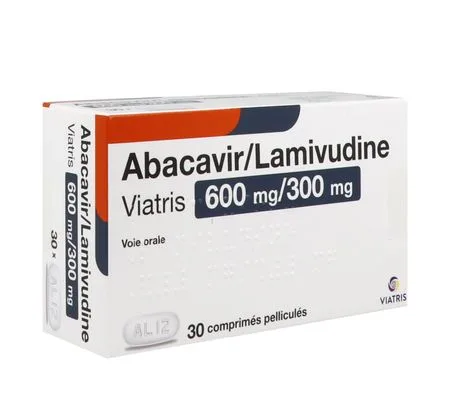
White, oblong, biconvex film-coated tablet (approximately 20,8 mm x 9,2 mm), engraved with the mention « AL12 » on one face and « M » on the other face.
Composition
Each film-coated tablet contains abacavir sulfate equivalent to 600 mg of abacavir and 300 mg of lamivudine.
Core :
Microcrystalline cellulose, crospovidone, magnesium stearate, anhydrous colloidal silica, talc.
Coating :
Hypromellose, titanium dioxide (E171), macrogol, polysorbate 80.
Indications
ABACAVIR/LAMIVUDINE VIATRIS is indicated in the combined antiretroviral treatment of Human Immunodeficiency Virus (HIV) infection in adults, adolescents and children weighing at least 25 kg (see sections Warnings and precautions and Pharmacodynamics).
Before initiating treatment containing abacavir, screening for the HLA-B*5701 allele must be performed in any HIV-infected patient, regardless of ethnic origin (see section Warnings and precautions). Abacavir must not be used in patients carrying the HLA-B*5701 allele.
Dosage and administration
The prescription must be made by a physician experienced in the management of HIV infection.
Dosage
Adults, adolescents and children weighing at least 25 kg
The recommended dose of ABACAVIR/LAMIVUDINE VIATRIS is one tablet once daily.
Children weighing less than 25 kg
ABACAVIR/LAMIVUDINE VIATRIS must not be administered to children weighing less than 25 kg, because ABACAVIR/LAMIVUDINE VIATRIS is a fixed-dose combination that does not allow dose reduction.
ABACAVIR/LAMIVUDINE VIATRIS is a fixed-dose combination tablet and must not be prescribed in patients requiring dose adjustment. Each active substance (abacavir or lamivudine) is available separately in case treatment interruption or dose adjustment of one of the active substances is necessary. In both cases, the physician must refer to the Summary of Product Characteristics of each of these medicines.
Special populations
Elderly subjects :
No pharmacokinetic data are currently available in patients over 65 years of age. In elderly subjects, particular attention must be paid due to age-related changes, such as decreased renal function and alteration of hematological parameters.
Renal impairment :
Administration of ABACAVIR/LAMIVUDINE VIATRIS is not recommended in patients whose creatinine clearance is < 30 mL/min (see section Pharmacokinetics), No dose adjustment is necessary in patients with mild or moderate renal impairment.
However, exposure to lamivudine is significantly increased in patients with creatinine clearance < 50 mL/min (see section Warnings and precautions).
Hepatic impairment :
Abacavir is primarily metabolized in the liver. No clinical data are available in patients with moderate or severe hepatic impairment, therefore the use of ABACAVIR/LAMIVUDINE VIATRIS is not recommended, unless it is deemed necessary. Patients with mild hepatic impairment (Child-Pugh score of 5-6) must be closely monitored, including if possible monitoring of plasma concentrations of abacavir (see sections Warnings and precautions and Pharmacokinetics).
Paediatric population :
The safety and efficacy of ABACAVIR/LAMIVUDINE VIATRIS in children weighing less than 25 kg have not been established.
The currently available information is presented in the sections Adverse effects, Pharmacodynamics and Pharmacokinetics but no dosage can be recommended.
Method of administration
Oral route.
ABACAVIR/LAMIVUDINE VIATRIS may be taken with or without food.
Contraindications
Hypersensitivity to the active substances or to any of the excipients mentioned in the section Composition. See sections Warnings and precautions and Adverse effects.
Warnings and precautions
The warnings and precautions for use related to abacavir and lamivudine are described below. There is no additional warning or precaution specific to the combination ABACAVIR/LAMIVUDINE VIATRIS.
|
Hypersensitivity reactions (see section Adverse effects) Abacavir is associated with a risk of hypersensitivity reactions (see section Adverse effects) characterised by fever and/or rash as well as other symptoms indicating multi-organ involvement. Hypersensitivity reactions have been observed with abacavir; some of these have been life-threatening for the patient and, in rare cases, have been fatal when not managed appropriately. The risk of developing a hypersensitivity reaction to abacavir is high in patients carrying the HLA-B*5701 allele. However, hypersensitivity reactions to abacavir have been reported in patients not carrying this allele but with a low frequency. Consequently, the following recommendations must be followed: • The patient's HLA-B*5701 status must always be determined before initiating treatment. • Treatment with ABACAVIR/LAMIVUDINE VIATRIS must never be initiated in patients with a positive HLA-B*5701 status, nor in patients with a negative HLA-B*5701 status who have had a suspected hypersensitivity reaction to abacavir during a previous treatment containing abacavir (e.g.: Ziagen, Trizivir, Triumeq). • Treatment with ABACAVIR/LAMIVUDINE VIATRIS must be immediately discontinued if a hypersensitivity reaction to abacavir is suspected, even in the absence of the HLA-B*5701 allele. Delaying discontinuation of treatment with ABACAVIR/LAMIVUDINE VIATRIS after the onset of a hypersensitivity reaction may result in a life-threatening reaction. • After discontinuation of treatment with ABACAVIR/LAMIVUDINE VIATRIS due to a suspected hypersensitivity reaction, ABACAVIR/LAMIVUDINE VIATRIS or any other medicine containing abacavir (e.g.: Ziagen, Trizivir, Triumeq) must never be reintroduced. • Resumption of treatment containing abacavir after a suspected hypersensitivity reaction to abacavir may result in rapid reappearance of symptoms within a few hours. This recurrence is generally more severe than the initial episode and may result in life-threatening hypotension and lead to death.
• To avoid any resumption of abacavir, patients who have had a suspected hypersensitivity reaction will be asked to return the remaining tablets of ABACAVIR/LAMIVUDINE VIATRIS. • Clinical description of a hypersensitivity reaction to abacavir Hypersensitivity reactions to abacavir have been well characterised during clinical studies and during post-marketing surveillance. Symptoms generally appear during the first six weeks of treatment with abacavir (the median time to onset is 11 days), although these reactions may occur at any time during treatment. Almost all hypersensitivity reactions to abacavir include fever and/or rash. The other signs and symptoms observed in the context of hypersensitivity reactions to abacavir are detailed in the section Adverse effects ("Description of certain adverse effects"), including respiratory and gastrointestinal symptoms. Caution, such symptoms may lead to a diagnostic error between hypersensitivity reaction and respiratory condition (pneumonia, bronchitis, pharyngitis) or gastroenteritis. The symptoms related to this hypersensitivity reaction worsen with continuation of treatment and may be life-threatening. These symptoms generally disappear upon discontinuation of treatment with abacavir. In rare cases, patients who had discontinued treatment with abacavir for reasons other than symptoms of hypersensitivity reaction have also presented life-threatening reactions within hours following reintroduction of treatment with abacavir (see section Adverse effects « Description of certain adverse effects »). Resumption of abacavir in this type of patients must be carried out in an environment where medical assistance is rapidly accessible. |
Body weight and metabolic parameters
An increase in body weight as well as blood lipid and glucose levels may occur during antiretroviral treatment. Such changes may be partly related to disease control and lifestyle. While for increases in lipid levels, it is well established in some cases that there is an effect of treatment, no link is clearly established between weight gain and any antiretroviral treatment. Monitoring of blood lipid and glucose levels shall take into account the recommendations in force governing treatments against HIV. Lipid disorders shall be managed according to the clinical picture.
Pancreatitis
Pancreatitis has been reported, but the causal relationship to treatment with lamivudine or abacavir is uncertain.
Risk of virological failure
- Triple therapy comprising two nucleoside analogues and one nucleotide analogue: High rates of virological failure and emergence of resistance have been reported at an early stage when abacavir and lamivudine were associated with tenofovir disoproxil fumarate according to a once-daily dosing regimen.
- Compared with other therapeutic options, ABACAVIR/LAMIVUDINE VIATRIS may lead to a higher risk of virological failure (see section Pharmacodynamics).
Hepatic impairment
The tolerability and efficacy of ABACAVIR/LAMIVUDINE VIATRIS have not been established in patients with significant underlying hepatic function disorders. ABACAVIR/LAMIVUDINE VIATRIS is not recommended in patients with moderate or severe hepatic impairment (see sections Dosage and administration and Pharmacokinetics).
Patients with pre-existing hepatic function disorders (including chronic active hepatitis) have an increased frequency of hepatic function abnormalities during treatment with a combination of antiretrovirals and must be subject to appropriate monitoring. In these patients, in the event of confirmed worsening of hepatic impairment, interruption or discontinuation of treatment shall be considered.
Patients co-infected with chronic hepatitis B or C virus
Patients with chronic hepatitis B or C treated with a combination of antiretrovirals have an increased risk of developing severe and potentially fatal hepatic adverse effects. In the event of concomitant administration of antiviral treatment for hepatitis B or C, please consult the Summary of Product Characteristics (SmPC) of these medicinal products.
If lamivudine is used both for the treatment of HIV infection and hepatitis B virus (HBV), additional information on the use of lamivudine in the treatment of hepatitis B is available in the Summary of Product Characteristics of medicinal products containing lamivudine and indicated for the treatment of HBV.
If treatment with ABACAVIR/LAMIVUDINE VIATRIS is discontinued in patients co-infected with HBV, it is recommended to carry out regular monitoring of hepatic function and markers of HBV replication, as discontinuation of lamivudine may lead to a severe exacerbation of hepatitis (see the Summary of Product Characteristics of medicinal products containing lamivudine and indicated for the treatment of HBV).
Mitochondrial dysfunction following exposure in utero
Nucleos(t)ide analogues may have a more or less severe impact on mitochondrial function, the most marked effect being observed with stavudine, didanosine and zidovudine. Cases of mitochondrial dysfunction have been reported in infants not infected with HIV, exposed in utero and/or in the post-natal period to nucleoside analogues; these were mainly combinations containing zidovudine. The adverse effects mainly reported are haematological disorders (anaemia, neutropenia) and metabolic disorders (hyperlactataemia, hyperlipasaemia). These adverse effects have often been transient. Neurological disorders of late onset have been reported in rare cases (hypertonia, convulsions, behavioural disorders). The transient or permanent nature of these neurological disorders has not been established to date. These data must be taken into account in any child exposed in utero to nucleoside and nucleotide analogues who presents with severe clinical manifestations of unknown aetiology, in particular neurological manifestations. These data do not modify the current national recommendations regarding the use of antiretroviral treatment in pregnant women in the prevention of mother-to-child transmission of HIV.
Immune Reconstitution Syndrome
In HIV-infected patients with severe immunodeficiency at the time of initiation of treatment with a combination of antiretrovirals, an inflammatory reaction to asymptomatic or residual opportunistic infections may occur and lead to severe clinical manifestations or worsening of symptoms. Such reactions have been observed classically during the first weeks or first months of treatment with a combination of antiretrovirals. As relevant examples, the following may be noted: cytomegalovirus retinitis, disseminated and/or localised mycobacterial infections, and Pneumocystis jirovecii (often referred to as PCP). Any inflammatory symptom must be evaluated and treatment initiated if necessary. Cases of autoimmune disorders (such as Graves' disease and autoimmune hepatitis) have also been reported in the context of immune restoration; however, the reported time to onset varies more widely, and these events may occur several months after initiation of treatment.
Osteonecrosis
Although the aetiology is considered to be multifactorial (including use of corticosteroids, alcohol consumption, severe immunosuppression, high body mass index), cases of osteonecrosis have been reported in particular in patients at an advanced stage of HIV-related disease and/or receiving long-term treatment with a combination of antiretrovirals. Patients are advised to seek medical advice if they experience pain and arthralgia, joint stiffness or difficulty moving.
Opportunistic infections
Patients should be informed that ABACAVIR/LAMIVUDINE VIATRIS, like any other antiretroviral treatment, does not cure HIV infection, and that the occurrence of opportunistic infections or other complications related to the progression of HIV infection remains possible. Also, patients should be subject to close clinical monitoring by a physician experienced in the management of patients infected with HIV.
Cardiovascular events
Although the available data from clinical and observational studies with abacavir show a lack of consistency in their results, several studies suggest an increased risk of cardiovascular events (notably myocardial infarction) in patients treated with abacavir. Therefore, prescription of abacavir/lamivudine should be accompanied by measures aimed at reducing all modifiable risk factors (for example: smoking, hypertension and hyperlipidaemia).
In addition, therapeutic alternatives to treatments containing abacavir should be considered when treating patients with high cardiovascular risk.
Administration in subjects with moderate renal impairment
Patients whose creatinine clearance is between 30 and 49 mL/min and who receive abacavir/lamivudine may have an exposure to lamivudine (AUC) 1,6 to 3,3 times higher than that of patients with a creatinine clearance ≥ 50 mL/min. There are no safety data from randomised controlled trials comparing abacavir/lamivudine to the individual components in patients with a creatinine clearance between 30 and 49 mL/min and who have had a dose adjustment of lamivudine. In the first trials conducted with lamivudine in combination with zidovudine, higher exposures to lamivudine were associated with more frequent haematological toxicity (neutropenia and anaemia), although discontinuations due to neutropenia or anaemia were reported for each of the toxicities in < 1% of subjects. Other adverse events related to lamivudine (such as gastrointestinal disorders and hepatic impairments) may occur.
Patients with constant creatinine clearance between 30 and 49 mL/min and who receive abacavir/lamivudine should be monitored to detect adverse events related to lamivudine, notably haematological toxicity. In the event of onset or worsening of neutropenia or anaemia, a dose adjustment of lamivudine, in accordance with the product information for lamivudine, is indicated, which cannot be obtained with abacavir/lamivudine. Abacavir/lamivudine should be discontinued and the individual components should be used to establish the therapeutic regimen.
Drug interactions
ABACAVIR/LAMIVUDINE VIATRIS must not be taken with another medicine containing lamivudine or a medicine containing emtricitabine.
The combination of lamivudine and cladribine is not recommended (see section Interactions).
Interactions
ABACAVIR/LAMIVUDINE VIATRIS contains abacavir and lamivudine. As such, the drug interactions observed for each of the two components may occur with ABACAVIR/LAMIVUDINE VIATRIS. Clinical studies have shown that there is no clinically significant interaction between abacavir and lamivudine.
Abacavir is metabolised by UDP-glucuronyltransferase (UGT) and alcohol dehydrogenase; co-administration of inducers or inhibitors of UGT or of compounds eliminated via alcohol dehydrogenase could modify exposure to abacavir. Lamivudine is excreted by the renal route. Active tubular secretion of lamivudine in the urine occurs via the organic cation transport system (OCT); co-administration of lamivudine and inhibitors of the OCT system may increase exposure to lamivudine.
Cytochrome P450 enzymes (such as CYP 3A4, CYP 2C9 or CYP 2D6) do not play a major role in the metabolism of abacavir or in that of lamivudine which are not themselves inducers of this enzyme system. Lamivudine does not inhibit cytochrome P450 enzymes. Abacavir has limited potential to inhibit CYP3A4-mediated metabolism and no inhibition of CYP2C9 or CYP2D6 enzymes has been observed in vitro. Studies in vitro have shown that abacavir has the potential to inhibit cytochrome P450 1A1 (CYP1A1). Therefore, the risk of interaction with antiretroviral protease inhibitors, non-nucleoside reverse transcriptase analogues and other medicines metabolised by the main cytochrome P450 enzymes is low.
ABACAVIR/LAMIVUDINE VIATRIS must not be administered with another medicine containing lamivudine (see section Warnings and precautions).
The list below, although not exhaustive, is representative of the classes studied.
|
Medicines by Therapeutic Class |
Effects on the concentration of medicines Quantitative modification (%) of Cmax, AUC, Cmin (Possible mechanism) |
Recommendations concerning co-administration |
|
ANTIRETROVIRAL MEDICINES |
||
|
Didanosine/Abacavir |
Interaction not studied. |
No dosage adjustment is necessary. |
|
Didanosine/Lamivudine |
Interaction not studied. |
|
|
Zidovudine/Abacavir |
Interaction not studied. |
|
|
Zidovudine/Lamivudine Single dose of 300 mg of zidovudine Single dose of 150 mg of lamivudine |
Lamivudine: AUC ↔ Zidovudine: AUC ↔ |
|
|
Emtricitabine/Lamivudine |
Interaction not studied |
ABACAVIR/LAMIVUDINE VIATRIS must not be administered in combination with other cytidine analogues, such as emtricitabine, due to their similarities. |
|
ANTI-INFECTIVE MEDICINES |
||
|
Trimethoprim/sulfamethoxazole (Cotrimoxazole)/Abacavir |
Interaction not studied. |
No dosage adjustment of ABACAVIR/LAMIVUDINE VIATRIS is necessary. Patients in whom concomitant administration of cotrimoxazole is absolutely necessary must undergo clinical monitoring. Administration of high doses of trimethoprim/sulfamethoxazole in the treatment of Pneumocystis jirovecii pneumonia (PCP) and toxoplasmosis has not been studied and must be avoided. |
|
Trimethoprim/sulfamethoxazole (Cotrimoxazole)/Lamivudine (160 mg/800 mg once daily for 5 days/single dose of 300 mg) |
Lamivudine: AUC ↑40 % Trimethoprim: AUC ↔ Sulfamethoxazole: AUC ↔ (Inhibition of the organic cation transport system) |
|
|
ANTIMYCOBACTERIALS |
||
|
Rifampicin/Abacavir |
Interaction not studied. Possibility of slight decrease in plasma concentrations of abacavir by induction of UGT. |
Data are insufficient to establish a dosage recommendation. |
|
Rifampicin/Lamivudine |
Interaction not studied. |
|
|
ANTICONVULSANTS |
||
|
Phenobarbital/Abacavir |
Interaction not studied. Possibility of slight decrease in plasma concentrations of abacavir by induction of UGT. |
Data are insufficient to establish a dosage recommendation. |
|
Phenobarbital/Lamivudine |
Interaction not studied. |
|
|
Phenytoin/Abacavir |
Interaction not studied. Possibility of slight decrease in plasma concentrations of abacavir by induction of UGT. |
Data are insufficient to establish a dosage recommendation. Monitor phenytoin concentrations. |
|
Phenytoin/Lamivudine |
Interaction not studied. |
|
|
ANTIHISTAMINES (H2 HISTAMINE RECEPTOR ANTAGONISTS) |
||
|
Ranitidine/Abacavir |
Interaction not studied. |
No dosage adjustment is necessary. |
|
Ranitidine/Lamivudine |
Interaction not studied. Clinically significant interaction unlikely. Ranitidine is only partially eliminated by the renal organic cation transport system. |
|
|
Cimetidine/Abacavir |
Interaction not studied. |
No dosage adjustment is necessary. |
|
Cimetidine/Lamivudine |
Interaction not studied. Clinically significant interaction unlikely. Cimetidine is only partially eliminated by the renal organic cationic transport system. |
|
|
CYTOTOXICS |
||
|
Cladribine/Lamivudine |
Interaction not studied. In vitro, lamivudine inhibits the intracellular phosphorylation of cladribine, resulting in a potential risk of loss of efficacy of cladribine in case of combination of these two molecules in clinical practice. Clinical data also support a possible interaction between lamivudine and cladribine. |
Therefore, the concomitant use of lamivudine and cladribine is not recommended (see section Warnings and precautions). |
|
OPIOIDS |
|
|
|
Methadone/Abacavir (40 to 90 mg once daily for 14 days/single dose of 600 mg, then 600 mg twice daily for 14 days) |
Abacavir: AUC ↔ Cmax ↓35 % Methadone: CL/F ↑22 % |
No dosage adjustment of ABACAVIR/LAMIVUDINE VIATRIS is necessary. Dose adjustment of methadone is unlikely to be necessary in most patients; retitration of methadone may occasionally be necessary. |
|
Methadone/Lamivudine |
Interaction not studied. |
|
|
RETINOIDS |
||
|
Retinoid compounds (e.g.: isotretinoin)/Abacavir |
Interaction not studied. Possible interaction due to the common elimination pathway via alcohol dehydrogenase. |
Data are insufficient to establish a dosage recommendation. |
|
Retinoid compounds (e.g.: isotretinoin)/Lamivudine No interaction studies |
Interaction not studied. |
|
|
MISCELLANEOUS |
||
|
Ethanol/Abacavir (single dose of 0,7 g/kg; single dose of 600 mg) |
Abacavir: AUC ↑41 % Ethanol: AUC ↔ (Inhibition of alcohol dehydrogenase) |
No dosage adjustment is necessary. |
|
Ethanol/Lamivudine |
Interaction not studied. |
|
|
Sorbitol solution (3,2 g; 10,2 g; 13,4 g)/Lamivudine |
Single dose of 300 mg of oral lamivudine solution: Lamivudine: AUC ↓ 14 %; 32 %; 36 % Cmax ↓ 28 % ; 52 %, 55 % |
The chronic co-administration of abacavir/lamivudine with medicinal products containing sorbitol or other osmotic polyols or monosaccharide alcohols (e.g.: xylitol, mannitol, lactitol, maltitol) should, as far as possible, be avoided. If it cannot be avoided, more frequent monitoring of the HIV-1 viral load should be considered. |
|
Riociguat/Abacavir |
Riociguat In vitro, abacavir inhibits CYP1A1. Concomitant administration of a single dose of riociguat (0,5 mg) to HIV patients receiving the combination abacavir/dolutegravir/lamivudine (600 mg/50 mg/300 mg once daily) led to an AUC(0-∞) of riociguat approximately three times higher compared to the historical AUC(0-∞) of riociguat reported in healthy subjects. |
It may be necessary to reduce the dose of riociguat. Consult the riociguat product information for dosing recommendations. |
Abbreviations: ↑ = increase; ↓= decrease; ↔= no significant change; AUC=area under the concentration-time curve; Cmax= maximum observed concentration; CL/F=apparent oral clearance
Paediatric population
Interaction studies have been performed in adults only.
Fertility, pregnancy and breastfeeding
Pregnancy
In general, the use of antiretrovirals to treat HIV infection in pregnant women, and consequently to reduce the risk of vertical transmission of HIV to the infant, requires consideration of the data obtained in animals as well as the clinical experience acquired with antiretrovirals in pregnant women.
Studies performed in animals with abacavir have shown toxicity on embryonic and foetal development in the rat, but not in the rabbit. Studies performed in animals with lamivudine have shown an increase in early embryonic mortality in the rabbit but not in the rat (see section Preclinical safety).
The active substances of ABACAVIR/LAMIVUDINE VIATRIS may inhibit cellular DNA replication and abacavir has been shown to be carcinogenic in animal models (see section Preclinical safety). The clinical relevance of these findings is unknown. Placental transfer of abacavir and lamivudine has been demonstrated in humans.
In pregnant women treated with abacavir, data from more than 800 pregnancies exposed during the first trimester and more than 1000 pregnancies exposed during the second and third trimesters have not shown any malformative or toxic effect of abacavir on the foetus or neonate. In pregnant women treated with lamivudine, data from more than 1000 pregnancies exposed during the first trimester and more than 1000 pregnancies exposed during the second and third trimesters have not shown any malformative or toxic effect of lamivudine on the foetus or neonate. Given these results, and despite the absence of data concerning the use of ABACAVIR/LAMIVUDINE VIATRIS during pregnancy, the risk of malformation is unlikely in humans.
In the case of pregnancy occurring in a patient co-infected with hepatitis virus and treated with a medicinal product containing lamivudine such as ABACAVIR/LAMIVUDINE VIATRIS, the possibility of a recurrence of hepatitis upon discontinuation of lamivudine shall be taken into consideration.
Mitochondrial dysfunction
It has been demonstrated that nucleoside or nucleotide analogues cause, in vitro and in vivo, more or less severe mitochondrial damage. Cases of mitochondrial dysfunction have been reported in infants not infected with HIV and exposed in utero and/or in the postnatal period to nucleoside analogues (see section Warnings and precautions).
Breast-feeding
Abacavir and its metabolites are excreted in the milk of lactating rats. Abacavir is also excreted in human breast milk.
Data from more than 200 "mother/infant" pairs treated for HIV indicate that serum concentrations of lamivudine in infants breastfed by a mother treated for HIV are very low (< 4 % of the mother's serum concentrations), and decrease progressively until becoming undetectable when the breastfed infants reach the age of 24 weeks. No data are available concerning the safety of abacavir and lamivudine administered to infants less than three months of age.
It is recommended that women living with HIV not breastfeed their infant in order to avoid transmission of HIV.
Fertility
Studies performed in animals have shown that neither abacavir nor lamivudine had an effect on fertility (see section Preclinical safety).
Driving and using machines
No study has been performed regarding the effects of ABACAVIR/LAMIVUDINE VIATRIS on the ability to drive and use machines. The patient's clinical situation and the adverse reaction profile of ABACAVIR/LAMIVUDINE VIATRIS must be taken into consideration when assessing the patient's ability to drive and use machines.
Adverse effects
Summary of the safety profile
The adverse reactions reported with the abacavir/lamivudine combination correspond to the known safety profiles for abacavir and lamivudine when these are administered separately. For most of these adverse reactions, the causality assessment could not formally determine the respective responsibilities of the active substances, a wide range of other medicinal products used in the management of HIV infection, or whether they result from the underlying disease process
Most of the effects listed in the table below occur frequently (nausea, vomiting, diarrhoea, fever, lethargy, rash) in patients presenting with a hypersensitivity reaction to abacavir. Therefore, in patients presenting with one of these symptoms, the presence of a hypersensitivity reaction must be carefully sought (see section Warnings and precautions). Cases of erythema multiforme, Stevens-Johnson syndrome or Lyell syndrome, for which the hypothesis of a hypersensitivity reaction to abacavir could not be excluded, have been very rarely reported. In these cases, medicinal products containing abacavir must be permanently discontinued.
Summary table of adverse effects
Adverse effects considered as possibly related to abacavir or lamivudine are listed below by organ class and by absolute frequency. The frequencies are defined according to the following categories: Very common (≥ 1/10), Common (≥ 1/100 to <1/10), Uncommon (≥ 1/1000 to <1/100), Rare (≥1/10 000 to <1/1000) and Very rare (< 1/10 000).
|
Organ Class |
Abacavir |
Lamivudine |
|
Blood and lymphatic system disorders |
|
Uncommon: neutropenia and anaemia (both sometimes severe), thrombocytopenia Very rare: pure red cell aplasia |
|
Immune system disorders |
Common: hypersensitivity reaction |
|
|
Metabolism and nutrition disorders |
Common: anorexia Very rare: lactic acidosis |
Very rare: lactic acidosis |
|
Nervous system disorders |
Common: headache |
Common: headache, insomnia Very rare: cases of peripheral neuropathy (or paraesthesia) have been reported |
|
Respiratory, thoracic and mediastinal disorders |
|
Common: cough, nasal symptoms |
|
Gastrointestinal disorders |
Common: nausea, vomiting, diarrhoea Rare: pancreatitis has been reported but the causal relationship to abacavir treatment is uncertain |
Common: nausea, vomiting, abdominal pain or cramps, diarrhoea Rare: elevation of serum amylase. Cases of pancreatitis have been reported |
|
Hepatobiliary disorders |
|
Uncommon: transient elevation of hepatic enzymes (AST, ALT) Rare: hepatitis |
|
Skin and subcutaneous tissue disorders |
Common: rash (without systemic symptoms) Very rare: erythema multiforme, Stevens-Johnson syndrome and Lyell syndrome |
Common: rash, alopecia Rare: angioedema |
|
Musculoskeletal and systemic disorders |
|
Common: arthralgia, muscular disorders Rare: rhabdomyolysis |
|
General disorders and administration site conditions |
Common: fever, lethargy, fatigue |
Common: fatigue, malaise, fever |
Description of certain adverse effects
Hypersensitivity to abacavir
The signs and symptoms associated with a hypersensitivity reaction to abacavir are listed below.
These have been identified during clinical trials or during post-marketing follow-up. The adverse effects reported in at least 10 % of patients with a hypersensitivity reaction appear in bold.
In the vast majority of patients with a hypersensitivity reaction, the syndrome includes fever and/or a rash (usually maculopapular or urticarial), however some patients have presented a reaction without fever or rash.
Other symptoms suggestive of hypersensitivity include gastrointestinal, respiratory or general symptoms such as lethargy and malaise.
|
Skin and subcutaneous tissue disorders |
Rash (usually maculopapular or urticarial) |
|
Gastrointestinal disorders |
Nausea, vomiting, diarrhea, abdominal pain, oral ulcerations |
|
Respiratory, thoracic and mediastinal disorders |
Dyspnea, cough, sore throat, adult respiratory distress syndrome, respiratory failure |
|
Miscellaneous effects |
Fever, lethargy, malaise, edema, lymphadenopathy, arterial hypotension, conjunctivitis, anaphylaxis |
|
Nervous system disorders / Psychiatric disorders |
Headaches, paresthesia |
|
Blood and lymphatic system disorders |
Lymphopenia |
|
Hepatobiliary disorders |
Liver function test abnormalities, hepatitis, hepatic failure |
|
Musculoskeletal and systemic disorders |
Myalgia, rarely rhabdomyolysis, arthralgia, elevation of creatine phosphokinase |
|
Renal and urinary disorders |
Elevation of creatinine, renal failure |
The symptoms associated with this hypersensitivity reaction worsen with continuation of treatment and may be life-threatening; in rare cases, they have been fatal.
Resumption of treatment with abacavir after a hypersensitivity reaction leads to rapid reappearance of symptoms within a few hours. This recurrence is generally more severe than the initial episode and may lead to life-threatening hypotension and death.
In rare cases, similar reactions have also occurred in patients after resumption of treatment with abacavir, although these patients had presented with only one of the symptoms suggestive of a hypersensitivity reaction (see above) prior to discontinuation of treatment with abacavir; very rarely reactions have also been observed in patients for whom treatment was reintroduced although they had previously presented with no symptoms of hypersensitivity (i.e., patients previously considered tolerant to abacavir).
Metabolic parameters
An increase in body weight as well as blood lipid and glucose levels may occur during antiretroviral treatment (see section Warnings and precautions).
Immune reconstitution syndrome
In HIV-infected patients with severe immune deficiency at the time of initiation of treatment with a combination of antiretrovirals, an inflammatory reaction to asymptomatic or residual opportunistic infections may occur. Cases of autoimmune disorders (such as Graves' disease and autoimmune hepatitis) have also been reported in the context of immune reconstitution; however, the reported time to onset varies more widely, and these events may occur several months after initiation of treatment (see section Warnings and precautions).
Osteonecrosis
Cases of osteonecrosis have been reported, particularly in patients with known risk factors, advanced stage of HIV-related disease or long-term treatment with a combination of antiretrovirals. Their frequency of occurrence is not known (see section Warnings and precautions).
Paediatric population
The safety data supporting the once-daily dosing regimen in children come from the ARROW study (COL105677) in which 669 pediatric patients (aged 12 months to 17 years) infected with HIV-1 received abacavir and lamivudine once or twice daily (see section Pharmacodynamics). In this population, 104 pediatric patients infected with HIV-1 and weighing at least 25 kg received abacavir and lamivudine as a tablet once daily. No new safety issues were identified in pediatric subjects receiving the recommended dosage, whether once or twice daily, compared with adult patients.
Reporting of suspected adverse reactions
Reporting suspected adverse reactions after authorization of the medicinal product is important. It allows continued monitoring of the benefit/risk balance of the medicinal product. Healthcare professionals report any suspected adverse reaction via the national reporting system: Agence nationale de sécurité du médicament et des produits de santé (ANSM) and network of Regional Pharmacovigilance Centres - Website: https://signalement.social-sante.gouv.fr.
Overdose
With the exception of the adverse reactions previously mentioned, no specific symptom or sign has been identified following acute overdose of abacavir or lamivudine.
In case of overdose, medical monitoring with possible symptomatic treatment is necessary (see section Adverse effects). Since lamivudine is dialyzable, continuous hemodialysis may be performed in case of overdose, although this has not been studied. The benefit of peritoneal dialysis or hemodialysis for elimination of abacavir is not known.
Pharmacodynamics
Pharmacotherapeutic group: Antivirals for systemic use, antivirals for treatment of HIV infections, combinations of antiretrovirals. ATC code: J05AR02
Mechanism of action : abacavir and lamivudine are nucleoside reverse transcriptase inhibitors (NRTIs) and potent selective inhibitors of the replication of HIV-1 and HIV-2 viruses (LAV-2 and EHO). At the intracellular level, abacavir and lamivudine are sequentially metabolized by intracellular kinases to their 5'-triphosphate compounds (TP), which represent their active metabolites.
Lamivudine-triphosphate and carbovir-triphosphate (active form, triphosphorylated form of abacavir) act as substrates and competitive inhibitors of HIV reverse transcriptase (RT). However, their main antiviral activity is exerted through incorporation of their monophosphate form into the viral DNA chain, thereby blocking elongation of the viral DNA chain. The triphosphate forms of abacavir and lamivudine have significantly lower affinity for host cell DNA polymerases.
No antagonistic effect has been observed in vitro with lamivudine and the other antiretroviral drugs tested (didanosine, nevirapine and zidovudine). In cell culture, the combination of abacavir with nucleoside reverse transcriptase inhibitors (NRTIs) (didanosine, emtricitabine, stavudine, tenofovir or zidovudine), non-nucleoside reverse transcriptase inhibitors (NNRTIs) (nevirapine), or protease inhibitors (PIs) (amprenavir), had no antagonistic effect on the antiviral activity of abacavir.
Antiviral activity in vitro
Abacavir as well as lamivudine have shown inhibitory activity on the replication of laboratory strains and clinical isolates of HIV in a number of cell types, including transformed T cell lines, monocyte/macrophage-derived lines and primary cultures of peripheral blood lymphocytes and monocytes/macrophages. The drug concentration required to have an effect on viral replication of 50 % (EC50) or a 50 % inhibitory concentration (IC50) varied according to the type of virus and host cell.
For abacavir, the mean EC50 on laboratory strains of HIV-1IIIB and HIV-1HXB2 ranged from 1,4 to 5,8 μM. The median or mean values of the EC50 of lamivudine on laboratory HIV-1 strains were between 1,7 and 2,3 μM. The EC50 mean on laboratory HIV-2 strains (LAV-2 and EHO) were between 1,57 and 7,5 μM for abacavir and between 0,16 and 0,51 μM for lamivudine.
The EC50 of abacavir for subtypes (A-G) of HIV-1 group M were between 0,002 and 1,179 μM, between 0,022 and 1,21 μM for Group O and between 0,024 and 0,49 μM for HIV-2 isolates. For lamivudine, the EC50 in peripheral blood mononuclear cells were between 0,001 and 0,170 μM for subtypes (A-G) of HIV-1, between 0,030 and 0,160 μM for Group O and between 0,002 and 0,120 μM for HIV-2 isolates.
HIV-1 samples collected at the start of the study from subjects naive to any antiretroviral treatment and without mutation associated with resistance were tested using either the Antivirogram™ multi-cycle test from Virco (n=92, COL40263 study), or the PhenoSense™ single-cycle replication test from Monogram Bioscience (n=138, ESS30009 study).
These tests revealed median EC50 values respectively of 0,912 μM (range of 0,493 to 5,017 μM) and of 1,26 μM (range of 0,72 to 1,91 μM) for abacavir, and median EC50 values respectively of 0,429 μM (range of 0,200 to 2,007 μM) and of 2,38 μM (1,37 to 3,68 μM) for lamivudine.
In three studies, phenotypic sensitivity analyses on clinical isolates from patients infected with non-B subtypes of HIV-1 Group M and naive to any antiretroviral treatment all showed that all viruses were fully sensitive to both abacavir and lamivudine: one study on 104 isolates including subtypes A and A1 (n=26), C (n=1), D (n=66) as well as circulating recombinant forms (CRFs) AD (n=9), CD (n=1) and a complex inter-subtype recombinant form_cpx (n=1), a second study on 18 isolates including subtypes G (n=14) and CRF_AG (n=4) from Nigeria and a third study on six isolates (CRF_AG n=4, A n=1 and indeterminate n=1) from Abidjan (Côte d'Ivoire).
HIV-1 isolates (CRF01_AE, n=12 ; CRF02_AG, n=12 ; and subtype C or CRF_AC, n=13) from 37 untreated patients, in Africa and Asia, were found to be sensitive to abacavir (CI50 variation < 2,5 fold) and to lamivudine (CI50 variation < 3 fold), with the exception of two CRF02_AG isolates with variations of 2,9 and 3,4 fold for abacavir. The activity of lamivudine was tested on Group O isolates from patients naive to any antiviral treatment, which were found to be highly sensitive.
The antiviral activity of the combination of abacavir and lamivudine was demonstrated in cell culture on non-B subtype isolates and HIV-2 isolates, and was found to be equivalent to that observed with B subtype isolates.
Resistance
In vivo resistance
HIV-1 isolates resistant to abacavir were selected in vitro from wild-type HIV-1 strains (HXB2) and were associated with specific genotypic changes at the level of the reverse transcriptase codon region (codons M184V, K65R, L74V and Y115). The M184V mutation occurred first and led to a two-fold increase in CI50. Several passages in culture in the presence of increasing drug concentrations led to the selection of double reverse transcriptase mutations 65R/184V and 74V/184V or triple reverse transcriptase mutations 74V/115Y/184V. Two mutations resulted in a 7-8 fold change in sensitivity to abacavir and combinations of three mutations were required to result in a change in sensitivity greater than 8 fold. The M184V mutation was also selected during culture passage of a zidovudine-resistant clinical RTMC isolate.
HIV-1 resistance to lamivudine results from the appearance of the M184I mutation or, more frequently, the M184V mutation of the amino acid near the active site of the viral reverse transcriptase. Passage in culture of HIV-1 (HXB2) in the presence of increasing concentrations of 3TC results in the appearance of highly lamivudine-resistant viruses (> 100 to > 500 fold) and the M184I or V reverse transcriptase mutation is rapidly selected. The CI50 for the wild-type HXB2 virus is 0,24 to 0,6 μM, whereas the CI50 for the HXB2 virus containing the M184V mutation is > 100 to 500 μM.
Antiviral treatment according to genotypic/phenotypic resistance
In vivo resistance (patients who have never received antiretrovirals)
The M184V or M184I variants occur in patients infected with HIV-1, on antiretroviral treatment containing lamivudine.
In pivotal clinical trials, isolates from most patients who experienced virological failure on treatment containing abacavir showed compared to baseline, either the absence of emergent NRTI-related mutation (45 %), or only the selection of the M184V or M184I mutation (45 %). The overall frequency of selection of M184V or M184I mutations was high (54 %), while the selection of L74V (5 %), K65R (1 %) and Y115F (1 %) mutations was less frequent (see table below). The introduction of zidovudine into antiretroviral treatment showed a reduction in the frequency of selection of L74V and K65R mutations in the presence of abacavir (with zidovudine: 0/40 ; without zidovudine: 15/192, 8 %).
|
Treatment |
Abacavir + Combivir1 |
Abacavir + lamivudine + NNRTI |
Abacavir + lamivudine + PI (or PI/ritonavir) |
Total |
|
Number of subjects |
282 |
1094 |
909 |
2285 |
|
Number of virological failures |
43 |
90 |
158 |
306 |
|
Number of on-treatment genotypes |
40 (100 %) |
51 (100 %)2 |
141 (100 %) |
232 (100 %) |
|
K65R |
0 |
1 (2 %) |
2 (1 %) |
3 (1 %) |
|
L74V |
0 |
9 (18 %) |
3 (2 %) |
12 (5 %) |
|
Y115F |
0 |
2 (4 %) |
0 |
2 (1 %) |
|
M184V/I |
34 (85 %) |
22 (43 %) |
70 (50 %) |
126 (54 %) |
|
TAMs3 |
3 (8 %) |
2 (4 %) |
4 (3 %) |
9 (4 %) |
1. Combivir is a fixed-dose combination of lamivudine and zidovudine.
2. Includes three non-virological failures and four unconfirmed virological failures.
3. Number of subjects with at least one mutation associated with thymidine analogues (TAMs).
TAMs may be selected when thymidine analogues are associated with abacavir. In a meta-analysis of six clinical trials, it was shown that TAMs were not selected with treatments containing abacavir without zidovudine (0/127) but that they were selected during treatments containing abacavir and zidovudine, a thymidine analogue (22/86, 26 %).
In vivo resistance (patients previously treated with antiretrovirals)
The M184V or M184I variants appear in patients infected with HIV-1 under antiretroviral treatment containing lamivudine, thereby conferring a high level of resistance to lamivudine. Data in vitro suggest that maintaining lamivudine in an antiretroviral treatment, despite the emergence of the M184V mutation, would allow residual antiretroviral activity to be obtained (probably linked to a reduction in the replicative capacity of the virus). The clinical relevance of these observations has not been established. Indeed, the available clinical data are very limited and do not allow reliable conclusions to be drawn. In all cases, the use of NRTIs active against the virus is always preferable to maintaining treatment with lamivudine. Therefore, continuation of treatment with lamivudine despite the emergence of the M184V mutation should only be considered in cases where no other active NRTI is available.
A clinically significant reduction in sensitivity to abacavir has been demonstrated on clinical isolates from patients with uncontrolled viral replication. These patients had been previously treated and are resistant to other nucleoside inhibitors. In a meta-analysis of 5 clinical trials including 166 subjects for whom abacavir was added as treatment intensification, 123 (74 %) had the M184V/I mutation, 50 (30 %) had the T215Y/F mutation, 45 (27 %) had the M41L mutation, 30 (18 %) had the K70R mutation, 25 (15 %) had the D67N mutation. The K65R mutation was absent, and the L74V and Y115F mutations were infrequent (≤ 3 %). An analysis by a logistic regression model on the predictive value of the genotype (adjusted for baseline values of plasma HIV-1 RNA viral load [vRNA], CD4+ lymphocyte count, and the number and duration of previous antiretroviral treatments) showed a reduced response at week 4 when at least 3 mutations associated with NRTI resistance were present (p = 0,015) and at week 24 when at least 4 mutations were present (p ≤ 0,012). In addition, insertion at position 69 or the Q151M mutation, usually associated with A62V, V75I, F77L and F116Y mutations, leads to a high level of resistance to abacavir.
|
Reverse transcriptase mutation at baseline |
Week 4 (n = 166) |
||
|
n |
Median variation in viral load (log10 copies/mL |
Percentage of
|
|
|
None |
15 |
- 0,96 |
40 % |
|
Isolated M184V |
75 |
- 0,74 |
64 % |
|
A single NRTI-related mutation |
82 |
- 0,72 |
65 % |
|
Two NRTI-related mutations |
22 |
- 0,82 |
32 % |
|
Three NRTI-related mutations |
19 |
- 0,30 |
5 % |
|
At least 4 NRTI-related mutations |
28 |
- 0,07 |
11 % |
Phenotypic resistance and cross-resistance
Phenotypic resistance to abacavir requires the association of the M184V mutation with at least one other mutation selected by abacavir, or the association of the M184V mutation with multiple TAMs. Cross phenotypic resistance to other NRTIs with only M184V or M184I mutations is limited. Zidovudine, didanosine, stavudine and tenofovir maintain their antiretroviral activities on such HIV-1 variants. The presence of the M184V mutation with the K65R mutation truly induces cross-resistance between abacavir, tenofovir, didanosine and lamivudine. The presence of the M184V mutation with the L74V mutation induces cross-resistance between abacavir, didanosine and lamivudine. The presence of the M184V mutation with the Y115F mutation induces cross-resistance between abacavir and lamivudine.
Genotypic resistance interpretation algorithms and susceptibility tests have made it possible to define clinical thresholds for decreased activity of abacavir and lamivudine, as distinct medicinal entities, which makes it possible to predict sensitivity, partial sensitivity or resistance, based either on direct measurement of sensitivity or on calculation of phenotypic resistance of HIV-1 from the viral genotype. The currently recommended resistance algorithms must be followed for appropriate use of abacavir and lamivudine.
Cross-resistances between abacavir or lamivudine and antiretrovirals of other classes (example: PI or NNRTI) are unlikely.
Clinical experience
The clinical experience acquired with the abacavir/lamivudine combination once daily is mainly from four studies conducted in treatment-naïve subjects, CNA30021, EPZ104057 (HEAT study), ACTG5202 and CNA109586 (ASSERT study), and two studies in treatment-experienced subjects, CAL30001 and ESS30008.
Patients who have never received antiretrovirals
The abacavir / lamivudine combination once daily was the subject of a controlled, multicentre, double-blind study (CNA30021) conducted over 48 weeks in 770 adult subjects infected with HIV who had never received antiretrovirals. These patients, mostly asymptomatic (CDC classification stage A), were randomised to receive either 600 mg of abacavir (ABC) once daily or 300 mg of abacavir twice daily, in combination with 300 mg of lamivudine once daily and 600 mg of efavirenz once daily. The results of this study are summarised by subgroup in the table below.
Virological response at week 48 in the CNA30021 study according to HIV-1 RNA level and CD4 count at baseline in antiretroviral treatment-naïve patients (analysis according to the TLOVR* algorithm in the ITT-e exposed population)
|
|
ABC once daily +3TC+EFV (n=384) |
ABC twice daily +3TC+EFV (n=386) |
|
ITT-e population TLOVR analysis |
Percentage of patients with HIV-1 RNA level <50 copies/mL |
|
|
All subjects |
253/384 (66 %) |
261/386 (68 %) |
|
RNA level at baseline <100 000 copies/mL |
141/217 (65 %) |
145/217(67 %) |
|
RNA level at baseline >=100 000 copies/mL |
112/167 (67 %) |
116/169 (69 %) |
|
CD4 level at baseline <50 |
3/6 (50 %) |
4/6 (67 %) |
|
CD4 level at baseline between 50-100 |
21/40 (53 %) |
23/37(62 %) |
|
CD4 level at baseline between 101-200 |
57/85 (67 %) |
43/67(64 %) |
|
CD4 level at baseline between 201-350 |
101/143 (71 %) |
114/170 (67 %) |
|
CD4 level at baseline >350 |
71/109 (65 %) |
76/105 (72 %) |
|
Reduction in HIV RNA level >1 log or <50 cp/mL All patients |
372/384 (97 %) |
373/386 (97 %) |
* TLOVR (Time to Loss of Virologic Response): time to loss of virologic response
A similar virologic response was observed with both abacavir dosing regimens (point estimate of the difference between treatments: -1,7 [- 8,4 ; 4,9] CI 95 %).
These results allow the conclusion, with a 95 % confidence interval, that the true difference would not be greater than 8,4 % in favour of the "twice daily" dosing regimen. This potential difference is sufficiently small to conclude non-inferiority of the once-daily regimen compared with the twice-daily regimen.
Overall, the incidence of virologic failure (viral load > 50 copies/mL) was low and similar in the "once daily" and "twice daily" treatment groups (10 % and 8 %, respectively). In the small sample of patients for whom genotypic analysis was performed, a trend in favour of a higher rate of NRTI-associated mutations was observed in the "abacavir once daily" group compared with the "abacavir twice daily" group. However, the limited data from this study do not allow a definitive conclusion to be drawn.
The data obtained in comparative studies with the abacavir/lamivudine combination, namely HEAT, ACTG5202 and ASSERT, are contradictory:
Study EPZ104057 (HEAT) was a randomised, multicentre, double-blind, placebo-controlled study of 96 weeks' duration, whose primary objective was to evaluate the efficacy of the abacavir/lamivudine combination (ABC/3TC, 600 mg/300 mg) compared with the tenofovir/emtricitabine combination (TDF/FTC, 300 mg/200 mg), each administered once daily with lopinavir/ritonavir (LPV/r, 800 mg/200 mg) in adult HIV-infected patients who had never received antiretroviral treatment. The primary efficacy analysis was performed at week 48 with the study continued to week 96 and demonstrated non-inferiority. The results are presented below:
Virologic response based on HIV-1 plasma RNA level < 50 copies/mL
Exposed population-ITT M=F Switch included
|
Virologic Response |
ABC/3TC +LPV/r (N = 343) |
TDF/FTC + LPV/r (N = 345) |
||
|
Week 48 |
Week 96 |
Week 48 |
Week 96 |
|
|
Overall response (stratified by baseline plasma HIV-1 RNA level) |
231/343 |
205/343 |
232/345 |
200/345 |
|
(68 %) |
(60 %) |
(67 %) |
(58 %) |
|
|
Response for patients with baseline plasma HIV-1 RNA < 100 000 copies/mL |
134/188 |
118/188 |
141/205 |
119/205 |
|
(71 %) |
(63 %) |
(69 %) |
(58 %) |
|
|
Response for patients with baseline plasma HIV-1 RNA ≥ 100 000 copies/mL |
97/155 |
87/155 |
91/140 |
81/140 |
|
(63 %) |
(56 %) |
(65 %) |
(58 %) |
|
A similar virological response was observed for the 2 treatment groups (point estimate of the difference between treatments at week 48: 0,39 %, 95 % CI: -6,63 ; 7,40).
The ACTG 5202 study was a multicentre, comparative, randomised study evaluating abacavir/lamivudine or emtricitabine/tenofovir, administered double-blind, in combination with efavirenz or atazanavir/ritonavir, administered open-label, in HIV-infected patients who had never received antiretroviral treatment. Patients were stratified at inclusion according to their baseline plasma HIV-1 RNA < 100 000 copies/mL and ≥ 100 000 copies/mL.
An interim analysis of the ACTG5202 study showed that the abacavir/lamivudine combination was associated with a statistically higher risk of virological failure compared with the emtricitabine/tenofovir combination (failure defined as viral load > 1 000 copies/mL at or after week 16 and before week 16 24, or defined as viral load > 200 copies/mL at week 24 or later) in subjects with a baseline viral load ≥ 100 000 copies/mL (estimated hazard ratio: 2,33 ; 95 % CI: 1,46 ; 3,72 , p=0,0003). The Data Safety Monitoring Board (DSMB) recommended considering a change in therapeutic management for all subjects in the high viral load stratum, because of the differences in efficacy observed. Subjects in the low viral load stratum remained in the study and continued their blinded treatment.
Analysis of data for subjects in the low viral load stratum showed no notable difference between the abacavir/lamivudine combination and the emtricitabine/tenofovir combination in terms of the proportion of patients without virological failure at week 96.
The results are presented below:
• 88,3 % with ABC/3TC vs 90,3 % with TDF/FTC, corresponding to a difference of -2,0 % (95 % CI: - 7,5 % ; 3,4 %) when the 3th associated medicine was atazanavir/ritonavir,
• 87,4 % with ABC/3TC vs 89, 2 % with TDF/FTC, corresponding to a difference of -1,8 % (95 % CI: - 7,5 % ; 3,9 %) when the 3th medicine was efavirenz.
The CNA109586 study (ASSERT study) is a multicentre, open-label, randomised study with abacavir/lamivudine (ABC/3TC, 600 mg/300 mg) or tenofovir/emtricitabine (TDF/FTC, 300 mg/200 mg), each administered once daily in combination with efavirenz (EFV, 600 mg) in adult patients who had never received antiretroviral treatment, not carrying the HLA-B*5701 gene, infected with HIV-1. Virological results are summarised in the table below:
Virological response at week 48: TLOVR in the exposed ITT population < 50 copies/mL
|
|
ABC/3TC + EFV (N=192) |
TDF/FTC + EFV (N=193) |
|
Overall response |
114/192 (59 %) |
137/193 (71 %) |
|
Response according to baseline plasma HIV-1 RNA < 100 000 copies/mL |
61/95 (64 %) |
62/83 (75 %) |
|
Response according to baseline plasma HIV-1 RNA ≥ 100 000 copies/mL |
53/97 (55 %) |
75/110 (68 %) |
At week 48, a poorer virological response was observed for the ABC/3TC combination compared with the TDF/FTC combination (point estimate of the difference between treatments: 11,6 %, 95 % CI: 2,2 ; 21,1).
Patients pretreated with antiretrovirals
Data from two studies, CAL30001 and ESS30008, demonstrated that, in antiretroviral-pretreated patients, the virological efficacy obtained with the once-daily abacavir/lamivudine combination was similar to that obtained with 300 mg of abacavir twice daily combined with 300 mg of lamivudine once daily or 150 mg twice daily.
In the CAL30001 study, 182 pretreated patients with virological failure were randomised and received treatment for 48 weeks, either with the once-daily abacavir/lamivudine combination or with 300 mg of abacavir twice daily and 300 mg of lamivudine once daily, in both cases in combination with tenofovir and a PI or an NNRTI. Similar reductions in HIV-1 RNA, measured by the change in mean area under the curve, were observed, indicating non-inferiority of the abacavir/lamivudine group compared with the abacavir + lamivudine twice-daily group (AUCMB, respectively - 1,65 log10 copies/mL vs - 1,83 log10 copies/mL [- 0,13 ; 0,38] 95 % CI). The proportion of patients with a viral load (HIV-1 RNA) < 50 copies/mL (50 % vs 47 %) and < 400 copies/mL (54 % vs 57 %) at week 48 was also similar in each group (intention-to-treat population: ITT).
However, these results should be interpreted with caution because the patients included in this study were only moderately pretreated, with an imbalance between the two treatment groups for baseline viral load.
In the ESS30008 study, 260 patients with virological success on a first-line treatment containing 300 mg of abacavir and 150 mg of lamivudine (both administered twice daily) combined with a PI or an NNRTI were randomised to either continue this dosing regimen or switch to abacavir/lamivudine combined with a PI or an NNRTI, for 48 weeks.
Results at week 48 indicated that, based on the percentages of patients with a viral load (HIV-1 RNA) < 50 copies/mL, the abacavir/lamivudine group was associated with a virological response similar (non-inferiority) to that observed with the abacavir + lamivudine group (90 % and 85 % respectively, [- 2,7 ; 13,5] 95 % CI).
The marketing authorisation holder has not established a genotypic sensitivity score (GSS) for the abacavir/lamivudine combination. The percentage of pretreated patients in the CAL30001 study with a viral load (HIV RNA) < 50 copies/mL at week 48 is presented in a table according to the genotypic sensitivity score to the optimised background therapy (OBT). The impact on virological response of major mutations associated with resistance to abacavir or lamivudine (as defined by the IAS USA), as well as the number of mutations associated with resistance to several NRTIs at inclusion, were also evaluated. The GSS was obtained from Monogram test reports by assigning sensitive viruses the values "1 to 4" according to the number of drugs included in the treatment, and to viruses with reduced sensitivity the value "0". Genotypic sensitivity scores were not obtained for all patients at inclusion. The percentage of patients with GSS scores < 2 or ≥ 2 and whose viral load was < 50 copies/mL at week 48 was similar in the once-daily abacavir and twice-daily abacavir groups in the CAL30001 study.
Percentage of patients in study CAL30001 with HIV RNA < 50 copies/mL at Week 48 according to the baseline genotypic sensitivity score for TFO and number of mutations at baseline
|
|
Fixed-dose combination ABC/3TC once daily (n = 94) Number of mutations at baseline1 |
ABC twice daily + 3TC once daily (n = 88) |
|||
|
Genotypic sensitivity score for TFO |
Total |
0-1 |
2-5 |
+ 6 |
Total |
|
< 2 |
10/24 (42 %) |
3/24 (13 %) |
7/24 (29 %) |
0 |
12/26 (46 %) |
|
> 2 |
29/56 (52 %) |
21/56 (38 %) |
8/56 (14 %) |
0 |
27/56 (48 %) |
|
Unknown |
8/14 (57 %) |
6/14 (43 %) |
2/14 (14 %) |
0 |
2/6 (33 %) |
|
Total |
47/94 (50 %) |
30/94 (32 %) |
17/94 (18 %) |
0 |
41/88 (47 %) |
1 Major mutations as defined by "IAS-USA" for abacavir or lamivudine and mutations associated with resistance to multiple NRTIs
For studies CNA109586 (ASSERT) and CNA30021, conducted in naive patients, genotypic data were obtained only for a subgroup of patients at selection or inclusion, as well as for patients meeting the criteria for virological failure. The partial data available for the subgroup of patients in study CNA30021 are presented in the table below but should be interpreted with caution. Drug sensitivity scores were assigned for each patient's viral genotype using the ANRS 2009 algorithm for genotypic resistance of HIV-1 to the drug. Each drug to which the virus was sensitive received a score of 1, and drugs for which the ANRS algorithm predicted resistance received the value "0".
Percentage of patients in study CNA30021 with HIV RNA < 50 copies/mL at Week 48 according to the baseline genotypic sensitivity score for TFO and number of mutations at baseline
|
|
ABC once daily + 3TC twice daily + EFV once daily (N=384) Number of mutations at baseline1 |
ABC twice daily + 3TC once daily + EFV once daily (N = 386) |
|||
|
Genotypic sensitivity score for TFO |
Total |
0-1 |
2-5 |
More than 6 |
Total |
|
< 2 |
2/6 (33 %) |
2/6 (33 %) |
0 |
0 |
3/6 (50 %) |
|
> 2 |
58/119 (49 %) |
57/119 (48 %) |
1/119 (< 1 %) |
0 |
57/114 (50 %) |
|
Total |
60/125 (48 %) |
59/125 (47 %) |
1/125 (< 1 %) |
0 |
60/120 (50 %) |
1 Major mutations as defined by "IAS-USA" (December 2009) for abacavir or lamivudine
Paediatric population
A comparison of the dosing regimens of abacavir and lamivudine given once daily versus twice daily was performed in a randomised, controlled, multicentre clinical study in HIV-infected paediatric patients. 1206 paediatric patients aged 3 months to 17 years were enrolled in the ARROW trial (COL105677) and were treated according to the weight-band dosing recommendations defined by the World Health Organization guidelines ("Antiretroviral therapy of HIV infection in infants and children, 2006").
After 36 weeks of abacavir and lamivudine administered twice daily, 669 eligible patients were randomised either to continue the twice-daily regimen or to switch to the once-daily regimen, for a minimum of 96 weeks. Within this population, 104 patients weighing at least 25 kg received 600 mg of abacavir and 300 mg of lamivudine as a single tablet once daily, with a median exposure duration of 596 days.
Among the 669 patients randomised in this study (aged 12 months to 17 years), non-inferiority of the once-daily abacavir + lamivudine group compared with the twice-daily group was demonstrated (pre-defined non-inferiority margin of -12%) for the primary endpoint: viral load < 80 c/mL at week 48, as well as at week 96 (secondary endpoint). For all other thresholds tested (< 200 c/mL, < 400 c/mL, < 1000 c/mL), results were within the limits of this non-inferiority margin. Subgroup heterogeneity tests for once- versus twice-daily dosing showed no significant effect of sex, age or viral load at the time of randomisation. The conclusions supported non-inferiority regardless of the analysis method.
Among the 104 patients who received the abacavir/lamivudine combination, including those weighing between 40 kg and 25 kg, virological efficacy was similar.
Pharmacokinetics
The fixed-dose abacavir/lamivudine tablet was shown to be bioequivalent to lamivudine and abacavir administered separately. This result is supported by a three-way crossover bioequivalence study comparing, in healthy volunteers (n = 30), a single dose of the fixed-dose abacavir/lamivudine combination (fasting subjects), administration of 2 tablets of 300 mg abacavir together with 2 tablets of 150 mg lamivudine (fasting subjects), and administration of the fixed-dose abacavir/lamivudine combination with a high-fat meal. Under fasting conditions, the area under the plasma concentration-time curve (AUC) and the maximum serum concentration (Cmax) of each substance showed no significant difference in absorption. Likewise, administration of the fixed-dose abacavir/lamivudine combination fasting or with food showed no clinically significant effect of food intake. These results indicate that the fixed-dose abacavir/lamivudine combination can be administered with or without food. The pharmacokinetic properties of lamivudine and abacavir are described below.
Absorption
After oral administration, abacavir and lamivudine are well and rapidly absorbed from the gastrointestinal tract. In adults, the absolute bioavailability after oral administration of abacavir and lamivudine is approximately 83% and 80 to 85%, respectively. The mean tmax is approximately 1,5 hour for abacavir and 1,0 hour for lamivudine, respectively. After administration of a single dose of 600 mg abacavir, the mean plasma Cmax is 4,26 μg/mL (coefficient of variation CV = 28%) and the mean AUC∞ is 11,95 μg.h/mL (CV = 21%). After administration of multiple oral doses of 300 mg lamivudine once daily for seven days, the mean steady-state plasma Cmax is 2,04 μg/mL (CV = 26%) and the mean AUC24 is 8,87 μg.h/mL (CV = 21%).
Distribution
After intravenous injection of abacavir and lamivudine, the mean apparent volume of distribution is 0,8 l/kg and 1,3 l/kg, respectively. Plasma protein binding studies performed in vitro showed low to moderate binding of abacavir to human plasma proteins (approximately 49%) at therapeutic concentrations of abacavir. At therapeutic doses, lamivudine exhibits linear pharmacokinetics and, in vitroits plasma protein binding is low (< 36%). This indicates a low risk of drug interactions through displacement from protein-binding sites.
Data show that abacavir and lamivudine cross the blood-brain barrier and diffuse into the cerebrospinal fluid (CSF). Studies performed with abacavir showed a CSF/plasma abacavir AUC ratio between 30 and 44 %. The measured peak concentration values are 9 times higher than the IC50 values of abacavir (0,08 μg/mL or 0,26 μM) when abacavir was administered at a dose of 600 mg twice daily. Two to four hours after oral administration, the mean CSF/serum concentration ratio of lamivudine was approximately 12 %. The relationship between the actual extent of lamivudine penetration into the central nervous system (CNS) and any clinical benefit is not known.
Biotransformation
Abacavir is mainly metabolised in the liver. Approximately 2 % of the administered dose is excreted renally unchanged. In humans, abacavir is mainly metabolised by alcohol dehydrogenase and glucuronyl transferase. This leads to the formation of the 5'-carboxylic acid and the 5'-glucuronide conjugate, which together represent approximately 66 % of the administered dose. These metabolites are excreted in the urine.
Lamivudine is poorly metabolised. It is mainly eliminated by renal excretion unchanged. The possibility of metabolic drug interactions with lamivudine is low due to limited hepatic metabolism (5-10 %).
Elimination
The mean elimination half-life of abacavir is approximately 1,5 h. After oral administration of repeated doses of abacavir (300 mg, 2 times/day), no significant accumulation of abacavir was observed. Elimination of abacavir occurs by hepatic metabolism followed by excretion of the metabolites, mainly in the urine. In urine, unchanged abacavir and its various metabolites represent approximately 83 % of the administered dose, the remainder being eliminated in the faeces.
The elimination half-life of lamivudine is between 18 and 19 hours. The mean systemic clearance of lamivudine is approximately 0,32 L/h/kg, with elimination mainly renal (> 70 %) via the organic cationic transporter system. Studies in renally impaired patients showed that lamivudine elimination was impaired in cases of renal function impairment. The abacavir/lamivudine combination is not recommended in patients with a creatinine clearance < 30 mL/min, due to the impossibility of making the necessary dose adjustments (see section Dosage and administration).
Intracellular pharmacokinetics
In a study performed in 20 HIV-infected patients treated with abacavir (300 mg, 2 times/day) with a single dose of abacavir of 300 mg administered before the sampling period of 24 hours, the geometric mean value of the terminal intracellular half-life of carbovir-TP was, at steady state, 20,6 hours, whereas in the same study the geometric mean value of the plasma half-life of abacavir was 2,6 hours.
In a cross-over study performed in 27 HIV-infected patients, intracellular loading of carbovir-TP was higher at a dose of 600 mg of abacavir once daily (+ 32 % for the steady-state AUC24h, + 99 % for the steady-state Cmax24h and + 18 % for the Ctrough) compared with the dose of 300 mg twice daily. For patients treated with lamivudine (300 mg, once/day), the terminal intracellular half-life of lamivudine-TP and the mean plasma half-life of lamivudine were similar (16 to 19 hours and 18 to 19 hours, respectively). In a cross-over study performed in 60 healthy volunteers, the pharmacokinetic parameters of intracellular lamivudine-TP were similar (steady-state AUC24h, and steady-state Cmax24h) or lower (- 24 % for the Ctrough) at a dose of 300 mg of lamivudine once daily compared with a dose of 150 mg of lamivudine twice daily. Overall, these data support the use of lamivudine (300 mg) and abacavir (600 mg) administered once daily for the treatment of HIV-infected patients. In addition, the efficacy and safety of this once-daily combination were demonstrated in a pivotal clinical study (CNA30021, see section "Clinical experience").
Special populations
Hepatic impairment
Pharmacokinetic data were obtained for abacavir and lamivudine used separately.
Abacavir is mainly metabolised in the liver. The pharmacokinetics of abacavir were studied in patients with mild hepatic impairment (Child-Pugh score of 5-6) receiving a single dose of 600 mg; the median (range) AUC value was 24,1 (10,4 to 54,8) μg.h/mL. The results showed that the AUC and elimination half-life of abacavir were on average (90 % CI) increased by a factor of 1,89 [1,32; 2,70] and 1,58 [1,22; 2,04], respectively. No definitive dose-reduction recommendation is possible in patients with mild hepatic impairment due to the high variability of plasma abacavir exposure.
Data obtained in patients with moderate to severe hepatic impairment show that the pharmacokinetics of lamivudine are not significantly affected by impaired hepatic function.
Based on the data obtained with abacavir, the abacavir/lamivudine combination is not recommended in patients with moderate or severe hepatic impairment.
Renal impairment
Pharmacokinetic data have only been obtained for lamivudine and abacavir administered separately. Abacavir is mainly metabolised in the liver, with approximately 2 % of the administered dose excreted unchanged in the urine. The pharmacokinetics of abacavir in patients with end-stage renal disease are similar to those in patients with normal renal function. Studies with lamivudine have shown that plasma concentrations (AUC) are increased in patients with renal impairment due to decreased clearance. The abacavir/lamivudine combination is not recommended in patients with a creatinine clearance < 30 mL/min, due to the impossibility of making the necessary dose adjustments.
Elderly patients
No pharmacokinetic data are available in patients older than 65 years.
Children
In children, abacavir is rapidly and well absorbed after administration of oral formulations. Pharmacokinetic studies performed in paediatrics showed that the once-daily dosing regimen achieved an AUC0-24 equivalent to that obtained with a twice-daily dosing regimen for the same total daily dose, whether administered as an oral solution or as tablets.
The absolute bioavailability of lamivudine (approximately 58 to 66 %) was shown to be lower and more variable in children under 12 years of age. However, pharmacokinetic studies performed in paediatrics with the tablet form showed that the once-daily dosing regimen achieved an AUC0-24 equivalent to that obtained with a twice-daily dosing regimen for the same total daily dose.
Preclinical safety
With the exception of negative results from a micronucleus test performed in vivo in rats, there is no data available on the effect of the abacavir / lamivudine combination in animals.
Mutagenicity and carcinogenicity
Abacavir and lamivudine were not shown to be mutagenic in bacterial tests but, like other nucleoside analogues, showed inhibition of cellular DNA replication in cytogenicity tests in vitro on mammalian cells such as the mouse lymphoma assay. Results of a micronucleus test performed in vivo in rats with the abacavir / lamivudine combination were negative.
Lamivudine is not genotoxic in vivo at doses achieving plasma concentrations up to 40-50 times higher than those that can be reached in humans. Abacavir has a weak potential to induce chromosomal aberrations at the highest concentrations tested, both in vitro and in vivo for the highest concentrations tested.
The carcinogenic potential of the abacavir-lamivudine combination has not been tested.
In long-term carcinogenicity studies performed in rats and mice after oral administration of lamivudine, no carcinogenic potential was demonstrated. Carcinogenicity studies after oral administration of abacavir in rats and mice showed an increased incidence of benign and malignant tumours. Malignant tumours were observed in the preputial (males) and clitoral (females) glands of both species, in the thyroid gland of male rats, as well as in the liver, bladder, lymph nodes and subcutaneous tissue of female rats.
The majority of these tumours occurred at the highest doses of abacavir administered (330 mg/kg/day in mice and 600 mg/kg/day in rats), with the exception of the preputial gland tumour, which occurred at a dose of 110 mg/kg in mice. The systemic exposure achieved at the dose that was without effect in mice and rats was equivalent to 3 and 7 times, respectively, the exposure observed in humans during treatment.
Although the clinical relevance of these findings is unknown, these data suggest that the potential clinical benefit expected outweighs the carcinogenic risk in humans.
Repeated dose toxicity
In toxicological studies, an increase in liver weight was observed in rats and monkeys after administration of abacavir. The clinical relevance of these observations is unknown. In clinical trials, no hepatotoxicity of abacavir was demonstrated. Furthermore, auto-induction of abacavir metabolism or induction of the metabolism of other hepatically metabolised medicinal products was not observed in humans.
In mice and rats, slight myocardial degeneration was observed after administration of abacavir for two years. The systemic exposure was equivalent to 7 to 24 times the expected systemic exposure in humans. The clinical relevance of these findings is not known.
Reproductive toxicology
Reproductive toxicity studies performed in animals showed that lamivudine and abacavir cross the placenta.
No signs of teratogenicity appeared in animal studies performed with lamivudine.
However, observations indicate an increase in early embryonic lethality in rabbits following a relatively low systemic exposure, comparable to that obtained in humans. A similar effect was not observed in rats, even after a very high systemic exposure.
Embryonic and foetal developmental toxicity of abacavir was observed in rats and not found in rabbits. These observations included a decrease in foetal weight, foetal oedema, as well as an increase in skeletal malformations, an increase in early in utero deaths and stillbirths. In view of this embryo-foetal toxicity, no conclusion can be drawn regarding the teratogenic potential of abacavir.
A fertility study in rats showed that abacavir and lamivudine have no effect on the fertility of male or female animals.
Shelf life
Blister packs : 2 years.
Bottles : 2 years.
After first opening, to be used within 90 days.
Special storage precautions
This medicinal product does not require any special precautions for storage regarding temperature.
Store in the original package, protected from light.
SPECIAL PRECAUTIONS FOR DISPOSAL AND OTHER HANDLING
Any unused medicinal product or waste material should be disposed of in accordance with local requirements.
Prescription, supply and reimbursement
Medicinal product subject to initial hospital prescription for a duration of 1 year(s).
Unrestricted renewal
| Marketing authorisation (AMM) |
|
| Price: |
|
- Indication(s) appearing in the marketing authorisation (AMM) on the date of publication of this order (Plq/30, Plq/30x1)
Collection.
Listed on the retrocession list with reimbursement at 100% (Plq/30, Plq/30x1).
1 RUE DE TURIN
69007 LYON
Tel: 04 37 25 75 00 https://www.viatris.fr/
Source: VIDAL · Updated on 10/11/2026. This information does not replace advice from a healthcare professional.