Professional product catalogue
Vitality supplements
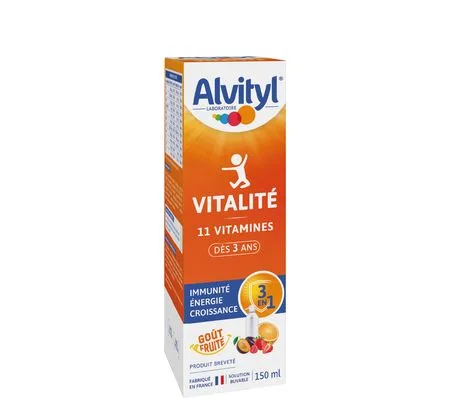
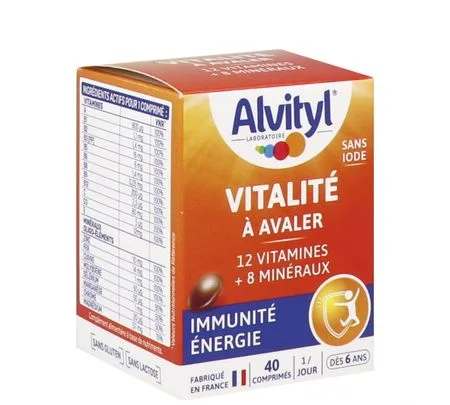
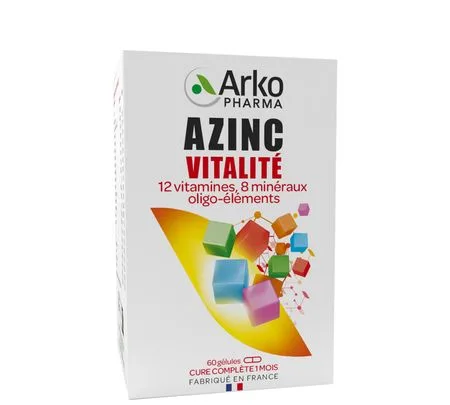
Vitality relates to several physiological dimensions: energy available to cells, oxygen transport and alertness. Supplements in this family may combine vitamins B and C, minerals or botanical ingredients, with or without caffeine according to composition. These mechanisms differ. A vitamin involved in energy metabolism, iron within haemoglobin and caffeine acting on alertness are three examples of ingredients with distinct roles. Understanding those roles gives the subject more meaning than treating vitality as one uniform nutritional mechanism.
Products in this category
12 products


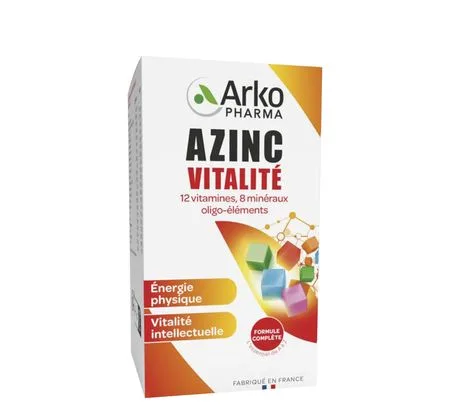
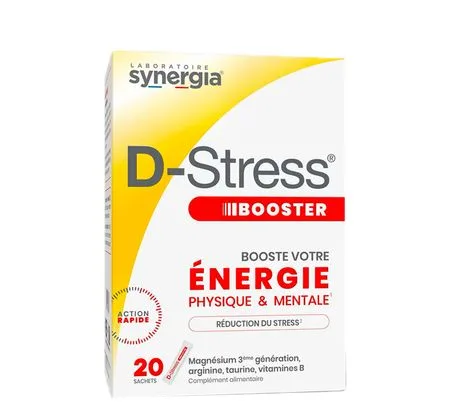

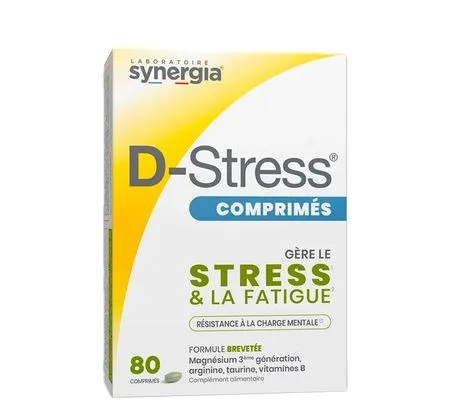
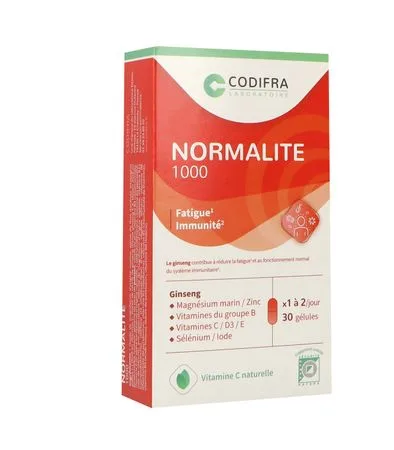

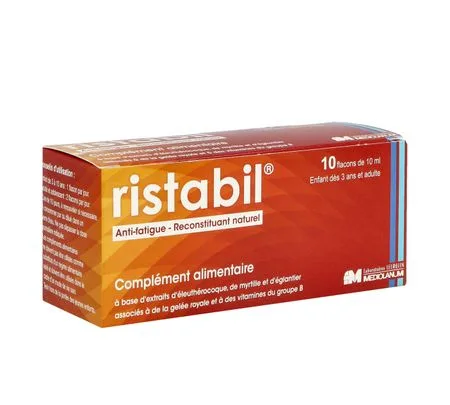

Understanding vitality supplements
Vitamins within energy metabolism
Reactions using carbohydrate, fat and protein involve enzymes and cofactors. Vitamin B1 participates in carbohydrate metabolism, while vitamin B6 contributes to processes including protein and glycogen metabolism. Other B vitamins, such as riboflavin and niacin, also relate to energy physiology. Vitamins support these reactions, whereas calories come from macronutrients. The distinction explains a multivitamin combination through biochemical roles rather than implying that the vitamins themselves provide the energy content of a meal or a nutritional drink.
Iron, magnesium and complementary functions
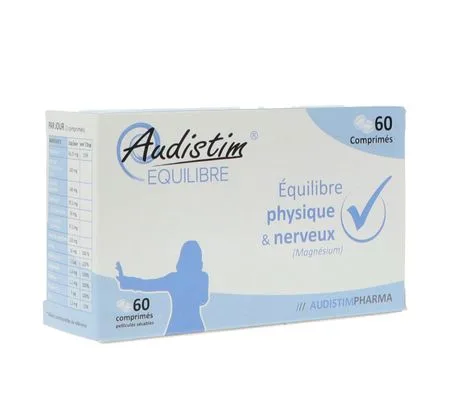
Iron is a constituent of haemoglobin involved in oxygen transport. Magnesium participates in numerous enzyme reactions and normal muscle function. Vitamin C contributes to collagen formation and absorption of dietary non-haem iron. These are complementary roles, with each nutrient retaining its own physiological functions. A formula combining iron and vitamin C can therefore be described through two nutritional mechanisms rather than its ingredient count alone. The presence of both does not merge the nutrients into one biochemical substance.
Caffeine and guarana: alertness
Caffeine stimulates the central nervous system. Guarana provides a botanical source of caffeine, while coffee, tea and certain other ingredients can contribute it as well. Plant origin and the caffeine molecule describe different aspects of composition. Alertness differs from caloric supply: a caffeine-containing ingredient can relate to wakefulness without being a substantial source of carbohydrate, fat or protein. This distinction separates a stimulant-related component from the macronutrients used to describe nutritional energy.
Nutrient combinations and botanical preparations
A vitamin preparation, vitamin–mineral combination and blend containing botanical extracts have different profiles. Whole plant powder and a concentrated extract are not the same preparation. Within effervescent, liquid or capsule formulas, nutrients and any caffeine retain their identities. Vitality therefore encompasses several food-related approaches; documented functions concern particular ingredients and formulation conditions within food supplements. The ingredient families explain the composition more precisely than a general vitality label or a single commercial description of the preparation.
Frequently asked questions
Do vitamins provide the calories in food?
They participate in metabolic reactions, while caloric energy comes mainly from carbohydrate, fat and protein. A role in energy metabolism and an actual supply of calories are different concepts.
Is guarana separate from caffeine?
Guarana is a botanical source that can supply caffeine. Distinguishing the plant from the molecule helps explain which ingredients are actually present within a formula.
Updated 10 November 2026
Sources and further reading
- EFSA — fonctions de la vitamine B6
- EFSA — fonctions physiologiques du magnésium et du phosphore
- EFSA — caféine, sources et action sur la vigilance
- Ministère de la Santé — caféine, guarana et ingrédients des produits énergisants
- Commission européenne — fonctions nutritionnelles et allégations autorisées, conditions distinctes des usages thérapeutiques