
 Nestlé Health Science France
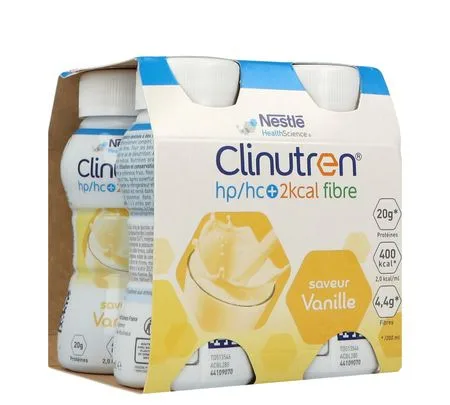
Clinutren Hp Hc+ 2kcal Fibre Fruits Des Bois 200ml X 4
CIP / EAN : 7613038137100
Professional product catalogue
Clinical nutrition uses foods formulated for nutritional requirements assessed within medical care. Oral preparations, enteral mixtures and thickeners address different dimensions: energy and protein supply, molecular form of nutrients, or food texture. Some foods have nutritionally complete compositions, while others address partial or specific requirements. Macronutrients, fibre and physical properties explain the subject, alongside the medical supervision associated with foods for special medical purposes. The food’s structure and the route of administration are additional characteristics rather than substitutes for its nutritional profile.
171 products
Nestlé Health Science FranceCIP / EAN : 7613038137100
 Nestlé Health Science France
CIP / EAN : 7613035814325
 Nestlé Health Science France
CIP / EAN : 7613035814301
 Nestlé Health Science France
CIP / EAN : 7613036172608
 Nestlé Health Science France
CIP / EAN : 7613035814363
 Nestlé Health Science France
CIP / EAN : 7613287351821
 Nestlé Health Science France
CIP / EAN : 7613287351852
 Nestlé Health Science France
CIP / EAN : 7613287351883

 Nestlé Health Science France
CIP / EAN : 7613037536508
 Nestlé Health Science France
CIP / EAN : 7613037532234
 Nestlé Health Science France
CIP / EAN : 7613037036183
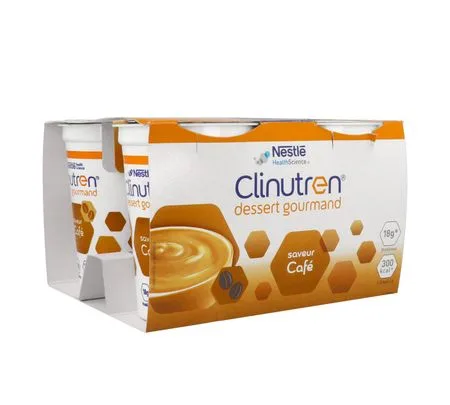 Nestlé Health Science France
CIP / EAN : 7613035413450
 Nestlé Health Science France
CIP / EAN : 7613035413474
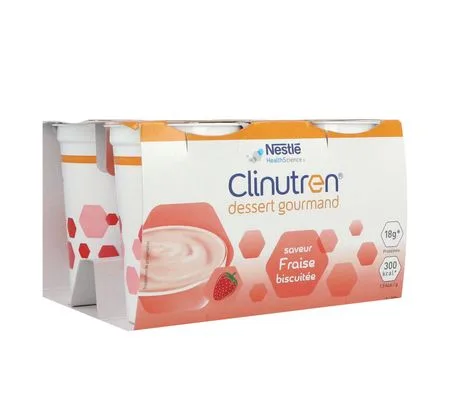 Nestlé Health Science France
CIP / EAN : 7613035412132
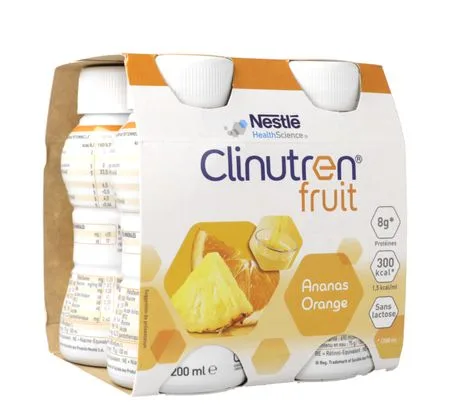 Nestlé Health Science France
CIP / EAN : 7613036965408
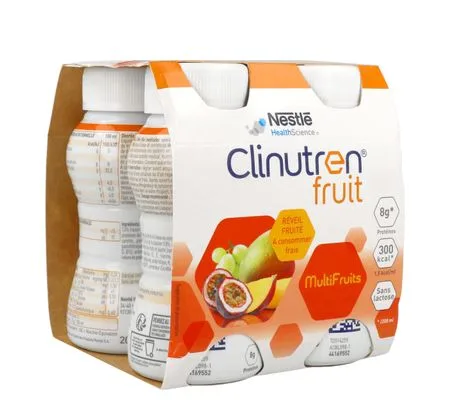 Nestlé Health Science France
CIP / EAN : 7613036966665
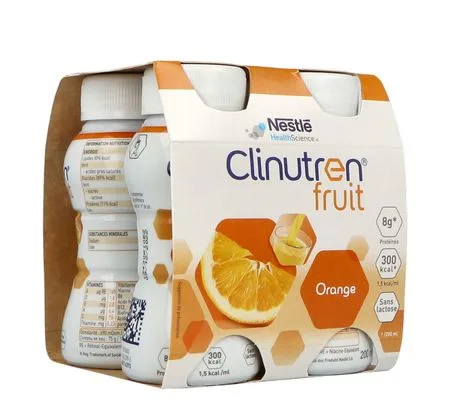
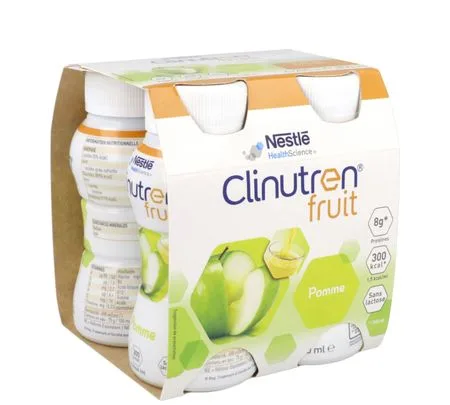
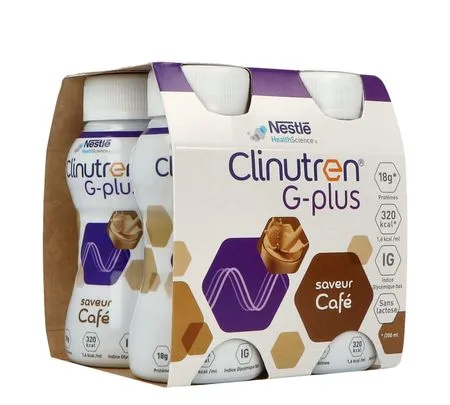
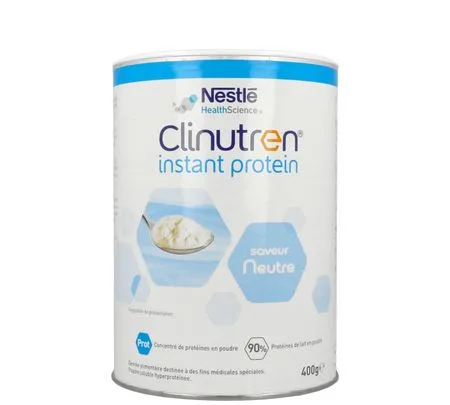
 Nestlé Health Science France
CIP / EAN : 7613032637767
Carbohydrate, fat and protein contribute energy, while protein also supplies amino acids used in tissue renewal. High-energy and high-protein describe different characteristics. Vitamins, minerals, water and any fibre complete the profile. Foods for special medical purposes may be nutritionally complete or partial according to their intended purpose. This composition addresses defined requirements and differs from describing a food only through one highlighted ingredient. Energy density, protein concentration and the presence of micronutrients therefore provide complementary views of the same preparation.
Oral nutritional supplements include milk-based drinks, juice-style preparations, desserts and other food structures. Energy density indicates the energy within an amount of food, while protein content describes another dimension. Sweet or savoury flavours, viscosity and texture contribute to the eating experience. A lactose-free formula may still use dairy proteins because lactose is a separate sugar. Ingredients, flavour and physical structure therefore complement one another in oral preparations. Similar consistency or flavour alone cannot describe the whole nutritional profile.
Enteral preparations are intended for the digestive route through a feeding tube. Polymeric mixtures contain whole proteins, while semi-elemental mixtures provide peptides obtained through hydrolysis. Fats may include long-chain or medium-chain triglycerides according to the formula. Fibre and water add other mixture characteristics. These describe a nutritional architecture with distinct medical purposes. Tubes and accessories belong to administration equipment, while protein, carbohydrate and fat define the food content. Molecular composition consequently remains a different specification from the container or delivery system.
Thickeners use ingredients including modified starches and gums such as xanthan. Their polysaccharides change physical properties including viscosity and flow. Thickening a drink and increasing its protein content are different functions. The original composition, temperature and characteristics of the formulation affect the resulting texture under documented conditions. The adaptation relates to a consistency determined by the relevant professionals. It complements consideration of nutrient supply while remaining distinct from the definition of a nutritionally complete food or the amount of energy carried by a preparation.
Texture describes physical behaviour. Nutritional completeness depends on protein, energy, vitamins, minerals and intended purpose. These dimensions remain distinct even where foods have similar consistencies.
Peptides are protein fragments obtained through hydrolysis. They characterise semi-elemental formulas whose medical nutritional purposes differ from mixtures containing whole proteins.
Updated 10 November 2026
Sources and further reading