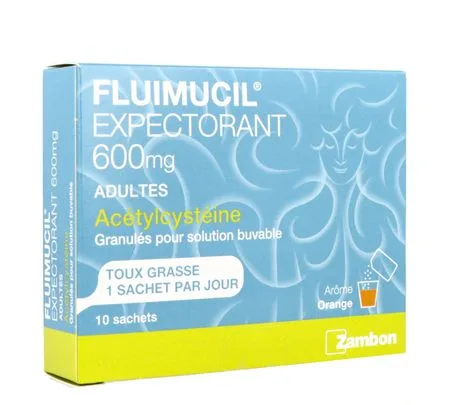
 Zambon France
Fluimucil Expectorant Acetylcysteine 600mg Granules Oral Solution Sachet 10
CIP / EAN : 3400930126059
Professional product catalogue
Breathing involves airflow through the bronchi, alveolar exchange and several airway defence mechanisms. Medicines can concern bronchodilation, inflammation, cough, secretions or specialised pulmonary functions. Asthma and COPD provide different settings even where selected families overlap. Pressurised aerosols, inhaled powders, nebuliser solutions and other routes have particular characteristics that explain the diversity of respiratory preparations. The delivery device is related to the formulation, but it does not make every inhaled medicine one uniform product or give all agents the same pulmonary target.
501 products
Zambon FranceCIP / EAN : 3400930126059
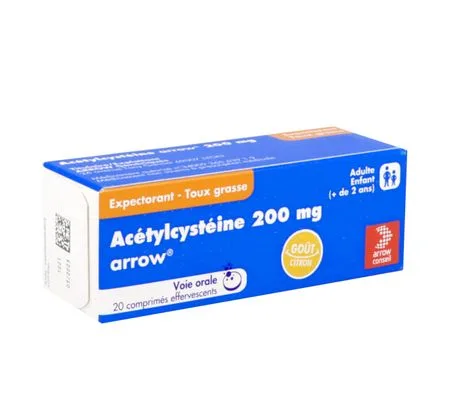
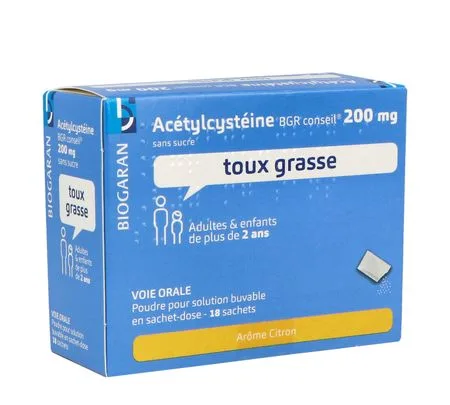
 Biogaran
CIP / EAN : 3400930233825
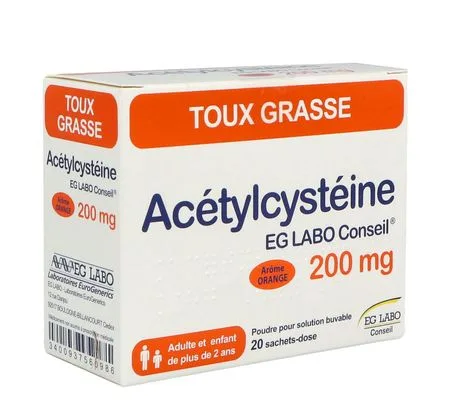
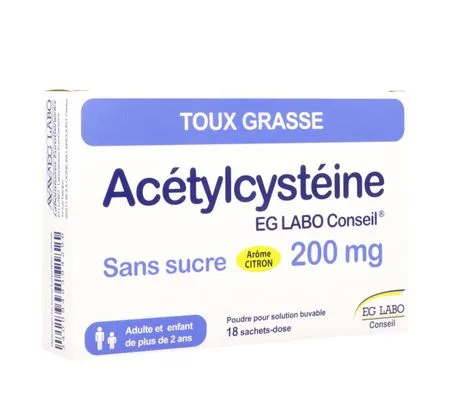
 EG Labo
CIP / EAN : 3400937560986
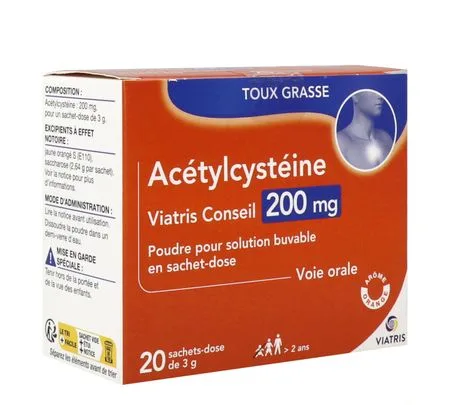
 Viatris Santé
CIP / EAN : 3400936463233
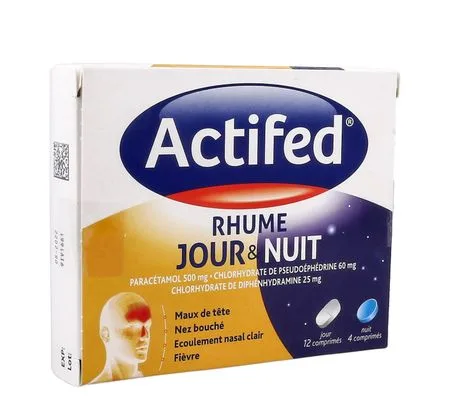
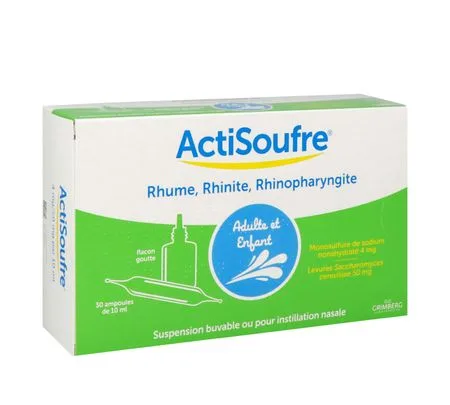
 Laboratoires Grimberg
CIP / EAN : 3400932816439
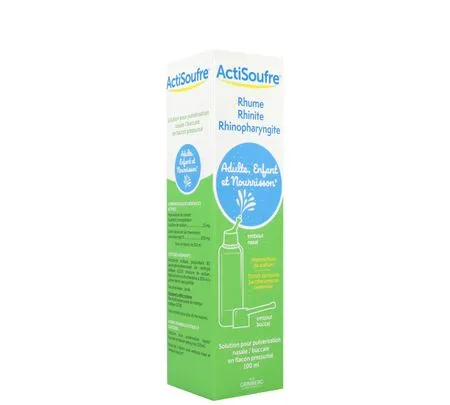 Laboratoires Grimberg
CIP / EAN : 3400935167156
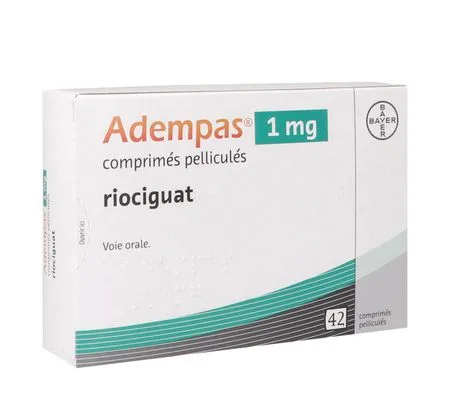
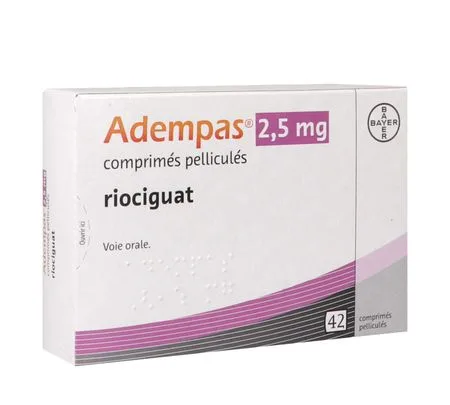
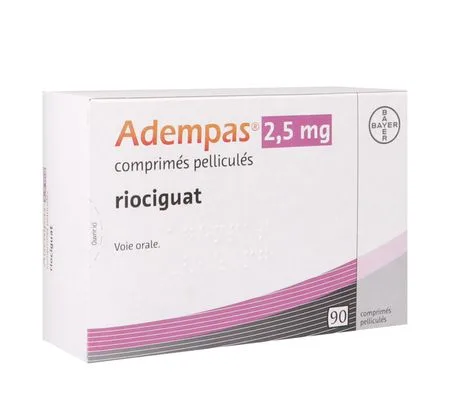
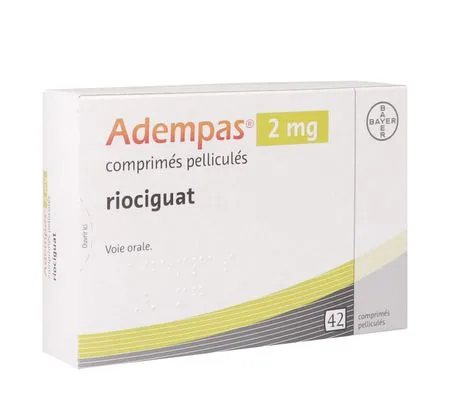
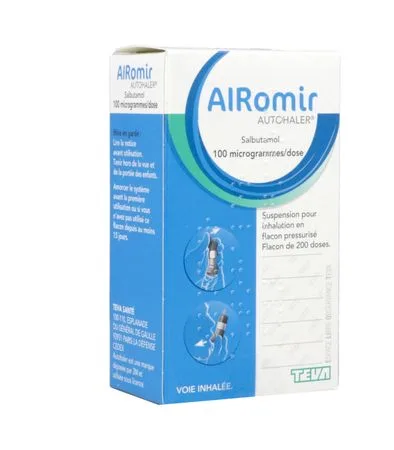
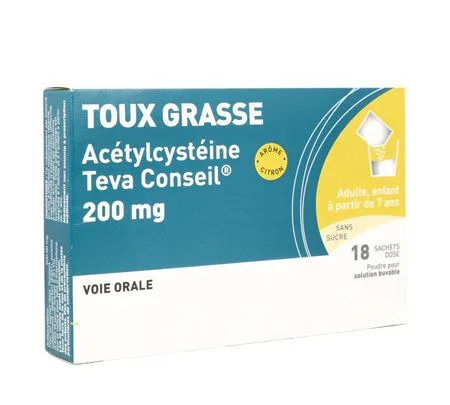
 Teva Santé
CIP / EAN : 3400934060335
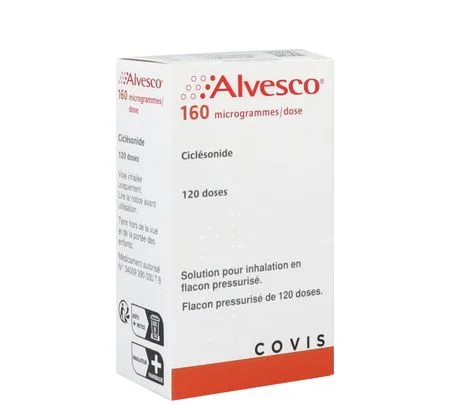
 Zentiva France
CIP / EAN : 3400939003078
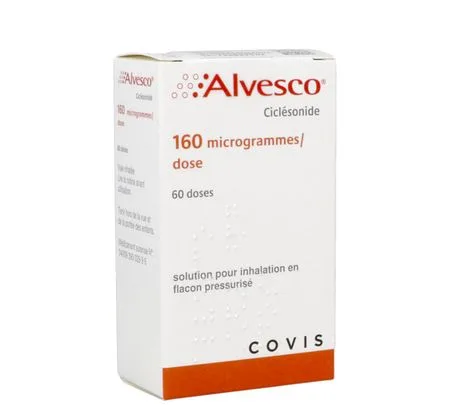 Zentiva France
CIP / EAN : 3400939002996
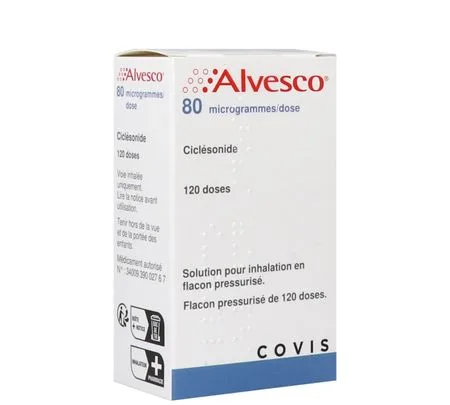 Zentiva France
CIP / EAN : 3400939002767
Asthma and COPD are different diseases that can involve some shared medicine families. Bronchodilators act on airway calibre, while inhaled corticosteroids concern inflammation. Beta-2 agonists and anticholinergics illustrate different bronchodilator mechanisms. Combinations may bring several functions into one presentation. That relationship does not mean every medicine has the same indications in asthma and COPD. Mechanism and authorised product context remain distinct when interpreting its role. The pharmaceutical family explains an aspect of action, whereas the complete medicinal presentation identifies the ingredients, formulation and documented clinical setting.
Cough is a reflex accompanying different situations. Dry and productive describe the presence of secretions rather than establishing a cause. Cough suppressants, mucolytics and expectorants have different functions. Some preparations combine several active components and therefore need interpretation through their full composition. The field is not the same as antibiotics: a respiratory symptom does not demonstrate a bacterial origin. Class terminology consequently helps separate pharmacological action from the situation described. It also explains why related everyday words can appear on products with different regulatory statuses or mechanisms.
Lung surfactants, respiratory stimulants and molecular approaches to particular diseases demonstrate the breadth of respiratory medicine. Influencing alveolar properties, respiratory drive or a protein such as CFTR does not represent the same mechanism. The medicines concerned have specialised contexts and should not be described as variations of cough treatments. Medicinal gases form a further distinct field. Alveolar mechanics, respiratory drive and ion transport consequently describe different biological dimensions rather than one uniform pulmonary mechanism.
A pressurised aerosol, powder inhaler and nebuliser solution use different designs for delivery of the preparation. Declared units can describe an amount per actuation, content per unit or a concentration according to the medicine. A powder and a solution do not have the same pharmaceutical structure. Spacers, masks and accessories fulfil equipment functions associated with selected systems, distinct from substance activity. Combining actives in one device does not remove their individual roles, such as bronchodilation and anti-inflammatory action. Formulation and device together explain presentation characteristics without making every inhaled preparation equivalent.
They describe different levels: obstructive diseases on one hand, and a symptom with its medicine families on the other. Mechanisms and indications can therefore differ.
An inhaler can form an integrated medicinal presentation. A spacer or mask may be a separate device. Product nature and composition establish its role.
Updated 10 November 2026
Sources and further reading