Professional product catalogue
Immunosuppressants
Immunosuppressants modulate or reduce selected activities of the immune system. Documented fields include transplantation and various inflammatory or autoimmune conditions, depending on the substance. Enzyme inhibitors, agents targeting cells or mediators, and other families do not share one mechanism. This category explains targets and pharmaceutical forms, distinguishing immunosuppression from other immunological approaches. It also avoids treating every biological medicine as having the same therapeutic role, since molecular type, target, indication and formulation provide different information about the identity and purpose of a medicinal product.
Products in this category
335 products

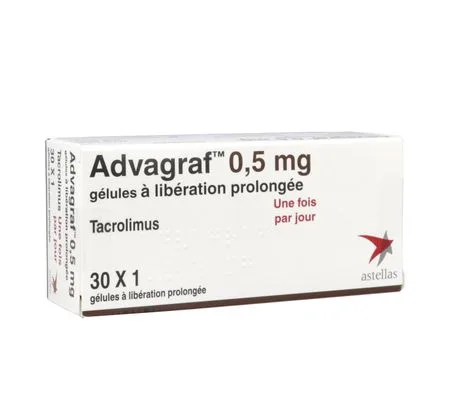
ADVAGRAF 0,5 mg Prolonged-release capsule 3Blister/10
Prices and discounts are reserved for client pharmacies.
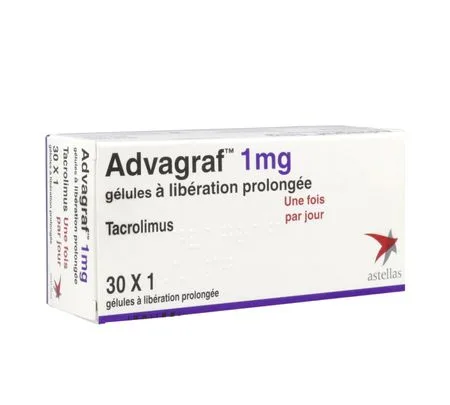
ADVAGRAF 1 mg Prolonged-release capsule 3Blister/10
Prices and discounts are reserved for client pharmacies.
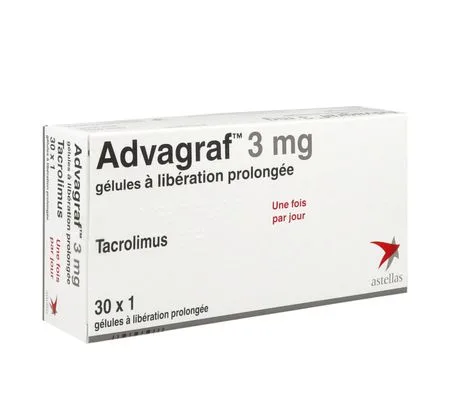
ADVAGRAF 3 mg Prolonged-release capsule 3Blister/10
Prices and discounts are reserved for client pharmacies.

ADVAGRAF 3 mg Prolonged-release capsule B/30 [ADP1]
Prices and discounts are reserved for client pharmacies.
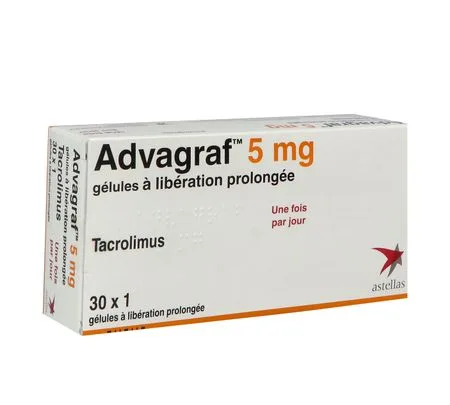
ADVAGRAF 5 mg Prolonged-release capsule 3Blister/10
Prices and discounts are reserved for client pharmacies.
ADVAGRAF 5 mg Prolonged-release capsule B/30 [ADP2]
Prices and discounts are reserved for client pharmacies.

AMGEVITA 20 mg Sol inj ser préremplie (100 mg/ml) Ser/0,2ml
Prices and discounts are reserved for client pharmacies.
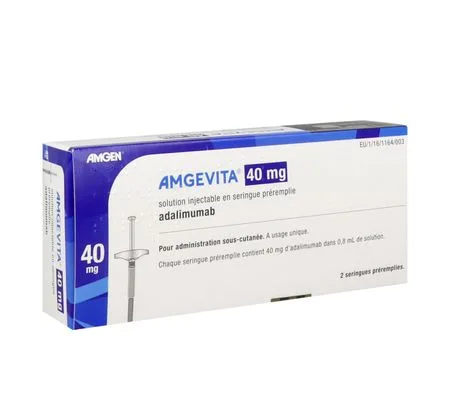
AMGEVITA 40 mg Solution for Injection in Prefilled Syringe (100 mg/mL) 2Syringe/0,4mL
Prices and discounts are reserved for client pharmacies.
AMGEVITA 40 mg Injectable Solution prefilled syringe (100 mg/ml) 6Syringe (3x2)/0,4ml
Prices and discounts are reserved for client pharmacies.
AMGEVITA 40 mg Injectable Solution prefilled syringe (100 mg/ml) Syringe/0,4ml
Prices and discounts are reserved for client pharmacies.
AMGEVITA 40 mg Injectable Solution prefilled syringe (50 mg/ml) 2Syringe/0,8ml
Prices and discounts are reserved for client pharmacies.
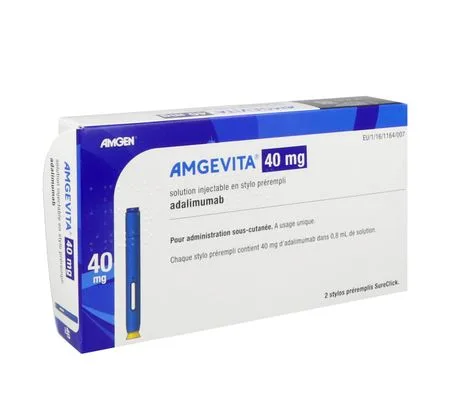
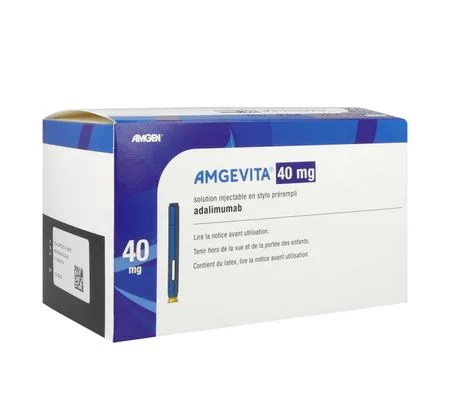
AMGEVITA 40 mg Solution for Injection in Prefilled Pen (100 mg/mL) 2Pen/0,4mL
Prices and discounts are reserved for client pharmacies.
AMGEVITA 40 mg Solution for Injection in Prefilled Pen (100 mg/mL) 6Pen (3x2)/0,4mL
Prices and discounts are reserved for client pharmacies.
AMGEVITA 40 mg Solution for Injection in Prefilled Pen (100 mg/mL) Pen/0,4mL
Prices and discounts are reserved for client pharmacies.
AMGEVITA 40 mg Injectable Solution prefilled pen (50 mg/ml) 2Pen/0,8ml
Prices and discounts are reserved for client pharmacies.
AMGEVITA 40 mg Injectable Solution prefilled pen (50 mg/ml) 6Pen/0,8ml
Prices and discounts are reserved for client pharmacies.
AMGEVITA 80 mg Inj solution prefilled syringe (100 mg/ml) Syringe/0,8ml
Prices and discounts are reserved for client pharmacies.
AMGEVITA 80 mg Sol inj stylo prérempli (100 mg/ml) 3Stylo/0,8ml
Prices and discounts are reserved for client pharmacies.
AMGEVITA 80 mg Inj solution in prefilled pen (100 mg/ml) Pen/0,8ml
Prices and discounts are reserved for client pharmacies.

Understanding immunosuppressants
Immune responses and distinct targets
Lymphocytes, inflammatory mediators and signalling pathways participate in different immune functions. Immunosuppressants can affect activation or multiplication of selected cells, or particular signals. Targeted action does not mean an absence of effects on other aspects of health. Transplantation and inflammatory disease are different settings even where selected substances relate to several fields. Indications are defined for each medicine and do not automatically extend to every member of a group. The wider immune category therefore explains mechanisms without establishing one use for all agents or a universal level of immunosuppression.
Inhibitors and biological medicines
Tacrolimus illustrates a calcineurin inhibitor, whereas mycophenolate concerns a pathway involved in lymphocyte multiplication. Anti-TNF agents target an inflammatory mediator and represent another approach. These examples show why immunosuppressant identifies neither one chemical structure nor one presentation. A monoclonal antibody is a molecule type that can have different purposes according to its target. Its biological nature alone does not make it an immunosuppressant, and oncology immunotherapies are not indiscriminately equated with this family. Substance mechanism provides more precise context than the broad term biological medicine.
Routes and formulation properties
Tablets, capsules, suspensions and injectable preparations have particular characteristics. Tacrolimus forms with different release profiles illustrate the importance of complete naming: a shared substance does not establish formulation equivalence. Local preparations bearing the same active name can also belong to another field, notably dermatology. Biological monitoring parameters and prescribing conditions are documented for relevant medicines. These features explain pharmaceutical differences without establishing a rule for changing products, converting between forms or adjusting an individual's treatment from a category description. The complete presentation remains meaningful alongside its molecular target and immune function.
Frequently asked questions
Are all monoclonal antibodies immunosuppressants?
No. Their role depends on target and indications. Biological molecule type alone does not determine immunological action or classification.
Does an identical substance guarantee an identical formulation?
No. Release profiles, routes and forms can differ. The complete presentation must remain identifiable, particularly for medicines with specific monitoring.
Updated 10 November 2026
Sources and further reading