Professional product catalogue
Obesity medicines
Obesity medicines concern weight-regulation mechanisms, including appetite, satiety or digestive absorption according to the substance. They differ from dietary products and food supplements. Selected hormonal pathways also participate in glucose metabolism, but that relationship does not make product indications identical. Oral forms and injectable presentations have particular characteristics that distinguish biological target, active substance and an authorised obesity treatment. Their mechanisms provide context without reducing body weight to one pathway or promising a result from the name of a molecule alone.
Products in this category
28 products

MOUNJARO KWIKPEN 10 mg/dose Solution for injection prefilled pen Pen/2,4ml
Prices and discounts are reserved for client pharmacies.
MOUNJARO KWIKPEN 12,5 mg/dose Sol for inj in prefilled pen Pen/2,4mL
Prices and discounts are reserved for client pharmacies.
MOUNJARO KWIKPEN 15 mg/dose Sol for inj in prefilled pen Pen/2,4mL
Prices and discounts are reserved for client pharmacies.
MOUNJARO KWIKPEN 2,5 mg/dose Solution for injection prefilled pen Pen/2,4ml
Prices and discounts are reserved for client pharmacies.
MOUNJARO KWIKPEN 5 mg/dose Solution for injection prefilled pen Pen/2,4ml
Prices and discounts are reserved for client pharmacies.
MOUNJARO KWIKPEN 7,5 mg/dose Solution for injection prefilled pen Pen/2,4ml
Prices and discounts are reserved for client pharmacies.
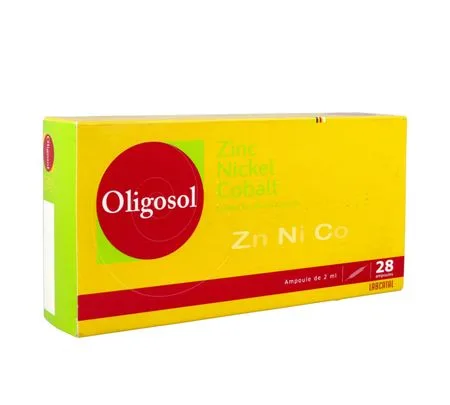
OLIGOSOL Zinc Nickel Cobalt Oral solution in ampoule 28Amp/2ml
Prices and discounts are reserved for client pharmacies.

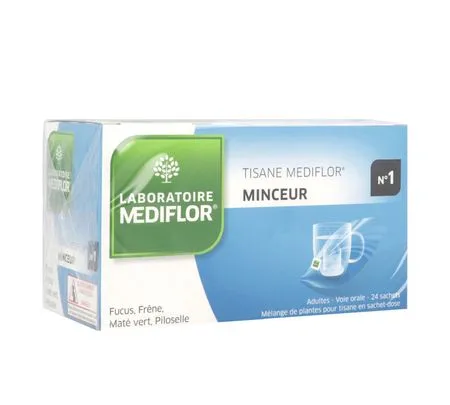
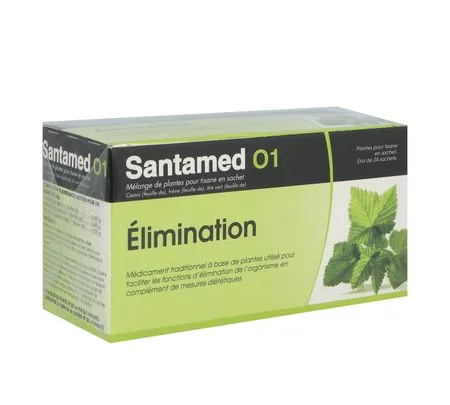
SANTAMED 01 Herbal mixture for infusion, slimming sachets 24Sachet
Prices and discounts are reserved for client pharmacies.
SANTAMED 01 Plant mixture for herbal tea in bulk slimming Bottle/90g
Prices and discounts are reserved for client pharmacies.

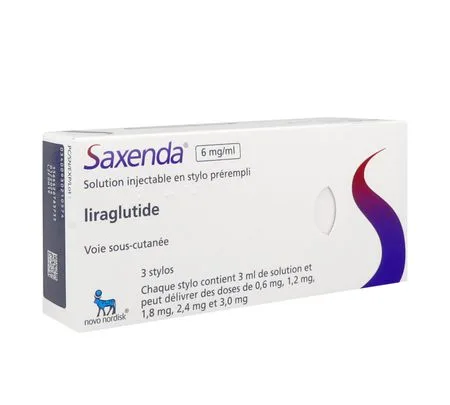
SAXENDA 6 mg/mL S inj en stylo prérempli 3Stylo/3mL
Prices and discounts are reserved for client pharmacies.
WEGOVY 0,25 mg Solution for Injection in FlexTouch prefilled pen Pen/1,5ml+4Needles
Prices and discounts are reserved for client pharmacies.
WEGOVY 0,5 mg/0,375ml (1,34 mg/ml) Solution for Injection in FlexTouch prefilled pen Pen/1,5ml+4Needles
Prices and discounts are reserved for client pharmacies.
WEGOVY 0,5 mg/0,75 ml (0,68 mg/ml) Solution for injection in FlexTouch prefilled pen Pen/3ml+4Needles
Prices and discounts are reserved for client pharmacies.
WEGOVY 1,7 mg Solution for Injection in FlexTouch prefilled pen Pen/3ml+4Needles
Prices and discounts are reserved for client pharmacies.
WEGOVY 1 mg Solution for Injection in FlexTouch prefilled pen Pen/3ml+4Needles
Prices and discounts are reserved for client pharmacies.
WEGOVY 2,4 mg Solution for Injection in FlexTouch prefilled pen Pen/3ml+4Needles
Prices and discounts are reserved for client pharmacies.


Understanding obesity medicines
Weight, appetite and absorption
Body weight involves several biological, nutritional and environmental processes. Medicines in this field therefore do not share one single pharmacological description. Some approaches concern appetite and satiety pathways, whereas others relate to the intestinal absorption of fats. Terms such as appetite suppressant, hormonal analogue and enzyme inhibitor describe different mechanisms. Understanding them supports a precise account of the field without presenting an isolated mechanism as a guarantee of results or as a measure independent of a wider medical care pathway.
Distinguishing indications within related families
Hormonal pathways involved in glucose regulation can also influence appetite. Some medicines or families consequently have scientific connections with diabetes and weight management. This does not allow an indication to be transferred automatically from one medicine to another. Formulation, authorisation and product scope remain decisive. A glucose-regulation substance and a medicine authorised for obesity therefore retain their respective indications even where a hormonal relationship links the fields biologically. This distinction is particularly useful when the same family terminology appears in different clinical discussions or product information documents.
Medicines and professional interpretation
An oral form and an injectable presentation have different compositions and administration systems. Device, concentration and packaging are part of the complete medicinal description. Foods intended for particular nutritional needs and supplements do not share the same regulatory status as these medicines. In pharmacy practice, that distinction supports understanding of prescription documents, authorised indications and associated monitoring. The category explains a therapeutic field rather than offering an individual product selection or weight-loss programme, and it does not imply that a medicine mentioned scientifically is available in the professional catalogue.
Frequently asked questions
Is a diabetes medicine automatically an obesity treatment?
No. A family or substance can concern several fields, but indications remain specific to each authorised medicine. A shared mechanism does not change its authorisation.
Are dietary products obesity medicines?
No. A food intended for weight management retains its nutritional status. Its stated purpose does not turn it into a medicinal product with the same function.
Updated 10 November 2026
Sources and further reading