Professional product catalogue
Allergen immunotherapy
Allergen immunotherapy, also called desensitisation, uses preparations containing identified allergens. It differs from medicines directed at the immediate manifestations of allergy. Pollen, house dust mites and insect venoms represent distinct allergen sources with specific pharmaceutical preparations. This category explains the relevant terminology, presentation routes and distinction from products used in allergy diagnosis. Its professional scope concerns the identity and characteristics of these medicines rather than selecting an immunotherapy programme for an individual patient.
Products in this category
12 products
 Stallergènes
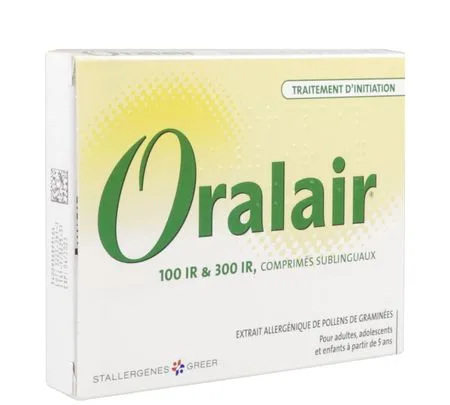
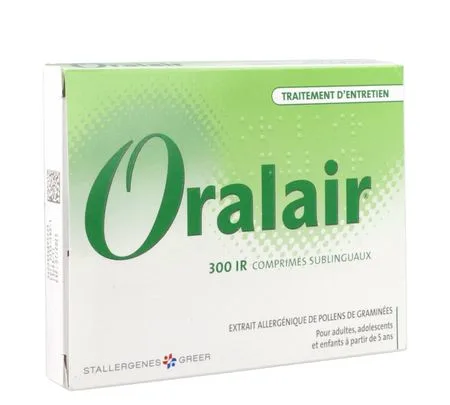
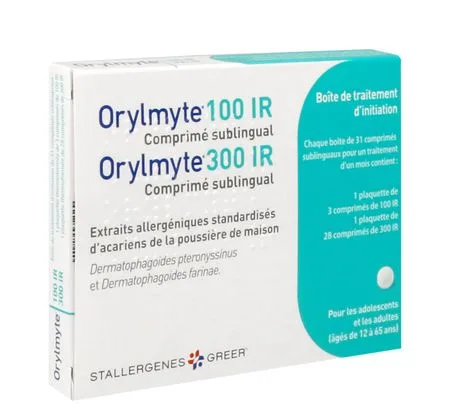
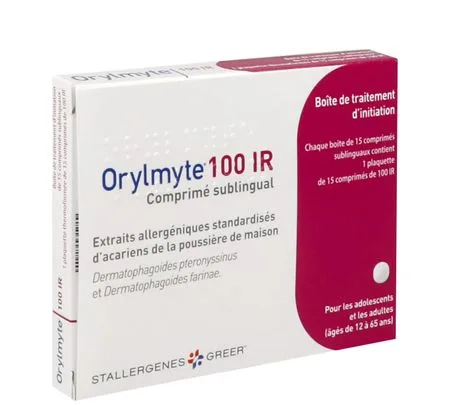
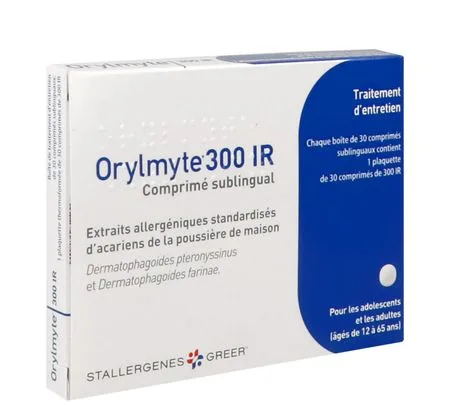
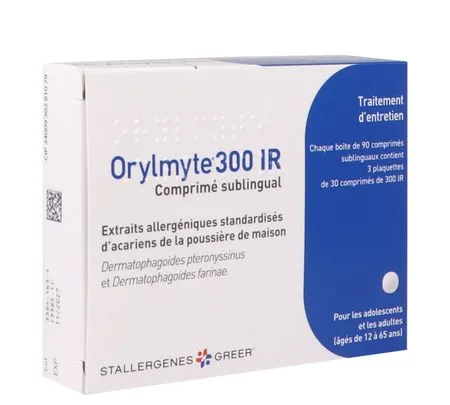
ORYLMYTE 100 IR & 300 IR Sublingual Tablet Blister/3 (100IR)+Blister/28 (300IR)
CIP / EAN : 3400930236024

Understanding allergen immunotherapy
An allergen-specific approach
Allergen immunotherapy relates to an immune response directed at a particular source. A pollen preparation is not interchangeable with a mite preparation simply because both are described as desensitisation products. Source identification, sometimes including the species, and the properties of the extract are therefore central features. This differs from identifying an antihistamine: the product is characterised not only by a broad treatment class, but also by the allergenic material it contains and the purpose for which that preparation was developed.
Sublingual and injectable preparations
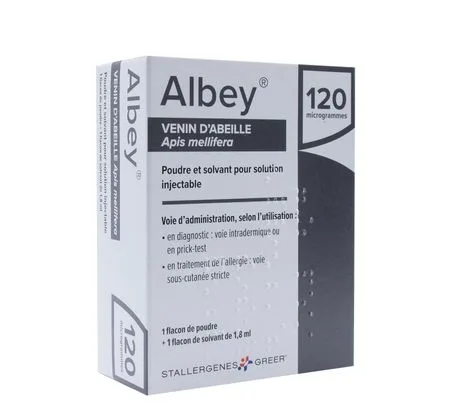
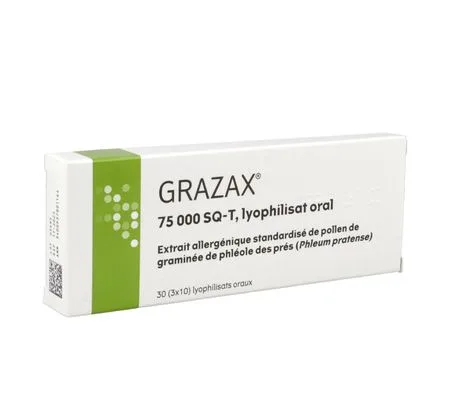
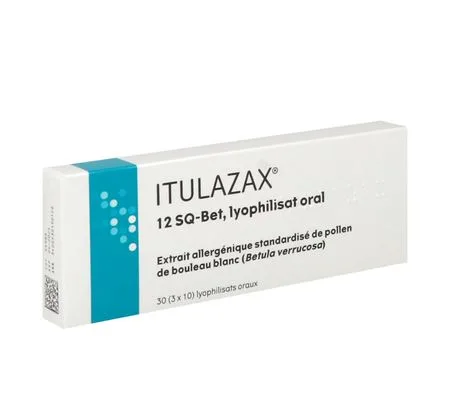
Depending on the product, immunotherapy preparations may be administered by a sublingual or subcutaneous route. A solution, a sublingual tablet and an injectable preparation have different pharmaceutical characteristics. Sharing an allergen name does not establish equivalent concentrations or expressions of activity. Product-specific units and standardisation must retain their documented meaning. They do not create an assumed conversion between manufacturers, extracts or administration routes. These distinctions are especially useful when several references mention the same allergen source.
Diagnosis and immunotherapy have different purposes
The ATC allergen family also includes diagnostic products. An extract intended for allergy testing does not become an immunotherapy preparation because the same source appears in its name. EMA guidance distinguishes diagnostic development from development for immunotherapy. In professional identification, allergen source must therefore be considered together with diagnostic or therapeutic purpose and the precise presentation. Neither the interpretation of a test nor the medical selection of an immunotherapy programme can be inferred from a catalogue category alone.
Frequently asked questions
Are diagnostic allergens desensitisation medicines?
They may share an allergen source, but their purposes and characteristics differ. The documentation for the individual preparation defines its status and intended use.
Why retain the activity units stated for each product?
They describe a particular preparation and its standardisation. Similar wording is not enough to establish equivalence between extracts, manufacturers or pharmaceutical forms.
Updated 10 November 2026
Sources and further reading