Professional product catalogue
Orthoses
Orthoses are external devices designed for support, stabilisation or movement limitation within their intended purpose. They include flexible, semi-rigid and rigid constructions, sometimes with joints. Textile material, reinforcement and closure systems perform different roles. For pharmacy teams, anatomical area, side, size and architecture provide useful distinctions between models. The external appearance alone does not establish an individual clinical indication, and a soft covering can conceal reinforcement that materially changes the complete support structure.
Products in this category
56 products
 Laboratoires Dermatologiques Eucerin
ELASTOPLAST Elastic adhesive bandage 3cmx2,5m
CIP / EAN : 4005800019234



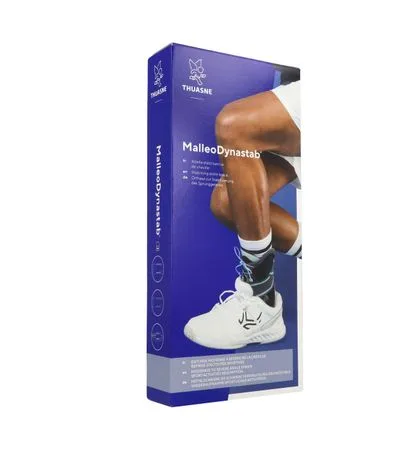
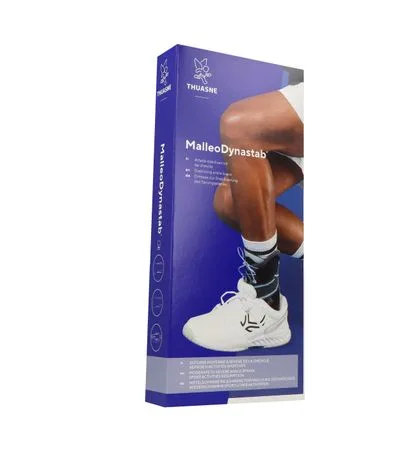


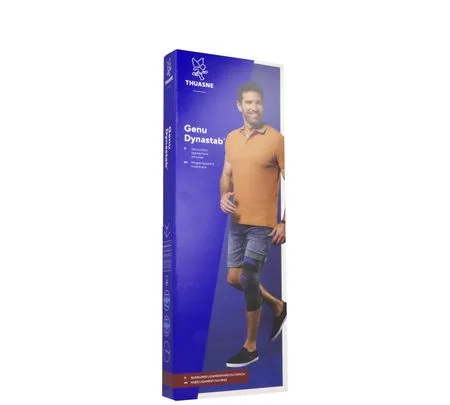
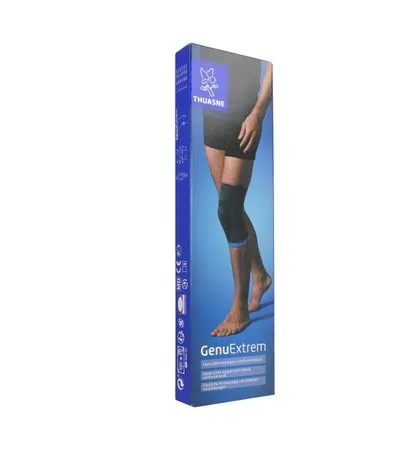
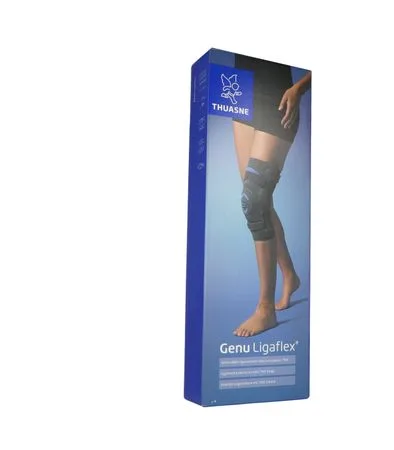
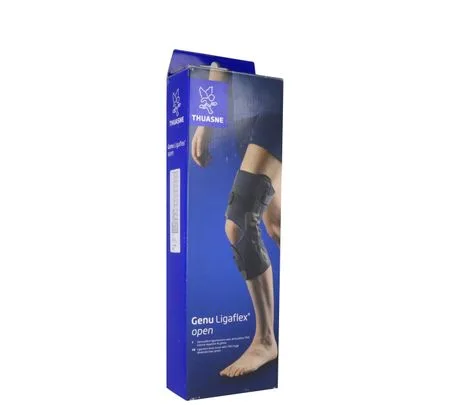
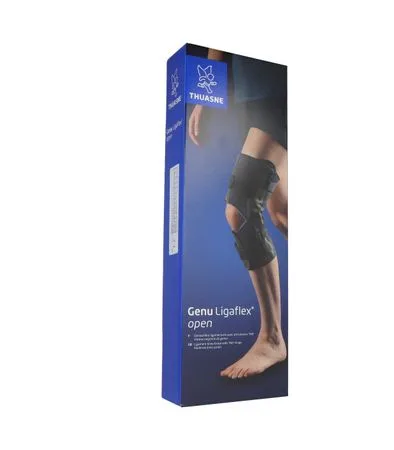
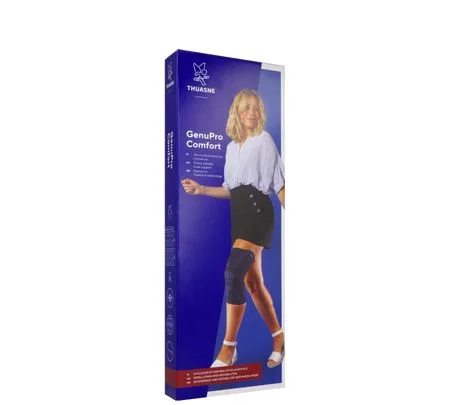
Understanding orthoses
Textiles and structural reinforcement
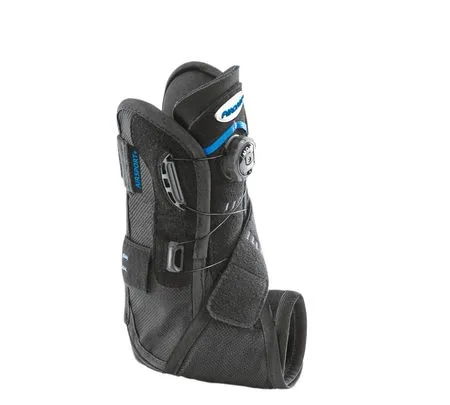
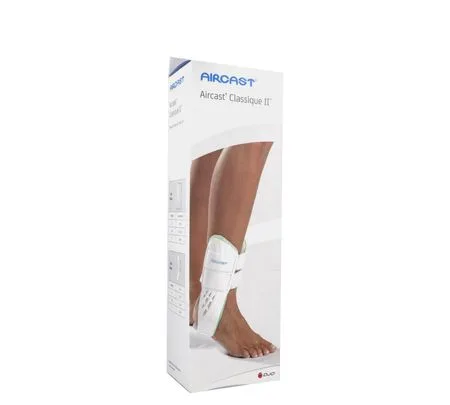
A knitted orthosis differs from a splint with a rigid frame. Stays, inserts and moulded components may supplement a textile body. Their presence, position and materials contribute to the construction. The flexibility of the outer covering therefore does not fully describe the rigidity of the assembly. A strap closure and a tubular sleeve are also different presentations, with their own sizing characteristics. Colour and fabric appearance cannot alone identify the internal support or the distribution of reinforcement.
Joints and movement-control components
Some orthoses contain a hinge or movement-control elements, while others use a non-articulated structure. These features differ from a simple lateral stay. The word hinged does not imply unrestricted adjustment for every purpose. Adjustable components belong to a defined design and intended use. The frame, hinge points, straps and reinforcement therefore provide concrete ways to distinguish the structure and geometry of an orthosis. This keeps equipment information distinct from the decisions made by the professionals responsible for the individual care plan.
Anatomical coverage, side and size
A wrist, thumb or knee orthosis is not simply a different size of the same support. Coverage and contact points differ. Some designs are side-specific, while others are constructed for either side. Sizing may depend on a circumference or length defined for the particular model. Two products labelled medium therefore do not establish the same measurements across every orthosis family. The relevant body area, measurement convention and declared laterality are separate parts of the specification.
Frequently asked questions
Are a flexible orthosis and a rigid splint equivalent?
Their structures and functions can differ. A shared anatomical area does not establish equivalence between a textile sleeve and a rigid frame or splint.
Does medium always mean the same measurements?
No. Measurements and size conventions belong to the device. The measurement location and any right- or left-sided construction also need separate identification.
Updated 10 November 2026
Sources and further reading