Professional product catalogue
Infant milks
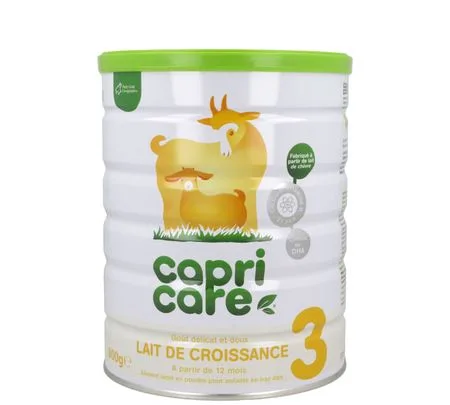
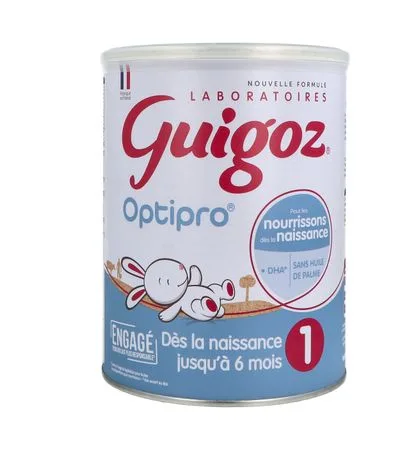
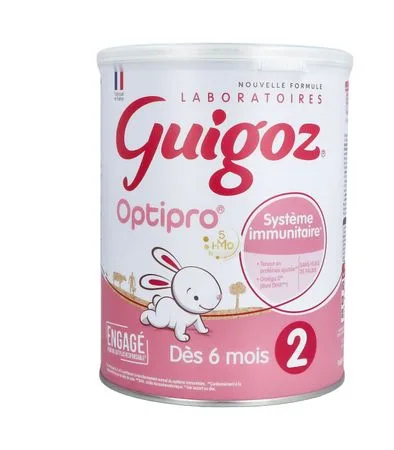
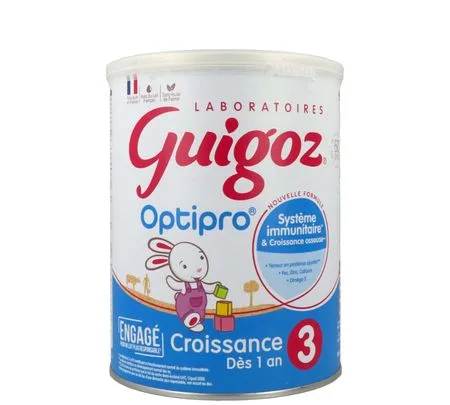
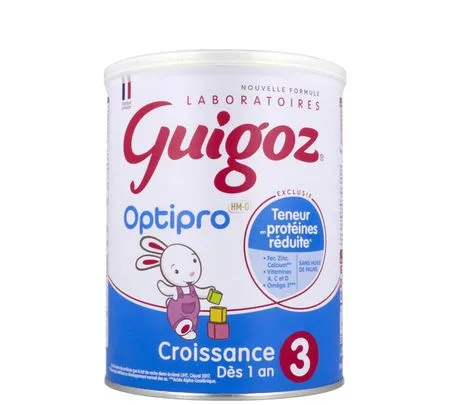
Infant milks differ in their regulatory description, stated age range and presentation. Infant formula, follow-on formula and products for older children concern different feeding stages. Breastfeeding remains the reference for infant feeding; this category describes other product groups and their information factually. Pharmacy comparison considers preparation identity, ingredients and packaging without promotional rankings between brands. A number, colour or range name on the pack does not replace the complete description of its intended stage and composition.
Products in this category
20 products


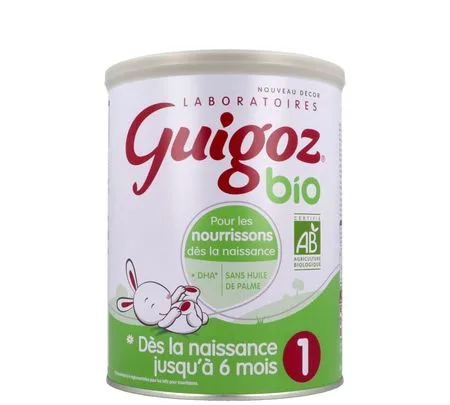

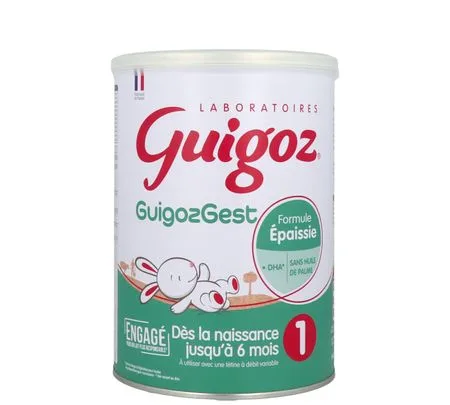
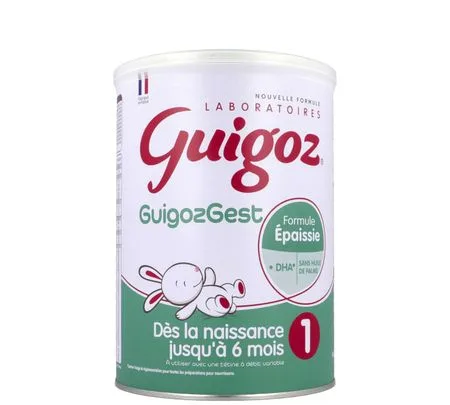
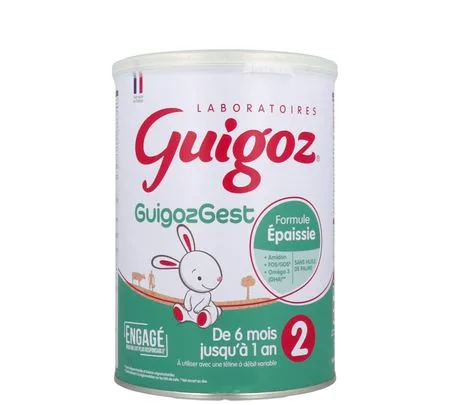
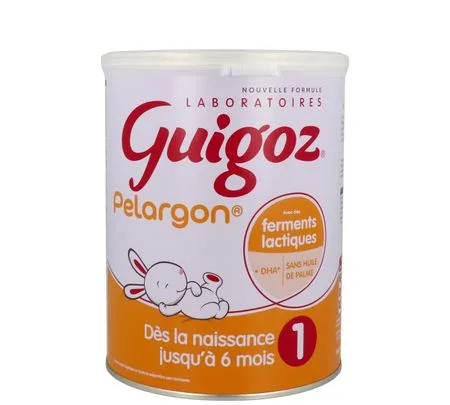
Understanding infant milks
Infant, follow-on and young-child preparations
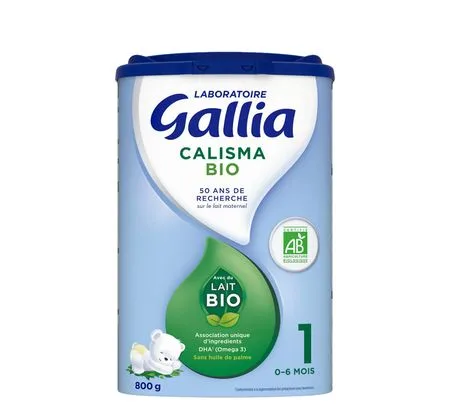
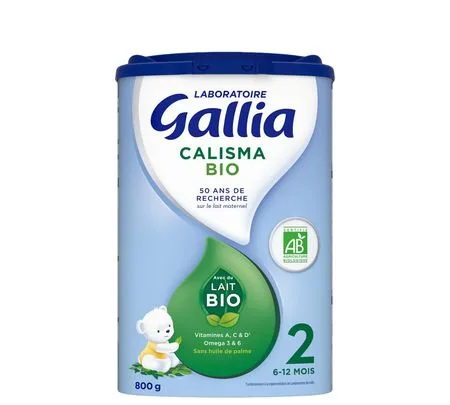
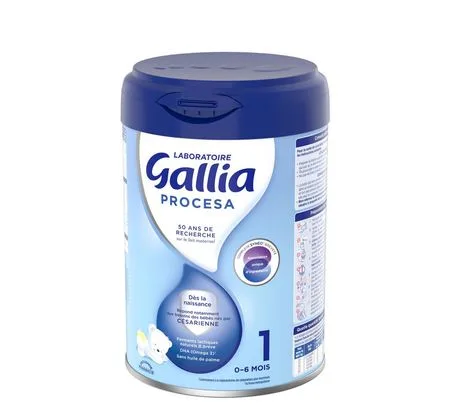
Preparation names correspond to different categories and feeding stages. Infant formula concerns the early months, while follow-on formula sits within a progressively diversified diet according to its stated age. Young-child preparations have another intended stage. Breast milk remains the reference food for infants. These terms describe the product framework without ranking brands by quality. The complete designation and age printed on the reference explain first-stage or second-stage wording, with each category understood through its purpose rather than the appearance of its container.
Protein, carbohydrate, fats and micronutrients
A preparation combines sources of protein, carbohydrate and fat with vitamins and minerals. Milk proteins, lactose and oils are different kinds of ingredients. Lactose is a carbohydrate, separate from milk proteins and any modification of those proteins. Calcium, iron and other micronutrients appear with their quantities in nutritional information. The complete formula provides a fuller description than one ingredient highlighted on the tin. Declared allergens also belong to the exact composition rather than being inferred from one carbohydrate-related statement or a general range description.
Powder and liquid presentations
Powder requires reconstitution according to the reference's instructions, while ready-to-use liquid follows its own use conditions. The supplied scoop belongs to the product concerned. Figures per hundred grams of powder and per prepared volume represent different bases. Storage, closure and after-opening limits are useful information. Bottles and teats have separate material and compatibility criteria. Professional support connects these characteristics with family circumstances without deriving an individual feeding recommendation from packaging alone. The resulting description keeps preparation type, composition and practical handling visible as complementary aspects of the product.
Frequently asked questions
Do range numbers indicate a quality level?
No. Read them with the stated product designation and age; they are not a superiority ranking.
Is one scoop a shared unit across all preparations?
No. The scoop and reconstitution instructions belong to the particular presentation.