 Laboratoires Dermatologiques A-DERMA
ADERMA EXOMEGA ALLERGO Bme émollient anti-grattage T pompe/200ml
CIP / EAN : 3282770149814
Professional product catalogue
Baby hygiene and care combines changing products, washing preparations and cosmetic skin care. Nappy absorption, cleansing with suitable washes and moisturising through lotions or balms are distinct functions. Textile materials, cleansing ingredients, fats and humectants provide concrete characteristics for comparison. For pharmacy teams, stated age, application area and texture further explain each product's place in everyday care. Accessories such as cotton pads, washcloths and bath equipment add their own material and maintenance requirements to this practical picture.
61 products
Laboratoires Dermatologiques A-DERMACIP / EAN : 3282770149814
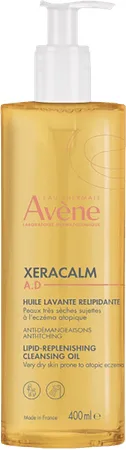
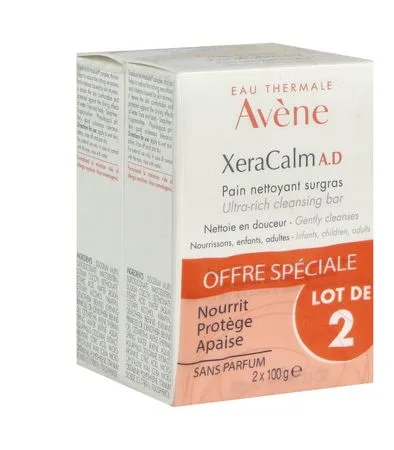
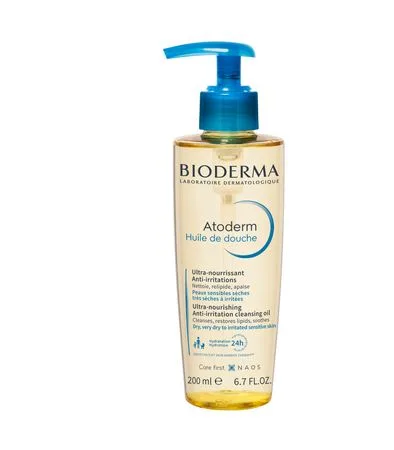
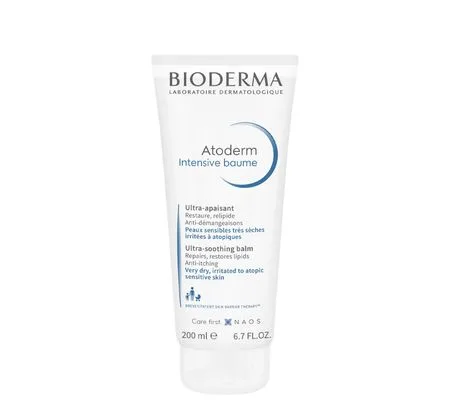
 Naos Bioderma
CIP / EAN : 3701129802069
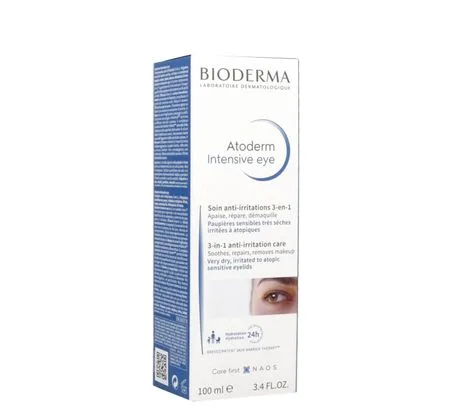
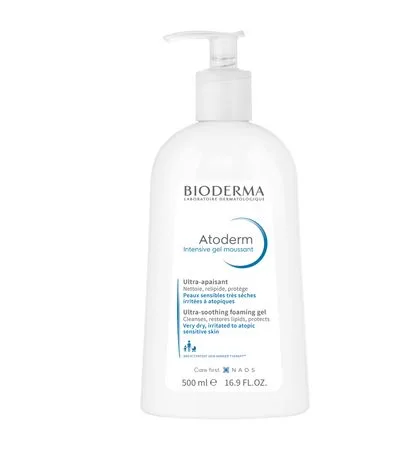 Naos Bioderma
CIP / EAN : 3401560969757
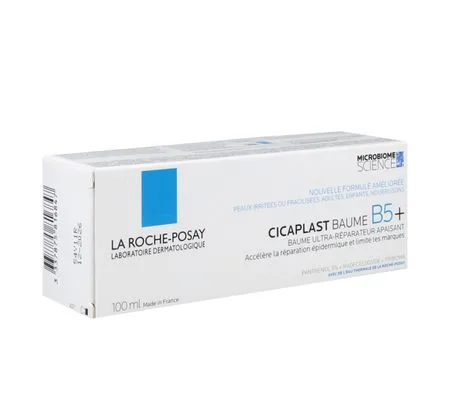
 La Roche Posay
CIP / EAN : 3337875816847
Tab nappies and pull-up pants combine several material layers, with a construction specific to each design. Size, fit, edges and stated absorbency are central criteria. Cotton pads and nonwoven squares act as cleansing supports, while wipes already contain a preparation. Washable references are also described through their fibres and laundering requirements. These accessories differ from the creams and pastes applied to the nappy area, which bring their own formulation and application characteristics.
Cleansing products combine a washing base with other formulation ingredients. Gel, cream and oil textures spread and rinse differently according to their directions. Some references cover hair and body, while others have a focused purpose. Fragrance and stated ingredients add detail. Bath thermometers, towels and soft washcloths accompany washing, with dimensions and materials compared separately from the cleanser's formula. A body wash and a dry textile accessory consequently provide different kinds of information within the same routine.
Lotions and creams may combine a water phase with humectant ingredients such as glycerol and with fats. Oils and balms have different texture balances. These differences help explain the fluid, flexible or more enveloping feel described by manufacturers. A body lotion for larger areas and a cream for a small area involve different application arrangements. The complete formula provides more context than a single highlighted ingredient on the front of the pack.
Water-based pastes, nappy creams and liniments have formulations and intended purposes that need precise identification. Zinc oxide may feature in some nappy-area preparations, while fats characterise liniments. These products are compared through stated role and texture. Face and scalp products have other intended areas. Persistent or unusual redness calls for appropriate assessment separate from routine-care comparisons. This preserves space for concrete information about everyday preparations without assigning them a general medical function.
Disposable supports and reusable accessories involve different arrangements. Dry cotton, washable cloths, impregnated wipes and sponges are described through material, dimensions and care requirements. Textiles come with washing and drying instructions. Bottles, pumps and tubes add dispensing differences. Bathing equipment is prepared within reach so the adult can remain with the baby throughout washing, as Assurance Maladie explains. Storage and drying arrangements for the accessories complement the composition information for the preparations used alongside them.
The first is intended for washing and follows its rinsing directions. The second has a care function and a texture intended to remain on the stated areas.
Size or dimensions, material, texture, stated function and directions provide criteria suited to the product type: absorbent item, cleansing support or nappy-area care.
Updated 10 November 2026
Sources and further reading